


Ever wondered whether your paycheck really covers your everyday expenses? A living wage means earning enough to pay for housing, food, healthcare, and other essentials. Many workers earn the legal minimum yet still struggle with daily costs. This article breaks down how living wage calculations differ from legal standards and why that gap matters. Matching wages with actual expenses is key to easing financial strain for workers.
what is a living wage: Bright, Clear Definition
A living wage is the minimum income a worker needs to cover basic costs like housing, utilities, food, water, sanitation, education, and healthcare. The International Labour Organization explains that a living wage lets people meet these essential needs and enjoy their basic rights. It is a broader measure than legal minimum wages, which often do not match the true cost of living.
A living wage means having enough pay to cover daily expenses while supporting a decent quality of life. It uses fair earnings criteria that take into account local costs such as utilities, fresh food, basic health services, and education fees. This method clearly shows the gap between legal pay floors and what workers actually need to live with dignity.
In many areas, statutory minimum wages fall short of covering these vital costs. Employers may meet the legal standard, but workers still face financial strain. This shortfall underlines the need for wages that support both basic survival and the full exercise of human rights.
Comparing a Living Wage with the Legally Mandated Minimum Wage

Legal minimum wages set a base pay that often falls short of meeting daily needs. A living wage, on the other hand, factors in costs for housing, food, water, sanitation, education, and healthcare. This approach calls for regular policy reviews and adjustments based on local costs. For example, rising rents may force cities to update wage targets frequently. In Seattle, a study found that local living wage targets rose 30% above the legal minimum over a five-year period. Using up-to-date local data helps ensure that workers receive pay that truly matches current expenses rather than sticking to outdated, fixed numbers.
Policy makers can boost worker security by aligning wage floors with current local costs. Experts recommend regular checks of regional expenses like housing, transportation, and essential goods to set fair earnings standards. Local cost surveys offer the information needed to tweak wages so they meet everyday needs. By linking wage thresholds to current data, the gap between statutory minimums and sufficient income can be reduced.
Key Cost-of-Living Factors Shaping a Living Wage Calculation
A living wage is set at a level that covers today's basic expenses using local prices. It includes shelter, food, healthcare, and other essentials so that workers can live with dignity.
Each expense is checked against local market costs. This method follows international labor guidelines and uses real household spending data to set fair wages that meet basic needs.
- Housing (rent or mortgage plus utilities)
- Food and nutrition
- Water and sanitation
- Healthcare and insurance
- Education and childcare
- Transportation and commuting
Local price data drives these calculations, and each cost category is reviewed in detail. For example, housing costs include not just rent or mortgage payments but also utility bills. Food expenses cover a balanced diet. Water and sanitation costs ensure access to clean water and proper waste management. Healthcare calculations factor in out-of-pocket payments and insurance options. Education and childcare expenses ensure families can invest in the future, while transportation costs account for daily commutes and vehicle maintenance.
Using verified local data for each expense, policymakers can set wage levels that reflect true living costs. This approach helps bridge the gap between legal minimum pay and what is really needed for a decent quality of life.
Regional and Global Living Wage Benchmarks

NGOs and research groups have developed living wage figures that mirror local expenses accurately. These studies show that when laws do not mandate a wage floor, benchmarks can vary widely by area.
For instance, cost-of-living studies (analyses that tally everyday expenses) and household budget surveys indicate that regions with steep rents, high transportation fees, and increased utility bills require a higher hourly wage to maintain a decent standard of living.
These benchmarks help policymakers, investors, and businesses set wage practices that match real-world needs, ensuring workers have enough income to cover basic expenses and live with dignity.
| Region | Estimated Hourly Living Wage | Calculation Method | Year |
|---|---|---|---|
| California | $20 | Cost-of-living analysis | 2022 |
| New York | $22 | Household budget surveys | 2022 |
| Texas | $16 | Regional price indices | 2022 |
| Florida | $18 | Living cost study | 2022 |
| United Kingdom | £12 | Local market data | 2022 |
These figures highlight the gap between the legally set minimum wages and what workers truly need. They show the importance of using up-to-date local data to capture real living costs. Decision-makers can use these comparisons to tweak wage policies so that they keep up with current economic realities. The data remind us that protecting basic human rights depends on having robust wage standards that closely match local expense profiles and are regularly reviewed.
Approaches and Tools for Calculating a Living Wage
Living wage estimates use simple models that rely on consumer price indexes and household budget surveys. They show the minimum income needed to cover basic needs like housing, food, healthcare, and education. International guidelines from the International Labour Organization provide a framework based on local price data and cost-of-living studies. Analysts gather and update these figures regularly, much like checking a family’s monthly expenses to see if their income is enough. For example, a digital cost-of-living calculator uses recent survey data to set a clear income threshold for a decent life.
Modern digital tools have transformed living wage calculations. Interactive dashboards and data visualizations combine household survey data with current market trends to offer location-specific wage estimates. This setup helps policymakers and businesses keep track of local cost changes and adjust wage standards as needed. A surprising fact: a well-designed digital wage calculator, updated each month, has been shown to reveal real-time gaps between statutory minimum wages and actual living costs. These innovations ensure wage policies stay in step with real economic conditions and truly meet worker needs.
Historical Evolution and Policy Debates Around Living Wages
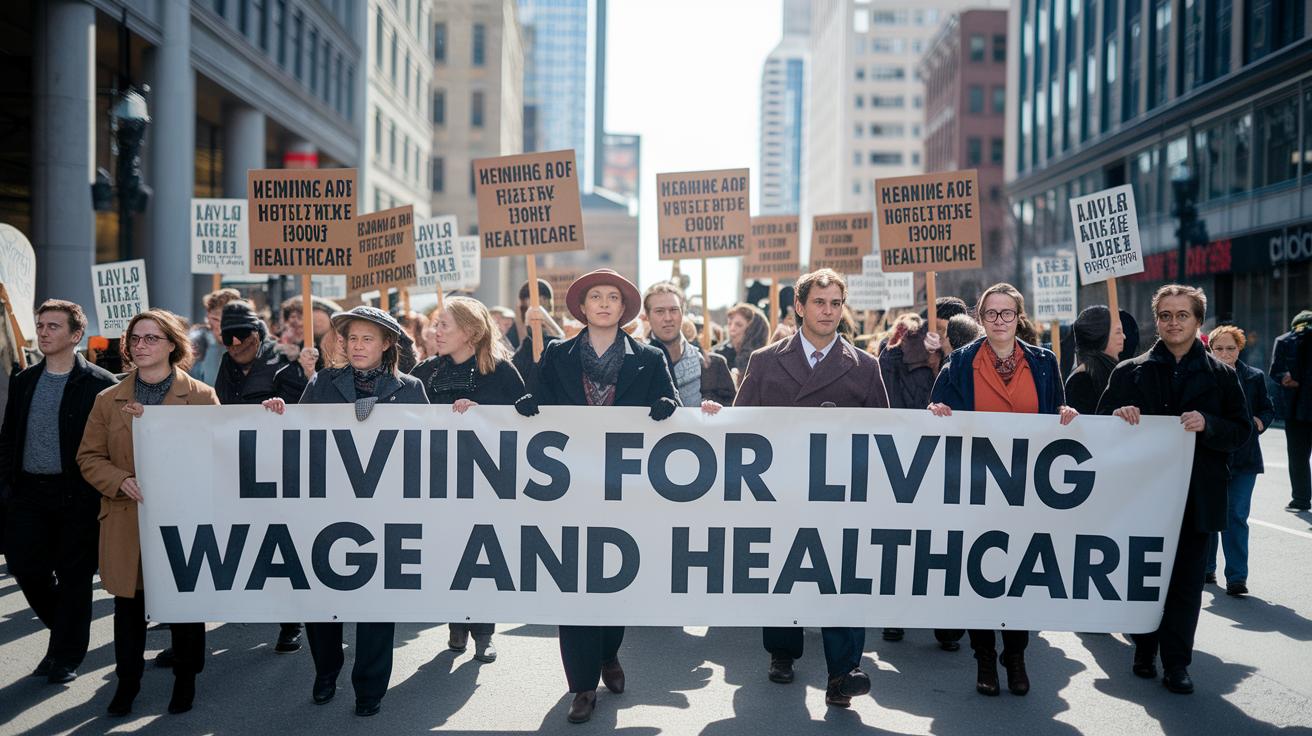
In the early 1900s, minimum wage laws were born out of strong labor movements and social calls for fairness. Governments set basic pay levels to shield workers from severe exploitation. However, these wages did not account for all living expenses like housing, food, healthcare, and education. This gap left many workers struggling even when minimum wages were in place.
Over time, workers and advocates have pushed for wages that truly cover daily costs. Today, living wage supporters argue that pay should match modern living expenses rather than stick to outdated figures from past laws. Some political models favor lower wage standards, claiming that big businesses help society in the long run even if workers face higher living costs. Critics say this approach fails many who cannot afford basic needs and insist wages must keep up with current costs.
Policymakers and community groups continue to debate fair pay versus economic growth. They now incorporate lessons from the past with modern research to support regular wage updates. Many see a living wage as both an economic necessity and a human rights issue. The ongoing discussion is about closing the gap between legal minimums and wages that let people live with dignity.
Economic and Social Impacts of Adopting a Living Wage
Raising wages to a living standard can lower poverty by ensuring workers earn enough to cover basic needs. Studies show that when pay rises, low-income families feel less financial strain and local economies benefit from increased spending. For example, garment workers earning nearly a living wage face fewer money problems, which helps break the cycle of companies cutting wages to the bare legal minimum.
Boosting wages to meet basic living costs can also reduce gender pay gaps and support economic rights. When workers can afford essentials like housing, food, and healthcare, families invest more in education and community health. These improvements lessen the need for public assistance and prove that higher baseline pay uplifts overall quality of life. In one case, city workers reported noticeable life improvements after receiving a living wage.
There is ongoing debate about the overall impact of living wage policies. Critics point out that higher pay may increase business costs, but evidence suggests that extra income circulates in local markets and builds community strength. Policy makers and advocates agree that aligning wages with the real cost of living not only safeguards worker rights but also creates a fairer economy. This discussion is key to ensuring every worker earns enough to cover everyday expenses.
Final Words
In the action, we explored how a living wage incorporates essential costs like housing, healthcare, and transportation. We broke down the gap between legal minimum wages and the real cost of living, detailed key cost components, and examined benchmarks and calculation tools. We also traced the historical evolution of wage standards and assessed social impacts. Each point builds a clearer picture of what is a living wage and its value in shaping fair pay. This insight empowers smarter, confident decisions for the future.
FAQ
What is a living wage near California?
The living wage near California is the income level needed to meet basic expenses like housing, food, and healthcare, based on local cost-of-living data.
What is a living wage near Texas?
The living wage near Texas is the amount required to cover essential costs such as housing, nutrition, and healthcare, reflecting regional economic conditions.
What is a living wage in the US for a single person?
The living wage for a single person in the US represents the annual income necessary to cover basics such as housing, food, water, healthcare, and transportation.
What is a living wage per hour?
The living wage per hour is the hourly rate that, when worked full-time, sums to an annual income sufficient to cover essential living costs, varying by region.
What is a living wage vs livable wage?
The living wage versus livable wage concepts both refer to income levels that cover basic life necessities, though definitions might differ among studies and local standards.
What is a living wage per year?
The living wage per year is the total annual earnings needed to afford crucial expenses like shelter, food, and healthcare, and often exceeds statutory minimum wages.
What is the difference between a living wage and the minimum wage?
The living wage is calculated to meet all basic expenses while the minimum wage is legally set; hence, the minimum wage often falls short of covering essential living costs.
Is $20 an hour a livable wage?
Earning $20 an hour can be sufficient if it meets local cost-of-living standards, though in high-cost areas it might not cover all necessary living expenses.
Is $40,000 a year a livable wage?
A $40,000 annual income may not be enough in regions with higher living costs since a livable wage must fully cover fundamental expenses such as housing, healthcare, and food.
What is the real living wage?
The real living wage reflects the true income required to cover basic needs—including housing, food, water, and healthcare—based on current local price data.