


Daily commutes are evolving fast. More city residents now choose shared rides over private cars. In many U.S. cities, personal car use is falling. This trend helps cut spending and ease traffic congestion.
Local governments are taking note. They are shifting funds from parking lots to better transit options and more walkable neighborhoods. This change promises to transform urban travel, making it cheaper, faster, and greener for everyone.
Shared Mobility Driving Urban Transportation Transformation
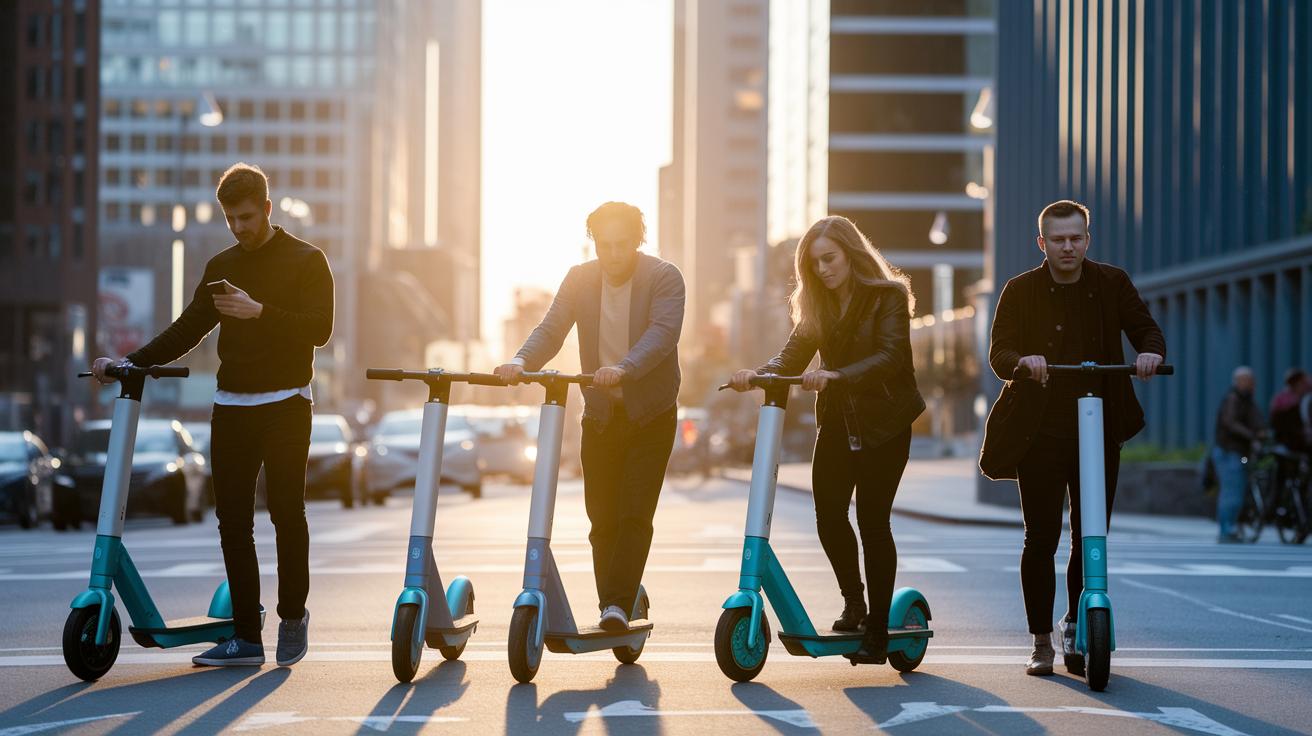
Shared mobility is changing how cities plan and build their transport systems. In many major U.S. cities like Austin, Boston, Chicago, Los Angeles, San Francisco, Seattle, and Washington DC, more people using shared services means fewer personal cars on the road. This shift has cut household transportation spending by 20–30%. For example, heavy users of shared services, known as supersharers, own only half the number of cars compared to regular transit users and save a significant amount each year.
Today’s mobile apps make it easy to pay, see clear pricing, and receive ride suggestions based on current data. These tools improve the user experience and help companies better manage their vehicles. Peer-to-peer platforms such as those offered by car sharing companies have driven down private car ownership by up to 50% among their most active users. This trend allows city officials to invest less in parking structures and more in public transit, bike lanes, and walkable areas.
Experts say that mixing shared mobility into current city setups leads to smarter urban planning. Innovations like dynamic routing (which adjusts routes in real time) and predictive maintenance (repairs before vehicles break down) help use vehicles more efficiently, cut downtime, and reduce traffic. This change in urban travel brings city planning in line with how people really move and supports a greener future.
Early Shared Mobility Models Shaping Urban Transport Transformation

In the 1940s, small car clubs in Switzerland introduced vehicle sharing. Citizens pooled their resources to meet everyday mobility needs during tough times. This early effort set the stage for a more collaborative approach to transport.
By the 1960s, several European cities began testing bicycle-sharing schemes. Many residents rented bikes in public spaces to cut through urban congestion and manage limited resources. This affordable, eco-friendly option hinted at a broader community-based transport future.
In the 2000s, technology took these ideas further. E-hailing platforms and peer-to-peer car-sharing systems built on earlier sharing experiments by using mobile connectivity and real-time data. Dockless e-scooters and expanded bike-share programs added even more choices for city travel. These advances reshaped how commuters get around and now help address congestion, cost, and environmental challenges.
Technological Innovations Powering Shared Mobility for Urban Transportation
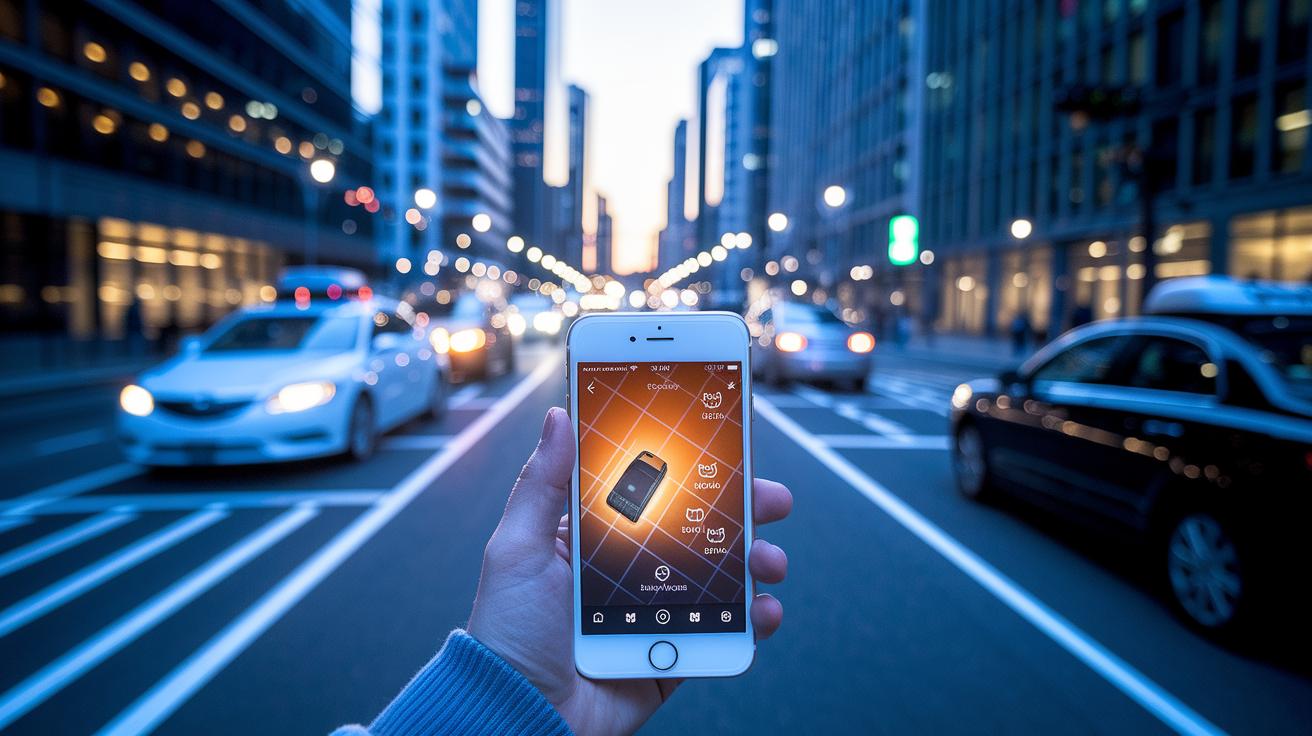
Mobile apps are changing how people use shared ride services in cities. They let you pay easily, show clear pricing, and offer ride suggestions based on your habits. Imagine opening your ride app and quickly seeing a list of vehicles nearby with set fares, much like a digital concierge making your ride planning simple.
Artificial intelligence helps improve route planning. The system looks at real-time demand and traffic to reassign vehicles quickly. This means fleets can run about 20% more efficiently. For example, when an app spots a spike in ride requests in one area, it directs available vehicles there. This process relies on data analytics (methods to study and learn from data) that adapt to the traffic as it changes.
Predictive maintenance uses vehicle usage data to set up repairs before a breakdown happens. This approach cuts downtime by around 15%, ensuring that ride-share services are more dependable. Think of a busy morning where a minor issue is fixed overnight so that your ride is in perfect condition.
Blockchain combined with AI is opening a new path for smart traffic control. Pilot projects now share real-time information among city managers, operators, and users. This helps smooth traffic flow and alerts authorities to potential congestion spots, making urban travel safer.
Together, these innovations build a digital transit system that is quick and easy to use. By merging mobile ride apps with advanced AI, shared mobility systems offer shorter wait times, better route management, and reliable maintenance. This creates a more connected and smoother urban transportation network.
Regulatory and Policy Dynamics Influencing Shared Mobility Integration

Public-private partnerships are crucial for fitting shared fleets into existing transit systems. By pooling money, data, and know-how, these teams help cities keep up with changing travel demands. Local agencies join forces with private providers to line up shared mobility services with broader transit upgrade plans.
New rules are changing the way shared mobility operates. Authorities now set clear vehicle safety standards, require strict data privacy measures, and put limits on emissions. These steps protect riders and support environmental goals. Cities also use zoning pricing, curb allocation rules, and contactless service guidelines to manage demand and promote fairness. For example, a city might reserve key pickup spots during busy times to reduce congestion and boost safety.
Policy makers now check that these rules are followed with frameworks designed for today’s on-demand markets. Integrated mobility planning now includes these policies, pushing service providers to adjust their operations quickly. This blend of smart policy and operational tweaks helps modernize public transit while keeping consumer trust intact.
Local projects are testing these new models, examining their effects on easing traffic and improving service levels. These guidelines serve as a strategic framework that drives the shared mobility revolution in urban areas.
Environmental and Sustainability Impacts of Electric Vehicle Sharing in Urban Transit
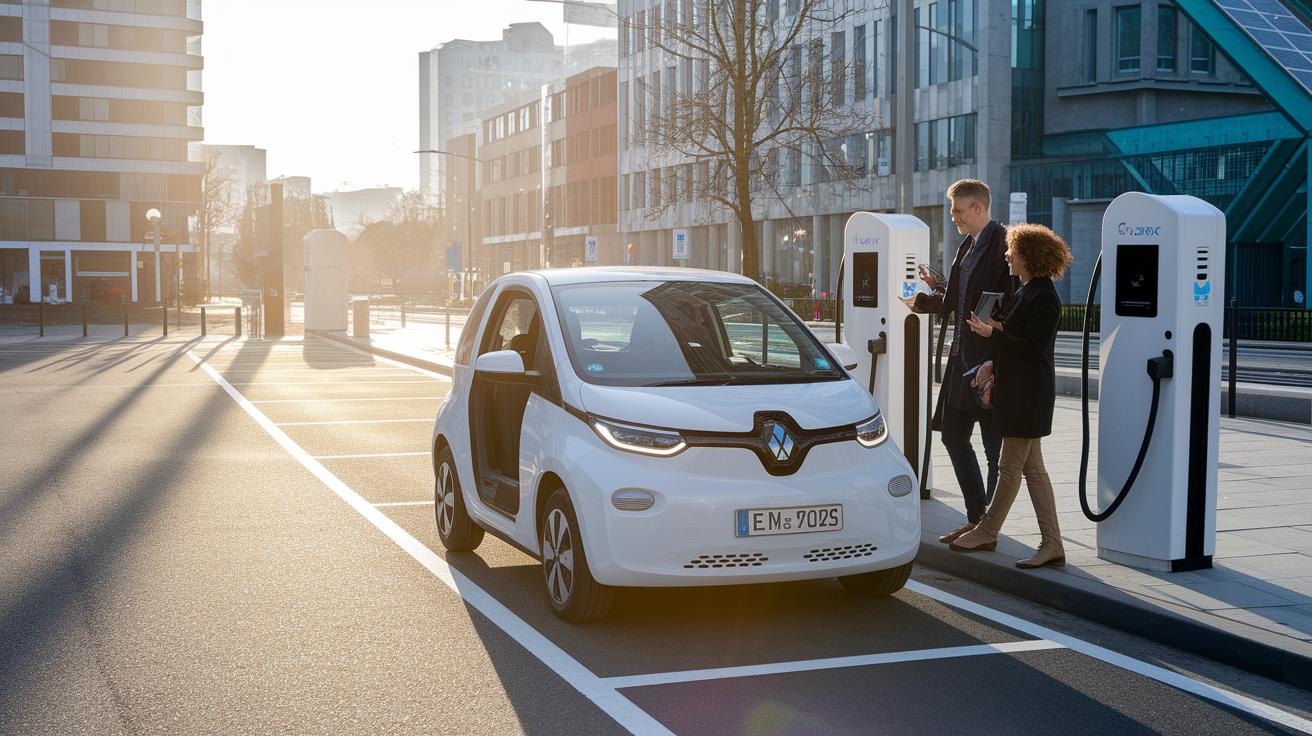
Pilot projects for shared electric vehicles have lowered urban carbon emissions by as much as 30%. They use advanced battery systems alongside renewable energy charging stations to cut emissions over the vehicle's life cycle. Picture starting your day knowing that each shared electric ride reduces emissions by nearly one-third.
Sharing electric vehicles also brings more low-emission travel options to underserved neighborhoods. This not only cleans up the air but also gives residents reliable access to green transportation. In one pilot project, an area with few travel choices saw improved mobility and air quality, proving these programs can benefit entire communities.
Expanding these services does come with challenges. Establishing enough charging stations that run on renewable energy can be expensive and demands careful planning. Decision-makers must invest in strong systems that can handle peaks in demand while supporting long-term sustainability.
| Impact Area | Outcome |
|---|---|
| Carbon Emissions | Up to 30% reduction |
| Lifecycle Emissions | Lower per trip with battery and renewable integration |
| Access in Underserved Areas | Expanded low-emission transport options |
These data points make a strong case for the benefits of shared electric vehicles while highlighting areas where further investment is needed.
Urban Transportation Transformation Case Studies: Shared Mobility in Major US Cities

In Seattle, ride-sourcing and bike-share systems work together to offer clear benefits. A commuter can complete an entire door-to-door trip using shared services. This method improves short-trip connections and drove a 12% boost in transit use. Think of it as finishing a ride and easily hopping on a bike to complete your journey.
San Francisco presents another strong example. Its digital transit app lets residents switch from private car use to micromobility options. A user opens the app, checks available scooters, bikes, and ride choices, then picks the fastest route. This streamlined process cuts car reliance, eases congestion, and reduces travel costs.
Chicago has experimented with a multi-service mobility pilot that changed travel patterns. By combining on-demand rides and bike-share programs, the city reduced single-occupancy vehicle trips by 20% in key areas. This success shows how blending transit options can reshape commuting habits and enhance urban livability.
Boston also explored shared mobility with a bus-on-demand trial that adjusts routes using real-time data. The trial boosted on-time performance by 18%. Picture a bus that reroutes during peak hours to keep service consistent and reduce delays, boosting riders’ confidence.
Together, these examples reveal how shared mobility can shift travel habits in major U.S. cities. By merging technology with traditional transit, cities build integrated networks that cut costs and improve reliability.
Future Trends and Innovations in Shared Mobility for Urban Transportation
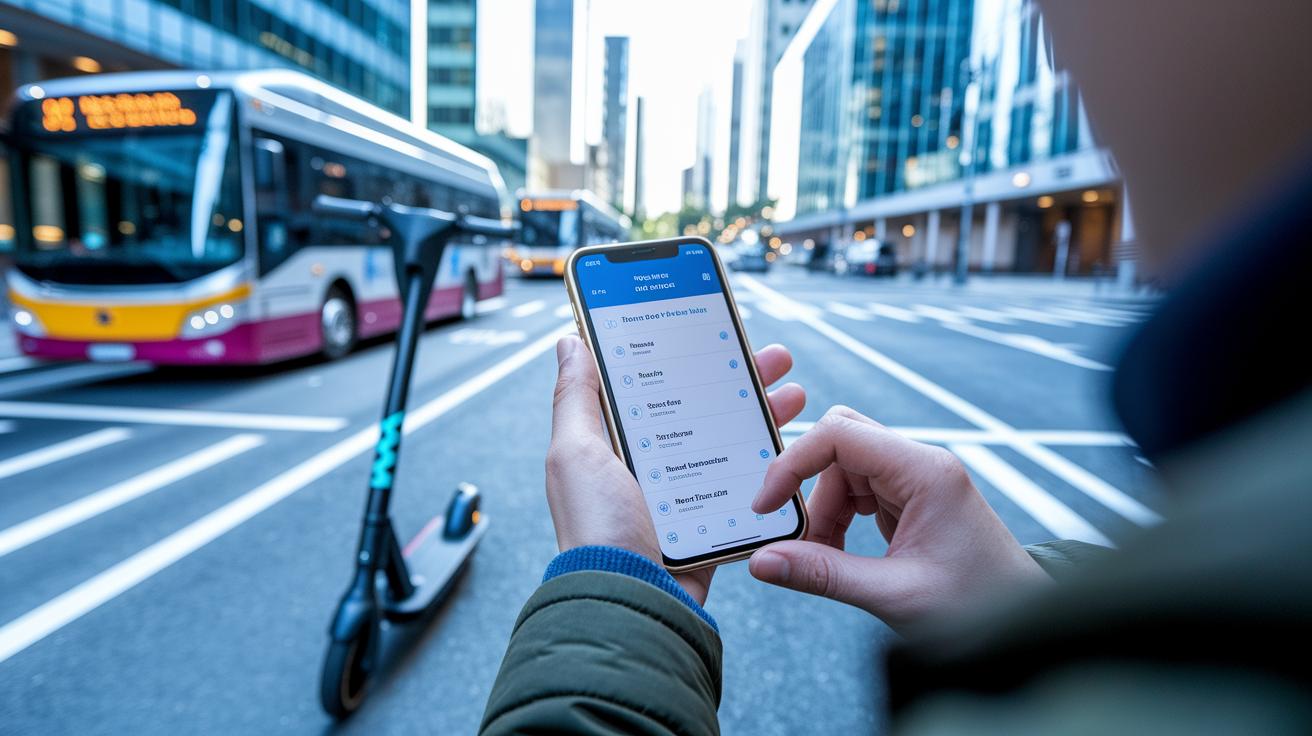
Mobility-as-a-Service (MaaS) platforms are changing how people travel in cities. They combine ride-hailing, micromobility (such as e-scooters), and public transit into one easy-to-use app. Imagine opening an app that not only hails a ride but also shows you the nearest scooter or bus. This smart setup helps travelers move around busy urban areas with ease.
Advanced AI and IoT tools use sensors and data analytics to manage traffic and plan journeys. Think of these tools as a digital guide that offers real-time traffic updates and the best routes. Early tests of self-driving ride-hailing suggest that by 2030, shared driverless fleets could help ease rush-hour congestion. Key points for this future include:
- One app that brings together all travel options.
- Routes that adapt instantly based on traffic and rider needs.
- Driverless fleets that reduce human-related delays.
These trends are laying the groundwork for the next generation of transit systems. Together, they may drive a digital transport revolution that makes city travel more connected and better suited to the needs of today’s commuters.
Final Words
In the action, shared mobility is shifting urban travel dynamics by cutting down private vehicle reliance and boosting public transit use. The post reviewed how early models, tech breakthroughs, and smart regulatory measures have set the stage. Data-backed examples from major U.S. cities show cost savings and better commuter experiences. Urban transportation transformation through shared mobility is paving a cleaner, more efficient path forward. These insights present a practical roadmap for improving city transit while supporting lower emissions and smarter mobility solutions.
FAQ
A: The question explains that shared mobility uses car sharing and micromobility to cut private vehicle use, boost public transit, and lower transportation spending in cities.
A: The question indicates that early car clubs and bike-sharing trials laid the groundwork for modern ride-hailing and dockless e-scooter services that shape urban transport.
A: The question points out that mobile apps for payments, AI-driven dynamic routing, and predictive maintenance streamline vehicle use and enhance reliability for shared mobility services.
A: The question clarifies that public-private partnerships and updated safety, data, and emissions rules help integrate shared mobility services into existing urban transit systems effectively.
A: The question highlights that electric vehicle sharing lowers urban carbon emissions, offers low-emission travel options, and reduces lifecycle emissions with renewable-powered charging points.
A: The question forecasts that future Mobility-as-a-Service platforms, advanced AI, and smart transit ecosystems will offer flexible ride options and hyper-personalized urban transit experiences.