


City deliveries are getting a major boost in efficiency. Urban mobility plans for last mile connectivity are reshaping how packages travel from warehouses to customers. Planners, tech experts, and policy makers are working together to close this gap.
They are using real-time tracking (a tool that shows the current location of a delivery) and smart scheduling to reduce delays and cut costs. Digital tools are redesigning routes and fleet management, setting the stage for smoother and faster deliveries. This post explains how combining technology with careful planning is leading to better last mile solutions.
Holistic Urban Mobility Frameworks for Last Mile Connectivity
City delivery methods are evolving fast. The final leg from seller to buyer is key for success. Urban planners and logistics teams join forces with policy makers, infrastructure experts, and tech professionals to boost speed and reduce costs in last mile delivery. Consider this: before digital mapping revolutionized routes, a small team manually optimized them for urban deliveries.
Travel channels now link storage hubs with transportation and fulfillment systems. This connection cuts delay times between warehouses and vehicles. A practical improvement might be real-time updates that match stock levels with dispatch capacity using digital dispatch methods. Every minute matters during busy delivery times.
Fleet management tools now work with digital dispatch methods and connected fleet solutions. These special platforms give clear views of each delivery step. They enable quick route changes and smart scheduling, similar to urban planning simulations with digital twin technology. Operators use these tools to monitor and reassign vehicles as urban conditions shift.
Local governments and industry partners are also investing in better road networks and urban corridors. Their joint efforts create smoother, high-frequency delivery routes. By blending advanced tech with everyday transit know-how, urban mobility strategies build a stronger and more reliable network for modern commerce.
Technological Innovations Driving Final‐Step Access Solutions
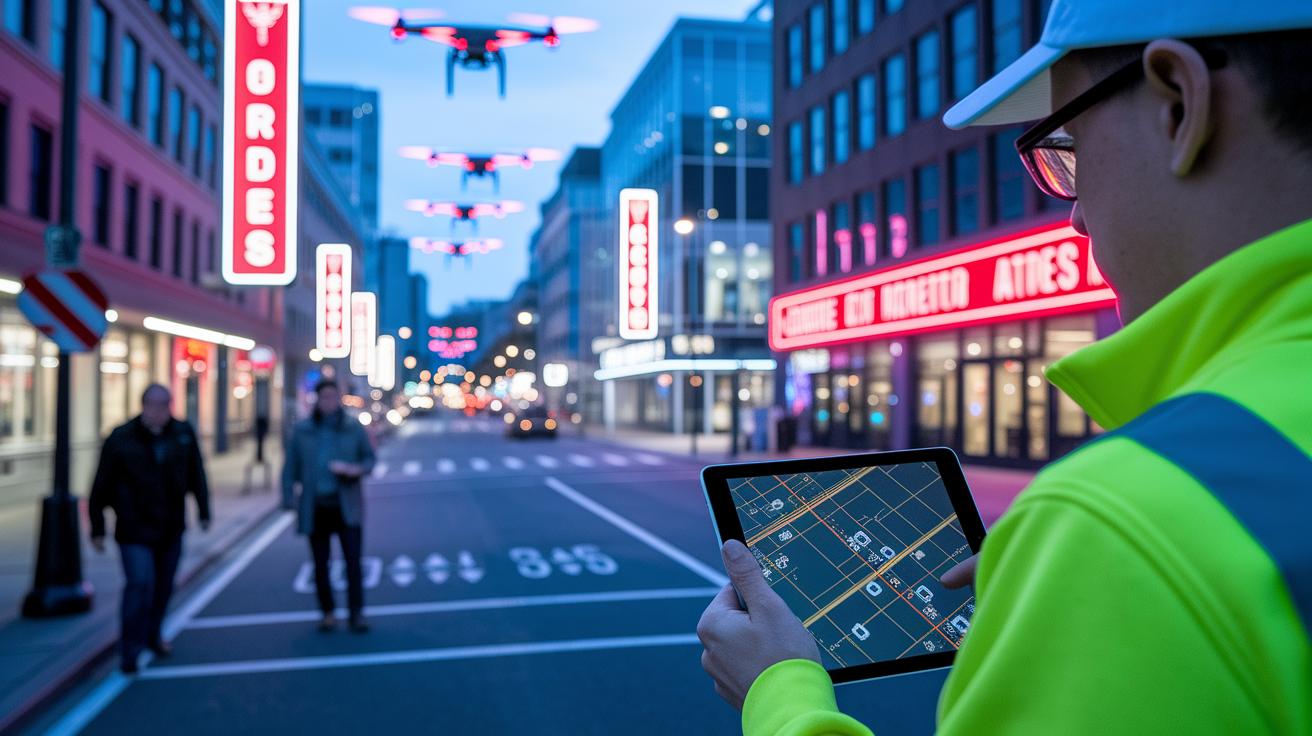
Digital tools and new hardware are changing the way urban deliveries finish. By 2027, more than 75% of last-mile services in Europe will offer near-real-time tracking. This boost makes operations clearer and cuts down on wasted time and high costs.
Platforms that merge fleet management, connected solutions, and automated warehouse systems are driving this change. Smart routing algorithms use live traffic updates to speed up daily tasks and quickly adjust to shifting urban conditions. Real-time journey analytics let dispatchers tweak routes on the fly, minimizing idle stops and keeping goods moving efficiently. For example, if a dispatcher spots a sudden road closure, they can reroute vehicles immediately to ensure deliveries stay on schedule.
Advanced sensors and integrated tracking devices work hand-in-hand with software to give full oversight of the entire logistics chain. This mix of technology minimizes delays and lowers overall costs by optimizing every step from dispatch to doorstep. The result is a final-step solution that saves time and delivers a more cost-effective urban mobility system.
Sustainable Circulation Models With Eco-Friendly Commute Designs
Zero-emission fleets are changing the way cities handle logistics by creating a low-impact, circular network. For instance, Amazon has rolled out 10,000 electric vans in the U.S. and plans to hit 100,000 electric vehicles by 2030. This move cuts emissions and slashes operating costs by reducing fuel and maintenance expenses.
In Europe, plans call for 400,000 electric trucks by 2030 to meet stricter carbon limits. This rollout works hand in hand with urban projects that add small transport options (micromobility) and invest in clean-energy infrastructure. City planners are keeping an eye on these efforts as they adjust transport policies to support efficient, low-impact travel.
Australia is also embracing eco-friendly transport solutions as e-commerce drives innovation. The market is set to grow by 10.4% annually over the next four years. Advanced tools such as drones and delivery robots are being tested to support critical areas like healthcare, where a drone can quickly transfer supplies between hospitals and avoid traffic while keeping emissions low.
By merging zero-emission fleets with micromobility devices and aerial delivery systems, cities are building a resilient transport network. This flexible framework not only supports rapid growth but also enhances urban efficiency and environmental protection.
Optimizing Corridor and Network Design for Metropolitan Transit Blueprints

Urban regions depend on smart corridor planning to move goods and people quickly. Good design starts with a clear look at route density and transfer node efficiency. Planners work to avoid congested routes and place transfer hubs in spots that are easy to access. This careful planning cuts down on traffic delays, saves fuel, and lowers operating costs. In Poland, for example, city planners have set up pick-up and drop-off points at nearly 40 locations per 10,000 residents, a practical model that responds well to local needs.
A metropolitan transit blueprint goes beyond simply building roads. It links warehouses, distribution centers, and transportation management systems to form a cohesive plan. Together, these elements streamline the flow of goods from large storage hubs to final, last-mile delivery areas. Think of it like this: goods move from a warehouse to a central hub and then spread out into smaller delivery zones. This method reduces overlapping routes and makes every segment more efficient.
Smart corridor alignment means carving out dedicated lanes for routes with heavy use. Designers factor in conditions like peak traffic times, driver shift patterns, and seasonal demand changes. Urban planners might separate heavy delivery vehicles from regular traffic or create special zones for last-mile transfers. Such design choices support flexible scheduling and fast route adjustments when needed.
Optimized corridor designs also focus on placing transfer nodes where different types of transport meet. By linking transportation management with warehousing and distribution, cities build a more resilient and accessible transit network. This integrated approach is essential for crafting metropolitan transit blueprints that can keep pace with today’s rapid urban demands.
Intermodal Switching Blueprints and Hybrid Schedule Strategies
Combining various transport methods with flexible scheduling helps lower steep logistics costs. In Africa, where operational costs are three to four times higher than the global average, shifting between road, rail, and air transport is necessary to keep budgets in check. This plan connects different transport modes smoothly, cutting downtime and boosting overall system performance.
Real-time coordination is key in managing fleets. Dispatch centers use smart software that quickly reallocates vehicles, reducing idle time and keeping deliveries on schedule. In the Asia Pacific, synchronized scheduling is more important than ever. For example, India saw an 18% rise in parcel volumes in 2022, and China processed 111 billion parcels. These figures show that hybrid schedule optimization is essential for handling increased volumes while maintaining reliable service.
Flexible timetabling lets different carriers work together and adjust quickly. This method improves route management and keeps last-mile services steady even during unexpected delays or demand surges. Every vehicle reassigned in real time makes the network more efficient and strengthens delivery precision.
Leveraging Shared Ride Programs and Connected Carrier Fusion

Urban logistics are changing as shared ride programs join forces with dedicated package carriers. Recent numbers show that almost 18,000 last-mile carriers entered the US market in 2023. This growth makes working together essential. Ride-hailing, bike-share, and freight services are now linked to offer smooth, door-to-door delivery. By combining systems that once worked separately, companies can assign drivers more efficiently and extend service reach.
Platform-based multi-operator systems let businesses pool resources, coordinate schedules, and choose the best routes in real time. For example, dispatch teams use technology that connects passenger and freight fleets. This reduces empty miles and boosts productivity. With dynamic vehicle matching, similar to how ride-pooling cuts wait times, a dispatcher can spot a coverage gap and reassign a nearby bike-share or ride-hailing vehicle immediately, ensuring a smooth last-mile transition.
This new integration not only cuts costs but also improves customer service. Merging different transport modes builds a service that stands strong during busy times or unexpected changes. By combining shared ride programs with established delivery networks, operators can provide reliable, flexible, door-to-door logistics. In doing so, they lower barriers, reduce empty trips, and turn urban mobility into a connected, innovative service network.
Data-Driven and Predictive Scheduling Models in Urban Mobility
City transportation managers now use predictive algorithms together with interactive travel models and virtual carrier simulations to adjust urban mobility on the fly. For instance, a dispatcher might get an alert saying, "Heavy build-up on Main Street; redirect vehicles now," which combines past trends with live updates for quick decisions.
These advanced models work by calculating the best departure times and modifying routes using data from city sensors and mobile devices. Operators can also run simulations to explore different scenarios, such as shifting 20% of vehicles from less busy areas to high-demand ones immediately.
This approach improves system performance by continually learning from traveler trends and on-road conditions. It involves:
- Collecting live data from sensors and mobile tracking
- Running virtual simulations to test scheduling strategies
- Using machine-learning tools that adjust predictions as patterns change
Overall, these methods help urban mobility systems respond faster, reduce wait times, and smooth out last-mile operations.
Policy Frameworks and Public-Private Partnerships for Scalable Delivery Logistics
Government programs and private investments are teaming up to boost last-mile delivery networks while cutting emissions and promoting fair access. The UK PACT initiative, for example, works with nations like Brazil, India, and Kenya to build clean, smart urban transportation. This collaboration sets clear policies, upgrades infrastructure, and funds pilot projects in cities.
Investment funds such as the Amazon Regional Fund and the ASEAN-UK Green Transition Fund help cities buy electric vehicles and update transit systems. These funds supply targeted resources that allow urban areas to expand low-emission fleets and modernize transport networks cost-effectively. City transit reforms also rework routes and schedules to offer more equitable service.
Key measures include:
- Government-backed funding that lowers risk for private investors
- Incentives for increasing electric fleets and modernizing transit infrastructure
- Partnership models that combine urban planning, new technologies, and regulatory changes
Public-private partnerships are central to global discussions at COP30. This collaborative approach, linking local, national, and international efforts, is driving last-mile logistics toward a more sustainable and fair future.
Final Words
In the action, the post outlined a unified framework for tackling last-mile challenges by focusing on technology, infrastructure, and policy. It broke down the building blocks of efficient routing, dynamic fleet management, and sustainable circulation design. Each section revealed actionable insights that help refine scheduling, improve intermodal transfers, and boost service reliability.
These measures set the stage for smarter decisions and competitive positioning, all while mitigating regulatory and operational risks with urban mobility strategies for last mile connectivity solutions.
FAQ
Urban mobility strategies for last mile connectivity solutions pdf
The urban mobility strategies outlined in the PDF focus on integrating policy, digital dispatch methods, and tech-driven travel channels to enhance last mile connectivity in cities. They streamline deliveries and reduce congestion.
How can transforming urban logistics create sustainable and efficient last mile delivery in cities?
Transforming urban logistics redefines last mile delivery by integrating supply chain components, advanced fleet management technology, and eco-friendly vehicles. This process cuts emissions, reduces delivery times, and boosts city-wide cost-efficiency.
What does the systematic literature review on sustainable urban last-mile logistics cover?
The review examines current research on eco-friendly delivery practices, operational challenges, and emerging technologies. It offers insights that guide policy decisions and drive green innovations in city logistics.
What impact does e-commerce last-mile delivery have on environmental sustainability?
E-commerce last-mile delivery impacts environmental sustainability by contributing to higher emissions and urban congestion, prompting shifts toward electric fleets, optimized routing, and cleaner operational practices to lower the carbon footprint.
What insights are provided by the last-mile delivery report and its PDF version?
The last-mile delivery report compiles data and trends that help analyze performance metrics, pinpoint obstacles, and unveil innovative solutions for efficient urban delivery operations, benefiting industry leaders and policymakers.
What challenges are faced in last-mile delivery operations?
Last-mile delivery challenges include congestion, inefficient routing, rising emissions, and escalating delivery costs. Addressing these problems entails improved technology integration, enhanced infrastructure, and a shift toward eco-friendly transport methods.
What is last mile mobility?
Last mile mobility refers to the final stage of transporting goods from the hub to the consumer. It is critical to overall supply chain performance and plays a major role in customer satisfaction.
What are urban mobility solutions?
Urban mobility solutions span digital dispatch, integrated travel channels, and smart routing systems that improve the connectivity and efficiency of deliveries. They contribute to streamlined city logistics and reduced operational delays.
What strategies are recommended for achieving sustainable urban mobility?
Recommended strategies combine zero-emission fleets, public-private collaborations, digital tracking, and holistic urban planning. These methods aim to lower emissions while improving overall transport efficiency in urban environments.
Which solutions help optimize last mile delivery?
Solutions that optimize last mile delivery include digital dispatch methods, predictive scheduling, and shared ride programs. They enhance visibility, minimize idle time, and align multi-operator services for faster, more reliable city deliveries.