
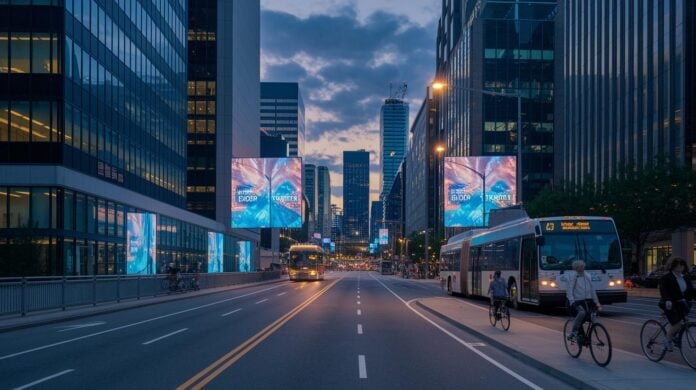

Can smart technology change our daily commutes? Urban travel is transforming as digital tools like smart sensors and artificial intelligence (computers that learn and make decisions) reduce waiting times and improve route planning. Transit firms are moving from quick fixes to proactive solutions that tackle challenges before they arise. Connected devices and real-time data work together to make rides smoother and safer. This digital change is not just about faster trips; it is about making every journey work better for passengers.
Defining Urban Mobility Innovations and Digital Transformation
Digital transformation in transportation means integrating digital tools into every part of transit systems. It updates traditional operations with smart sensors, data analytics, and digital platforms to improve efficiency and safety. The global market for digital transformation in mobility is set to grow at a 27.6% compound annual rate from 2024 to 2030, showing a clear shift toward technology-powered transit.
Urban mobility innovations improve route planning, predictive maintenance, and customer experience. For example, 64% of mobility companies now invest in AI-driven solutions that optimize routes and forecast maintenance needs. This shift helps transit systems move from reactive fixes to proactive management, addressing issues before they affect service.
Key technologies such as AI, IoT (Internet of Things, devices that share data), and enhanced connectivity drive these changes. Fast data exchange through networks like 5G and LoRaWAN enables real-time decisions while linking different transport modes. Today, 9,584 companies focus on 5G and 1,016 on LoRaWAN, backed by over 76,200 patents. This strong connectivity transforms digital travel platforms into comprehensive hubs that deliver seamless transit information and boost operational agility.
Adopting these technologies creates smarter transportation systems that adjust to changing conditions. The digital overhaul offers urban commuters more reliable and efficient travel while empowering transport operators to manage rising demand and improve overall performance. Consider this: advances in connectivity and AI have significantly reduced wait times in cities that have embraced these digital systems.
Applying IoT and Connectivity in Urban Mobility Innovations
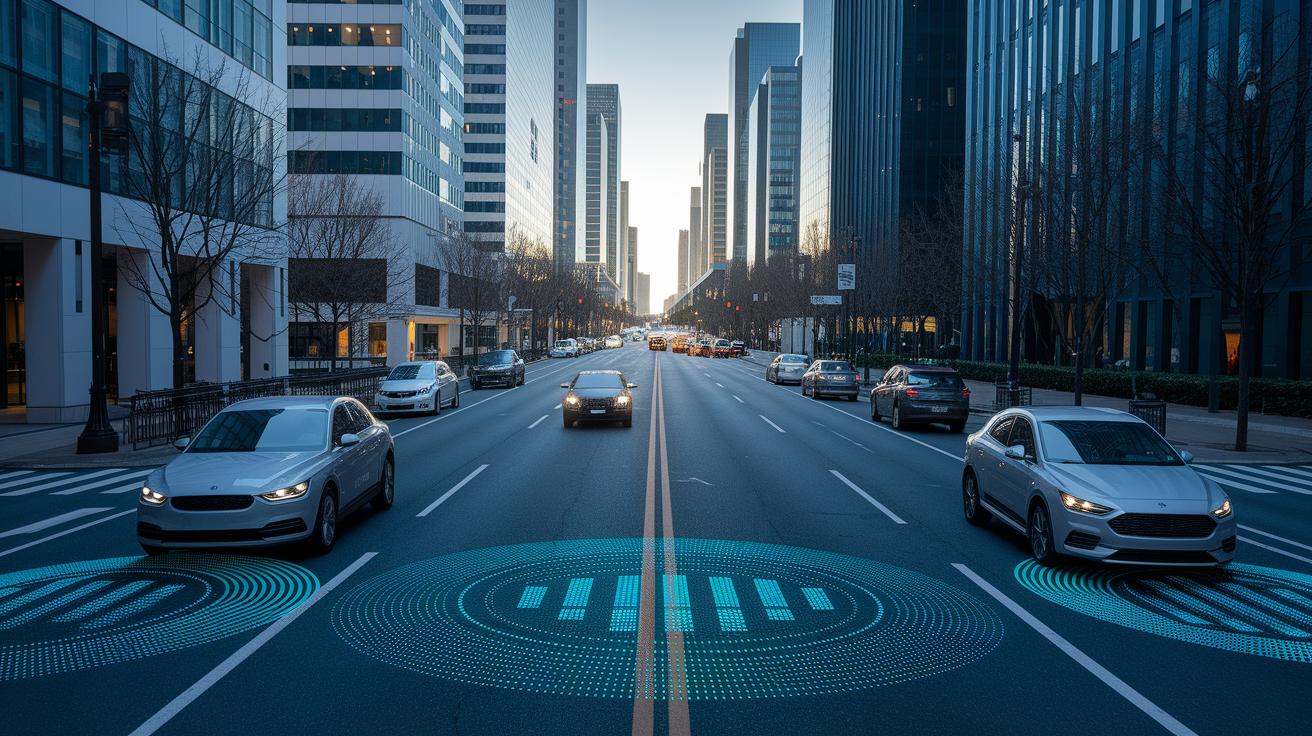
Today, IoT devices and fast networks are changing urban travel. They build a connected system that makes transit safer and more efficient. Sensors in vehicles and infrastructure gather live data, which is then processed by AI. This technology has already cut front-to-rear crash rates by 43% and reduced injuries by 45%. These improvements show how updating digital systems can boost overall transit safety.
The IoT sector now includes over 56,000 companies, and annual search interest is up by 31.55%. This growth reflects a quick move toward connected vehicle systems. Technologies like 5G, used by 9,584 companies, and LoRaWAN, with 1,016 companies, enable speedy data sharing. This fast exchange is essential for fleet monitoring and smart transportation systems.
For example, on a busy morning in a major city, a connected transit network used real-time tracking to alert operators about a sudden road blockage. This quick notice allowed operators to reroute buses promptly, reducing delays.
Transit agencies can now monitor fleet performance as it happens. They can optimize routes and even simulate traffic with virtual replicas to plan better. By tapping into IoT-enabled travel networks, urban mobility is not only becoming safer but also more adaptable to the ever-changing city landscape.
AI and Data Analytics Transforming Digital Transit
AI is changing how transit systems work. Instead of waiting to fix problems after they occur, transit operators now spot issues before they become serious. Seventy-five percent of business leaders believe that advanced AI gives them a competitive edge, and experts expect these tools to boost productivity by about 30–32% by 2030. There are over 107,000 companies focusing on AI worldwide, all working to improve scheduling and make services more reliable.
Companies like Uber have already shown that machine learning can reduce rider wait times by up to 30%. This example proves that real-time mobility data can help reduce delays and keep passengers happy. By moving away from the old “fix-it-when-it-breaks” approach, transit networks now use predictive maintenance to spot problems early and avoid disruptions.
Transit operators also use dynamic routing to adjust schedules based on passenger demand and traffic. This data-driven planning lets them allocate resources efficiently, resulting in smoother services and fewer interruptions. Analytics platforms take large amounts of mobility data and turn it into practical steps that improve both service quality and efficiency.
Advanced AI tools further support quick decision-making by tracking trends across vast networks. This blend of predictive maintenance and machine learning not only enhances current services but also paves the way for future innovations in digital transit. For more on the benefits of generative AI, see Future of AI.
Autonomous and Electrified Public Travel within Smart Transportation Systems
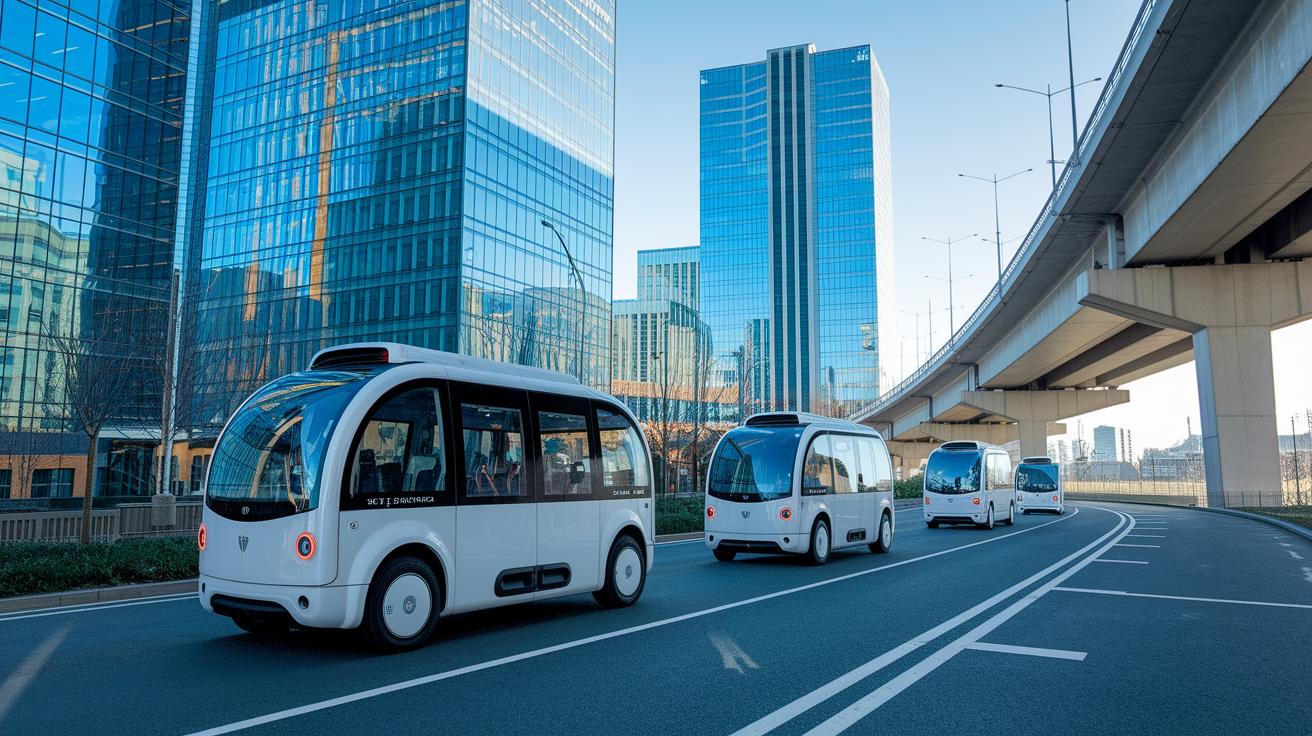
Autonomous shuttles and electric transit vehicles are changing how our cities move. The self-driving vehicle market is expected to hit around USD 980.7 billion by 2040, growing at a 23% annual rate. This rapid growth is fueling pilot projects like Waymo’s robotaxis, now being tested on Los Angeles freeways. Government backing speeds up progress too, for instance, the UK has committed EUR 100 million to autonomous vehicle research and development.
Electric public vehicles, such as buses and trams, play a key role in cutting urban pollution. These vehicles help cut carbon emissions while handling the growing travel needs of city dwellers. Manufacturers are also adding new tech like solid-state batteries (a type of battery designed for longer use) and wireless charging. These updates allow the vehicles to cover longer routes without needing frequent stops for a charge.
Hydrogen fuel cells offer another breakthrough. With this tech, vehicles could travel up to 1,000 km on a single refill. This makes them especially useful for long-distance routes and busy city corridors, where efficient refueling can create big operational benefits.
Real-world tests, like autonomous shuttle services in select urban areas, pave the way for broader adoption. These projects blend advanced hardware with smart software to manage routes and ensure safety. As city travel evolves, merging driverless and electric solutions will be key to creating a durable and eco-friendly transportation network.
Integrating Mobility-as-a-Service Models for Seamless Digital Travel Platforms
Mobility-as-a-Service (MaaS) brings different travel options together in one simple digital hub. More than 656 companies are now in this space, and interest in these platforms has grown by over 35% each year. These systems help riders plan trips, book tickets, and make payments all from one place.
Transport for Wales and Hitachi provide a clear example. They created a digital booking system that connects buses, trains, bikes, and ride-sharing services. For example, one tap on a MaaS app can set a commuter on a journey using three different transit methods. This approach gives real-time information and flexibility, making travel decisions easier by eliminating the need to manage separate services.
These platforms empower users to plan and manage trips across multiple modes with a single payment method. By combining route planning and payments into one process, MaaS makes the travel experience smoother while reducing the workload for service providers.
Overall, MaaS supports better resource use and cuts down delays. It helps transit agencies and private operators adjust to changing travel patterns, resulting in more reliable journeys in urban areas. This model meets the fast-paced needs of today's commuters and paves the way for smarter, more flexible city transit systems.
Smart Infrastructure and Traffic Flow Management for Citywide Connectivity
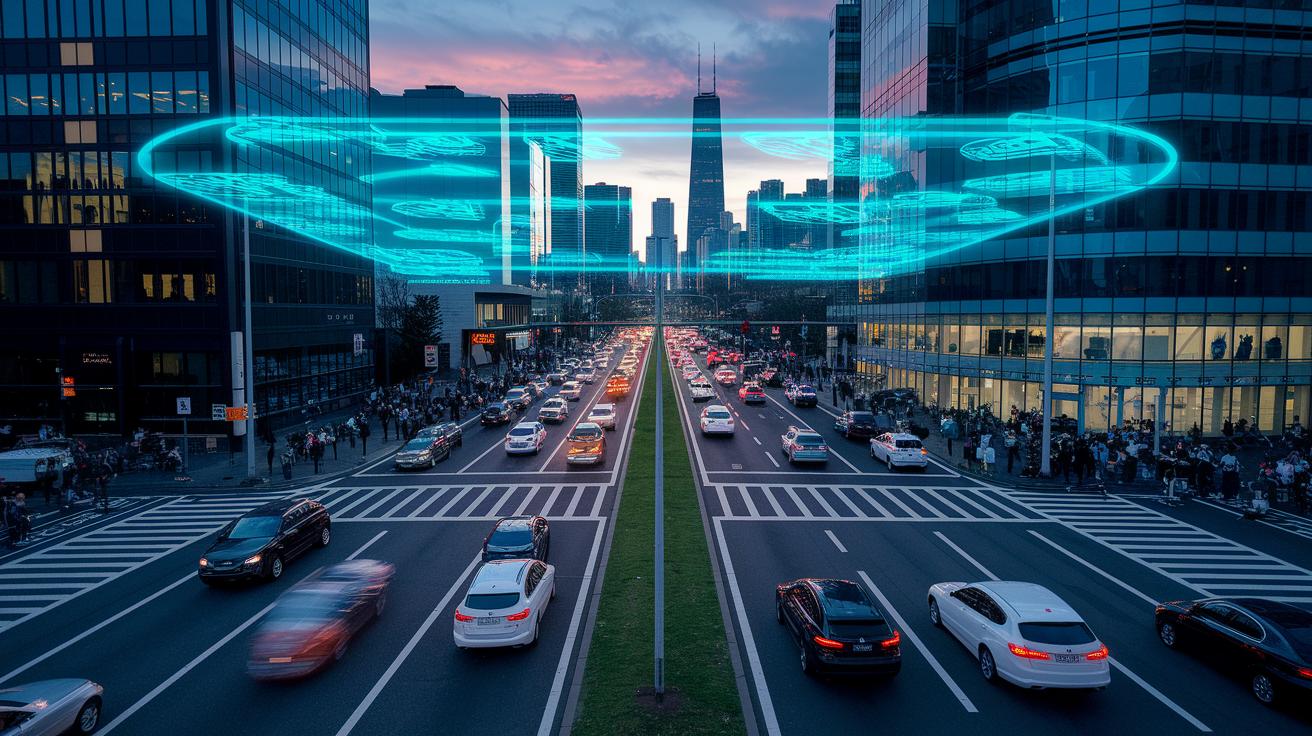
Cities are using digital twins, virtual copies of traffic systems, to test changes before implementing them in the real world. This approach helps planners make fast, data-driven decisions. The market for digital twins is expected to reach USD 110.1 billion by 2028, growing at 61.3% annually, with over 5,870 companies and 6,160 influential patents driving innovation.
Cloud-based transit platforms now work with IoT sensors placed throughout the city. These sensors track vehicle speeds, traffic density, and signal performance. Real-time data flows into cloud systems that adjust signal timings to reduce congestion. For example, one city's system used live sensor data to alter traffic light cycles during a major event, successfully easing congestion on key routes.
Advanced traffic analytics also improve last-mile delivery and public transit reliability. Smart infrastructure acts as a central hub, providing instant updates on road conditions to buses, emergency vehicles, and others. This setup enables fast responses to emerging bottlenecks, reducing delays and boosting overall network efficiency.
Effective traffic management today relies on virtual models, instantaneous data, and agile cloud services to keep urban mobility running smoothly.
Policy Impacts and Regulatory Frameworks Shaping Urban Mobility Innovations
Regulations drive how transit systems adopt digital technology. Governments everywhere are updating safety rules for self-driving vehicles and adjusting to new environmental and data privacy standards. These changes influence how fast urban transport operators roll out digital solutions. When data systems remain fragmented between public agencies and private companies, a unified framework is needed to enable smooth information sharing. Centralized oversight can help integrate digital systems and better protect passenger data.
Government incentives also shape the future of city transit. For example, a EUR 100 million research and development grant in the UK has sped up the progress of autonomous vehicle technology. Such funding helps overcome delays caused by different regional rules and connects diverse regulatory areas.
Key policy challenges include striking the right balance between strict safety requirements and the need for quick innovation. There is also the ongoing task of building digital infrastructures that meet new data privacy demands. Focused policies and targeted funding are paving the way for a transport system where technology and regulation work together to boost urban mobility.
Future Trends and Outlook for Next-Generation Travel Solutions
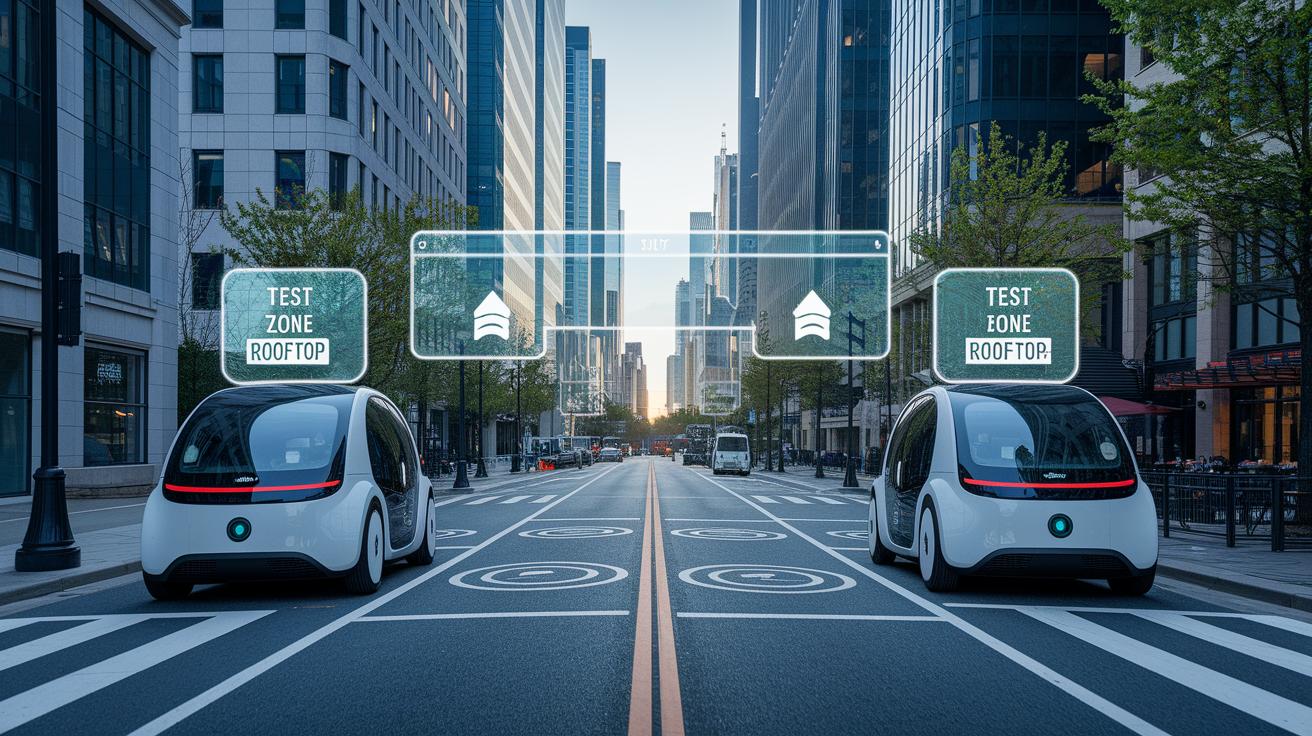
Next-generation travel solutions are reshaping city transportation. Level 5 autonomous ride-hailing fleets will soon debut in geofenced areas that allow for secure, controlled testing. New breakthroughs in solid-state batteries and wireless charging are extending the performance of electric vehicles. In addition, hydrogen fuel cells could enable vehicles to travel up to 1,000 km on a single refill.
Augmented reality (AR, which overlays digital information on real-world views) and virtual reality (VR, digital simulations) are also entering transport interfaces. Their growth rates are expected to hit 17.6% and 38.03% respectively, enhancing digital twin experiences and training modules.
Safety and security are set to improve significantly. The cybersecurity market for mobility is forecast to reach USD 271.91 billion by 2029, growing 7.58% annually. Blockchain technology is emerging as a key component with support from over 42,100 companies and 86,100 patents, which helps secure ride-matching and payment systems.
Mobility analytics platforms are likely to deliver more in-depth insights. These platforms will aid in planning forward-looking urban mobility strategies by integrating various digital innovations. All of these developments are paving the way for a coordinated evolution in digital transit solutions, and planners and operators need to adapt quickly.
Final Words
In the action, we explored smart transportation systems, IoT connectivity, AI-powered transit operations, autonomous and electrified public travel, and integrated Mobility-as-a-Service models. Each section shed light on key tech drivers such as AI, 5G, and digital twin simulations, while also discussing regulatory influences and market forecasts. These insights offer a clear view on urban mobility innovations and digital transformation in transportation. The trends highlighted here equip business leaders with valuable context to prepare for future investments and strategic moves in this dynamic sector.
FAQ
What does digital transformation in urban mobility mean?
The digital transformation in urban mobility means integrating technologies like AI, IoT, and advanced connectivity to improve transit operations, optimize routes, and enhance customer experiences while driving market growth.
How do IoT and connectivity improve urban mobility?
The use of IoT devices and high-speed networks in urban mobility improves safety through real-time monitoring, optimizes route management, and supports responsive service adjustments for a more efficient transportation ecosystem.
What role does AI and data analytics play in digital transit?
The application of AI and data analytics in digital transit means using algorithms to adjust schedules, predict maintenance, and cut wait times, thereby enhancing service reliability and operational efficiency for transit providers.
How do autonomous and electrified public travel systems impact urban transit?
Autonomous and electrified travel systems impact urban transit by introducing driverless shuttles and electric buses that reduce pollution, improve energy use, and offer a more efficient, modern alternative for public transportation.
How do Mobility-as-a-Service models simplify travel planning?
Mobility-as-a-Service models simplify travel planning by integrating various transport options into a single platform, allowing users to plan routes, purchase tickets, and access multiple services seamlessly in one consolidated experience.
How does smart infrastructure improve city traffic flow management?
Smart infrastructure uses virtual traffic models, cloud-based platforms, and sensor data to adjust signal timings and manage congestion, resulting in smoother traffic flows and more reliable last-mile delivery across the city.
How do policy and regulatory frameworks shape urban mobility innovations?
Policy and regulatory frameworks shape urban mobility innovations by setting safety standards, addressing data privacy, and supporting funding initiatives, all of which define project timelines and influence technology adoption in transit systems.
What future trends can we expect in urban transit solutions?
Future trends in urban transit solutions include the adoption of advanced connectivity, improved battery technologies, and secure digital platforms, which collectively boost service efficiency and support the next generation of digital mobility innovations.