

Is your workplace really safe? Many job sites hide risks that put employees in danger every day. Blocked exits, wet floors, and broken equipment aren’t just small issues, they can cause serious accidents and hurt morale.
This article explains common warning signs and shows how fixing them can create a safer, more efficient work environment. Discover how simple changes can protect your most valuable asset: your team.
Recognizing Unsafe Working Conditions: Definitions and Key Criteria
An unsafe work environment is one where workers face clear dangers that stop them from doing their jobs safely. This setting puts employees at high risk for serious injuries or even death. For example, a factory with blocked emergency exits and slippery floors doesn't just slow work, it creates a dangerous space that can lead to accidents.
Obstructed paths, faulty machines, and missing safety guards are all signals of risk. Poor lighting and bad ventilation also add to the hazards. When workers are forced to operate in these conditions, accidents become more likely, morale drops, and productivity suffers.
A simple way to spot an unsafe environment is to ask if the hazards stop workers from doing their jobs safely. Picture a warehouse with broken racks and cluttered aisles that slow down emergency evacuations. This example shows why fixing both physical obstacles and environmental faults should be a top priority.
Employees should know these warning signs. Timely action to identify and fix hazards not only protects workers but also keeps work flowing smoothly.
In one incident, a simple spill left workers dodging slippery floors, resulting in multiple injuries before the hazard was addressed.
Identifying Occupational Safety Hazards in Unsafe Working Conditions
Physical and Ergonomic Hazards
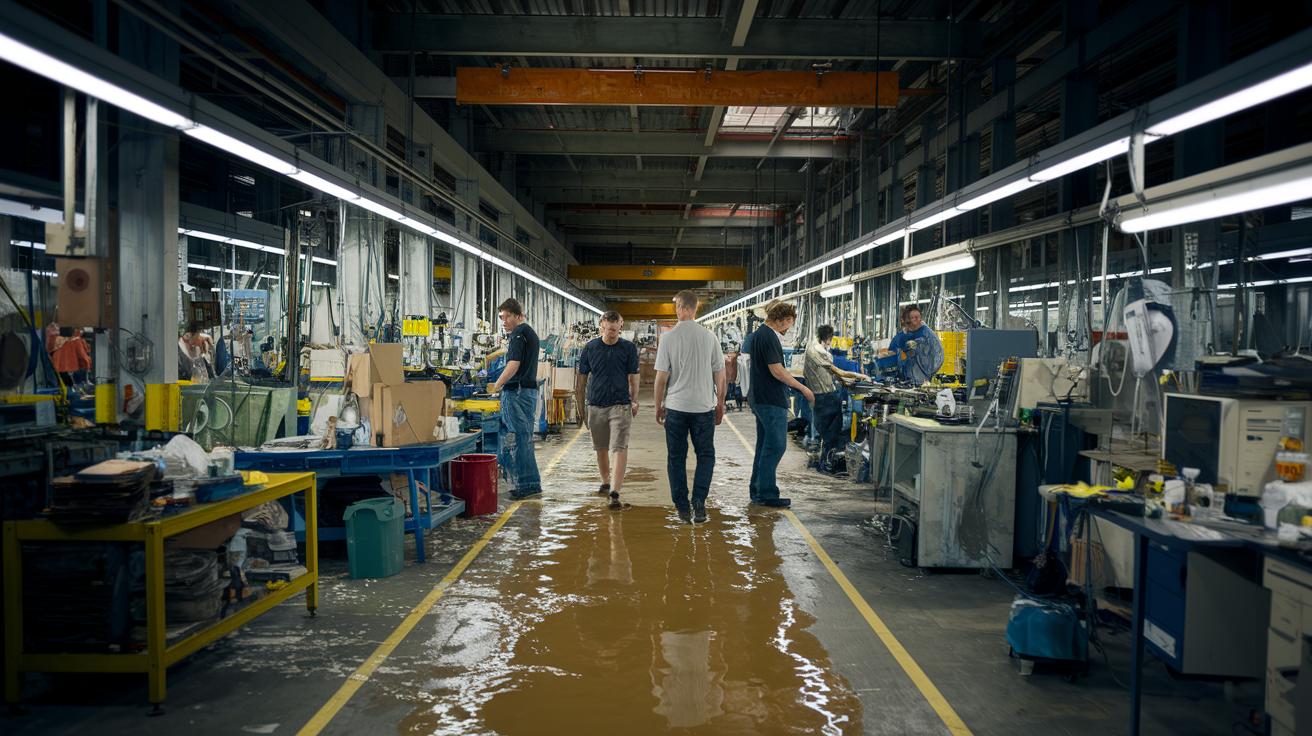
Work sites can put workers at risk with physical and ergonomic issues. Floors may be slippery, machines might be faulty, and safety guards can be missing. This raises the chance of slips, trips, and fractures. Think of a factory floor with an uncleaned spill forcing workers to navigate around it. Malfunctioning conveyor belts or outdated tools also add danger. Regular checks and maintenance can help keep risks low.
Environmental Hazards
Environmental problems at work are another concern. Cluttered spaces, poor lighting, and limited ventilation disrupt daily tasks and block key exit routes. Picture a warehouse with boxes piled up in a disorderly way, making it hard to evacuate during an alarm. In tight areas, poor airflow may let harmful fumes build up, leading to breathing issues or even explosions. Simple layout planning and regular audits can reduce these risks.
Psychosocial Hazards
Safety issues aren't just physical. Harassment, excessive stress, and unrealistic workloads can distract workers and lead to mistakes. When employees face constant pressure or interpersonal conflicts, they may miss important safety steps. For instance, a stressed worker might overlook a tool left out, leading to an accident. Tackling these problems alongside physical hazards can foster a safer and more supportive workplace.
Employer Responsibilities and Regulatory Compliance for Unsafe Working Conditions
Federal and state laws require employers to keep work environments safe. Businesses must follow OSHA standards and state rules, like those in Arizona, to prevent unsafe conditions. They are legally required to fix hazards immediately to protect workers.
Employers need to enforce proper PPE policies (personal protective equipment like gloves and helmets) and regularly inspect work sites for dangers. Routine checks help find problems such as faulty machinery or cluttered spaces that could lead to accidents. Quick fixes lower the risk of safety violations. OSHA sets the safety rules, inspects sites, and offers guidance on best practices.
Key responsibilities include:
- Setting and enforcing PPE policies to keep workers safe.
- Conducting regular site inspections to spot hazards early.
- Correcting issues swiftly to meet OSHA standards.
- Training employees on safety procedures and how to report risks.
Failure to follow these rules can lead to serious consequences. Employers may face heavy fines, legal action, and high workers’ compensation costs. Repeated neglect of safety can also harm a company’s reputation. It is important to review and update safety protocols regularly to ensure a secure work environment for everyone.
Reporting Unsafe Working Conditions: Procedures and Legal Protections

Internal Reporting Channels
If you notice unsafe conditions at work, start by writing down every detail. Record dates, times, and clear descriptions of the hazard. For instance, if a crowded factory floor blocks an emergency exit, note what the risk is and where it occurs. Share this report with your supervisor, safety officer, or HR representative. Creating a clear written record shows you are following the proper steps and may speed up fixes.
OSHA and Federal Complaint Procedures
If your employer does not act after you report the problem internally, you can contact federal regulators. OSHA lets you file a complaint online, by phone, or by mail. You can choose to keep your identity private. When filing, include a detailed account of the risks and explain how they affect safety and work. This formal report can trigger an official inspection and reminds employers to meet safety standards.
Whistleblower and Refusal Rights
When faced with immediate danger, you have the legal right to refuse work that puts your safety at risk. This protection also covers whistleblowers who report safety issues. For example, if you are asked to use machinery without proper guards, you can lawfully decline until the problem is resolved. By standing up for your safety, you not only protect yourself but also help build a work culture where safety is non-negotiable.
Legal Recourse and Compensation for Unsafe Working Conditions
If you're injured at work because of unsafe conditions, you may be entitled to financial help for medical costs and lost wages. One way to get this help is to file a workers' compensation claim. This benefit is designed to provide prompt relief. However, once you file this claim, you usually cannot sue your employer further unless you can prove that their negligence was extremely serious.
In states like Connecticut, if an employer shows gross negligence, injured workers might be able to file a personal injury or wrongful death lawsuit. This option applies when dangerous work practices directly lead to harm. For example, if an employer ignores repeated safety warnings that result in severe injuries, workers might have a valid case to challenge those practices.
To build a strong claim, it's important to thoroughly document any hazards. This means noting risks like malfunctioning equipment or blocked emergency exits and reporting them through the proper channels. By collecting clear evidence of unsafe conditions, you can help prove that these risks were a major factor in your injury. Courts will only take cases forward if there is strong evidence that poor safety standards caused the harm.
Real-Life Case Studies of Unsafe Working Conditions

Real-life case studies show how missed safety measures can quickly turn into serious incidents and expensive fixes. Reports from OSHA and internal reviews prove that ignoring basic safety rules leads to real problems. When machine guards are missing, exits are blocked, or extreme heat is not managed, workers get hurt and companies face fines and forced upgrades.
Below is a table that outlines three case studies. Each case shows common risks on the job and the outcomes after dangerous working conditions were found. In one case, a manufacturing plant was hit with a stiff fine after inspectors found missing machine guards that left workers near moving parts. In another, a warehouse had cluttered aisles and blocked exits that slowed down emergency evacuations, leading to a full safety review and mandated changes. At a construction site, extreme heat without proper cooling led to multiple worker complaints and a subsequent update of safety protocols. These cases highlight why managing hazards and enforcing safety standards is essential.
| Hazard Type | Industry | Reported Outcome |
|---|---|---|
| Missing Machine Guards | Manufacturing | OSHA fine; mandatory safety upgrades |
| Blocked Exits | Warehousing | Safety overhaul; enforced corrective actions |
| Extreme Heat Exposure | Construction | Revised safety protocols; improved worker protection |
These case studies clearly show that dangerous work environments put employers at risk for liability. They stress the need for constant safety monitoring and quick fixes to keep both workers and business operations safe.
unsafe working conditions: Empower Your Workplace
Enhanced Safety Training Programs
Companies can boost safety by holding regular drills, teaching proper use of personal protective equipment (PPE), and leading hands-on workshops to spot hazards. For example, run a drill each month that simulates a fire or a chemical spill. These sessions help workers learn the right steps and build confidence in an emergency. A clear training plan lets teams catch risks early before they turn into serious accidents.
Proactive Site Inspections and Audits
Regular walkthroughs and audits help find risks before they cause injury. Use a checklist to look for issues like broken equipment or blocked emergency exits. One useful tip is to have a dedicated safety team review the reports after each inspection. Following up on fixes builds a proactive approach that keeps hazards under constant review and control.
Emergency Preparedness and Response
A solid emergency plan covers fires, chemical spills, and medical situations with clear, step-by-step instructions. Develop detailed plans that include evacuation paths, safe meeting spots, and designated first responders. Regular drills under controlled conditions help everyone understand their role, so they can act quickly when needed. Strong communication and well-stocked emergency kits add an extra layer of safety.
Cultivating a Safety-First Culture
Building a safety-first culture starts with leaders and involves everyone. Set up safety committees where employees can share feedback or suggestions anonymously. Encourage teams to raise concerns without fear by establishing clear reporting lines. When leaders show that safety matters, it reinforces that following OSHA rules is a key value that protects every member of the organization.
Final Words
In the action, we defined unsafe working conditions and broke down the hazards workers face, from physical mishaps to environmental and psychosocial stressors. We outlined employer duties, detailed reporting methods, and explained legal options for those exposed to dangerous setups. Real-life cases showed how neglect leads to serious risks while best practices indicate a clear path to prevention.
Staying proactive and addressing unsafe working conditions not only strengthens compliance but also builds a safer workplace for all.
FAQ
Unsafe working conditions lawyer
The unsafe working conditions lawyer assists workers in asserting legal rights when hazardous work environments threaten well-being. They provide guidance on filing claims and navigating regulations to hold negligent employers accountable.
OSHA unsafe working conditions
The OSHA unsafe working conditions refer to workplaces that violate established safety standards. Such violations trigger inspections and potential penalties when hazards like defective equipment or blocked exits are found.
Unsafe working conditions heat
The unsafe working conditions heat describes scenarios where extreme temperatures expose workers to heat stress or injury. Employers are expected to implement cooling measures and temperature controls to maintain safety.
Unsafe Working Conditions Fallout 3
The unsafe working conditions in Fallout 3 illustrate how hazardous work environments are depicted in a fictional, post-apocalyptic setting. This portrayal is narrative-driven and not reflective of legal safety standards.
Unsafe working conditions temperature
The unsafe working conditions temperature involves environments where extreme conditions, whether hot or cold, impair worker safety. Employers must monitor and adjust temperature controls to prevent health risks.
Report unsafe working conditions anonymously
The report unsafe working conditions anonymously option means workers can submit safety complaints without revealing their identity. This process, often conducted through OSHA channels, protects employees from potential retaliation.
OSHA reporting unsafe working conditions
The OSHA reporting unsafe working conditions process involves notifying OSHA about hazards such as insufficient lighting or defective machinery. Workers can file these reports online, by phone, or via mail to prompt an investigation.
Unsafe working conditions lawsuit
The unsafe working conditions lawsuit lets employees seek legal compensation when exposed to dangerous work environments. Successful claims typically require proving that an employer neglected essential safety measures.
What are considered bad working conditions?
The considered bad working conditions include environments where hazards like blocked exits, poor ventilation, and faulty equipment increase accident risks. These conditions compromise employee safety and hinder productivity.
What are unsafe working conditions?
The unsafe working conditions are environments with significant hazards—physical, environmental, or psychosocial—that endanger workers. Examples include defective machinery, inadequate lighting, and high stress levels.
What are 5 examples of unsafe conditions in the workplace?
The five examples of unsafe conditions in the workplace include slippery floors, blocked exits, poor lighting, defective machinery, and missing safety guards. Each poses a risk of injury and demands corrective action.
What are my rights if I feel unsafe at work?
The rights if you feel unsafe at work include reporting hazards internally or to OSHA, seeking legal advice, and enjoying protection against retaliation. Employees are entitled to a work environment that complies with safety regulations.