


Rides could soon become both smarter and safer. New tools cut wait times and boost vehicle performance for ride-sharing and car-sharing users. Shared mobility platforms now rely on mobile booking apps, AI fleet optimization (computer systems that enhance vehicle performance), and predictive maintenance analytics to deliver smoother services. Innovations in blockchain ticketing and self-driving vehicles are connecting our cities in new ways. Together, these technology trends are fueling growth in shared mobility.
Core Technology Trends Shaping Shared Mobility Platforms
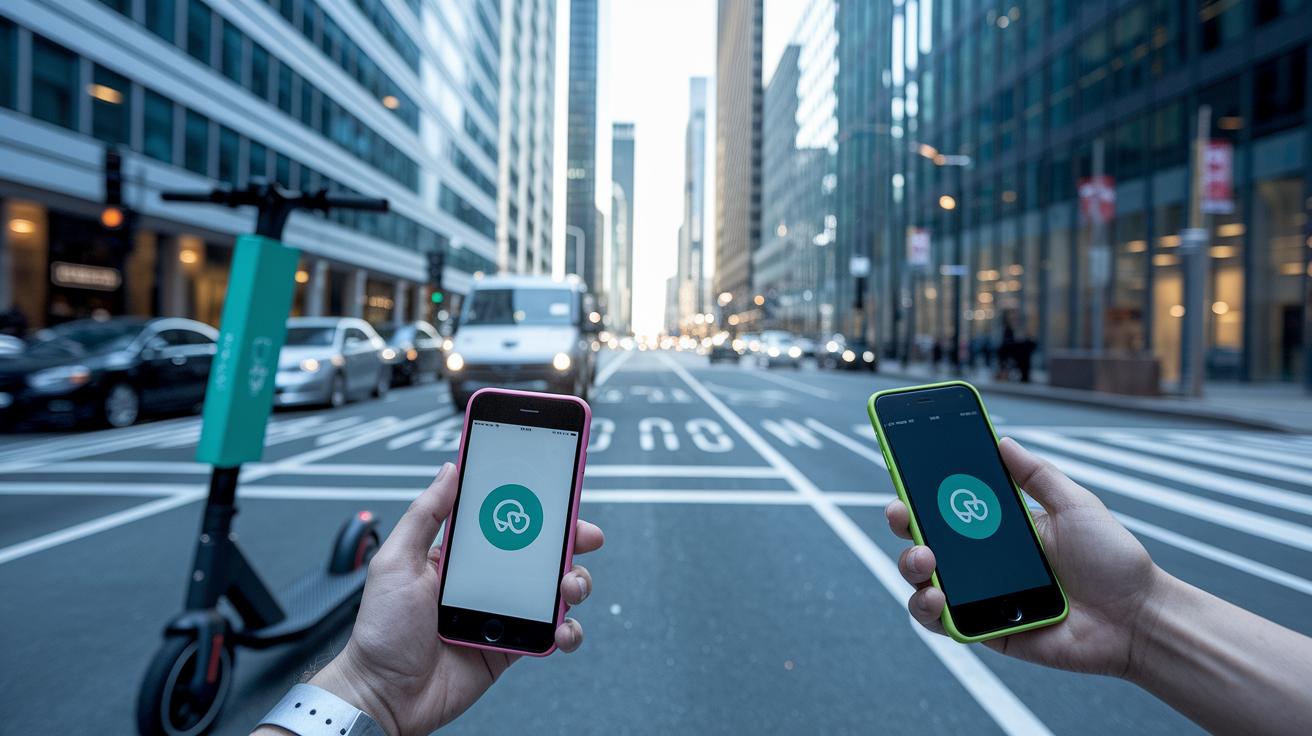
Shared mobility platforms have changed the way we move in cities. Growing urban areas and a need to guard the environment have pushed new transport sharing systems into the spotlight. Services like e-hailing, car sharing among peers, and micromobility options have set the stage for today’s digital transit. These services continue to drive innovation in the field.
New technology is making transport networks more flexible and scalable. Mobile booking apps make it easier for users to catch a ride, while AI-powered fleet optimization (using computer systems to manage and improve vehicle performance) cuts down on wait times. Predictive maintenance analytics help avoid breakdowns by spotting issues early. Future features include blockchain-based ticketing, which uses secure digital ledgers, and the integration of self-driving vehicles. These developments work together to boost safety and efficiency and connect cities worldwide.
| Key Technology Trends |
|---|
| Electrification of fleets |
| AI-driven fleet optimization |
| IoT connectivity |
| Mobile booking app innovation |
| Predictive maintenance analytics |
| Blockchain-based ticketing |
| Autonomous vehicle integration |
| Dynamic pricing strategies |
These trends work together to build a strong and sustainable system. AI dispatching helps plan better routes and works with predictive analytics to boost fleet performance. Smart devices and improved mobile apps make it easy for riders to interact with the system. Electrification and self-driving technology further enhance how smoothly these services run.
In short, combining these innovations paves the way for more market insight, clearer rules, and better growth opportunities in smart urban travel. This progress is set to reshape digital transit and keep cities moving forward.
Electrification and Sustainable Collective Travel Models in Mobility Platforms
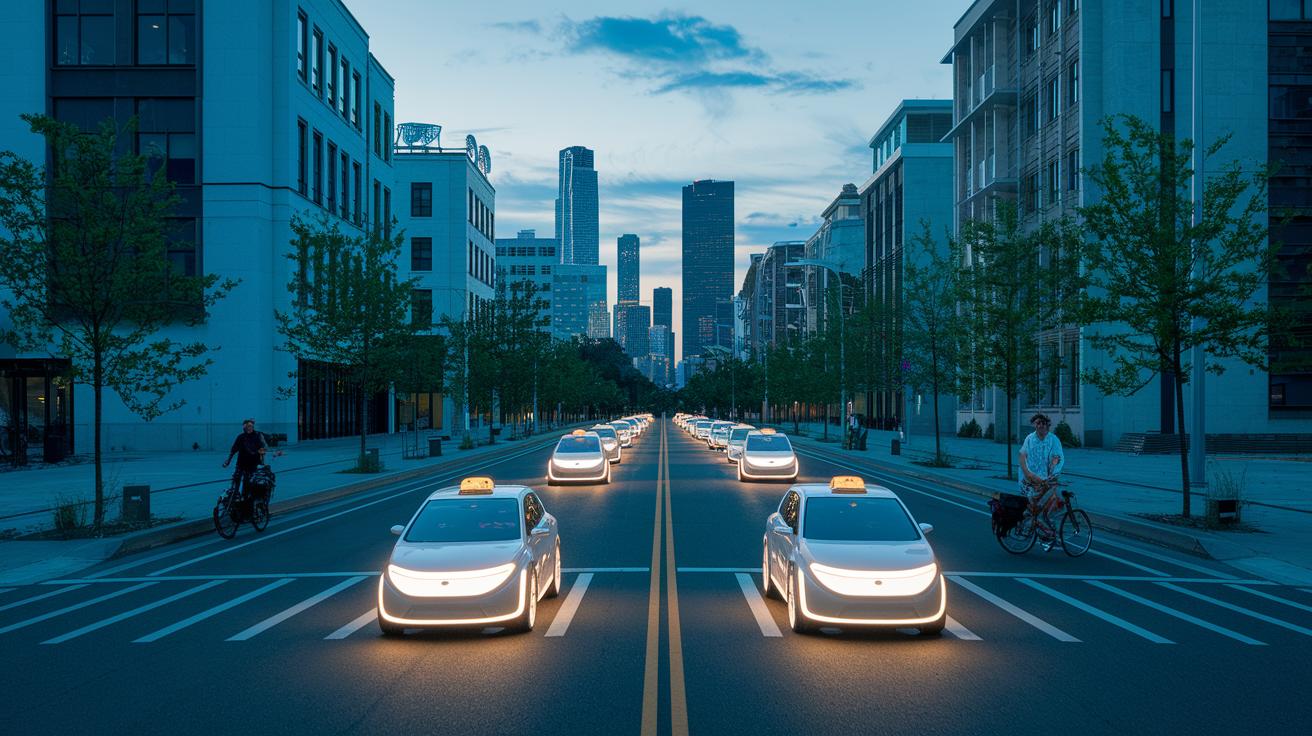
Cities are turning to electric vehicles (EVs) to tackle air pollution and reduce reliance on fossil fuels. Many urban centers now offer zero-emission commuting options to help clear the smog and address climate change concerns. This trend is driving shared mobility providers to adopt electric rides, which results in cleaner city air and long-term health benefits for residents.
Shared mobility companies are modernizing their fleets by replacing traditional gas engines with electric powertrains. They invest in charging networks linked to renewable energy sources to ensure every ride runs on clean power. Fleet managers carefully mix electric and hybrid models to keep costs low while boosting efficiency. They also deploy smart charging stations, energy management systems, and grid-balancing protocols to handle the changing demands of city power.
Electric shared rides contribute to a more sustainable future. With fewer emissions, cities enjoy improved air quality and greater energy efficiency. Government incentives like tax breaks and infrastructure grants support these fleet transitions, building public trust while encouraging further investment in green transportation.
AI Dispatching and Data Analytics Optimizing Shared Mobility Services
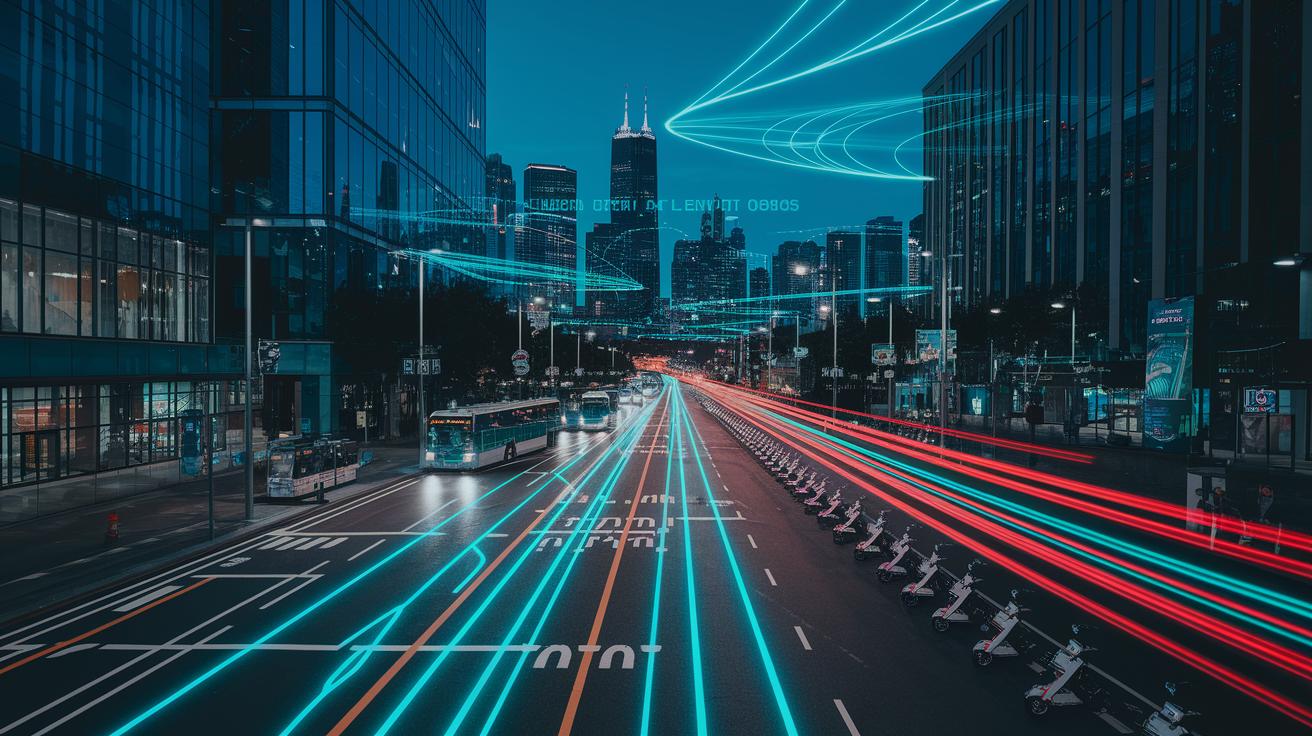
AI and data analytics are changing how cities run shared mobility fleets. These tools watch ride patterns, plan routes, and offer fast, real-time insights. By using data from mobile apps and sensors, operators cut delays, boost efficiency, and keep services reliable. They turn raw data into clear, actionable information.
AI dispatching uses real-time data to match drivers with ride requests quickly. Advanced algorithms check current traffic, rider needs, and vehicle locations to plan the best routes. This process lowers wait times and smooths ride flows. The system learns continuously from its data, which helps it work well even at busy times.
Predictive maintenance looks at past service records and live vehicle health to find issues before they slow things down. This approach cuts unexpected downtime and extends a vehicle's life. At the same time, real-time demand forecasting uses current data to predict when ride surges will hit, helping to balance the supply of vehicles. This planning can boost utilization rates by up to 20%.
By uniting these methods, mobility providers run smoother operations. They adjust quickly to changes in traffic and demand, maintaining trust with passengers around the globe.
| Technology | Application | Impact |
|---|---|---|
| AI dispatching | Matches drivers with rides in real time | Reduces wait times and improves efficiency |
| Predictive maintenance | Monitors vehicle health using past records | Minimizes downtime and prolongs vehicle life |
| Demand forecasting | Predicts ride surges with real-time data | Balances supply and can boost usage by up to 20% |
| Dynamic pricing | Adjusts fares based on current demand | Maximizes revenue and ensures fair payouts |
IoT Connectivity and Cloud-native Architectures for Real-time Ride Networks

Fleet operations now use IoT sensors to get real-time, accurate data on each vehicle. These sensors monitor things like vehicle location, battery health, and the number of passengers. Fleet managers rely on telematics (remote monitoring systems) to spot issues and improve energy use. For example, alerts let dispatchers know when a vehicle needs charging so they can plan schedules accordingly. This continuous stream of data helps make quick decisions and improves overall system reliability. With this setup, operators can adjust fleet distribution on the fly, keeping urban mobility running smoothly.
Cloud-native dispatch systems handle ride requests with scalable microservices. By using edge computing, these platforms process data near its source, reducing delays during peak times. This means operators see faster route changes and receive timely safety warnings. With tools like remote diagnostics and real-time dashboards, fleet managers can track system health easily. The mix of cloud services and local processing builds a sturdy network that adapts to the fast-changing needs of urban mobility.
Overall, these smart solutions cut down on delays, increase uptime, and ensure rides are matched accurately. Real-time diagnostics help operators fix issues quickly, minimizing service interruptions and providing a more reliable transit experience.
Seamless Booking, Contactless Payments, and Personalized Mobility Interfaces

Easy booking apps cut friction and boost shared mobility use. Riders can schedule rides with one tap and track vehicles in real time. This simple process builds trust, encourages repeat usage, and makes accessing mobility services a breeze.
Contactless payment methods are changing how rides are paid for. Using NFC (near field communication, which lets devices exchange data when close) and QR codes, riders can complete payments with a quick tap or scan. This speed up boarding and keeps financial data safe through strong encryption and tokenization. It also reduces errors and lowers fraud risks. By integrating these features into mobile apps, shared mobility platforms offer smooth and secure transactions that raise user confidence and operational efficiency.
Personalized ride suggestions come from algorithms that learn from user history, location, and travel habits. In-app menus also adjust to fit individual tastes, making navigation simple. This approach reduces decision fatigue and creates a tailored experience. With real-time personalization, apps foster an engaging environment that builds loyalty and improves daily ride satisfaction.
Autonomous Vehicles and Blockchain Innovations Driving Future Shared Mobility
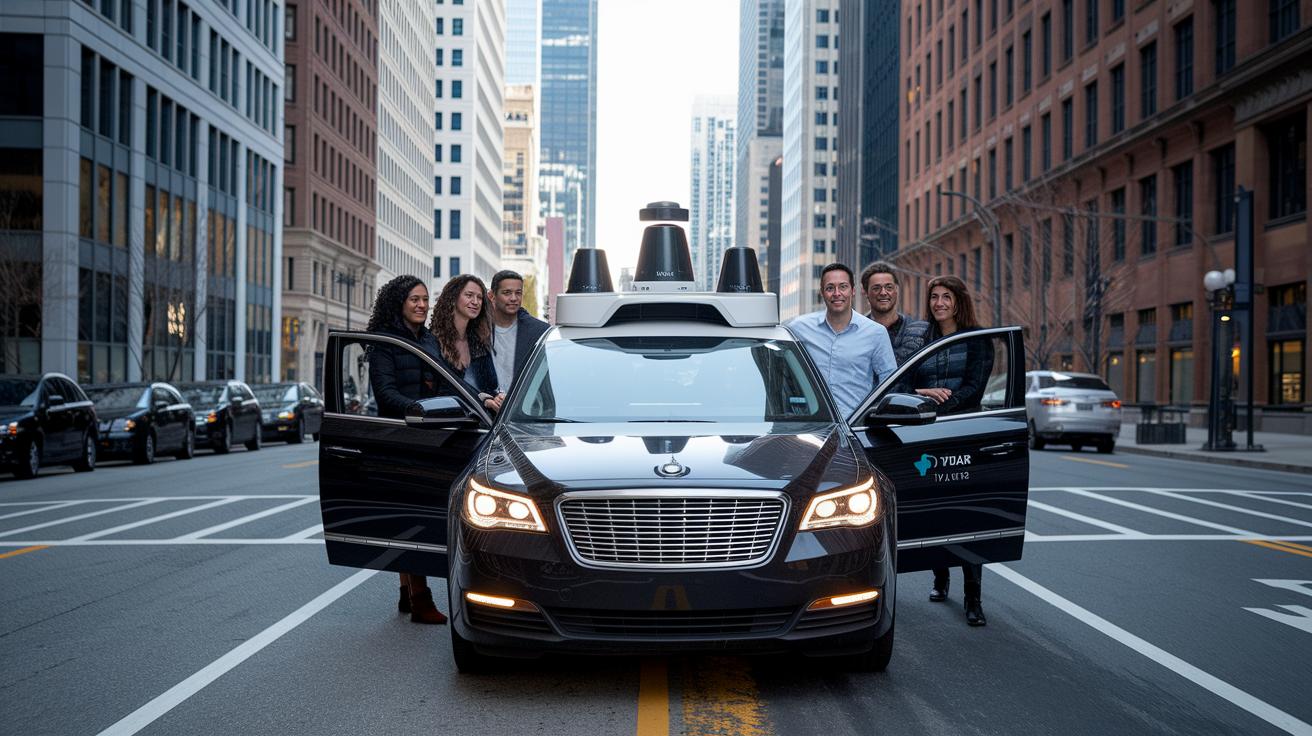
Self-driving service tests have started in key urban centers and along major trucking routes. Early driverless taxi pilots show steady support from both regulators and riders. These trials use advanced sensors and artificial intelligence (tech that helps machines learn and make decisions) to push self-driving technology closer to everyday use.
Blockchain ticketing systems add a layer of security with tamper-proof digital records. These distributed ledgers safely store trip details and verify rider identities, reducing fraud risk. They promote commuter safety by ensuring that only genuine riders access the service while keeping personal data private. By integrating digital identity tools to track fare payments and monitor rides in real time, operators benefit from clear, unchangeable records that simplify meeting regulatory rules and build trust.
Together, self-driving vehicles and blockchain ticketing are reshaping urban mobility. Driverless fleets paired with secure digital systems have led to up to 30% fewer fraudulent rides and better route accuracy in pilot programs. These innovations set a new standard for smarter, safer, and more adaptable shared transportation networks worldwide.
Long-term Outlook: Convergence of Technologies Toward 2035 Mobility Landscape
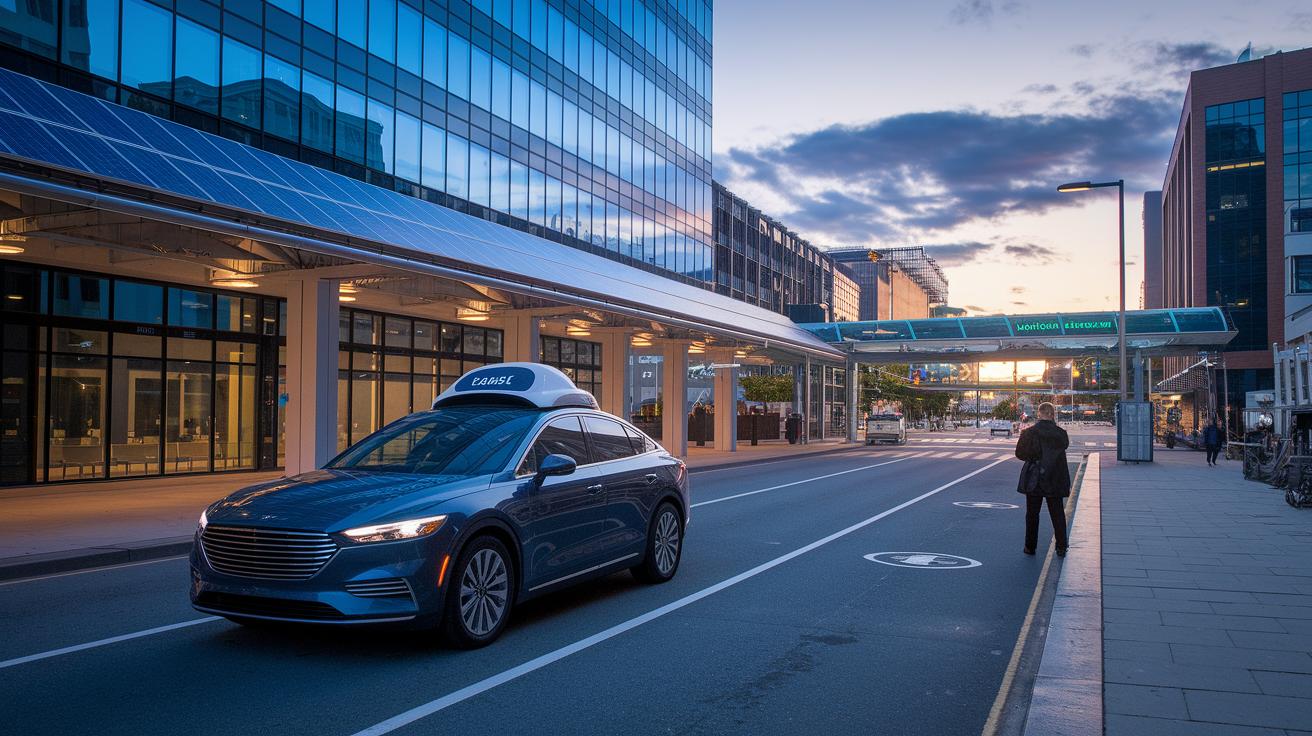
Urban fleets are set to undergo significant change by 2035. Four major drivers are at work: self-driving vehicles, alternative energy sources, connected AI systems, and integrated transit solutions. These trends are merging advanced technology with everyday travel, paving the way for a fresh approach to urban mobility and growth in the industry.
New business models are making mobility a seamless part of daily routines. Companies now offer flexible subscriptions and embedded services in housing, entertainment, and retail, blending shared transit with local travel networks. This approach boosts convenience for consumers and enables on-demand ride options that adapt to changing habits. It also encourages venture funding in transit innovation and guides policy adjustments, helping operators quickly respond to market shifts while reinventing ownership and usage patterns.
Investors are bullish on shared mobility. The sector is expected to grow at a compound annual rate of about 25%, supported by venture capital in transit innovation and favorable regulatory changes. Operators are well-equipped to harness these evolving market dynamics, using new funding opportunities to build sustainable urban travel networks that drive progress.
Final Words
In the action, shared mobility platforms continue to evolve through key technology trends. The article highlighted electrification, AI dispatching, IoT connectivity, seamless booking, and blockchain solutions. Each innovation works together to enhance performance and user experience in ridesharing and micromobility.
This convergence of advanced systems is setting the stage for robust urban transit solutions and future investment opportunities. The unfolding technology trends in shared mobility platforms offer a clear path toward a more efficient and resilient mobility ecosystem.
FAQ
What formats provide technology trends in shared mobility platforms information?
The technology trends in shared mobility platforms information is available in both PDF and PPT formats, offering concise data and insights into trends like AI fleet management and IoT connectivity for busy decision-makers.
How have technology trends in shared mobility platforms evolved in recent years?
The evolution of shared mobility platforms from 2020 to 2022 shows growing adoption of electrification, AI-based fleet optimization, and real-time connectivity, reflecting a shift toward efficient, eco-friendly travel solutions.
What urban mobility trends influence shared mobility platforms?
Urban mobility trends now emphasize sustainable transit, integrated micro-mobility options, and real-time data analytics, which help optimize routes and enhance user experience in shared mobility platforms.
What insights does BCG offer on mobility industry trends?
BCG analyzes mobility trends by examining shifts such as the integration of AI dispatching, renewable energy use, and personalized user interfaces, providing strategic guidance to industry stakeholders.
What broader trends are currently shaping the mobility industry?
Key trends include electrification, dynamic pricing, autonomous vehicle trials, IoT connectivity, and seamless booking systems, all of which drive improvements in efficiency and sustainability for modern mobility services.