


Do shared rides help clean our cities? Shared mobility is changing urban travel by reducing the need for private cars. Ride-hailing services and bike-sharing systems lower emissions and ease traffic. Recent studies show that these services can cut emissions by up to 20%. This shift in travel options points to a future with cleaner air and smoother roads, where sustainability takes center stage.
How Shared Mobility Drives Sustainability Benefits

Shared mobility services have grown rapidly over the last decade. Options like e-hailing, peer-to-peer car sharing, scooters, and bikes have become popular as technology improves and consumer habits change. These services help cut down the need for private vehicles and lower greenhouse gases by up to 20%, according to data.
Mobility-as-a-service platforms now let users set up rides easily and plan trips across different transport modes. This all-in-one approach makes urban travel smoother and more accepted.
Operators also use smart tech like AI and blockchain-based traffic systems. These systems adjust traffic signals to reduce idling and ease congestion. By moving toward electric and hybrid vehicles, shared fleets lower tailpipe emissions and improve air quality. Recent studies show that cities with smart mobility see up to a 15% boost in traffic flow and a noticeable drop in urban emissions, making a cleaner, more efficient future real.
Shared Mobility’s Impact on Carbon Emissions Reduction
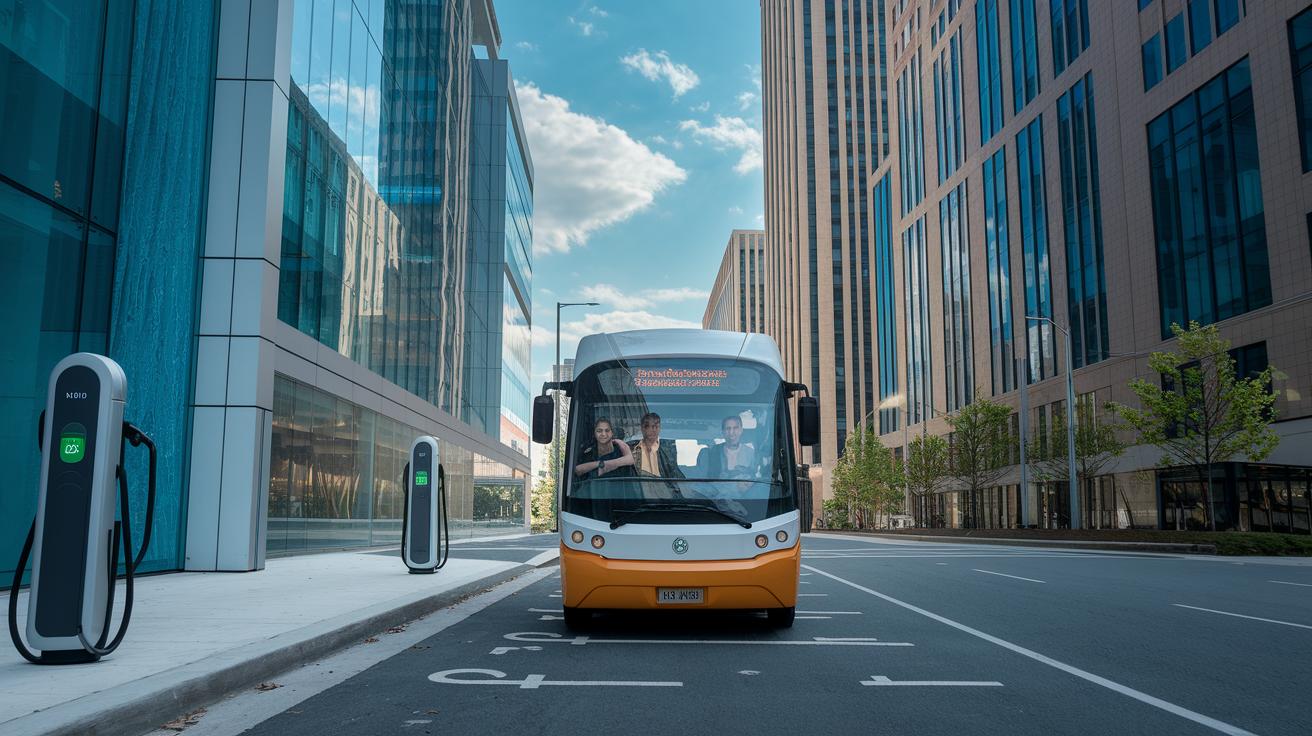
Shared mobility services are trimming carbon emissions by swapping out traditional vehicles for electric models (EVs). Car-sharing and ride-hailing platforms that deploy EVs can slash tailpipe emissions by 50–70% on each trip. This shift drives cleaner travel and improves urban air quality. In addition, operators enjoy cost savings, with energy costs dropping by 40–60% and maintenance expenses cut by 20–30% compared to gasoline-powered vehicles.
Government support accelerates this shift by reducing the cost of acquiring new vehicles by up to 30%. Financial incentives complement a growing charging infrastructure, including more Level-2 home chargers and public fast-charging networks. These developments help ease worries about driving range and keep vehicles on the road 24/7. Together, they show that integrating EVs into shared mobility not only benefits the environment but also reduces costs and builds a more reliable, eco-friendly transport network.
| Key Metric | EV | Gas Vehicle |
|---|---|---|
| Tailpipe Emissions | 50–70% lower per trip | Baseline emissions |
| Total Cost of Ownership | Up to 30% lower with incentives | Higher fuel and maintenance costs |
Cutting Traffic Congestion with Shared Mobility Models

Shared mobility services are changing urban travel by reducing the number of private vehicles on the road. Ride-sharing and app-based carpools have helped lower traffic by up to 25% during busy hours. Smart solutions for short trips, such as shared e-scooters and bikes, help ease congestion in crowded areas. These services not only offer flexibility but also improve travel routes so vehicles spend less time idling at intersections. AI tools help by matching riders with nearby vehicles, cutting empty trips and reducing wait times by about 15%.
AI-driven systems and connected public transit options also play a key role in easing congestion. Shuttles that adjust to demand, when linked with public transport, increase vehicle use by 20% and offer a reliable travel alternative for city workers. Carpooling and peer-to-peer ride systems have become important parts of collaborative driving models. Together, these innovations create a network that benefits the environment and helps cities run more smoothly.
- Collaborative ride-sharing lowers idle driving.
- Community carpool systems help during peak hours.
- On-demand shuttles improve transit connections.
- Smart micromobility options cut down on short car trips.
Shared Mobility-as-a-Service Integration for Greener Urban Travel

MaaS (Mobility-as-a-Service) platforms combine car sharing, ride-hailing, micromobility, and public transit all in one app. They offer subscriptions or pay-as-you-go plans that simplify travel. Users enjoy in-app payments and customized journey suggestions that drive a 30% boost in adoption. By bringing travel options together, these platforms streamline urban mobility and lower emissions per trip. Public and private partners work together through smart infrastructure investments and data sharing to expand these networks quickly.
Predictive data analytics powered by advanced AI algorithms play a key role in matching supply with demand. They help cut idle time by 20%, allowing operators to dispatch fleets more efficiently and plan smarter routes. This blend of integrated services and optimized routing leads to lower energy use and a greener urban space.
Key advantages include:
- Combining different travel modes lowers coordination challenges and reduces per-trip emissions.
- In-app payments and personalized journey planning create a 30% increase in platform usage, making travel more efficient.
- AI-driven fleet management cuts idle time by 20% while ensuring the best routes through advanced predictive data insights.
Shared Mobility with Electric and Alternative Propulsion Vehicles

Shared fleets now include electric cars, e-bikes, and e-scooters that help achieve zero-emission commuting and lower operating costs. Operators report that the total cost of owning an electric vehicle drops by 30-50% over five years compared to gasoline models. Equipment like the Commercial Dual EV Charger, the Dual CSE1 Level-2 Charger, and consumer-grade chargers keeps fleets running smoothly. Government grants and rebate programs can cover up to 30% of charging setup costs, which eases the switch to electric and alternative power. These investments boost eco-friendly performance by replacing fuel-based engines with cleaner options. Below is a table that outlines key charging solutions, their price ranges, and emission benefits.
| Equipment | Price Range | Emission Benefit |
|---|---|---|
| Commercial Dual EV Charger | $3,190–$3,890 | Enables rapid charging with zero tailpipe emissions |
| Dual CSE1 Level-2 Charger (48A) | $3,490–$4,090 | Supports efficient fleet readiness, reducing fossil fuel reliance |
| Consumer Chargers | $1,190–$1,320 | Offers accessible charging for small-scale operations |
Urban Planning Innovations for Sustainable Shared Mobility

Cities are updating their transit systems using a mix of modern design and smart sustainability. Bike lanes with barriers, solar-powered scooter docks, and weather-resistant materials are now the norm. These features keep services running during harsh weather and help clean the air.
New smart traffic systems use blockchain technology (digital record keeping) to prioritize shared driverless vehicles and cyclists, boosting corridor flow by 15%. This fusion of technology and design is changing urban mobility.
Urban planners are also investing in smart tools that support shared mobility. Curbside charging, battery-swap hubs, and sensor networks for forecasting demand help manage fleets and improve reliability. Local governments and private operators are working together to build spaces that meet the rising demand for flexible and eco-friendly travel.
- Protected bike lanes and solar-powered scooter docks offer strong travel options.
- Blockchain smart traffic systems improve signal timing and cut delays.
- Curbside charging and sensor networks boost operation efficiency.
Policy and Public-Private Alliances Driving Sustainable Shared Mobility

New rules now set clear standards for how shared mobility companies handle personal information, keep rides safe, and report emissions. These standards explain how data should be managed, make operators responsible for their actions, and offer a roadmap to cut city pollution. Regulators track key numbers like vehicle occupancy, emissions cuts, and rider satisfaction to update policies when needed. This stable setup gives operators the confidence to invest in cleaner and more efficient transport that looks after riders.
City governments are joining forces with mobility providers to push sustainability further. They work together to invest in electric vehicle charging stations and test on-demand transit in communities that need it most. These partnerships also focus on fairness, using measures like reduced fares and universal design so that low-income riders, seniors, and people with disabilities can benefit. This teamwork builds strong public-private alliances that steer cities toward cleaner mobility.
- Clear rules set standards for data handling, safety, and emissions
- City and platform partnerships help fund EV charging and on-demand transit
- Fairness measures like reduced fares and universal design improve access
Final Words
In the action, this article outlined how shared mobility drives greener urban travel. It examined evolving service models that cut emissions, ease congestion, and deliver lower operational costs. Data-driven evidence from electric fleets to smart routing illustrated clear gains in urban air quality and efficient travel.
The analysis reinforced how shared mobility and sustainability benefits can shape strategic moves in transportation, investment, and policy arenas. These insights point to practical steps for building greener, more efficient urban transport systems.
FAQ
What is shared mobility?
The term shared mobility refers to services like ride-hailing, car sharing, and micromobility options, reducing the need for private vehicles while lowering emissions and easing urban congestion.
What are the sustainability benefits of shared mobility?
The sustainability benefits of shared mobility include cutting greenhouse gas emissions, lowering daily vehicle miles, and reducing traffic congestion through efficient routing and the use of electrified fleets.
Where can I find a PDF on shared mobility and sustainability benefits?
The PDF on shared mobility and sustainability benefits offers detailed data and examples, helping readers understand how shared services decrease emissions and improve urban air quality.
What are some examples of shared mobility benefits?
Examples of shared mobility benefits include reducing idle trips with smart routing, lowering carbon footprints through electric fleets, and easing traffic with pooled ride services during peak times.
How does shared mobility impact the automotive industry?
Shared mobility impacts the automotive industry by driving demand for electric and hybrid vehicles, encouraging innovations in smart traffic control and sustainable vehicle design to meet urban transit needs.
What does hailed mobility mean in the shared mobility market?
Hailed mobility describes app-based ride services that connect riders with available drivers instantly, contributing to fewer cars on the road and promoting efficient, sustainable urban travel.
What insights does McKinsey offer on shared mobility?
McKinsey’s insights on shared mobility highlight how technology integration cuts emissions and reshapes consumer behavior, emphasizing service innovations and measurable environmental benefits in urban transport.