


Do current curb rules hold back the delivery boom? Cities are caught between federal guidelines and local curb plans that limit pickup and drop-off areas. Delivery services now need to speed up their operations while meeting tougher environmental targets. Operators balance speedy routes with stricter permit checks and emissions limits. New compliance measures and changing rules are reshaping how last-mile delivery and urban curb management work. These shifts have real impacts on both businesses and city operations.
Policy Framework for Last-Mile Delivery and Curb Management
The current framework mixes federal guidelines with local mandates to guide logistics oversight. Agencies set basic standards for vehicle safety, permits, and eco-friendly practices. In many regions, local rules decide how curbside spaces are used so that last-mile delivery does not disrupt overall city operations. Inspectors, for example, ensure that operators follow permit rules and keep vehicles safe for use.
New proposals hint at major regulatory changes. The FMCSA last-mile van rules and tighter emissions targets (see "environmental regulations" at https://sharingeconom.com?p=1798) are set to change delivery routes and profit margins. Online shoppers expect fast service, order today and doorstep tomorrow, which puts extra pressure on firms, especially in busy urban and suburban areas like New Jersey, where additional rules apply. Companies will need to adjust quickly and invest in updated compliance measures.
Operators now face increased pressure as regulations tighten further. Beyond typical safety and emissions standards, firms must adopt advanced compliance tools and plan routes efficiently to meet local rules. This shifting landscape calls for proactive business planning to keep up with stricter regulations and changing market expectations.
Environmental and Emissions Regulations in Last-Mile Delivery

Traditional delivery vehicles continue to affect city air by releasing greenhouse gases. Leaders around the world are calling for cleaner options and setting stricter environmental rules for fleets. Many new regulations push companies to replace fuel-based engines with electric ones. Programs offering incentives aim to cut harmful emissions while supporting sustainable delivery practices.
Many nations now offer subsidies and rewards to help fleets switch to electric vehicles. However, these programs often come with strict eligibility checks, precise paperwork, and detailed application steps that can challenge fleet operators. Leasing options can ease these financial burdens by lowering upfront costs and spreading expenses. Initiatives like those mentioned by Smart Mobility (https://sharingeconom.com?p=1896) help move the industry toward greener delivery systems.
- Eligibility criteria
- Application process
- Documentation requirements
- Funding deadlines and quotas
Curbside Space Allocation Governance and Standards
Municipalities follow clear models to manage curbside spaces and avoid conflicts between last-mile deliveries and other public uses. Local governments mark zones for loading and unloading and set simple rules on who can use these areas and when. This approach helps local commerce while keeping sidewalks open for everyone.
Cities issue permits that differ by type, duration, and location. They offer temporary, recurring, or special event permits based on local needs. Time limits help avoid peak-hour congestion, and fees cover upkeep, law enforcement, and the loss of public space. Cities review these rules regularly to keep pace with changes in urban mobility and trade.
Enforcement is key to keeping things orderly. Local patrols and automated systems track curbside violations. Clear standards for pavement loading help everyone – from logistics operators to local residents – rely on consistent rules and access for curbside use.
Municipal Loading Jurisdiction and Parking Management for Delivery Vehicles
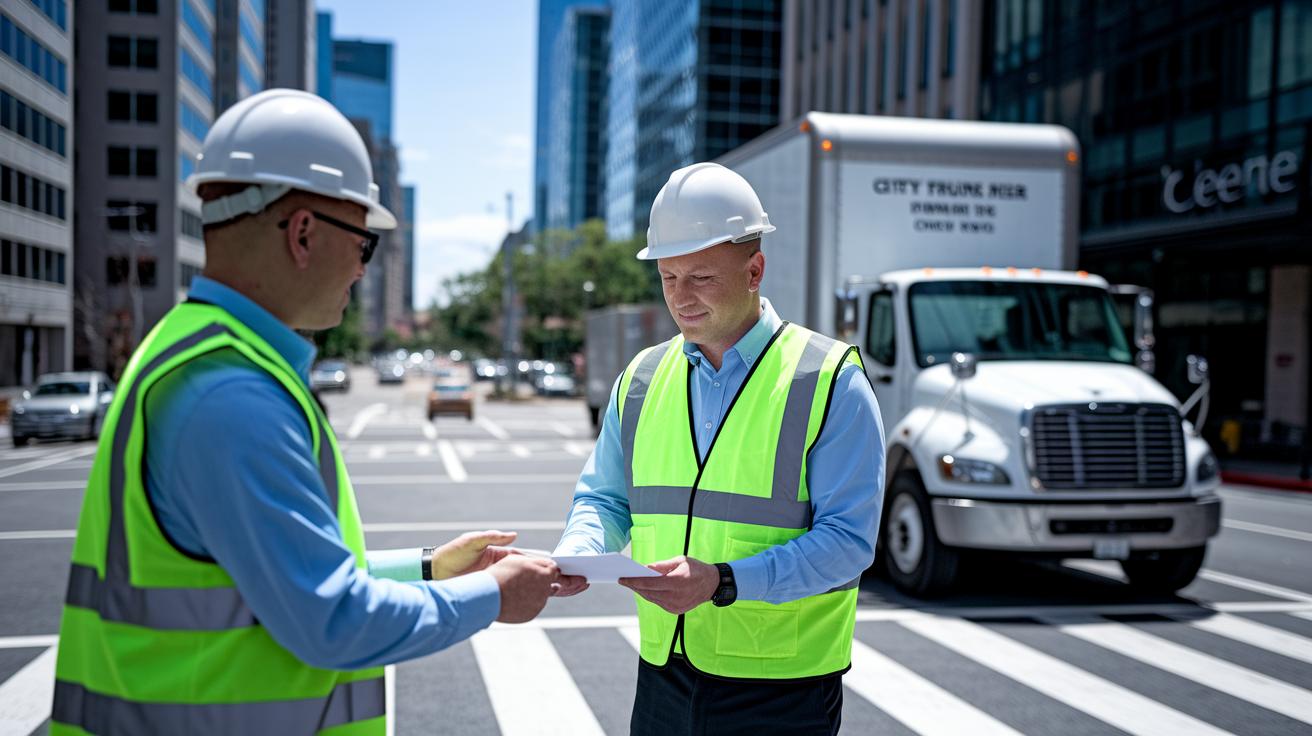
City officials set up permit systems to manage loading areas and street parking for delivery vehicles. The rules clearly explain who can use these zones and how to apply. Applicants need to submit forms, undergo verification, and provide documents that note vehicle size and operating hours. For instance, a 16-foot delivery truck faces stricter time limits compared to a smaller vehicle.
Detailed Permit Framework and Operational Criteria
Permit eligibility is based on specific factors such as vehicle size and designated operating hours. The process walks applicants through each step, from submitting the form to final approval. Standard permit forms help reduce uncertainty and align with overall curbside standards.
Enforcement and Formal Appeal Process
City enforcement teams use mobile patrols, fixed cameras, and digital ticketing systems to monitor compliance. If a vehicle receives a citation, operators have the option to file an appeal, detailing how they complied with the rules or citing special circumstances.
Compliance Requirements and Penalties under Last-Mile Delivery Regulations
Companies must follow clear standards for vehicle safety, emissions, data protection, and curbside permits. Last-mile delivery providers use guidelines for package drops and local shipment security to ensure safe operations. Firms check vehicles and routes regularly and update policies when rules change. Keeping detailed records and running routine audits help confirm that shipments meet the required standards.
Violating these rules can lead to serious penalties. Companies may face fines, lawsuits, or even criminal charges if they fail to meet safety or data protection standards. Missing a curbside permit or neglecting shipment data security can trigger regulatory action. Federal agencies and groups like the bipartisan policy center work to set consistent penalties across regions so that companies remain accountable.
New technology offers useful tools to manage these requirements. Autonomous routing and dispatching systems monitor routes, delivery times, and permits in real time. Automated compliance tools send alerts and generate detailed reports, making audits simpler. With these systems in place, companies can track deliveries better, reduce record-keeping errors, and address issues quickly to avoid costly violations.
Comparative Case Studies of Urban Curb Management and Delivery Regulation

This section looks at how four cities manage curb access and last-mile delivery operations. Recent case studies show that each city uses rules made to fit its local challenges. These rules include time-based curb zones and permit quota systems that help improve route planning and speed up parcel delivery. Operators learn valuable lessons from these examples on balancing urban mobility with commercial needs.
| City | Regulation Type | Key Feature |
|---|---|---|
| New Jersey | Neighborhood Navigation Rules | Extra restrictions that change delivery routes to ease congestion |
| New York | Time-Based Curb Zones | Fixed operating hours that create clear windows for loading and unloading |
| Chicago | Permit Quota Systems | Limited permits that promote efficient scheduling and reduce conflicts |
| Los Angeles | Dynamic Pricing Models | Fees that change based on real-time congestion, encouraging smarter routes |
Industry dive (https://thefidinews.com?p=882) shows these cases capture diverse regulatory methods. In New Jersey, local rules make delivery companies rework their routes. New York’s strict time slots allow for predictable planning. Chicago uses permit quotas to push efficient resource use, while Los Angeles applies pricing changes to match current curb congestion.
These cases show that cities tailor curb policies to meet local needs. Operators can draw lessons from these policy experiments and look into technology-driven compliance tools. Combining smart route optimization with flexible delivery models is key to meeting the rising e-commerce demands in busy urban areas.
Urban Planning and Logistics Implications of Last-Mile Delivery Regulations
Local curbside and delivery rules are changing how cities design their streets to boost safety and efficiency. Today's safety guidelines shape intersections, crosswalks, and loading zones to protect both pedestrians and delivery workers. City officials use surface allocation studies to balance fast delivery routes with safe public spaces. A transport planner explained, "We designed the curb to allow efficient loading and safe pedestrian crossings, ensuring quick deliveries while keeping the public safe."
Planners are also embracing eco-friendly transit models. They are linking public transport with delivery services to reduce traffic jams and cut pollution. New layouts and updated permits encourage shared use of public areas, supporting various transport modes while keeping streets open and livable.
Future Trends and Emerging Proposals for Curb Management and Last-Mile Delivery

Regulators are testing new systems that let operators book curb space in real time. They are also reviewing ways to update dispatch hub certifications to make it easier to load and unload, especially in busy areas. For example, a delivery firm might soon reserve a dedicated curb slot with automated alerts, much like booking a table at a popular restaurant.
New rules are coming that use advanced tracking and AI to monitor autonomous couriers. These proposed laws will track vehicle movements and ensure drivers follow set guidelines. They may also use data tools to adjust pricing instantly based on traffic and peak times.
Officials plan to add strict checks for autonomous delivery vehicles. They want to combine sensor data with real-time analytics to confirm routes are followed and curb spots are used correctly. By blending these new tracking systems with better parcel scheduling, operations could run smoother and last-mile delivery in crowded urban areas may become more efficient.
Final Words
In the action, the article surveyed the current policy framework, environmental mandates, and municipal loading protocols shaping urban logistics. It highlighted key rules like emissions targets and handling permit complexities.
We saw how evolving proposals are set to recalibrate delivery standards and compliance. The discussion also compared varied city approaches, underscoring the strategic pivot required of industry players.
The outlook remains optimistic under regulation of last-mile delivery and curb management policies.
FAQ
What are the key policy frameworks governing last-mile delivery and curb management?
The key policy frameworks focus on updated FMCSA last-mile van regulations, stricter emissions targets, and local rules that reshape delivery routes to meet urban compliance mandates.
How do environmental and emissions regulations affect last-mile delivery operations?
The environmental and emissions rules drive operators to adopt cleaner vehicle standards, explore EV leasing options, and comply with environmental regulations aimed at reducing urban air pollution.
What standards guide curbside space allocation by municipalities?
The standards for curbside space allocation include regulating permit types, establishing restricted time windows, setting fee structures, and enforcing guidelines to manage pavement loading effectively.
How do municipal loading jurisdictions and parking management rules impact delivery vehicles?
Municipal loading jurisdictions and parking management rules define clear permit issuance procedures, assign designated loading zones, and impose penalties to maintain efficient parking for delivery vehicles.
What are the compliance requirements and penalties for last-mile delivery operations?
Compliance requirements cover vehicle safety, emissions limits, secure data handling, and curbside permit adherence, while failure to meet these may result in fines, lawsuits, or criminal charges.
How do comparative case studies enhance understanding of urban curb management and delivery regulation?
Comparative case studies shed light on varying city approaches such as time-based curb zones, permit quota systems, and pricing models, which highlight different enforcement strategies and operational challenges.
What future trends are emerging in curb management and last-mile delivery regulations?
Emerging trends include real-time curb scheduling, advanced tracking laws, AI-driven permit issuance, and oversight of autonomous delivery, all fostering a data-driven approach to managing congestion.
How does urban planning intersect with last-mile delivery regulations?
Urban planning and delivery regulations converge to influence street design and public space allocation, ensuring that roadway safety guidelines and sustainable transport models accommodate efficient last-mile delivery.