


What if nature stopped protecting our cities and farms overnight? Nature helps keep our air and water clean and reduces flood risks. Trees, wetlands, and open land work like filters to protect our communities. This article explains how these natural services support public health and cut costs. In short, taking care of nature means safeguarding our future.
Foundations of Regulating Ecosystem Services
Nature helps us in many ways by controlling climate, floods, natural hazards, pollination, and water cleaning. We call these benefits regulating ecosystem services. They are one of four main groups of ecosystem services, along with provisioning, cultural, and support services. Trees and plants act like a city's lungs, taking in pollutants. For instance, water cleaning in Europe is valued at around €33 billion each year, while pollination in the United States contributes nearly $29 billion annually.
These functions keep our environment in balance. When we use land unsustainably, cut down too many trees, or lose wetlands, our landscapes can no longer capture carbon from the air. This loss disrupts local weather patterns and air quality, which can hurt public health and economic stability.
Key functions include:
- Climate control
- Clean air maintenance
- Water purification
- Pollination
- Pest and disease control
- Nutrient cycling
Humans rely on these natural safeguards. Clean air, regulated temperatures, and pure water help cities function and farms grow food. When nature's processes weaken, communities and businesses often face higher costs to replace them. Recognizing nature’s essential roles can help decision-makers promote sustainable practices that support long-term economic and social well-being.
Major Types of Regulating Ecosystem Services in Nature

This section builds on the basics of ecosystem services by including detailed examples and case studies that show how nature carries out these important tasks.
Climate Regulation
Forests and peatlands naturally store carbon, which helps slow global warming. For example, many boreal peatlands capture carbon and keep local climates stable. These case studies add depth to our initial explanation.
Air Quality Maintenance
Natural environments like urban green spaces help keep the air clean. Trees and plants absorb pollutants and release oxygen, which improves air quality. Detailed studies from cities underline the practical benefits of this service.
Water Purification
Areas along rivers, marshes, and other filter habitats work to clean water. They use physical, chemical, and biological processes to remove contaminants. For instance, coastal marshes lower toxin levels in drinking water, deepening our overall understanding of water purification.
Pollination and Pest Control
Insects, birds, bats, and even wind play vital roles in crop pollination, while natural predators keep pest numbers down. Research in farming areas shows that these natural processes can reduce the need for chemical pesticides.
Nutrient Cycling Moderation
Microbes, fungi, and small creatures break down organic matter and return important nutrients like nitrogen and phosphorus to the soil. Local research confirms that this natural nutrient turnover helps maintain long-term soil fertility.
| Service | Mechanism | Economic Value |
|---|---|---|
| Climate Regulation | Carbon sequestration | – |
| Air Quality | Pollutant absorption | – |
| Water Purification | Filtration | €33 B/yr (EU) |
| Pollination & Pest Control | Mutualism & predation | $29 B/yr (US) |
| Nutrient Cycling | Decomposition | – |
Methods for Assessing and Valuing Regulating Ecosystem Services
We estimate the value of nature's protections using tools like the contingent valuation method (a way to measure how much people would pay to safeguard nature). Benefit-transfer applies figures from one study area to another when local data is sparse. These techniques give clear numbers that help leaders understand the worth of ecosystem services.
We also use direct ecological modeling and remote sensing to track changes in these services. Models show shifts in carbon storage, while satellite images capture changes in water clarity and land cover. This practical approach uses measurable signs to back real-world management plans.
For instance, U.S. pollination services add about $29 billion each year, and European water purification is estimated at nearly €33 billion annually. However, regional differences and shifting environmental conditions can make these estimates tricky. Ongoing improvements in both economic and ecological methods are vital to capture nature’s hidden benefits accurately.
Case Studies Illustrating Regulating Ecosystem Services

Mangrove Rehabilitation for Coastal Protection
In Southeast Asia, local authorities and community groups join efforts to restore natural coastal defenses. They plant native mangrove trees along fragile shorelines to slow erosion and protect against floods. For example, more than 10,000 mangrove trees were planted in one coastal village last year, cutting shoreline erosion noticeably. These restorative actions help control coastal flooding and sustain the natural balance.
Measured results show a drop in flood risk and sturdier coastal structures. Local reports note fewer flood-related damages to homes and crops. In turn, local businesses save on repair costs, and the projects open new opportunities for eco-tourism and job creation.
Natura 2000 Forest Management for Climate Moderation
In Central Europe, forest managers use Natura 2000 guidelines to increase carbon capture and maintain steady local temperatures. They follow selective harvesting and reforestation practices to ensure a healthy tree cover. For instance, one Natura 2000-managed forest patch captured enough carbon last year to offset emissions from hundreds of cars. These efforts highlight the role of careful planning in boosting forest resilience.
The approach has led to greater carbon storage and more consistent local temperature patterns. Studies show that improved soil moisture and a balanced microclimate buffer both urban and rural areas from rapid climate changes. This coordinated management emphasizes the value of strategic forest care in meeting environmental challenges.
Policy and Management Frameworks for Regulating Ecosystem Services
Payment for Ecosystem Services (PES) programs reward landowners for protecting natural areas. They assign a dollar value to benefits like flood control, carbon capture, and water purification. By linking financial returns to nature's performance, these programs promote sustainable practices. In many regions, PES schemes have helped communities preserve green spaces and tree cover, improving local resilience under environmental stress.
Legal frameworks at national and international levels also support ecosystem protection. For instance, the EU Biodiversity Strategy 2030 weaves nature-based solutions such as flood control and carbon storage into both agricultural and urban planning. Similarly, Ramsar Convention regulations focus on protecting wetlands and riparian areas that maintain water quality. These laws provide clear guidelines and enforceable standards to boost environmental protection across various regions.
City planners in the U.S. are embracing green infrastructure standards to blend natural safeguards with urban design. They are adding storm-water management systems, green roofs, and extensive tree planting to clean the air and manage runoff. This approach helps urban areas work with nature, reducing municipal expenses on engineered water treatment and climate adaptation projects.
Emerging trends emphasize adaptive management and experimental regulation for future policy. Despite existing frameworks, gaps remain in tracking and enforcing environmental safeguards. Advances in remote sensing and ecological modeling are starting to fill these gaps by providing more accurate data on ecosystem health. Ongoing collaboration between policymakers and researchers is key to refining these methods and closing shortcomings in current regulations.
Challenges and Future Directions in Regulating Ecosystem Services
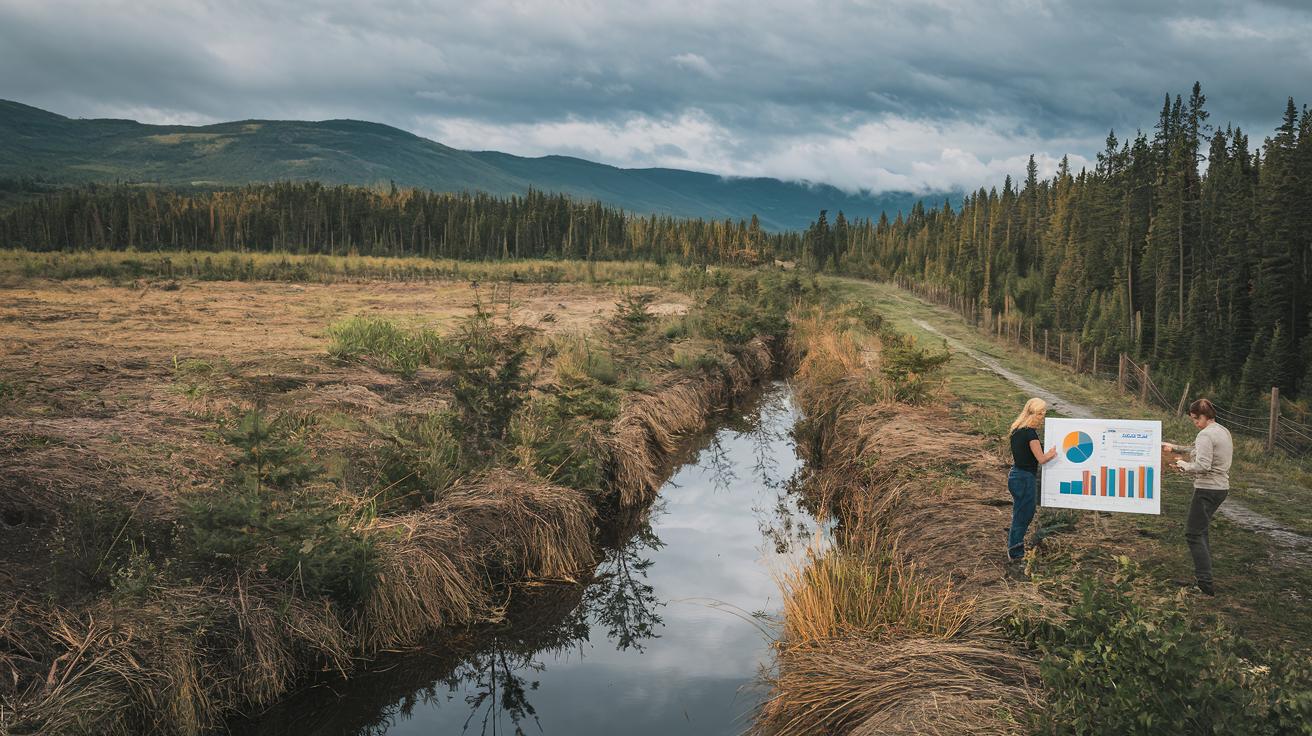
Habitat loss, pollution, and invasive species cut into nature’s ability to support life. These issues often happen at the same time, which means several natural functions can break down all at once. For example, agricultural needs sometimes conflict with roles like keeping water clean. Without natural safeguards, society must spend extra money to mimic these services.
Lack of solid data and outdated monitoring methods make it hard to gauge nature’s true strength. In many areas, old measurement tools hide the real pace of environmental change. This leaves leaders with incomplete information when planning policies and deciding where to spend resources.
Researchers are exploring new tools to tackle these challenges. They are testing experimental methods to understand better how different ecosystem functions interact. New ecological models create realistic simulations, which give planners clear, actionable insights. By combining community feedback with real-time data from modern technologies, regulators can test new approaches in changing settings.
Adaptive management is growing in popularity as environmental changes speed up. Integrated systems using satellite images and ground sensors help fill data gaps and detect subtle shifts in ecosystem performance. These innovative methods work to balance diverse land uses while keeping nature’s core processes intact. The goal is to build robust ecosystems that can meet both human needs and natural stability.
Final Words
In the action, the article explored how natural processes secure air-quality, water purification, and carbon capture. It detailed the functions of key ecosystems and outlined practical case studies that demonstrated robust management strategies.
The post provided clear insights into valuation methods and policy frameworks. It also addressed challenges and emerging measurement tools.
Understanding regulating ecosystem services empowers decision-makers to align market strategies with environmental needs. This integrated approach leads to smarter choices and a more resilient future.
FAQ
What are examples of regulating ecosystem services?
The regulating ecosystem services examples include climate regulation, air‐quality maintenance, water purification, pollination, pest and pathogen control, and nutrient cycling.
What are provisioning ecosystem services?
The term provisioning ecosystem services refers to natural resources like food, water, timber, and raw materials that societies extract and use directly.
What are supporting ecosystem services?
The supporting ecosystem services involve processes such as nutrient cycling, soil formation, and primary production, which create and maintain conditions for other services to operate.
What are cultural ecosystem services?
The cultural ecosystem services provide non‐material benefits such as recreation, inspiration, education, and spiritual enrichment that contribute to overall human well‐being.
What are regulating services?
The regulating services describe nature’s inherent controls that manage climate stability, water filtration, air purification, and pest regulation, keeping environmental processes in balance.
What is the difference between regulating and supporting ecosystem services?
The difference between regulating and supporting ecosystem services is that regulating services control environmental conditions like climate and water quality, while supporting services maintain vital processes such as nutrient cycling and soil formation.
What are the four ecosystem services?
The four ecosystem services refer to the provisioning, regulating, supporting, and cultural services, each providing a distinct range of benefits from natural systems.
What are examples of supporting services?
The supporting services examples include nutrient cycling, soil formation, and primary production, which underpin the stability of ecosystems and enable other services to function effectively.
What are the five main ecosystem services?
The five main ecosystem services sometimes incorporate provisioning, regulating, supporting, cultural, and additional habitat‐related benefits, though many models focus on the primary four.
What is an example of a regulatory service?
An example of a regulatory service is water purification, where natural processes filter contaminants from surface waters, reducing pollution and protecting human health.
What is an example of a regulating ecosystem?
An example of a regulating ecosystem is urban trees that absorb pollutants and improve air quality, often referred to as the city’s natural air filters.