


What if trying to appeal to everyone is holding your digital marketplace back? Narrowing your focus can build strong customer loyalty and open clear growth opportunities. When a platform targets a specific industry, it earns trust by offering a tailored experience that cuts through the noise. Think of it like picking one specialty on a menu instead of serving a generic selection. By meeting specific needs with precision and care, a digital service can stand out, even proving that less truly can be more.
How to Craft a Platform Niche Market Strategy in Digital Marketplaces
A platform niche market strategy means focusing on a specific industry segment to offer more targeted products. Instead of trying to serve everyone, the platform picks a narrow group, such as those needing construction components, manufacturing parts, or software modules. This focus builds trust and keeps customer interactions reliable, even when the marketplace is large and competition is high.
The goal is to shape a digital ecosystem that meets the distinct needs of a focused audience. Market leaders start by understanding customer challenges, checking out competitors, and choosing flexible technologies. Every change, from how the platform looks to how it works, is designed to make the buying process smooth and reliable.
A real-world example comes from gaming. A niche strategy helped a small gaming platform turn a hobby into a premium market. For instance, one indie developer made $1 million in revenue by offering limited-edition items for dedicated fans.
By using smart online tools and a solid technical plan, digital marketplaces can stand out and grow. This narrow focus turns the platform into a trusted place where buyers and sellers enjoy a seamless experience.
Defining Niche Markets Within Digital Marketplaces

Niche marketplaces serve a focused group by offering products or services for a specific audience. They concentrate on areas like construction supplies, manufacturing parts, software modules, or educational services. This focus makes every feature and detail relevant to a targeted buyer group.
Imagine a digital marketplace that only offers high-grade manufacturing components. By zeroing in on one area, the platform provides tools, support, and content specifically designed for industry professionals. This targeted approach gives buyers a custom-made experience rather than a generic one.
Research shows that customers prefer platforms that understand their unique challenges. Instead of using a one-size-fits-all marketplace, niche platforms present clear and direct options. Users can quickly find what they need without the clutter of unrelated items.
Intentionally designed buyer segmentation leads to better engagement. Every feature tailored for a specific group builds trust and encourages repeat business. This makes niche marketplaces reliable hubs where expert knowledge meets focused demand.
Strategic Blueprint for Your Platform Niche Market Execution
-
Conceptualize: Figure out your unique focus by pinpointing a specific customer problem to solve. Do market research with surveys or interviews to test your idea. Build a simple, clear user interface that meets your niche audience's needs.
- Example: Imagine a platform designed just for specialized manufacturing parts that stands out from generic all-in-one marketplaces.
-
Technology Selection: Pick tools that can grow with your platform. Choose reliable solutions like Alloy App that deliver strong performance and leave room for future development.
- Example: Think of your tech setup like a building's foundation; you need sturdy parts that support growth and stability.
-
MVP Development: Create a Minimum Viable Product that focuses only on your essential features. Use design tools like Figma or Sketch to build a prototype that shows off your idea to early testers while keeping costs low.
- Example: Start with the core functions and then ask users which features matter most.
-
Quality Assurance: Run automated tests and set up performance checks using tools such as New Relic and Google Lighthouse. This approach helps you find and fix issues before scaling your platform.
- Example: Test your platform like a pilot does pre-flight checks to ensure everything runs smoothly.
-
Launch: Roll out a targeted marketing campaign that uses insights from Google Analytics to reach potential users. Focus on clear, data-backed messages that connect with your niche audience right from the start.
- Example: Launch with a message that makes every user feel like the platform was built just for them.
-
Growth & Innovation: Encourage early users with perks like discounts or exclusive features and keep improving the platform based on their feedback and new technology trends.
- Example: Small updates inspired by real user input can build strong, lasting loyalty.
Audience Segmentation for Platform Niche Market Strategies

Effective audience segmentation forms the core of a niche marketplace. It begins with understanding the specific challenges your users face by studying demographic data, interests, and the gaps in current solutions. For example, survey data shows that more than 70% of users choose services that speak directly to their needs.
You can use online surveys, focus groups, and user feedback to gather insights. These methods help build detailed customer profiles. For instance, if you serve buyers of specialized manufacturing parts, divide your audience by industry role, spending habits, and professional interests.
Once you know your users, adjust your platform features and messaging to suit each group. Doing so lets you create custom interfaces, special offers, and improved support services. Even small changes to the product language or design can boost engagement significantly.
Always track user behavior and update your segmentation regularly. Use analytics tools and data dashboards to monitor changes. For example, a spike in demand for educational services in a region might mean it’s time to introduce localized content or features.
- Research customer challenges actively
- Build profiles based on demographics and interests
- Customize offerings to increase engagement
- Monitor trends to keep segmentation updated
To improve your segmentation strategy, consider advanced data techniques that enhance targeted platform approaches.
User Acquisition and Engagement Techniques for Niche Platforms
To win in a niche market, focus on digital strategies based on real data. This approach helps you attract the right users and keep them coming back. By matching messages with user data, you can build campaigns that truly resonate and create loyal customers. Here are six simple, actionable tactics for boosting user acquisition and engagement:
-
Target digital ads using demographic info
Example: Run campaigns that speak directly to the specific needs of niche buyers with appropriate visuals and clear messages. -
Improve campaigns with Google Analytics
Example: Review metrics regularly to tweak creative strategies in real time, ensuring your ads reach those most likely to convert. -
Offer early-user incentives like discounts or exclusive features
Example: Launch promotions that reward first adopters, building buzz and positive word of mouth. -
Build community through forums or social channels
Example: Create spaces where users can share tips and experiences, helping to boost trust in your platform. -
Launch referral programs to drive word-of-mouth marketing
Example: Reward users for inviting friends, which helps expand your audience naturally. -
Gather regular feedback via surveys or in-app responses
Example: Use insights from users to continuously improve features and keep them engaged over time.
Competitive Landscape Appraisal in Niche Digital Marketplaces

Niche digital platforms succeed by focusing on trust and delivering reliable, repeatable interactions. Instead of growing a massive catalogue, they concentrate on ensuring every user experience feels secure and consistent. Security measures such as multi-factor authentication and zero trust network designs (tech setups that assume no user or device is automatically trusted) build a platform that stands strong against modern challenges.
Mainstream brands are also adapting. Many now add a marketplace layer to their business model. They design features to meet consumers right where they are, so users don’t have to adjust to a new service. This approach builds lasting trust and keeps customers engaged over time.
Niche marketplaces gain an edge by focusing on customer trust, streamlined features, and improved security. The table below compares key factors across niche and general platforms:
| Platform Type | Trust Level | Catalogue Size | Security Model |
|---|---|---|---|
| Niche Marketplace | High | Narrow | Robust (MFA, ZTNA) |
| General Marketplace | Moderate | Wide | Standard |
| Emerging Niche Platform | Growing | Focused | Enhanced Security |
| Mainstream Brand with Marketplace Layer | Strong | Extensive | Integrated (MFA, Zero Trust) |
This comparison shows that by adopting a clear niche strategy and emphasizing strong security and reliable customer relationships, platforms can secure a competitive advantage in the digital marketplace.
Case Studies of Successful Platform Niche Market Strategies
Out-of-the-Box Solution
An out-of-the-box solution uses platforms like CS-Cart. This method provides a ready-made storefront that you can quickly tailor for sales, promotions, and basic analytics. It works best for businesses that need to launch fast without significant technical resources.
Example: A specialized manufacturing parts platform uses CS-Cart to create a distinct buying experience from day one.
MVP with Custom Development
A Minimum Viable Product (MVP) with custom development starts simple and evolves with user feedback. This approach helps limit initial expenses while allowing the platform to grow and adjust based on real needs.
Example: An educational services platform launches with core functions and gradually adds features as educators and students share their input.
Fully Custom-Built Platform
A fully custom-built platform gives complete freedom in design and functionality. It is ideal for companies with specific requirements and a skilled technical team. Although this method requires a larger investment, the end product fits the niche perfectly.
Example: A luxury gaming accessories platform is built from scratch, delivering tailored features that distinguish it from standard offerings.
Hybrid Implementation
Hybrid implementation combines ready-made solutions with targeted customizations. It leverages the reliability of an established system while permitting modifications to address industry-specific needs.
Example: A niche marketplace for construction materials enhances standard features with custom analytics and support tools, creating an experience that feels both familiar and uniquely tailored.
Monetization and Revenue Growth Models for Niche Marketplaces
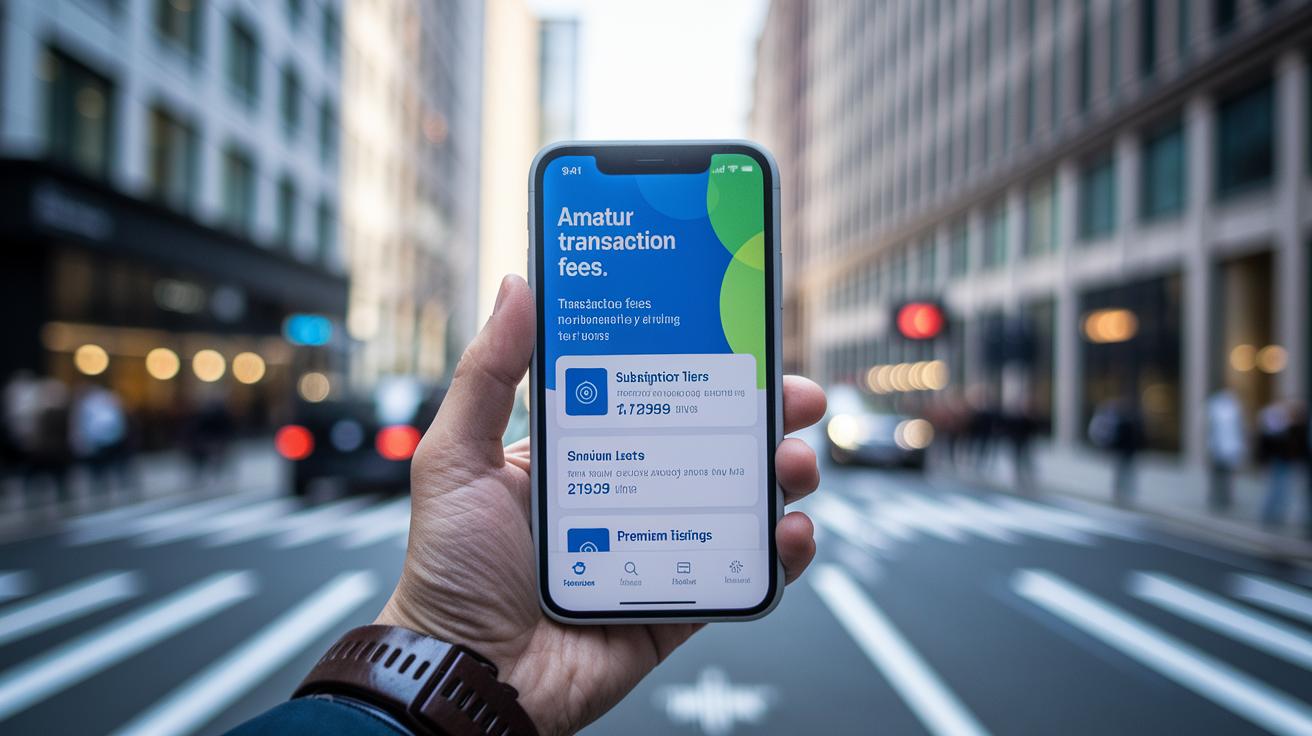
Niche digital platforms need a smart mix of monetization strategies to boost revenue. Each method offers clear benefits and comes with trade-offs, so platforms must set clear pricing and run A/B tests to find the best balance.
-
Transaction fees
• Benefit: Generates steady income that grows as platform use increases.
• Drawback: High fees can discourage smaller buyers. -
Subscription tiers
• Benefit: Provides reliable recurring revenue and builds user loyalty with tiered perks.
• Drawback: High subscription costs might limit access for some market segments. -
Premium listings
• Benefit: Gives sellers extra visibility for a fee, helping them gain a competitive edge.
• Drawback: Too many premium options can lessen their impact. -
Referral commissions
• Benefit: Supports organic growth by paying only for successful customer acquisitions.
• Drawback: Revenue can vary if conversion rates change with the market. -
Advertising
• Benefit: Brings in extra revenue through targeted promotions backed by analytics.
• Drawback: Must be managed carefully to keep the user experience pleasant.
These models allow platform managers to experiment, monitor results, and adjust strategies to maximize take-rate and profitability.
KPI Measurement and Optimization for Niche Platform Success
A robust KPI system tracks performance numbers that drive user sign-ups and keep customers engaged. We use tools such as Google Analytics to monitor where visits come from and how users move through the platform. This helps identify which channels lead to quality traffic. Tools like New Relic and Google Lighthouse provide real-time insights on page load times and system stability , factors that strongly affect user satisfaction. Retention tracking and cohort studies shed light on how different groups of users interact with the platform over time, offering early signals about user activation, revenue per user (ARPU), and churn.
- Monitor visits, page views, and bounce rates to check overall platform health
- Track conversion funnels to identify where users drop off before completing key actions
- Use New Relic and Google Lighthouse to spot technical slowdowns
- Analyze retention and cohort behaviors to understand how sticky the platform features are
- Set benchmarks for user activation, ARPU, and churn and update them regularly for agile improvements
Regular reviews of these key metrics allow teams to adjust quickly. For example, if conversion rates drop at a crucial step, a swift review of the user journey can lead to improvements in retention and overall performance.
Final Words
In the action, our article breaks down the essentials of creating a niche platform. We looked at defining customer segments, designing a clear roadmap, and building a secure, engaging experience. We also covered case studies, revenue models, and key performance indicators. These insights equip decision-makers to shape a successful platform niche market strategy in digital marketplaces. With practical steps and real-world examples, the future looks promising for those ready to address unique market needs and drive growth.
FAQ
What is platform niche market strategy in digital marketplaces pdf?
The platform niche market strategy involves focusing on specialized products or audiences in digital commerce. A PDF guide typically details the steps from market research to technology selection and growth tactics for targeted platforms.
What is an example of a platform niche market strategy in digital marketplaces?
A practical example is a digital marketplace that concentrates on a single product category—such as specialized software modules—offering tailored features and targeted marketing that clearly address a specific customer group.
What are some examples of niche marketing?
Niche marketing examples include platforms that concentrate on unique segments like educational services, construction materials, or manufacturing components. These platforms tailor their products and messaging to a defined group of customers.
What are the advantages of niche marketing?
The advantages of niche marketing include higher customer relevance, improved trust, and focused messaging. This targeted approach allows businesses to stand out in a crowded market while building loyalty among a specific audience.
What is niche marketing also known as?
Niche marketing is also known as targeted marketing, where companies concentrate on a defined section of the market to serve specific customer needs effectively and efficiently.
What are the advantages and disadvantages of niche marketing?
While niche marketing offers clear advantages like focused customer engagement and strong brand identity, it also faces challenges such as a limited audience reach and the risk of overdependence on a small market.
Can you provide product examples in niche marketing?
Product examples in niche marketing might include high-end software tools, custom educational materials, or specialized components for construction. These products cater to a narrowly defined audience with specific needs.
What are some niche marketing company examples?
Niche marketing company examples include firms that target specific consumer groups by offering unique products. These companies often operate in areas like luxury goods, specialized tech, or customized manufacturing solutions.