


Ever wonder if you're truly landing the best deals online? Today’s online marketplaces let you compare prices, read reviews, and buy securely with just a few clicks. They offer clear product options, smooth payment systems, and up-to-date stock details to make shopping easy and reliable. This article explains how these platforms operate and why smart buyers are turning to them.
Fundamentals of an Online Marketplace
Online marketplaces serve as trusted online hubs where readers compare prices and start their shopping journey. They connect buyers with a wide range of products, making it easy to compare options and choose what works best. More than 20,000 companies use these platforms to reach buyers worldwide and meet local rules.
These sites streamline transactions and manage product exchanges smoothly. Automation lets sellers post clear product listings while buyers can effortlessly browse offers. An integrated checkout system and real-time inventory checks keep transactions secure and products available. This smooth process appeals to individual sellers and well-known brands looking to grow their digital presence.
These marketplaces work by linking several key systems that build trust and support sales. Tools for easy registration and profile management create a personalized experience for each user. Enhanced search features and review systems boost transparency and help shoppers spot quality products. By combining product discovery with secure transactions, online marketplaces have become a key resource for smart buyers and businesses alike.
- User registration & profile management
- Product listing & search capabilities
- Integrated checkout & payment processing
- Inventory & fulfillment integration
- Review & rating systems
Essential Features of Successful Online Marketplaces
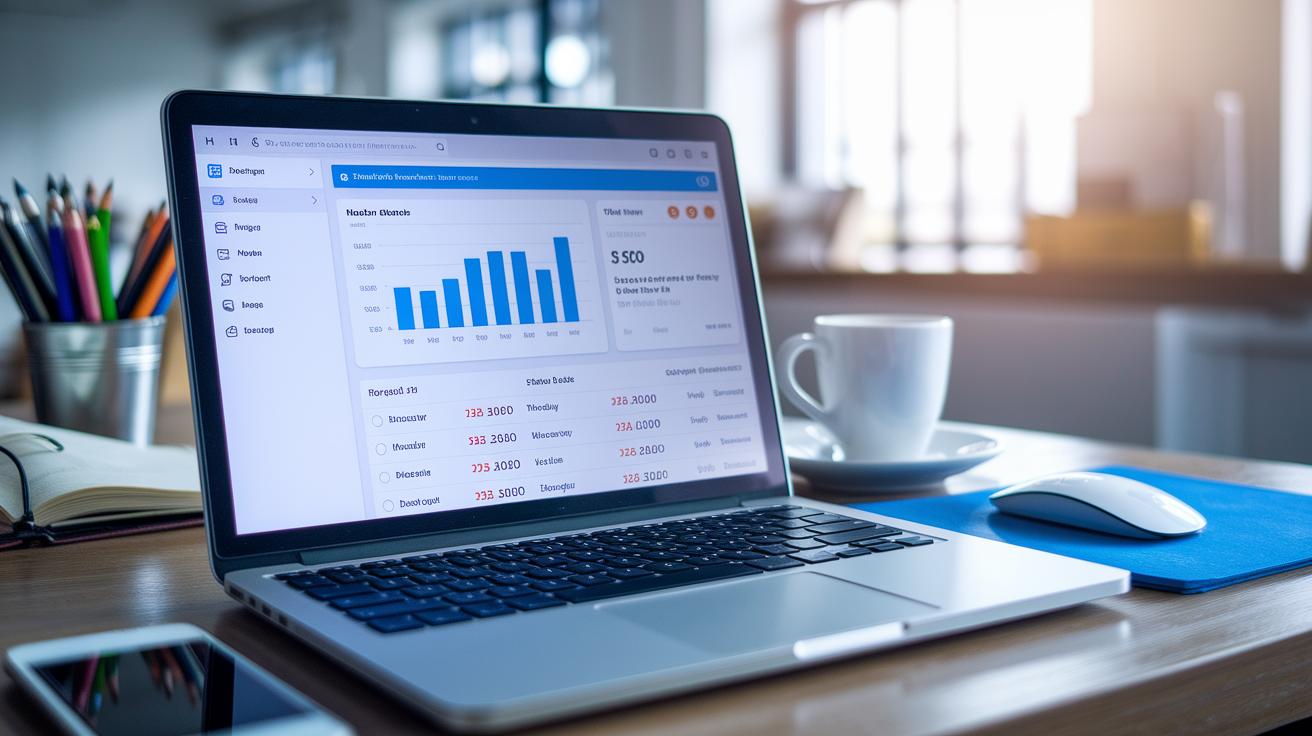
Top online marketplaces work best when all their systems work together. They use a seller portal online to let vendors manage profiles, orders, and product listings quickly. Real-time inventory sync and centralized order workflows keep sellers and buyers updated, ensuring smooth transactions for everyone.
A secure payment gateway and a multi-vendor system support a wide range of products while promoting healthy competition. A straightforward checkout process makes buying fast and reduces abandoned carts. Review and rating tools further build trust between buyers and sellers. Together, these elements allow sellers to grow and give shoppers confidence in their purchases.
| Feature | Benefit |
|---|---|
| Seller portal online | Centralizes account management and order processing |
| Secure payment gateway | Ensures safe transactions and reduces fraud risk |
| Multi-vendor system | Encourages varied product listings and competitive pricing |
| Seamless checkout design | Provides an intuitive, fast buying experience |
| Review and rating system | Builds buyer trust through transparency and feedback |
These connected features form a strong framework that meets sellers' needs and boosts operational efficiency, allowing shoppers to find the best products quickly and confidently.
Comparison of Top Global Online Marketplace Platforms
Global online marketplaces serve as hubs for smart shoppers who compare prices and explore a wide variety of products. They combine large seller networks, strong buyer engagement, and innovative shopping tools to create lively trading sites. These platforms drive digital commerce by meeting diverse consumer needs and providing sellers with strategic advantages.
Amazon
Amazon leads the pack with over 2 million active seller accounts and nearly $800 billion in gross merchandise value in 2024. Around 44% of its shoppers check prices on the platform before making a purchase.
Walmart Marketplace
Walmart Marketplace features over 150,000 active sellers who join via an invite-only system with a commission-based fee. This selective method helps ensure a curated shopping experience that strikes a balance between quality and competition.
eBay
eBay powers its marketplace with about 19 million active sellers and reaches 180 million buyers in 190 markets. It supports both auction and fixed-price options to give buyers and sellers flexible pricing choices.
Etsy
Etsy primarily serves artisans and creators, with its active buyer base growing from 46 million to roughly 95 million between 2019 and 2024. The platform’s focus on handmade and vintage items creates a unique niche.
Target Plus
Target Plus operates on an invitation-only model and had around 1,000 approved sellers in 2024. The platform achieved $1 billion in sales that year and is targeting a $5 billion channel within the next five years.
Facebook Shops
Facebook Shops blends social media with commerce, as nearly 10% of its buyers made their most recent purchase on the platform in 2024. This integration fosters direct consumer interactions.
TikTok Shop
TikTok Shop has captivated younger audiences, with one in three US users making purchases through the platform in 2024. Its mix of social content and direct selling appeals to a highly engaged crowd.
Instagram Checkout
Instagram Checkout enjoys strong usage, with 70% of its 2 billion users engaging with its shopping features. This seamless integration of commerce into a visually driven social experience helps boost product discovery and easy transactions.
Niche and Specialty Online Marketplaces

Vinted
Vinted is a peer-to-peer platform for buying and selling secondhand clothing and home goods. It has over 80 million registered users. The site does not charge any listing fees, making it an easy way for buyers and sellers to connect.
Newegg
Newegg focuses on electronics and gaming products for tech fans. It offers fulfillment services similar to FBA (Fulfillment by Amazon) to support fast delivery and reliable customer service. Tech enthusiasts value the platform for its speedy support and delivery options.
Reverb
Reverb is the go-to site for musical instruments, whether new, used, or vintage. Musicians and audio fans appreciate the wide range of gear available, from basic instruments to high-quality sound equipment.
Bonanza
Bonanza recorded nearly $3.4 million in sales from 1.1 million sessions as of August 2025. It provides a compact, focused marketplace with a diverse mix of products and active buyer participation.
Fruugo
Fruugo generated around $45 million in annual revenue in 2024. It connects sellers with a global audience and is known for efficient order processing and international shipping.
Zalando
Zalando has grown its active customer base from 13.5 million to over 52 million. The platform specializes in fashion and lifestyle products, adapting to changing consumer trends.
FullBeauty
FullBeauty achieved nearly $1 billion in revenue with 5 million active customers. It offers a carefully selected range of beauty and personal care products, which reinforces trust in its brand.
Tanga
Tanga reached $1.6 million in revenue in August 2025. The platform focuses on quality and a curated product selection, ensuring a refined shopping experience.
Each of these specialized marketplaces shows that success online comes from addressing specific customer needs. They build clear value propositions that drive satisfaction and measurable growth.
Best Practices for Sellers on Online Marketplaces
Online marketplaces demand a mix of clear product information and smooth operations. Sellers must use smart tactics in their listings, shipping choices, and system setups to boost revenue and keep customers happy.
- Review your costs. Look at referral fees, subscription prices, and shipping charges to determine your profit margin.
- Use different shipping methods for various regions. This approach meets customer needs and keeps deliveries fast and affordable.
- Improve your order processing and logistics. Faster dispatches and updated tracking information build buyer trust.
- Automate your product listings with feed management tools. This cuts down on manual errors and frees up time for key business decisions.
- Connect your current ecommerce system with the marketplace. Integration ensures smooth operations and accurate inventory records.
- Follow the marketplace rules. Staying compliant helps you avoid penalties and protects your standing.
- Keep customers informed about product stock, shipping details, and any updates. Clear communication builds transparency and trust.
These clear tips and tactics help sellers manage international trade better, improving both daily operations and customer satisfaction.
Security, Payments, and Trust in Online Marketplaces

Leading online marketplaces invest in strong payment systems to secure transactions. They use e-payment methods like escrow (a service that holds funds until both sides confirm the order) and multi-currency support to protect funds and simplify international payments. This approach gives buyers and sellers confidence knowing that money remains safe until both parties approve the order.
Platforms also deploy robust fraud prevention measures to keep transactions secure. Automated monitoring and identity verification tools work together to flag unusual activity and reduce fraud risks. One seller explained, "When my account experienced a suspicious login, fast detection saved my funds." This quick response shows how effective these systems can be in protecting users.
Digital marketplaces further build trust by offering clear review systems alongside integrated payment and shipping tools. Transparent customer feedback helps buyers make informed decisions and boosts confidence in the entire process. Overall, this end-to-end framework not only speeds up checkout but also creates a secure environment where every verified transaction reinforces reliability.
Legal and Regulatory Aspects of Online Marketplaces
Online marketplaces rely on strict rules to build trust and keep operations running smoothly. More than 20,000 companies use growth solutions designed with compliance in mind. Vendors face the challenge of following clear standards while managing large amounts of customer data. They must meet data privacy laws such as GDPR (European Union law protecting personal information) and CCPA (California law protecting consumer rights) to keep data safe and avoid heavy fines. Clear guidelines create a trusted space where buyers feel secure and sellers can work confidently.
When expanding into international markets, sellers encounter additional regulations. They need to understand customs duties, VAT, and local tax rules to manage cross-border transactions. Meeting these requirements is key to setting accurate prices, ensuring transparent delivery fees, and reporting taxes properly. Staying informed about evolving market regulations helps vendors quickly adjust their operations. A strong compliance framework not only minimizes risks but also supports steady growth in a competitive digital economy.
Future Trends in Online Marketplaces

Online shopping is changing fast. New digital stores and mobile trends are reshaping how we shop. Social media features like Instagram Checkout, TikTok Shop, and Facebook Shops blend fun content with easy purchases. Over 80% of retailers find cross-border ecommerce profitable, and 7 out of 10 shoppers are buying from foreign sites. These shifts rely on digital revenue models that simplify international transactions, making shopping faster and safer for both buyers and sellers.
Technology is also introducing smart tools such as blockchain trade systems and AI-driven personalization (using algorithms to tailor shopping experiences). These innovations speed up transactions and build trust. In response, companies are rolling out mobile-first apps to meet the needs of shoppers on the go. Together, these changes promise a more efficient and engaging digital shopping experience that is set to transform global commerce.
Final Words
In the action, the post outlined the basics of online marketplaces, followed by a breakdown of essential platform features and top global comparisons. The piece walked through practical steps for sellers, security and trust measures, and the legal framework shaping these digital trading platforms.
It also highlighted emerging trends that promise to redefine competitive dynamics. The insights provided empower strategic decisions, paving the way for smarter growth and innovation in the online marketplace sphere.
FAQ
What is a marketplace online?
The term “marketplace online” refers to a digital trading platform where buyers and sellers meet to exchange goods and services through seamless search and payment integrations.
What is an online marketplace platform and can you provide examples?
The online marketplace platform is a virtual hub that hosts product listings and transactions; common examples include Amazon, eBay, and Walmart Marketplace, which feature integrated payment and review systems.
Where can I find comprehensive lists of online marketplaces, including worldwide and in the USA?
The request for lists covers resources that compile global and USA-focused marketplaces, highlighting platforms for diverse product categories and enabling users to compare features and regional availability.
What are the top 10 online marketplaces and which online marketplace is best?
The top online marketplaces are often recognized for robust features like extensive seller networks and integrated payment systems; the best choice depends on product type, fee structures, and target customers.
Which online marketplace is best for selling products, including for digital goods?
The online marketplace best for selling varies by product; some platforms excel with physical goods, while others specialize in digital products, offering tailored features like digital delivery and licensing.
Is there a better place than Facebook Marketplace for buying or selling items?
The comparison with Facebook Marketplace depends on individual needs; while Facebook offers ease of use, other platforms may provide higher buyer trust, advanced search filters, or broader product categories.
Who is eBay’s biggest competitor in the online marketplace space?
The answer points to Amazon, which competes head-to-head with eBay by offering a vast seller network and a diversified shopping experience for many product types.
What is a marketplace account?
The term “marketplace account” describes the user profile that grants access to a digital platform, enabling buyers to shop and sellers to manage listings, payments, and customer interactions.
How can sellers get started and sell on marketplace platforms?
The process for selling on marketplace platforms involves signing up, creating a detailed profile, listing products with clear images and descriptions, and using integrated checkout and review systems for secure transactions.