


Have you ever wondered why your package sometimes goes missing or arrives late? Companies often cut costs and work under tight schedules, which puts pressure on last mile delivery. When deliveries fail or get stolen, it disrupts service and erodes customer trust. Outdated tracking, incorrect addresses, and narrow delivery windows only make matters worse. This post explains the main issues and outlines how companies are working to improve delivery reliability.
Primary Last Mile Delivery Problems Impacting Customers and Operations
The last mile, which is the final step in delivery, is the most expensive part of the shipping process. It can take up 53% of shipping costs. Labor makes up 50–60% of these costs, while fuel and maintenance add another 25–30%. This cost puts pressure on businesses that work with very tight margins, forcing them to improve their operations while facing heavy competition.
Consumers now expect same-day or next-day delivery along with real-time tracking. This change in expectations forces logistics teams to manage complex routes. For example, a route with only 10 stops can have more than 3.6 million possible orders. Without advanced planning tools, routes can end up 20–40% longer than needed. This shows the real challenges in e-commerce logistics when trying to deliver on time and efficiently.
These issues in the last mile affect how happy customers are. Higher costs, longer delivery times, and inefficient routes can lead to packages being missed or late, which then hurts a company’s reputation. As a result, businesses invest continuously in new technology and ideas to solve these problems and meet the growing demands of their customers.
Root Causes of Failed Last Mile Deliveries

Delivery failures hit about 15% when issues such as wrong addresses, rigid time slots, and missing recipients come together. Older mobile tracking systems that do not update with real-time traffic keep routes longer. City congestion and unexpected detours force drivers off the best routes, which increases fuel use and working hours. Unattended drop-offs also leave packages open to theft and damage, shaking confidence in the last mile delivery process.
- Incorrect address details: Wrong or misentered addresses send drivers down the wrong streets, causing delays and extra travel.
- Rigid delivery windows: Fixed time slots don’t adjust for traffic changes, forcing drivers to wait or return later.
- Recipient absence: When no one is there to receive a package, the delivery fails and redelivery costs rise.
- Outdated mobile tracking: Systems that can’t handle live road conditions slow down delivery routes.
- Timing inconsistency challenges: Inflexible scheduling disrupts coordination between warehouses and drivers.
- Unsupervised drop-off complications: Leaving packages unattended increases the risk of theft and damage.
- Inefficient routing patterns: Without dynamic route planning, drivers may cover much longer distances than needed.
These issues not only lead to missed shipments; they also boost operational costs. Longer routes mean more fuel used, faster vehicle wear, and more labor hours, all of which cut into profits and strain fleet maintenance.
Tackling Courier Theft Incidents in Last Mile Delivery
Cargo theft remains a major challenge in last mile delivery. In Brazil, theft in 2022 alone cost companies 1.2 billion R$. This risk spikes when drivers leave their vehicles unattended, showing that any security lapse can hurt immediate revenue and weaken long-term operations.
High-impact deterrence is key in fighting these risks. Companies now use real-time analytics with geofencing (using digital boundaries to monitor routes) to catch deviations as they happen. Simple steps like tamper-evident packaging and verifying driver identity have cut theft incidents by up to 30%. Modern analytics and improved packaging methods protect deliveries during this vulnerable phase.
Standard loss prevention protocols provide a clear framework for managing incidents. These protocols help speed up investigations and settle claims, which minimizes downtime and reduces extra recovery costs. Adopting responsive solutions not only safeguards parcels but also builds customer trust by making incident recovery quick and transparent.
Effects of Delivery Failures and Theft on Customer Experience
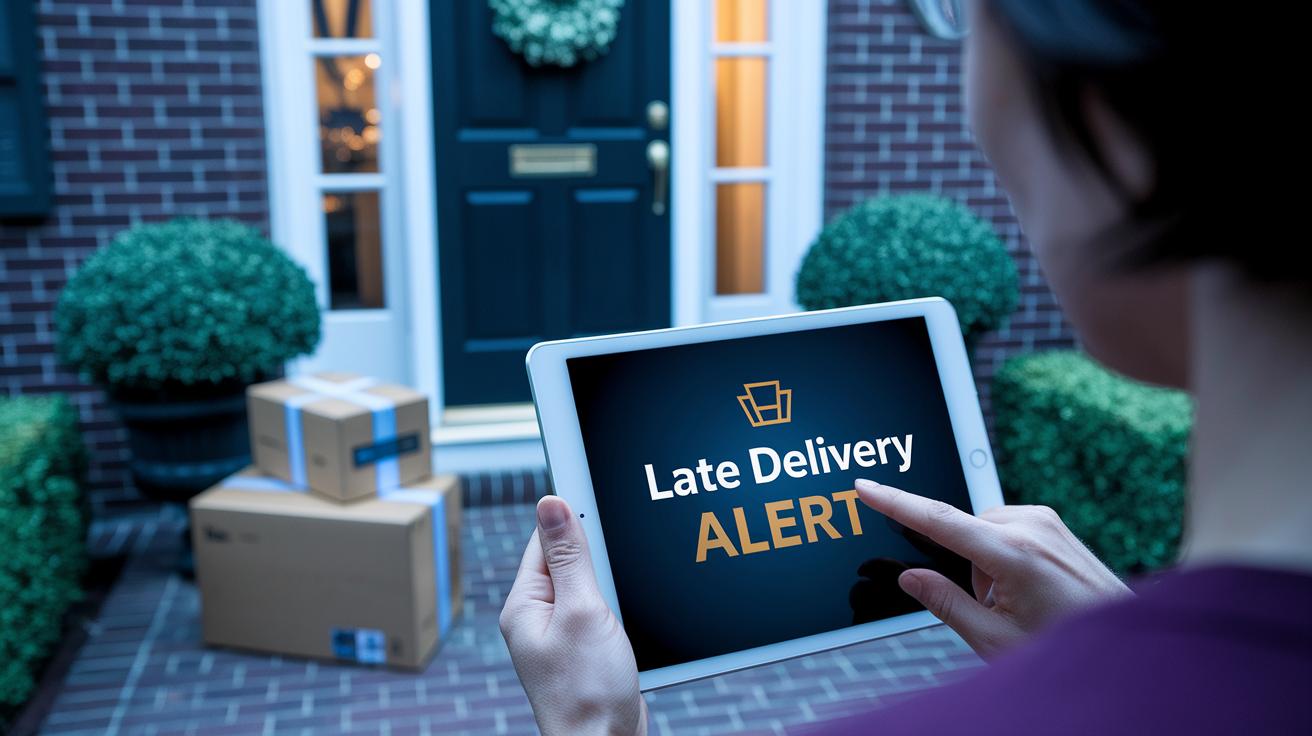
Seventy percent of consumers say they lose trust in a brand after one poor delivery experience. Companies that deliver on time enjoy a boost of 15 points in their Net Promoter Scores. Missed or stolen packages cause about 80% of customer service calls and can reduce repeat purchases by 20%. This shows that reliable delivery is key to keeping customers happy and loyal.
Poor delivery performance not only frustrates customers but also weakens overall trust. Every mishandled delivery sends a negative ripple through customer reviews. One unhappy consumer might remark, "I wouldn’t order from a company where my package is constantly delayed." Such feedback highlights the importance of meeting delivery promises to maintain strong customer relationships.
Quick complaint resolution can change things. When companies resolve issues within 24 hours, they recover up to 60% of unhappy customers. Firms that invest in strong customer trust programs see fewer complaints, build better reputations, and improve retention. By adding advanced tracking and notification systems, companies can offer real-time updates, reduce frustration, and rebuild trust. This approach turns delivery setbacks into chances for better service.
Mitigation Strategies for Last Mile Delivery Problems
Businesses are using new tools to cut costs and reduce risks from failed deliveries and theft. Modern tech makes routes shorter, boosts delivery accuracy, and secures drop-offs. For example, AI route optimization (using smart software to plan the best paths) can cut route lengths by 20-40%. Real-time tracking apps improve delivery precision by 25%. Sensor-enabled packages watch for damage, and secure lockers or alternate drop points cut unsupervised delivery risks by up to 50%. Connecting order management systems with warehouse operations also improves order accuracy and speeds up delivery.
| Strategy | Description | Impact on Success | Implementation Effort |
|---|---|---|---|
| AI-driven Route Optimization | Uses smart algorithms to pick the shortest and best routes by checking live traffic and road conditions. | Cuts route lengths by 20-40% and lowers fuel and labor costs. | High – needs advanced software and detailed data feeds. |
| Real-Time Tracking Enhancements | Uses digital tools to update delivery progress instantly and show precise locations. | Increases delivery accuracy by 25% and boosts customer satisfaction. | Medium – requires updating current tracking systems. |
| Autonomous Lockers and Designated Drop Points | Offers secure, unattended locations for parcel pick-up to lessen theft risks. | Reduces unsupervised drop theft by up to 50%. | Medium – needs investment in hardware and secure site setup. |
| Integrated OMS and WMS Systems | Links order management with warehouse operations to keep inventory and deliveries in check. | Enhances overall order accuracy and speeds warehouse-to-door processes. | High – involves full software integration and staff training. |
These methods work together to tackle common issues like timing problems and unsupervised drop-offs. Dynamic rerouting, which adjusts routes during heavy traffic or bad weather, can lower failed delivery risks by 15%. This blend of strategies gives logistics teams better tools to meet customer needs and reduce costs.
Real-World Case Insights on Last Mile Delivery Challenges

In the last quarter of 2023, a major retailer tackled urban route problems head-on. They introduced AI-powered route planning to cut down on missed deliveries. This new method reduced missed deliveries by 35% and proved that smart planning can stabilize operations in a tough e-commerce market.
In São Paulo, a pilot project addressed theft and package security. The company set up smart lockers that operate without direct supervision. This secure drop-off approach slashed parcel theft by 50% and boosted quick service in busy city areas.
Another logistics firm focused on boosting customer satisfaction. They paired dynamic driver dispatch with real-time tracking. This change increased same-day delivery success from 60% to 90%, showing that improvements in supply chain management can deliver fast, reliable service.
Final Words
In the action from cost breakdowns to real-world case insights, the post examines the intricate issues plaguing last mile operations. Each section highlights delivery delays, theft risks, and the growing pressure to meet consumer expectations.
Key strategies and case studies offer clear guidance for overcoming operational challenges. This discussion sets a positive tone while drawing attention to last mile delivery problems: failed deliveries, theft, and customer experience.
FAQ
What were the last mile delivery issues regarding failed deliveries, theft, and customer experience in 2022?
The key delivery issues in 2022 included frequent failed deliveries, parcel theft, and declining customer satisfaction. Limited tracking and complex routes led to delays and raised operational costs.
How does last mile delivery optimization benefit companies?
Improving last mile delivery through optimized routes, smart tracking, and dynamic rerouting cuts labor and fuel costs while reducing delays, which ultimately boosts the consumer delivery experience.
What challenges commonly impact last mile delivery operations?
Last mile delivery faces challenges such as route complexity, inaccurate addresses, strict delivery windows, and theft risks. These factors increase costs and create pressure to meet faster delivery expectations.
What insights does last-mile delivery research provide?
Research indicates that rising consumer demands and complex routes drive up delivery costs. It also emphasizes the need for technology that streamlines operations and improves overall service reliability.
How is the last mile problem in public transportation similar to delivery challenges?
Both sectors struggle with the “last mile” gap that connects main transit points to final destinations. This challenge results in inefficiencies and delays that affect overall service reliability.
How does e-commerce last-mile logistics impact cities?
E-commerce last-mile logistics can congest urban streets, increase operational costs, and complicate parking and loading. This urban strain calls for better planning and innovative delivery solutions to ease city disruptions.