

Do workplace rights truly help workers? Recent updates in labor law are making a real difference. New legal standards promise fair wages, safer work environments, and better treatment for millions. These victories clear away outdated practices and replace them with straightforward rules that affect everyday work life. New guidelines on pay and safety show how these reforms work for both companies and workers. Here are five key wins that are creating a fairer and more reliable work setting.
Comprehensive Overview of Labor Rights Law
Labor rights law sets out clear rules for both employers and employees. It explains what businesses must do and what protections workers have. These rules ensure that every worker receives fair wages, safe working conditions, and a proper work environment. Key federal laws like the Fair Labor Standards Act (which sets minimum wage and overtime rules) and the National Labor Relations Act (which governs union rights) offer a consistent set of guidelines nationwide.
Federal laws cover nearly 150 million workers. They are enforced through more than 180 regulations by over 25 Department of Labor offices. At the same time, state laws often provide extra protections. Some states offer higher minimum wages, better leave options, and stricter safety rules. This layered approach guarantees all workers have national protections while also addressing local challenges.
- Wage & hour
- Health & safety
- Anti-discrimination
- Collective bargaining
- Benefits & leave
- Whistleblower protections
Enforcement of these rights takes many forms. The Department of Labor’s Wage and Hour Division monitors fair pay practices. OSHA ensures that workplaces meet safety standards. The Equal Employment Opportunity Commission looks into discrimination claims, and the National Labor Relations Board manages union and collective bargaining issues. Together, these agencies keep employers accountable and protect workers from mistreatment. A recent case saw stronger oversight lead to heavy penalties for companies breaking overtime rules. This example shows how strict enforcement can discourage bad practices and boost workers’ trust in their rights.
Core Federal Labor Rights Law Statutes

Federal laws set clear rules for workplace fairness. They define wages, workplace safety, and anti-discrimination measures. These laws come with ways to enforce fair pay, safe conditions, and the right to form unions.
Fair Labor Standards Act (FLSA)
The Fair Labor Standards Act sets a federal minimum wage. It requires overtime pay at 1.5 times the base rate for work beyond 40 hours a week or eight hours a day. The law also protects young workers by limiting dangerous tasks and demands clear recordkeeping. This prevents wage fraud and keeps work hours transparent. For example, a warehouse worker received overtime pay after records confirmed extra hours.
National Labor Relations Act (NLRA)
The National Labor Relations Act protects workers' rights to unionize and bargain together. It sets up rules to address unfair practices and supports collective efforts to improve work conditions. For example, employees at a production facility formed a union and successfully negotiated better conditions.
Occupational Safety and Health Act (OSH Act)
The Occupational Safety and Health Act requires employers to use safety programs and training to manage workplace hazards. Regular checks by OSHA and state agencies help maintain these safety standards. For example, a construction firm reduced on-site accidents by using a safety plan with regular audits and focused training.
Title VII of the Civil Rights Act
Title VII bans discrimination in employment based on race, color, religion, sex, or national origin. Recent court rulings have extended these protections to cover sexual orientation and gender identity. This change promotes fair hiring and promotions. For example, one employee noted that Title VII led to a fair promotion process by eliminating biased practices.
Employer Compliance Protocols Under Labor Rights Law

Employers must first identify the labor laws that affect their business. This means looking at rules based on industry, company size, and state regulations. For example, a construction firm faces different wage, safety, and leave rules than a retail store. Mapping these laws to daily operations helps protect workers' rights.
After mapping the rules, companies should document their policies clearly. Regularly updated employee handbooks or compliance checklists make it easy to explain company policies and worker protections. Tools like a business regulatory framework (a system that organizes rules, tracks changes, and assigns responsibilities) can help set up these protocols.
Regular internal and external reviews keep the process on track. Agencies like Wage and Hour, OSHA (the Occupational Safety and Health Administration), EBSA (the Employee Benefits Security Administration), and OFCCP (the Office of Federal Contract Compliance Programs) conduct audits and investigations. Violations can lead to fines, such as $1,000 for each minimum-wage breach or $10,000 for each child-labor violation, in addition to costs from wrongful termination claims. A strong compliance system reduces legal risks and builds a fair workplace.
Workers’ Rights and Protections: Wages, Hours, and Benefits Under Labor Rights Law

Labor rights law makes sure workers get fair pay, steady hours, and essential benefits. These protections help keep things fair and boost productivity. For example, California’s minimum wage is $16.00 per hour starting January 1, 2024. Fast-food workers will earn at least $20.00 per hour from April 1, 2024. Nonexempt employees also earn 1.5 times their regular rate when they work more than eight hours a day or 40 hours in a week. Additionally, workers have rights to breaks and leave that support their health and work-life balance.
| Benefit Type | Eligibility | Key Provisions |
|---|---|---|
| Minimum Wage | All nonexempt employees | $16.00/hr statewide; $20.00/hr for fast-food from Apr 1, 2024; local rates may vary |
| Overtime Pay | Nonexempt employees | 1.5× regular rate for work beyond 8 hours/day, 40 hours/week, or on a 6th workday |
| Paid Sick Leave | Eligible after 30-90 days of service | 40 hours per year; available via accrual or upfront options |
| CFRA/FMLA | Employees meeting service requirements | Up to 12 weeks unpaid leave for health issues or bonding; plus 5 days for bereavement |
| Workers’ Compensation | Workers injured on the job | Covers medical costs, disability (temporary or permanent), retraining, and death benefits |
| Meal & Rest Breaks | All eligible on-duty employees | 30-min unpaid meal break; one 10-min paid rest break per 4 hours, with adjustments for outdoor workers |
These rules are strictly enforced. Employers must adjust wages every year, with increases capped at 3.5 percent to match inflation. Paid sick leave and break rules help workers stay healthy and perform well. Laws like CFRA and FMLA protect jobs during personal or family health problems. Workers’ compensation covers costs after workplace injuries. Together, these rules hold employers accountable and create a fair, balanced work environment.
Dispute Resolution and Enforcement in Labor Rights Law
Workers have several formal channels to enforce their rights. They can file complaints with key agencies such as the Wage and Hour Division, OSHA, EBSA, OFCCP, EEOC, NLRB, Merit Systems Protection Board, and the Immigrant & Employee Rights Section. These bodies handle workplace grievances and investigate claims, giving workers clear legal options when their rights are breached.
Besides government-led investigations, workers can also take issues to court. Laws like the Fair Labor Standards Act (FLSA), Title VII, the Americans with Disabilities Act (ADA), and the National Labor Relations Act (NLRA) allow individuals to seek remedies for unfair practices. This court route can help secure compensation and force corrective actions, reinforcing protection under the law.
Many collective bargaining agreements also offer alternative dispute resolution methods such as mediation and arbitration. These processes allow unions to manage conflicts more swiftly and outside of traditional courts. For guidance on building effective compliance and grievance programs, resources in governance, risk, and compliance can be very useful.
5 labor rights law wins for worker fairness

Different state and regional rules give workers more benefits. Local laws can sometimes protect workers better than broader international guidelines.
California leads with strict workplace rules. Employers must follow state safety rules by setting up safety programs and providing regular training. Starting July 1, 2024, companies need a written plan to prevent workplace violence. The California Fair Employment and Housing Act also requires businesses with five or more workers, including volunteers and contractors, to enforce strong anti-discrimination and harassment rules. For example, if an employee is let go, final wages must be paid immediately to ease financial stress during transitions. These steps set high standards for fairness and accountability.
California also does well with wage and leave rules. The state makes sure workers receive fair pay and proper leave. It even sets clear limits on work hours for minors. Such rules show how focused legal measures can strongly protect workers.
Other places, like the UAE under Labour Law No. 8/1980, have different standards. Their rules on work hours, leave, and end-of-service benefits vary from those in California. This contrast highlights why it’s important to know local laws to understand the full benefits workers can receive.
5 labor rights law wins for worker fairness
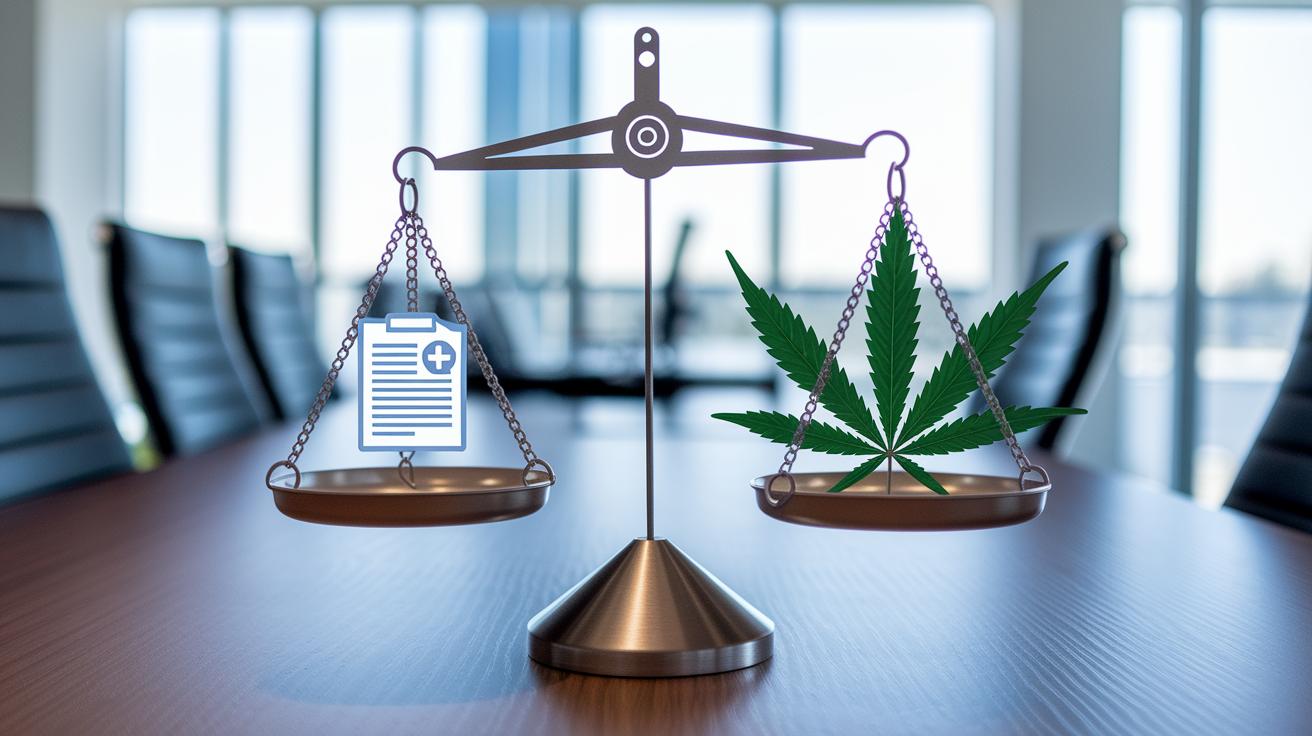
Recent legal changes target new work models that matter. New laws fight against worker misclassification in the gig economy and update employer rules as states discuss cannabis legalization.
Between 2018 and 2021, several states and agencies pushed reforms to protect gig workers. These laws now require employers to maintain clear digital records of job criteria, a solid win for workers who once missed out on standard protections.
In states considering cannabis legalization, updated drug-testing policies now aim to balance employee privacy with workplace safety. A rideshare driver noted that new digital protocols have replaced unclear practices with reliable standards.
Lawmakers are also focusing on remote work. They are drafting rules to control digital surveillance and enforce fair scheduling in nontraditional roles. New gig work dispute resolution measures offer straightforward ways for workers to hold employers accountable. One freelance designer said a fresh checklist of rights has brought true transparency to their work environment.
Final Words
In the action, the blog post traced the framework of labor rights law while covering federal statutes, employer compliance, worker protections, and dispute channels.
It highlighted state-specific differences and modern legal trends that affect platforms and traditional businesses alike.
The detailed analysis provides actionable insights for facing regulatory changes and market pressures. This clear, data-driven overview helps leaders make strategic decisions with confidence and optimism.
FAQ
What are the major labor laws in the United States?
The major labor laws in the United States include the Fair Labor Standards Act, National Labor Relations Act, Occupational Safety and Health Act, and Title VII, which govern wages, union rights, workplace safety, and discrimination protections.
What are the primary employee rights under US labor laws?
The employee rights under US labor laws cover fair wages, safe working conditions, protection from discrimination, the right to unionize, and access to benefits like leave and overtime compensation.
How do labor laws affect work hours for hourly employees?
Labor laws affect work hours for hourly employees by setting overtime rules, limiting daily and weekly hours, and ensuring that minors and other vulnerable groups receive special protections.
What defines an unfair labor practice?
An unfair labor practice is defined as any employer action that interferes with union organization, collective bargaining, or the exercise of workers’ rights, making such practices illegal under US labor law.
How and where can I file a complaint for labor law violations?
Filing a complaint for labor law violations involves contacting the appropriate Department of Labor division—such as the Wage and Hour Division or OSHA—and following the provided filing process on their official website.
Where can I find labor law information resources like PDFs and posters?
Labor law information resources, including PDFs and posters, are available through official government websites, where downloadable materials on labor laws and employee rights are provided.
What are the three most important HR laws for organizations?
The three most important HR laws for organizations are the Fair Labor Standards Act for wage and hour regulations, Title VII for anti-discrimination standards, and the National Labor Relations Act for protecting union and collective bargaining rights.