
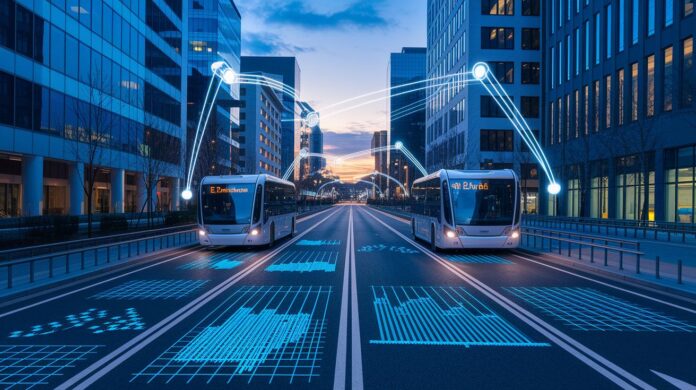

Are our cities ready to get smarter? New sensors and data are changing how we get around. Internet of Things (IoT) sensors and analytics turn ordinary streets into flexible systems that react to real-time events.
These networks help city teams track traffic and spot issues before delays happen. This technology boosts safety and efficiency while guiding smarter urban planning. By quickly adjusting to traffic changes, cities can cut congestion and reduce energy use, setting a new benchmark for sustainable transport.
Realizing Intelligent Urban Mobility through IoT and Data Analytics
Cities are evolving by linking smart sensors, digital platforms, and personal devices. They now use real-time data to build transport systems that are safer and more efficient. Devices constantly send information. This data, combined with IoT (Internet of Things) and AI (artificial intelligence), lets urban mobility systems better manage traffic and energy use. Urban planners use tools like platform analytics to quickly spot issues and design smarter transport networks.
City officials now have the tools to monitor conditions as they happen and adjust on the fly. They collect streams of data from connected networks, which helps them react promptly to traffic surges and equipment failures. This integrated approach detects problems early, supports quick fixes, and sets the stage for sustainable infrastructure that drives future growth.
- Real-time traffic optimization that adjusts signals based on flow conditions
- Predictive maintenance that identifies issues before delays occur
- Improved energy management through adaptive lighting and HVAC controls
- Enhanced operational efficiency via continuous system monitoring
- Reduced congestion by rerouting traffic during peak times
- Data-informed decision making that shapes urban planning efforts
Merging IoT sensor data with advanced analytics turns normal transport operations into dynamic control systems. This feedback loop lets data guide quick adjustments, keeping cities agile and responsive. Decision-makers can base policies on accurate, real-time information. The result is a safer, leaner, and more sustainable urban environment.
Deploying IoT Sensor Networks for Urban Mobility Monitoring
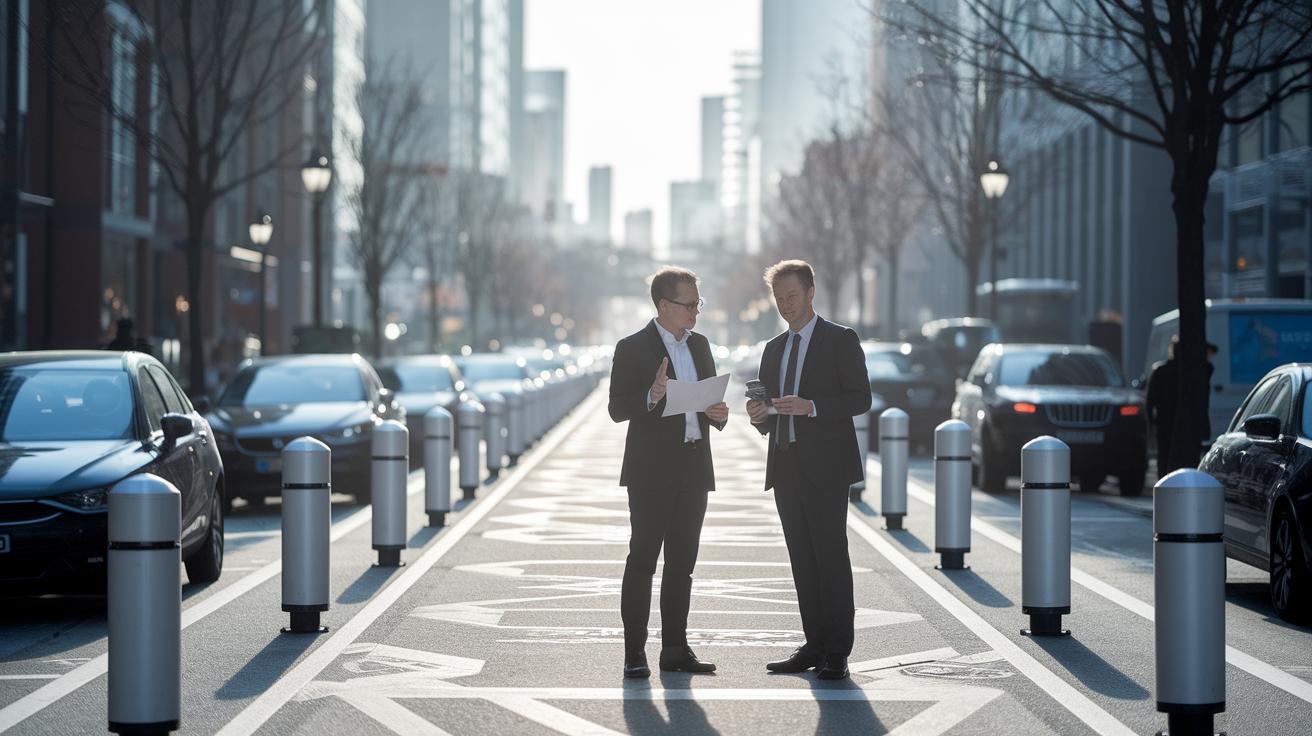
City planners start by surveying key sites to pinpoint where data is most needed. They focus on busy corridors, crowded intersections, and industrial areas to capture crucial metrics such as greenhouse gases, particulate matter, water pollution, and noise levels. For example, a city official might test an intersection to check how fast air quality sensors respond, ensuring these devices provide reliable readings where they matter most.
Next, planners map out the network layout. Urban settings require sensors that communicate smoothly across different neighborhoods. A smart network design positions sensors and data hubs in optimal spots, much like a digital web that pulls together real-time traffic updates.
Finally, ongoing maintenance is crucial. Regular checks, firmware upgrades, and troubleshooting help keep sensor data accurate. Technicians often visit sites to adjust sensor placement and recalibrate devices, ensuring the system stays reliable and effective for urban mobility needs.
Architecting Data Analytics Platforms for Urban Mobility Insights
Building a smart urban mobility system starts with gathering data. Sensors in traffic signals, public transit fleets, and street infrastructure constantly send secure streams of information. This data is collected in central cloud or edge storage, creating a live view of the city's movement.
Once collected, raw data is turned into actionable insights. Modular microservices and simple AI tools analyze the streams, spotting unusual patterns before they become larger issues. For example, sensors on bridges and roads are processed right at the network's edge to predict when maintenance is needed. By merging different data types, the system keeps a close watch on infrastructure while helping reduce repair costs.
Visualization tools then make sense of this large volume of information. Interactive dashboards show key figures like traffic density, energy use, and equipment condition in clear, easy-to-read layouts. Leaders can quickly spot trends and address emerging issues. This straightforward display ensures that every stakeholder understands the situation right away.
Digital twin technology further boosts the system. It creates a virtual copy of urban mobility networks, so planners can test scenarios like rerouting traffic or trialing maintenance strategies without affecting live operations. This virtual model serves as both a predictive guide and a diagnostic tool, helping planners fine-tune real-world implementations after testing in the digital space.
Real-World Case Studies in IoT-Driven Urban Mobility Systems
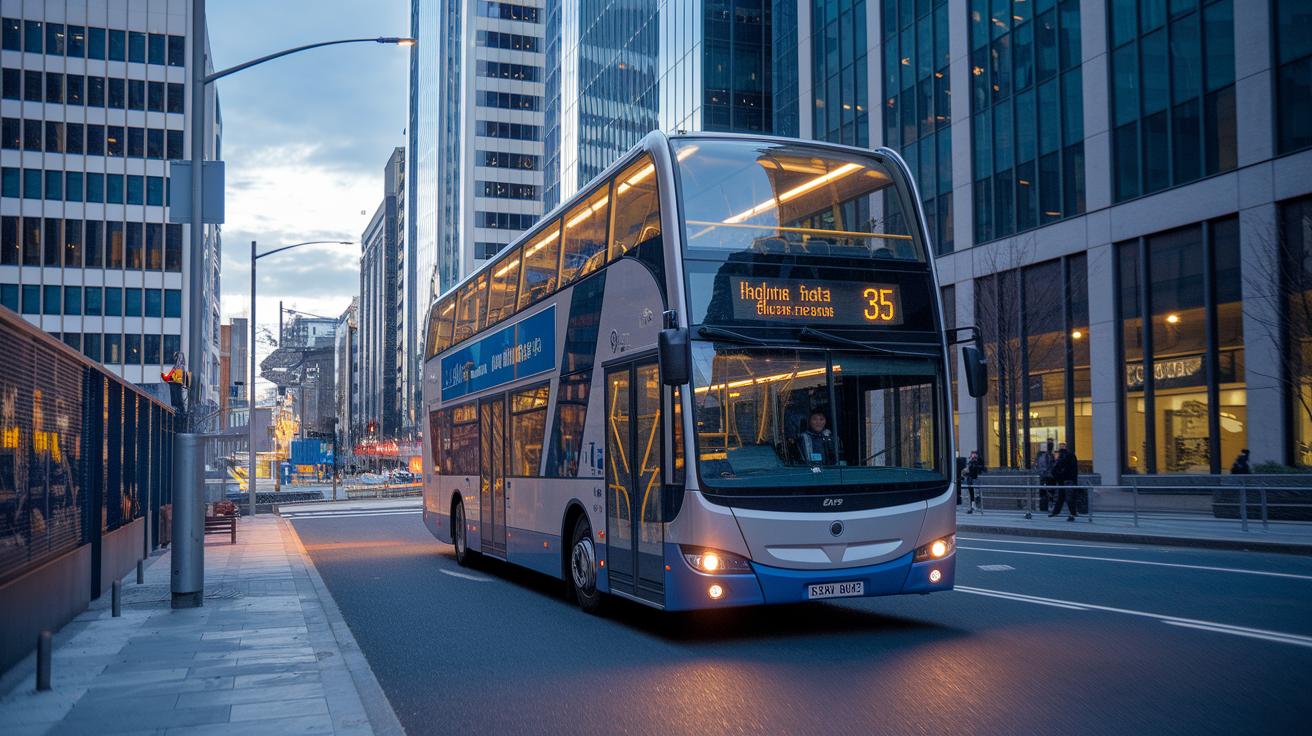
Real-world examples show how technology is reshaping urban mobility. Modern cities use connected sensors (IoT) and data analysis to manage fleets, share resources, and streamline operations. Sensor data gives early warnings that boost efficiency, improve safety, and lower costs in both public transit and micro-mobility services.
Predictive Maintenance for Bus Fleets
Buses fitted with engine sensors send live updates to maintenance teams. These sensors track key details like temperature and vibration to spot problems early. This proactive method cuts downtime and reduces repair costs by scheduling service only when needed. One city, for example, saw fewer disruptions after using real-time alerts from its bus fleet.
Telematics-Enabled Micro-Mobility Sharing
Bike and scooter-sharing programs now depend on telematics, which are devices that track vehicles in real time. They provide updates on battery life, speed, and usage. Operators use this data to reposition vehicles quickly, ensuring they are where riders need them most. This smart approach improves asset placement and meets demand during busy periods.
Heat Mapping for Crowd Flow in Transit Hubs
Urban transit hubs use heat-mapping technology to study crowd movement and density. Real-time data from cameras and sensors helps operators adjust routes and manage flows. These insights ease congestion, trim wait times, and enhance safety during rush hours.
| Project | Technology | Outcome |
|---|---|---|
| Predictive Maintenance | Engine monitoring sensors | Less downtime and lower repair costs |
| Telematics for Micro-Mobility | Real-time tracking devices | Better asset placement |
| Heat Mapping in Transit Hubs | Crowd analytics tools | Smoother flows and shorter wait times |
Addressing Security and Interoperability in IoT-Enabled Mobility Analytics
Cities use encryption systems to protect data as it moves between devices. A transit authority might secure bus sensor data with encrypted channels that send information to a central server. This process keeps personal data private even during fast transfers and meets legal rules.
Strong data management helps different devices work together. Light hardware gateways and standard APIs let IoT devices share information easily. Detailed logs, access audits, and role-based permissions control who can see or change the data. It works much like a network of locks and keys that only allows trusted connections.
Public and private partners help fund these secure systems. By sharing costs, they ease the high expenses of building robust, interoperable frameworks while ensuring ongoing support. City officials, tech providers, and policymakers team up to maintain secure data flows and smooth communication across various devices, reducing risks and continuously improving urban mobility analytics.
Emerging Technologies: 5G, Edge Computing, and Digital Twins in Urban Mobility Analytics
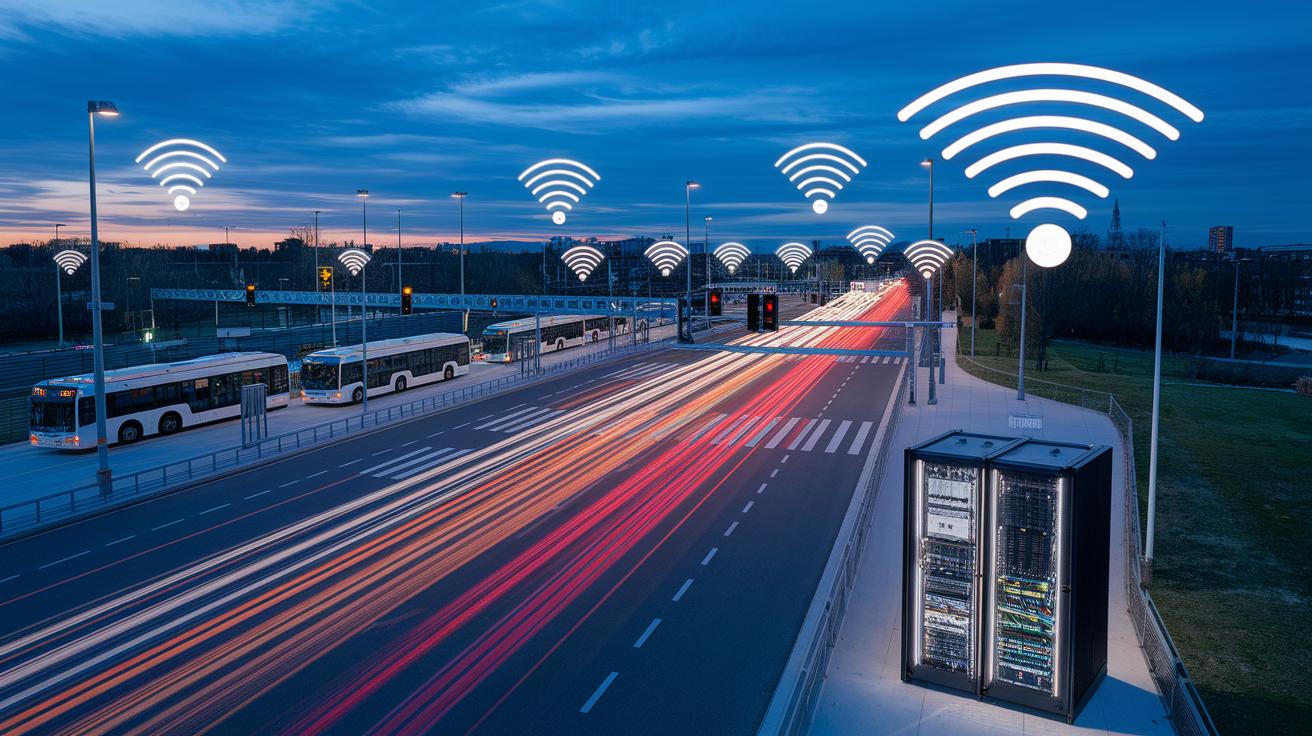
5G networks are powering faster, smarter urban transit. They send data from buses, traffic lights, and public safety sensors almost instantly to central systems. This immediate transfer means city authorities can issue alerts and adjust traffic controls as soon as situations change. It helps create a responsive system that can adapt the moment conditions shift.
Edge computing handles this continuous flood of data right where it is generated. By processing information locally, these nodes spot incidents and unusual events without waiting for a central analysis. This approach shortens the reaction time and eases the load on big data centers. In situations where every second counts, edge computing plays a key role in keeping city traffic fluid.
Digital twins build a virtual version of the urban mobility network, offering a sandbox for testing changes. Planners can simulate scenarios like rerouted traffic or emergency responses to see what works best. This controlled setting helps improve strategies and leads to more efficient, data-driven transit operations.
Policy Frameworks and Governance for Scaling IoT Data Analytics in Urban Mobility
City planners are now creating clear rules to manage sensor and camera data. These rules cover privacy, data sharing, and open APIs (interfaces that let different systems talk to each other). They aim to protect citizens while supporting smart city planning and sustainable growth.
Municipal agencies and specialized committees oversee these projects. They work closely with IT experts to turn regulatory requirements into real-world actions. This teamwork streamlines decision-making and sets standards for future projects.
Funding and procurement increasingly depend on public-private partnerships. These partnerships share financial risks and tap into the expertise of tech providers, city planners, and financial institutions. Cost-sharing and performance-based contracts help manage large-scale IoT deployments and encourage ongoing upgrades in urban technology.
City officials, technology providers, and community representatives each play a clear role in designing data-driven policies. Their combined insights foster transparent governance and accountability. By including a broad range of experts, cities can better use data analytics to improve resource allocation and enhance sustainability.
Final Words
In the action, our coverage traced how IoT sensor networks, robust data analytics platforms, and real-world applications are fast-tracking smarter urban mobility. We showed how cities leverage digital platforms to reduce congestion, boost maintenance accuracy, and optimize planning. Each section clarified technical setups, security measures, and policy frameworks that guide these advancements.
Integrating IoT and data analytics in urban mobility systems paves the way to safer, more efficient city transport, promising a brighter, sustainable future.
FAQ
Frequently Asked Questions
What does intelligent urban mobility transformation using IoT and data analytics involve?
The intelligent urban mobility transformation integrates IoT sensors and AI to monitor traffic, adjust energy consumption, and inform city planning, leading to safer and more sustainable urban environments.
How do IoT sensor networks improve urban mobility monitoring?
The IoT sensor networks improve urban mobility monitoring by collecting data on pollution, noise, and traffic flows, enabling officials to optimize transport systems and enhance overall urban infrastructure.
What are key components of data analytics platforms for urban mobility insights?
The key components include data ingestion from smart sensors, real-time processing on cloud or edge nodes, and visualization tools like digital twins, which enable predictive maintenance and data-driven decision making.
How have case studies demonstrated IoT benefits in urban transport systems?
The case studies demonstrate IoT benefits by reducing bus fleet downtime through predictive maintenance, improving asset distribution in micro-mobility sharing with telematics, and decreasing wait times using crowd density mapping.
What security and interoperability measures support IoT-driven mobility analytics?
The security and interoperability measures support IoT mobility analytics by enforcing encryption, access controls, and standardized APIs, which secure data privacy and ensure seamless integration across diverse sensors and systems.
What role do emerging technologies like 5G, edge computing, and digital twins play in urban mobility analytics?
The emerging technologies enhance urban mobility analytics by providing high-throughput data transfer, facilitating localized processing for immediate insights, and simulating traffic scenarios to test routing and planning strategies.
What policy frameworks enable scalable IoT data analytics in urban mobility?
The policy frameworks enable scalable IoT analytics by setting data-sharing regulations, establishing public-private partnerships for funding, and creating governance structures that maintain accountability and privacy compliance.