
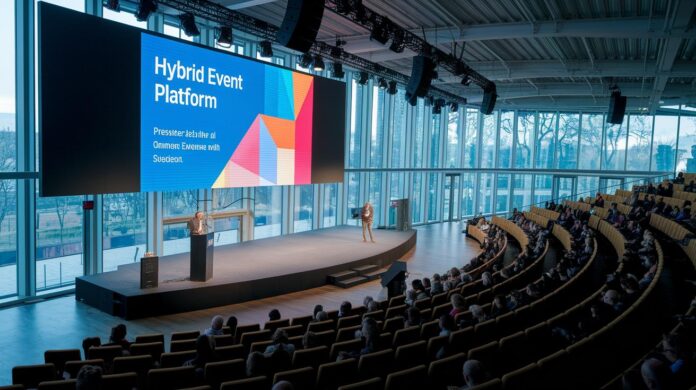

Do you find events frustrating when some parts are in person and others are online? A hybrid event platform combines these elements into one smooth experience. You get the buzz of a live gathering while staying connected with virtual attendees. This single tool handles everything from quick check-ins and on-demand sessions to live networking. It reduces hassle and lets you focus on what truly matters. Discover how this solution makes planning easier and boosts engagement at every step.
How hybrid event platforms unite in-person and virtual audiences

Hybrid event platforms connect in-person and online experiences into one smooth solution. They take care of on-site check-ins and online engagement with a single agenda, sponsor spots, and interactive tools like live chat, gamification, and AI-powered matchmaking. For instance, at a conference, attendees might use a mobile app to network in real time while watching keynotes streamed live.
Key functions include:
• Easy registration and session tracking
• Virtual meeting rooms and networking lounges
• Support for on-demand sessions and regional connections
This one-tool system lets planners manage everything from registration to post-event analytics. The interface handles digital booths and physical exhibits together. For example, registration could use barcode scans or facial recognition while providing access to live digital events. Detailed analytics capture engagement from both audiences, so organizers get a complete view and can act fast, boosting both efficiency and overall event impact.
Core features to evaluate in a hybrid event platform
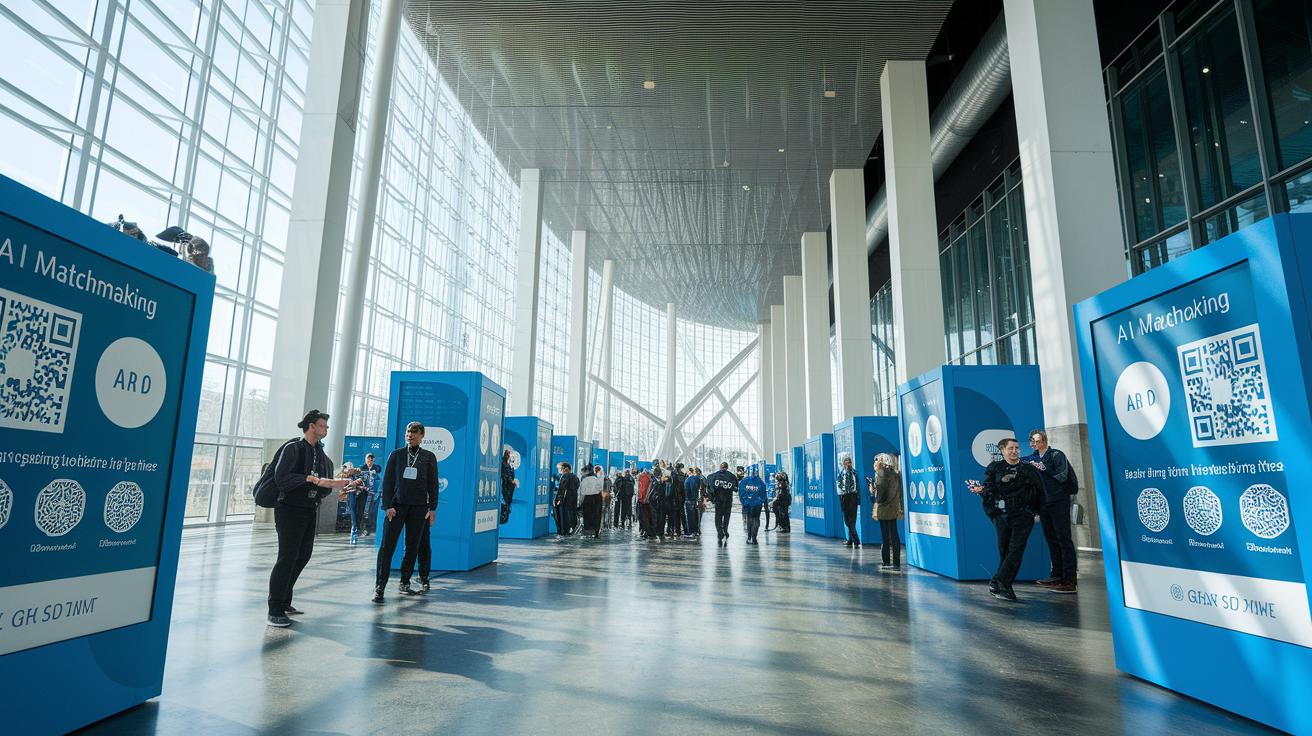
Organizers need a versatile tool that manages every event stage, from easy registration to interactive sessions that keep audiences engaged. Key features include AI-powered matchmaking, which pairs participants based on shared interests and background details, and a one-on-one chat module along with virtual networking lounges that let both remote and onsite attendees connect directly. Breakout rooms, live polls, and Q&A tools further enhance real-time interaction between speakers and participants.
Registration is streamlined with QR codes, RFID badges, or facial-recognition kiosks. These methods cut wait times and reduce the need for manual check-ins. Live streaming is also critical; the platform must scale from 50 to 50,000 concurrent viewers to ensure smooth content delivery no matter the audience size.
An integrated analytics dashboard, like the one featured in "Platform Analytics" (https://sharingeconom.com?p=483), offers clear insights. It tracks session attendance, engagement levels, and lead retrieval while linking directly with CRMs like Salesforce or Marketo through API connections. This integration ensures data flows automatically for timely follow-up.
Moreover, these interactive modules work together as a unified system. For example, a live panel can blend digital Q&A, dynamic breakout sessions, and real-time polling, all while capturing important data. This integrated approach helps event planners evaluate the full range of features and guarantees a seamless experience for both physical and virtual audiences.
Technical and integration requirements for hybrid event platforms

A solid hybrid event relies on strong connectivity and smooth integration. Every streaming feed should have an uplink of 5–10 Mbps. Backup options like extra encoders or CDN redundancy are essential if the main connection drops.
Onsite audiovisual feeds use protocols such as NDI or RTMP to deliver live content without delay. Platforms connect with customer management and marketing tools like HubSpot, Veeva, or Eloqua using REST APIs or webhooks. This setup makes it easier to move data and automate follow-up actions. Mobile support should work through responsive web design or native apps on iOS and Android so that attendees can join from any device.
Cloud-based streaming adds extra resilience. By hosting events on the cloud, platforms offer a reliable experience even under heavy loads. This technical framework keeps every digital touchpoint aligned with onsite operations, ensuring a smooth, uninterrupted event for all participants.
Pricing models and transparent cost structures for hybrid event platforms

Hybrid event platforms have pricing plans tailored to different event sizes and needs. Providers often offer tiered subscriptions like Basic, Pro, and Enterprise so organizations can choose what works best for them. Some platforms charge per attendee or per event, meaning costs increase with each participant or session. Other platforms bundle all features into one package, which helps make costs more predictable.
When choosing a platform, decision-makers should look for transparent fee structures with no hidden charges. Providers such as EventMobi or Bizzabo might show fixed monthly fees, while others require custom quotes based on specific requirements. Many platforms also offer trial programs or demo walkthroughs for 7 to 14 days. These tests let event planners explore key tools, like registration and integrated analytics dashboards, with a limited number of attendees. This way, users can see how the platform fits into their existing workflows and meets their budget needs before making a long-term commitment.
Security and compliance considerations in hybrid event platforms

Hybrid event platforms must ensure every piece of data stays safe during an event. They use encryption in transit with TLS 1.2+ and encryption at rest with AES-256. This protects sensitive details from being intercepted or leaked. For example, when attendees sign in with biometric features, the encrypted connection keeps their data secure.
The platforms also use role-based access control, single sign-on (using SAML or OAuth), and multi-factor authentication. These methods make sure that only authorized people can log in. For instance, a platform might require multi-factor checks for VIP sessions, verifying each user before they join.
Meeting key privacy rules is also important. Platforms follow regulations like GDPR, CCPA, and HIPAA for health conferences. These rules set strict standards for data handling. SpotMe, for example, works with top life sciences companies by providing secure systems that meet these standards.
For more details on encryption and access methods, see the resource “Cloud Computing Security Best Practices” (https://smartfinancialtrends.com?p=551).
Key success stories from leading hybrid event platforms

SpotMe showed how blended event solutions work at a pharmaceutical symposium for GSK. At this event, 5,000 people attended in person while 2,000 joined online. The platform used live polls and automatic customer relationship management (CRM) syncing to keep everything connected. For example, during panel discussions, live polls helped organizers quickly collect feedback, and the CRM sync allowed sales teams to follow up without delay. This method boosted online engagement by 35%, making it a strong option for companies that need solid data collection combined with interactive features.
Hopin proved its strength at a global developer conference. The platform managed 10,000 participants by running multi-track live studio streams with minimal hiccups. Each session maintained high production quality, even across different technical tracks. Organizers benefited from a 40% drop in production costs due to more efficient digital workflows that cut down on manual tasks. For instance, scheduled content played smoothly alongside unscripted live interactions, showing that a digital-first approach can reduce costs while keeping audiences engaged.
BigMarker impressed with its advanced event tools at an expo that gathered 8,000 registered attendees. It used ultra-realistic 3D booths and smart lead retrieval features to create immersive virtual experiences. Attendees could navigate digital booths that closely resembled real-life venues, which helped build stronger connections and resulted in a 50% rise in qualified leads.
Key metrics from these case studies:
- 35% boost in virtual engagement with SpotMe
- 40% reduction in production costs with Hopin
- 50% increase in qualified leads with BigMarker
These examples show how leading hybrid event platforms deliver clear business benefits by seamlessly linking in-person and online experiences.
Choosing the right hybrid event platform: comparative decision factors

Event planners need a simple framework to compare tools for both onsite and remote audiences. This side-by-side view shows which features matter most. For example, interactive options can boost remote engagement while live events benefit from real-time badge scanning.
When you assess a platform, consider these points:
- Feature Set: Look at the range of interactive tools and customization options. A strong feature set can keep remote attendees engaged and make onsite activities more interactive.
- Pricing Transparency: Check for clear fee structures and any extra costs. Knowing the details helps with budget planning and builds trust with vendors.
- Analytics & Reporting: Review the depth of attendee data, available export options, and dashboard capabilities. Detailed metrics help with online follow-ups and allow for real-time tracking during events.
- Support & SLA: Ensure there is reliable 24/7 technical support and training. This support helps resolve issues quickly and keeps onsite events running smoothly.
| Decision Factor | Description | Virtual Impact | Onsite Impact |
|---|---|---|---|
| Feature Set | Range of interactive tools and customization options | Keeps remote audiences engaged | Boosts onsite interactivity |
| Pricing Transparency | Clear fee structures and details on extra costs | Supports accurate budget planning | Builds trust and clarifies ROI |
| Analytics & Reporting | Depth of data, export options, and dashboards | Enables data-rich follow-up | Provides real-time tracking and badge scanning |
| Support & SLA | 24/7 technical support and training resources | Offers rapid troubleshooting for live streams | Ensures onsite AV support and clear staff guidelines |
Industry trends shaping the future of hybrid event platforms
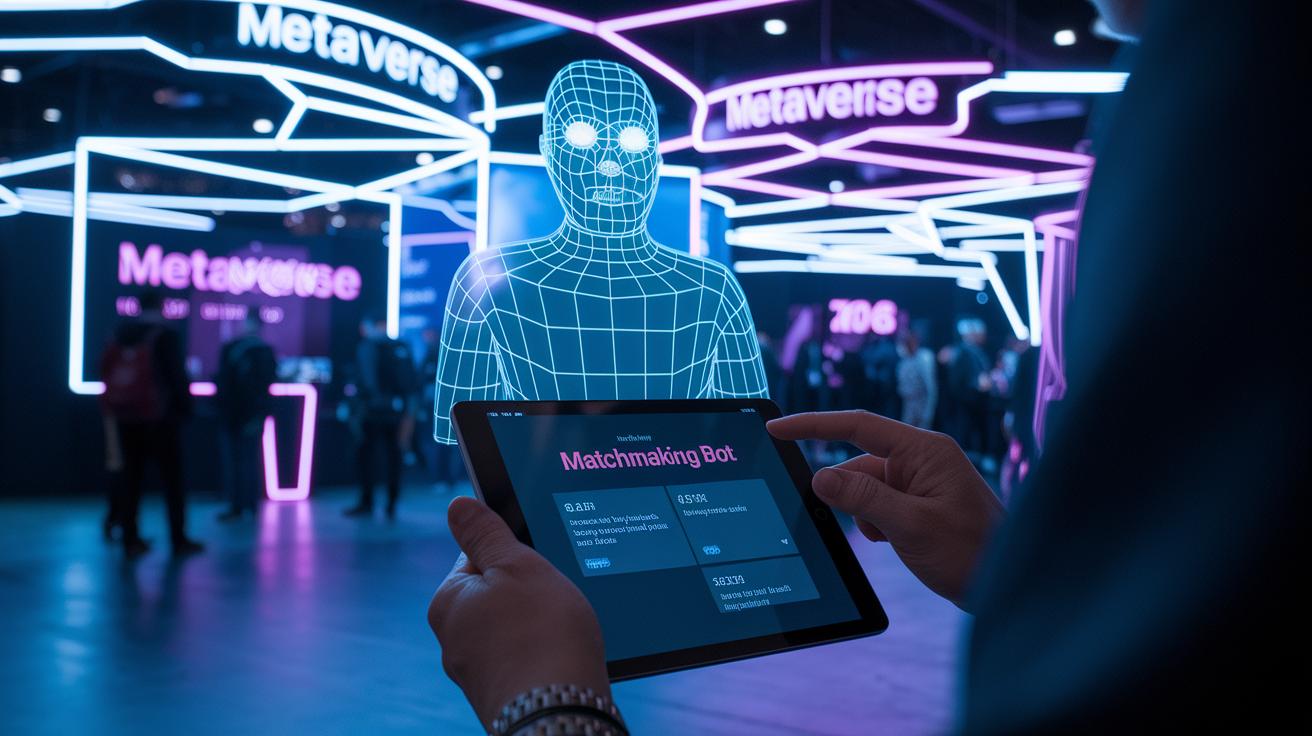
AI-driven networking bots and matchmaking tools are making it easier for event planners to tailor experiences for every attendee. In one recent event, a matchmaking tool quickened connections and boosted networking in both digital and in-person sessions.
Ultra-realistic 3D settings and metaverse environments are gaining ground. Imagine an online expo where visitors explore virtual booths that mirror real venues. VR and AR integrations add an innovative, immersive touch that keeps audiences engaged.
On-demand viewing and multi-day hub-and-spoke formats are reshaping how events are planned. These trends help reduce travel, cut down on printed materials, and widen access. They also support a focus on sustainability and promise a more efficient, future-ready approach to hybrid events.
Final Words
In the action, a hybrid event platform blends live and virtual components seamlessly. The article breaks down core features, technical requirements, transparent pricing, and compliance measures for these systems. Real-life examples show how key players improve engagement and streamline operations. Each section supports smarter choices with clear guidance on features and costs. Enjoy the chance to plan events with confidence and clarity. Embrace a forward-thinking approach using a reliable hybrid event platform that meets evolving market needs.
FAQ
What is a hybrid event platform login?
The hybrid event platform login is the secure entry point that verifies user credentials, enabling both organizers and attendees to access interactive tools and features during events.
What is hybrid event platform pricing?
Hybrid event platform pricing is typically structured with subscription tiers, per-attendee fees, or fixed monthly plans, giving organizers flexibility based on event size and required functionality.
What does “hybrid event platform free” mean?
The term “hybrid event platform free” often describes trial versions offering core features at no cost, allowing organizers to evaluate the system before making a long-term commitment.
What are Zoom Events and the Zoom event platform?
Zoom Events and its event platform combine video meeting technology with event management tools, supporting virtual and hybrid gatherings through session scheduling, attendee engagement, and integrated streaming capabilities.
What are virtual event platforms?
Virtual event platforms are web-based solutions designed to host and manage online events, enabling live streaming, interactive chats, and virtual networking lounges for remote audiences.
What is the Zoom Events hub?
The Zoom Events hub is a centralized section within the platform that organizes schedules, session details, and event content, making it easier for attendees to navigate and participate.
What is a Zoom Events Demo?
A Zoom Events Demo is a guided walkthrough that showcases the platform’s features and interface, helping event planners understand its tools and capabilities before selecting a plan.