
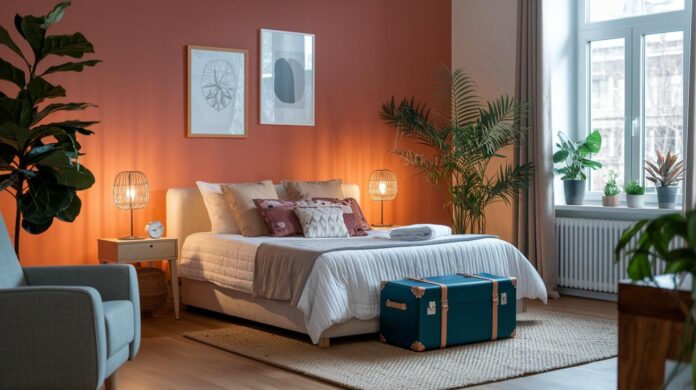

Have you ever thought about using your home to earn extra income? Many people are turning unused spaces into rentals. In this guide, we explain how to research your local market, create a neat and inviting space, and follow local rules. Real-life stories show that careful planning can lead to easy bookings and extra cash. If you’re ready to start, here are the first steps to get going.
Step-by-Step Guide to Turning Your Home Into an Airbnb
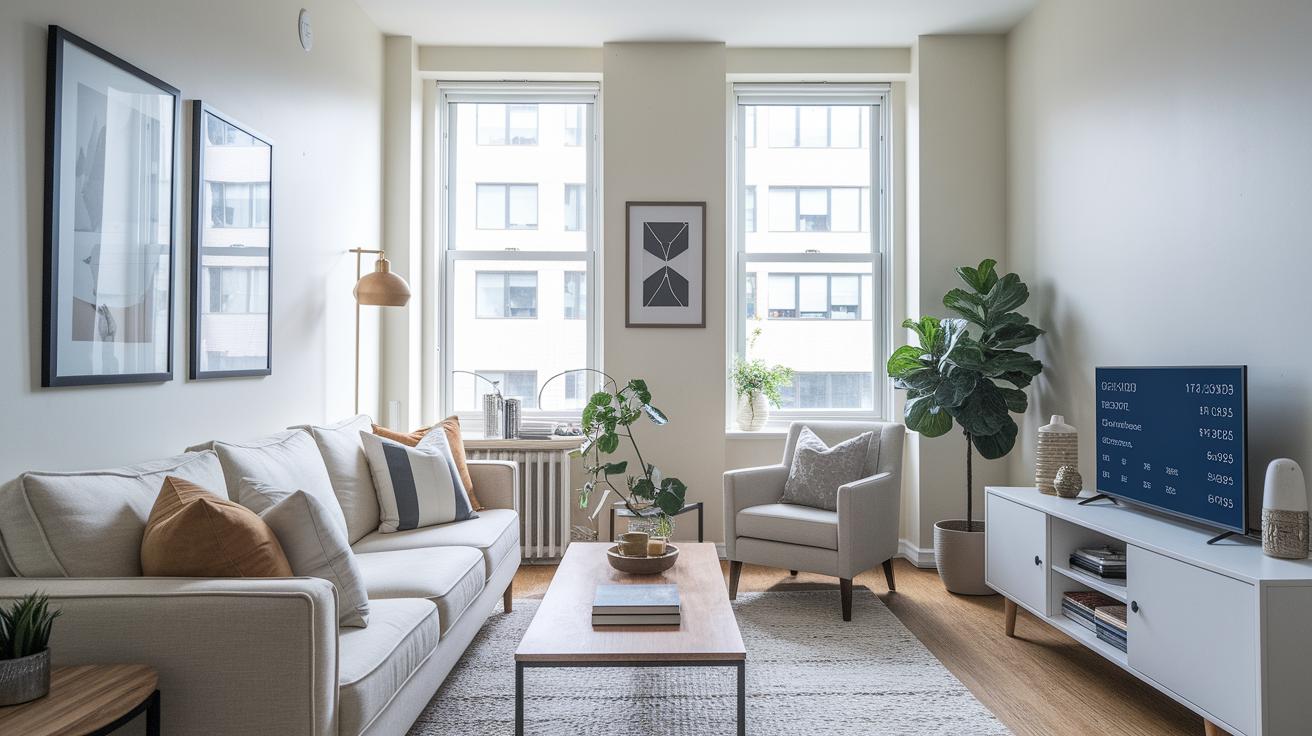
Begin with solid research. Check if your property can be profitable and if you have the time to manage it. Look at local market rates and review city or homeowner rules. One experienced host found that understanding these rules early on saved time and avoided fines. This step is crucial for success.
Next, remove personal items and clutter to create a neutral setting that welcomes guests. Arrange your rooms with simple, clean decor. Consider these actions:
- Look up local pricing trends and guest demand.
- Verify if short-term rental rules or permits are required.
- Balance your time investment against potential profits.
Once the space is ready, take clear, bright photos. Good images help potential guests imagine their stay. One host updated their photos and noticed faster bookings and more inquiries.
Publish your listing only after completing these steps. Write a clear and honest description that highlights unique features and any recent upgrades. Use simple language to show how easy and welcoming your space is.
Set clear house rules and organize a reliable cleaning service to manage bookings. Use automated messages to stay in touch with guests. This organized process creates a smooth experience and can generate extra income. Some hosts have earned over $160,000 in their first two years by following these steps. This result is an encouraging sign for anyone considering listing their home.
Navigating Legal Requirements When Turning Your Home Into an Airbnb
Before you list your property on Airbnb, check that you follow all local rental laws and guidelines. Find out if your city, county, or Homeowners Association (HOA) allows short-term rentals and whether any permits or bans apply. Many areas have zoning rules that may require a permit, which can be costly and hard to get.
It helps to speak directly with local officials. In some parts of the UK, for example, hosts may need to register for VAT if their rental income is high. Not following these rules can lead to fines, removal from the platform, or other penalties that affect your legal ability to rent.
- Verify permit requirements in your city and county.
- Review local rental rules and zoning laws.
- Confirm your HOA’s policy on short-term rentals.
Taking these legal steps early protects your investment. It sets you up for a smooth hosting experience and helps avoid expensive legal issues down the road.
Preparing and Staging Your Home for Airbnb Success
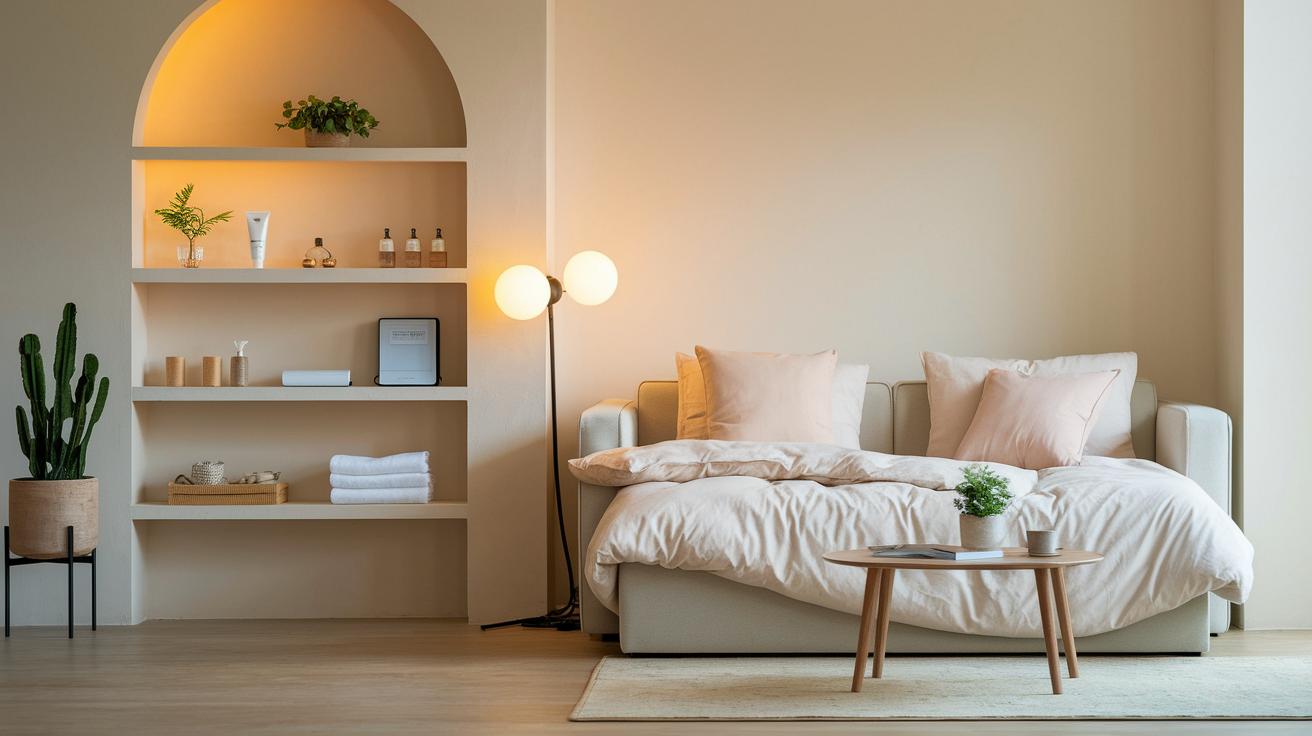
Make your space welcoming by clearing away personal items and using neutral décor. Update your bedding and add practical touches like reliable Wi-Fi and basic toiletries. These changes help guests imagine themselves in your home and can make your listing stand out.
Small upgrades can improve both the look and value of your property. A fresh coat of paint and modern lighting can quickly refresh a room. Also, keep safety in mind. Regularly check your smoke and CO alarms and secure all locks. A safe space builds trust and often earns positive reviews.
Here are six key staging tips for a guest-friendly home:
- Clear clutter and personal belongings to create a neutral setting.
- Choose simple furniture and décor that attract a wide range of guests.
- Refresh bedding and linens for an added touch of comfort.
- Provide essential amenities like high-speed Wi-Fi, extra towels, and toiletries.
- Check alarms and locks regularly to ensure guest safety.
- Invest in small upgrades such as new paint and updated lighting to enhance the space.
Staging is about balancing function with style. A well-prepared room shows that you care about every detail, leading to better guest experiences. For instance, one host replaced personal photos with local art in a common area. This change not only created a cleaner look but also added character that resonated with visitors.
Simple and thoughtful staging can leave a lasting impression. When guests enter a space that feels carefully prepared, it sets the tone for a memorable stay, often leading to repeat bookings and positive feedback.
Developing Pricing Strategies for Your Airbnb Home Rental

Use free profit calculator tools or online rental income estimators to set competitive rates. They help you predict your earnings and show how small adjustments can change your overall profit. One host mentioned that after entering her expenses, a slight weekend rate increase lifted her monthly revenue by 10%.
Start by listing all your costs. Include Airbnb’s service fees (usually 3-5%), cleaning and maintenance charges, and even minor expenses like consumables and extra utilities. This way, you can find your break-even point before deciding on your nightly rate.
Change your prices with the seasons. In slower periods, reducing your price can attract more guests, while busy times allow for higher rates. See the table below for some multiplier suggestions:
| Season | Suggested Price Multiplier |
|---|---|
| Off-Peak | 0.8x |
| Standard | 1.0x |
| Peak | 1.2x |
Review your booking data often. Adjust your rates based on occupancy trends and local events to stay competitive.
Marketing Your Home Listing to Attract Airbnb Guests
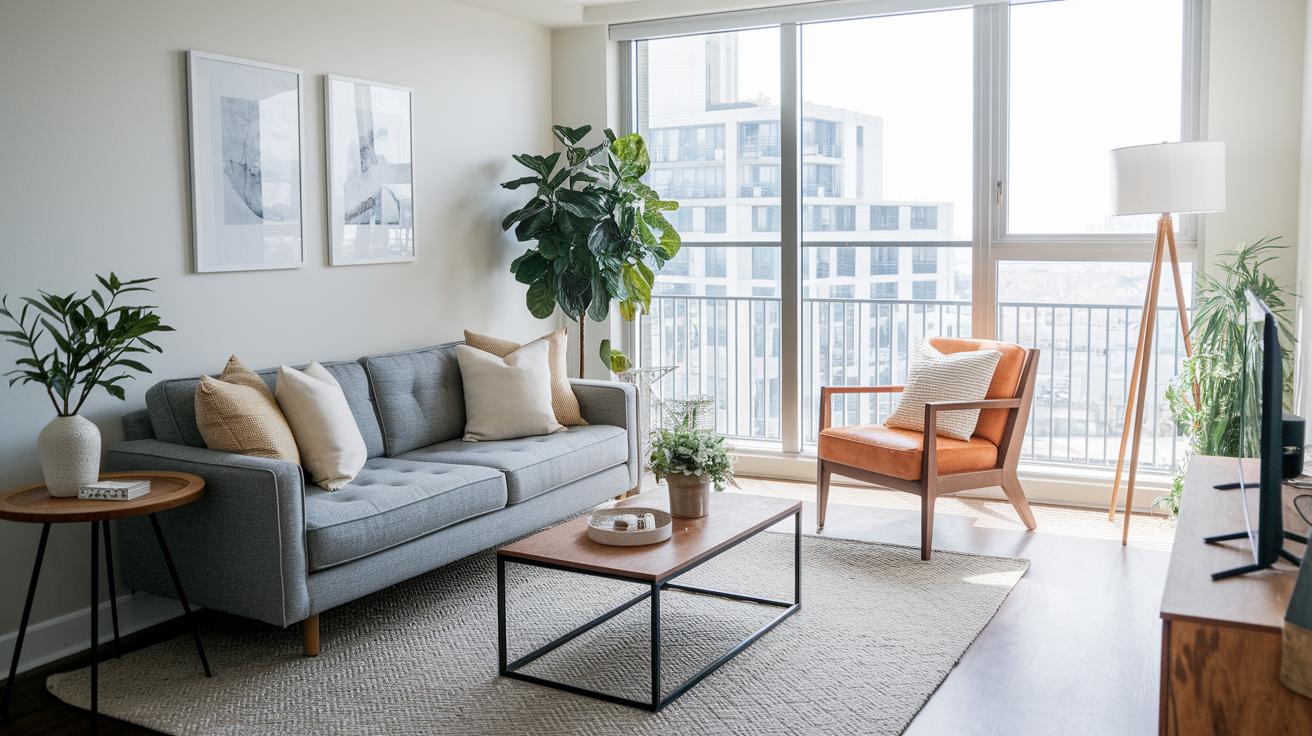
After you've staged your home, set up a photo shoot with a professional or use high-quality DIY methods. Clear, bright photos help show off your space's best features. For example, use a well-lit picture of your living room that makes guests feel like they're stepping into a cozy retreat.
Create a title for your listing that highlights your property's key appeal. For instance, a title like "Loft with City View" grabs attention right away. Your title should be simple, inviting, and set the right expectation for potential guests.
Write a clear description that covers important details without overwhelming readers. Mention room sizes, standout amenities, and the vibe of the neighborhood. Use simple terms to explain unique points, such as the proximity to public transit or local attractions. This helps guests easily understand what makes your place special.
Promote your listing with focused social media posts and community forums. Share updates on features like fresh interior design or recent renovations. Consider these ideas:
- Give a behind-the-scenes look at your staging process.
- Show before-and-after photos to highlight the transformation.
- Point out extra comforts like premium linens or smart home technology.
Finally, use smart keywords in your description to boost your Airbnb search ranking. Test different versions and review your booking trends. This approach can help improve your listing's performance and draw in more guests.
Managing Guest Experience for Your Home Airbnb

Start by checking guest profiles and past reviews before approving a booking. This helps you spot guests with a good history and lowers the chance of last-minute cancellations or disruptions. One host advised, "Filter guests using previous reviews – it helped avoid surprises at check-in."
Plan a regular cleaning schedule to keep your property in top shape between stays. Depending on your budget and time, choose to hire a local cleaning service or manage the cleaning yourself. A set cleaning plan not only keeps your home tidy but also boosts your chances for positive reviews. Consider these points:
- Review guest feedback to pick reliable renters.
- Decide between using a cleaning service or handling cleaning on your own.
- Include maintenance checks after each stay.
Automate your guest communications to streamline the process. Pre-schedule messages with check-in instructions, house rules, emergency contacts, and local tips. Automated reminders give guests clear, step-by-step check-in guidance, reducing manual effort and delays.
For a self check-in option, consider installing smart locks. These let guests arrive at their own pace while you keep control over access, ensuring smoother transitions and fewer in-person interactions.
This clear approach to guest screening, regular cleaning, and automated messaging helps maintain high-quality stays and builds long-term trust with your guests.
Ensuring Insurance, Safety, and Maintenance for Your Airbnb Home
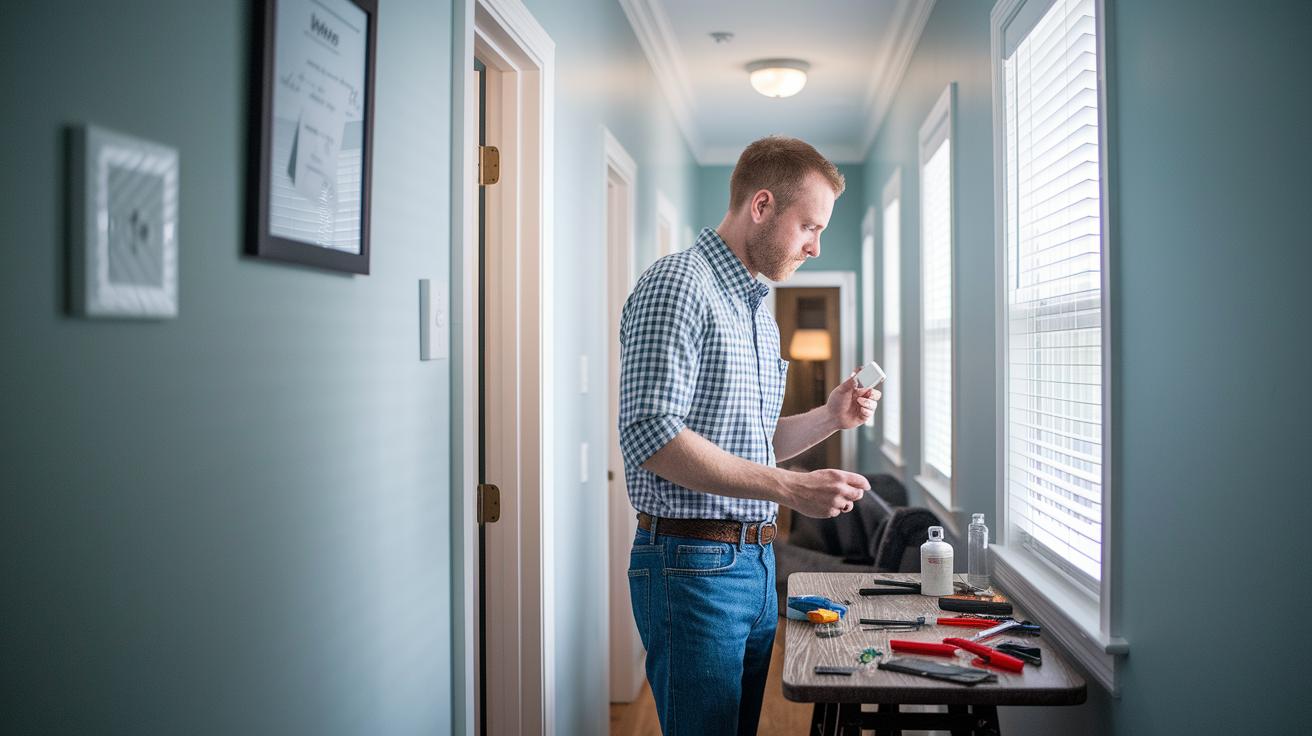
Update your homeowner’s policy to add a short-term rental rider. This rider covers property damage and liability that come with renting your space. It’s also smart to look into commercial liability coverage for guest injuries. Doing so protects your investments and limits legal risks.
Keep your guests safe with regular safety checks. Test your smoke and carbon monoxide alarms, inspect every lock, and make sure emergency exits are clear. A well-run safety system reassures guests and can lead to better reviews.
Stick to a regular maintenance schedule. Routine checks and small fixes, like swapping out burnt light bulbs or repairing door handles, can stop bigger problems before they start. Use a checklist to track these recurring tasks.
Key steps include:
| Step | Action |
|---|---|
| 1 | Add a short-term rental rider to your insurance policy |
| 2 | Consider commercial liability coverage for guest injuries |
| 3 | Conduct regular safety audits |
| 4 | Set up routine maintenance and repairs |
Following these steps helps create a secure and well-managed environment for both you and your guests.
Tracking Finances and Scaling Your Airbnb Home Business

Keep a record of your bookings using a simple spreadsheet or property-management software that tracks occupancy rates, nightly rates, and total revenue. This information offers a clear picture of how your rental is performing and tells you when a change might be needed. For instance, one host used a basic spreadsheet to log all bookings and spot seasonal trends early.
Make sure you add up all start-up costs such as furniture, staging, and minor fixes. Compare these expenses to your forecasted earnings. Understanding your break-even point is key. One host found that just a few extra dollars per night would pay for a tasteful yet budget-friendly upgrade.
Put some of your earnings back into your property. Upgrades like better amenities, updated appliances, or a fresh coat of paint can boost your ratings and draw in more guests. Regularly tracking your revenue helps you plan small, impactful updates.
Key steps to follow:
- Record daily bookings and revenue
- Compare actual earnings with your budget estimates
- Check occupancy trends monthly
Create a summary table of your monthly expenses and revenues. This overview can reveal peak periods and highlight areas where you might save money.
| Metric | Value |
|---|---|
| Occupancy Rate | 85% |
| Average Nightly Rate | $150 |
| Total Revenue | $4,500 |
Review your numbers regularly to make informed choices that support long-term growth.
Final Words
In the action, the post walked through key steps for converting a home into a rental success. It covered important legal checks, thoughtful staging, competitive pricing, and effective marketing. The guide also stressed guest management, safety protocols, and smart financial tracking.
This practical advice shows how to turn your home into an airbnb with clear, step-by-step instructions. The insights empower hosts to build a rewarding income stream while confidently managing everyday operations.
FAQ
How to turn your home into an Airbnb reddit
The reddit discussion on turning your home into an Airbnb explains the process of researching local markets, staging your property, taking quality photos, and managing bookings effectively.
Can I Airbnb my house if I have a mortgage?
The possibility of listing a mortgaged property on Airbnb depends on your lender’s and mortgage contract’s terms. It is wise to review your agreement and consult your lender before listing.
How much does it cost to put your house on Airbnb?
The cost to list a house on Airbnb includes staging, photography, cleaning, and permit fees. It is best to estimate these expenses using an online rental calculator to compare potential earnings.
How to become an Airbnb host without owning property?
The method to host without owning a property involves legally renting a space, obtaining permission to sublet, and preparing and listing the space following Airbnb guidelines.
How to turn your home into an Airbnb in California?
The steps for listing a California home include checking local regulations and permit requirements, preparing your property, and meeting safety standards before posting your listing on Airbnb.
How many days can you Airbnb your primary residence?
The allowable number of rental days for a primary residence varies by local rules and homeowner association policies, so it is important to review guidelines specific to your area.
What are the Airbnb listing requirements?
The Airbnb listing requirements include verifying your identity, providing accurate property details, uploading quality photos, and complying with local safety and permit standards.
What is the Airbnb my house calculator?
The Airbnb house calculator is an online tool that estimates potential rental income by analyzing factors such as occupancy rates, service fees, and local market trends.
What is the 80/20 rule for Airbnb?
The 80/20 rule for Airbnb suggests that about 80 percent of your bookings come from 20 percent of the improvements made, highlighting the value of focusing on key property features.
Is it worth putting your house on Airbnb?
Listing your property on Airbnb can be profitable, offering passive income opportunities if market demand is strong and the property is managed effectively.
How to rent an Airbnb for the first time?
The process for first-time Airbnb renting involves browsing listings, reading reviews and host ratings, and following the booking instructions provided by the host.
What is the Airbnb host app?
The Airbnb host app is a mobile tool that enables hosts to manage bookings, communicate with guests, update listings, and monitor property performance from anywhere.
How much can I rent my house on Airbnb?
The rental price for your house on Airbnb depends on location, amenities, and market demand. Review comparable local listings to set a competitive nightly rate.