


How do current rules protect gig workers who don’t fit the traditional job mold? Lawmakers are updating regulations to ensure flexibility and safety. Some states now set higher standards, sparking debate on whether these measures go far enough.
In this briefing, we explain gig worker rules in plain language. We cover key legal tests and everyday rights to help you understand if today’s laws balance worker security with business growth.
Gig Worker Regulation Landscape Overview
Gig worker rules are changing fast as digital advances reshape work. Lawmakers now reexamine traditional job roles to match new technology. Laws like California's AB5 push platforms to meet tougher standards.
Digital platform accountability and modern employment law drive much of this change. Around the world, regulators review old rules and add measures for flexible work. New rules cover everything from tax reporting to worker safety. In some areas, gig companies must now track work hours much like traditional jobs do.
There is growing pressure to treat gig workers fairly. Governments and regulators are updating systems to protect workers while still encouraging business innovation. This regulatory shift aims to balance worker rights with operational needs. Companies must keep up with evolving rules to avoid issues like misclassification. For more gig labor news, visit our gig labor resource page.
Classification Standards Governing Gig Worker Status

Legal tests such as California’s ABC test under AB5 set the rules for classifying gig workers. This test checks if a worker can decide how, when, and where to work, if they perform tasks outside the company’s core business, and if they work independently. When all three conditions are met, the worker is treated as an independent contractor.
Independent contractors do not get standard worker benefits like minimum wage, overtime pay, or meal breaks. For example, a delivery driver on an on-demand platform may enjoy more flexible hours but gives up basic protections. Before becoming a gig driver, many workers operated under cash-based arrangements and later had to fight for essential rights.
Around the world, many countries use tests similar to the ABC model or add extra criteria to suit local labor needs. Lawmakers and industry leaders keep discussing how to balance the freedom that gig work provides with the need for stable benefits and rights.
Policymakers, companies, and workers continue to debate fair classification rules. Their goal is to clearly define worker independence while matching modern digital work to recognized employment standards.
Protections and Benefits Under Current Gig Worker Regulations
Gig workers benefit from clear rules set by states and cities to balance independence with fair treatment. In Washington, for example, paid sick leave is based on hours worked so that workers earn pay when they are sick. New York City and Seattle let app-based drivers and other gig workers build up sick leave, showing a broader move toward social support. In California, ride-hailing and delivery platforms must carry accident insurance to help cover injuries on the job.
Other states have also introduced protective measures. Washington uses specific hour thresholds for workers’ compensation, shielding those who work long shifts. Meanwhile, places such as Delaware, D.C., Illinois, Maryland, New York, and Vermont now extend anti-discrimination laws to independent contractors. This means gig workers get protection against unfair treatment similar to what regular employees enjoy.
These policies aim to fill the benefits gap often seen in gig work while keeping the jobs flexible. Companies now share detailed information about worker compensation and safety practices. This trend works to provide a basic safety net for workers who might otherwise miss out on benefits available to traditional employees.
Key protections include:
- Paid sick leave requirements by jurisdiction
- Mandated occupational accident and insurance coverage
- Workers’ compensation hour thresholds
- Expanded anti-discrimination laws
- Unemployment insurance access
- Processes for anti-retaliation and deactivation appeals
These steps not only increase security for gig workers but also help platforms build lasting trust with their service providers, setting a clear standard for fair treatment in today’s dynamic work environment.
Enforcement and Legal Risks in Gig Worker Regulation

Misclassifying gig workers can be very costly. Regulators are paying close attention to platforms that treat gig workers as independent contractors when they might legally be employees. This misstep can lead to fines, back pay, and tax penalties. Courts, such as in the UK Supreme Court case, have shown that misclassification can result in heavy financial penalties. Companies may find themselves in court if their work arrangements do not match current employment rights, forcing them to change practices or pay large sums in unpaid wages and benefits.
The risk goes beyond just fines. Platforms can also be penalized for limiting contract work and for not having a proper process for workers to appeal deactivations. Cities like Seattle and New York now require companies to explain the reasons for worker deactivations in a clear and fair way. This means platforms need to follow the law closely and invest in regular audits and modern management systems that protect worker rights.
Regulators are stepping up enforcement to stop companies from bypassing traditional employment rules. In addition to direct legal costs, noncompliance can damage a company’s reputation, erode trust among workers, and disrupt operations. Regular audits of classification practices and updated contracts are key steps to reduce these risks and ensure fair dispute resolution procedures.
| Risk | Description | Example Jurisdiction |
|---|---|---|
| Misclassification Fines | Fines for assigning incorrect worker status | California |
| Back Pay Obligations | Payments covering unpaid wages and benefits | UK |
| Tax Liabilities | Extra tax burdens due to payroll errors | US |
| Contract Work Limitations | Penalties for not meeting contract standards | Seattle |
| Deactivation Process Violations | Issues with improper appeal processes after termination | New York |
Companies must build strong legal and compliance systems to meet these evolving standards and avoid the costly risks linked to worker misclassification.
Regional and Global Comparisons of Gig Worker Regulations
Policymakers around the world are taking different paths when it comes to gig worker regulations. In the United Kingdom, a recent Supreme Court decision has intensified discussions over how gig workers should be classified. This ruling highlights the need for clear rules on whether a worker is an employee or an independent contractor.
In Asia, Malaysia is preparing to pass its first major law to protect gig workers. The proposed law aims to set basic rights in a region where informal work practices are common. This effort is part of a wider push to bring gig work closer to traditional job standards.
In the United States, rules vary by state and locality. Illinois has boosted oversight by involving agencies like the Illinois Department of Financial and Professional Regulation to monitor gig platforms carefully. In cities such as New York City and Seattle, local laws now require platforms to offer paid sick leave, insurance, and accessible appeal processes for any worker who is deactivated. Washington State has also enacted rules that demand occupational accident insurance and workers’ compensation for drivers who work a certain number of hours.
These regional differences show that many governments are rethinking labor standards for digital platforms. Some focus on protecting workers, while others aim to keep the flexibility that is a key part of gig work. The debate continues as lawmakers and industry leaders work to balance worker security with the need for agile business models.
For further insights, explore ongoing discussions in sharing economy trends.
Emerging Policy Reforms and Future Directions in Gig Worker Regulation
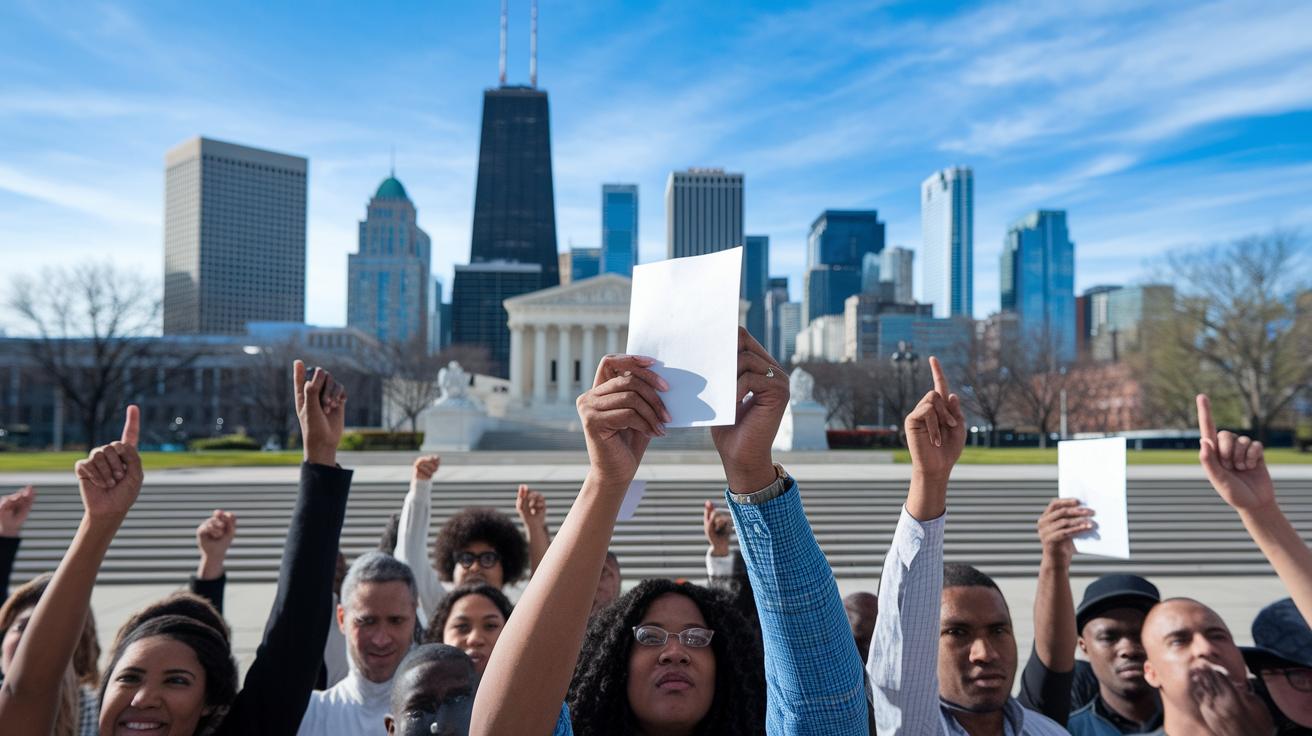
Bills in over ten states aim to set uniform benefits for gig workers. Lawmakers want to introduce rules that guarantee a minimum wage and the right to organize. Platforms may soon have to follow clear rules for terminating workers and offer a solid appeals process for deactivations. For example, platforms might be required to give a detailed explanation for each termination. One proposed rule states, "Provide a clear reason for account deactivation and enable a fair, accessible appeal process."
These proposals tackle digital labor challenges while trying to mix contractor flexibility with key safeguards. However, standardizing benefits could raise operating costs for smaller gig firms, pushing them out of the market and favoring larger companies. This shift might make it harder for startups to attract investment and grow. Think of it like a small vendor facing steep costs while competing with a major retailer enjoying lower prices through economies of scale.
Globally, governments are making similar moves. Several countries are exploring new models that offer basic employment protections, like occupational safety and social coverage, while keeping the independent contractor model. Policymakers are also reviewing tech-driven labor policies and enforcement trends to guide future reforms. For further insights on these trends, visit emerging trends.
Final Words
In the action, this article mapped out the evolving rules shaping gig work. It addressed classification standards, protections, enforcement risks, and regional differences that impact both platforms and traditional companies. We examined key regulatory tests, benefits, and emerging reform trends that guide decision-making in this fast-shifting space. Leaders need to stay alert to how are gig workers regulated as they navigate legal risks and market opportunities. Clear oversight and actionable insights offer confidence and pave the way for smarter, future-focused strategies.