


Gig platforms are changing the way freelancers work. More independent workers are choosing online marketplaces to secure steady jobs and improve their pay. This trend is altering the way freelancers connect with projects and serve clients. In this article, we examine five key platforms that are driving freelance success. We break down each platform's benefits and challenges to show how they can broaden work opportunities and boost earnings. Read on to discover how the gig economy is paving the way for a new kind of professional freedom.
5 gig platforms Spark Freelance Success

Digital gig marketplaces have changed how independent workers find projects and connect with clients. These platforms cover a range of jobs, from remote technical work to local errands and ride requests. They help companies fill staffing needs fast while giving freelancers a variety of options.
Below is a comparison of 10 popular platforms. The table shows their focus, strengths, and drawbacks.
| Platform | Focus Area | Key Strength | Major Drawback |
|---|---|---|---|
| Upwork | Remote projects | Milestone payments and dispute resolution | High commission fees |
| Fiverr | Task-based work | Affordable pricing starting at $5 | Pricing pressure on sellers |
| TaskRabbit | Local services | Efficient task matching and mobile usability | Limited coverage in smaller cities |
| Uber | Ridesharing | Widespread availability and flexible hours | Vehicle maintenance costs |
| Lyft | Ridesharing | Friendly user experience | Lower hourly earnings in some regions |
| Uber Eats | Food delivery | Quick order matching and large customer base | Pays per delivery, not hourly |
| DoorDash | Food delivery | Wide geographic reach | Variable pay based on order volume |
| Airbnb | Hospitality | Unique lodging arrangements | Seasonal income fluctuations |
| Postmates | Delivery services | Flexible scheduling across urban areas | Wear and tear on vehicles |
| Grubhub | Food delivery | Consistent order volume | Limited earning potential during off-peak hours |
Each platform targets a specific group of gig workers. Freelancers in technical or creative fields can choose Upwork or Fiverr for remote work needs. Workers who prefer hands-on, local tasks may opt for TaskRabbit. Meanwhile, rideshare and delivery drivers often turn to Uber, Lyft, Uber Eats, DoorDash, Postmates, or Grubhub. For those with extra space or who work from home, Airbnb offers a different kind of opportunity in hospitality.
In-Depth Reviews of Leading Gig Platforms

When comparing gig platforms, we evaluate details like user base size, security measures, fee structures, and extra support services such as dispute resolution and insurance. This practical approach helps pinpoint which platforms work best for remote projects and local tasks.
Upwork
Upwork is a top option for remote projects like web development, content writing, and design. It offers solid project management tools and secures funds with escrow payments until milestones are met. The platform splits its offerings between enterprise and individual freelancer tiers so clients can choose the right match for their budget and project size.
Fiverr
Fiverr focuses on task-based gigs that start at $5. The platform ensures clear pricing and deliverables while enhancing gig listings and buyer-seller communication. It also runs a premium seller program that rewards freelancers with more visibility and work based on their performance and client ratings.
TaskRabbit
TaskRabbit is ideal for local services such as handyman tasks, cleaning, moving, and furniture assembly. Its mobile-first design and smart matching tool help users find real-time task opportunities quickly. With background checks and insurance coverage, TaskRabbit builds trust among both gig workers and clients seeking dependable local help.
Key Features, Benefits, and Drawbacks of Gig Platforms

Digital gig platforms are no longer basic job boards. Today, they are smart, digital marketplaces that use advanced technology to run smoothly and securely. They make it easier for workers and clients to find the right match while enhancing the overall experience.
• Top 5 Platform Features
- Easy-to-use mobile apps that let users search and apply for jobs quickly
- Secure payment systems that protect transactions and ensure prompt payments
- Smart job matching (an algorithm that pairs workers with suitable projects) for efficient pairing
- Real-time chat that allows clear, instant communication between clients and gig workers
- Detailed rating and review systems to build trust and guide future work
• Main Benefits for Gig Workers
- Low startup costs so almost anyone can begin working
- Flexible schedules that let workers decide when and how much they work
- A broad range of job options, from creative projects to local service tasks
• Common Drawbacks
- Unpredictable income, which can make financial planning hard
- No employer-provided benefits, meaning workers must find their own health insurance and retirement plans
- Challenges with self-employment taxes that require careful planning
Gig platforms offer strong features for job matching and secure payments. However, their flexibility and wide range of opportunities come with challenges such as income uncertainty and tax management hurdles. Balancing these factors is key for workers who want to make the most out of gig economy opportunities.
Market Trends and Insights in Gig Platforms
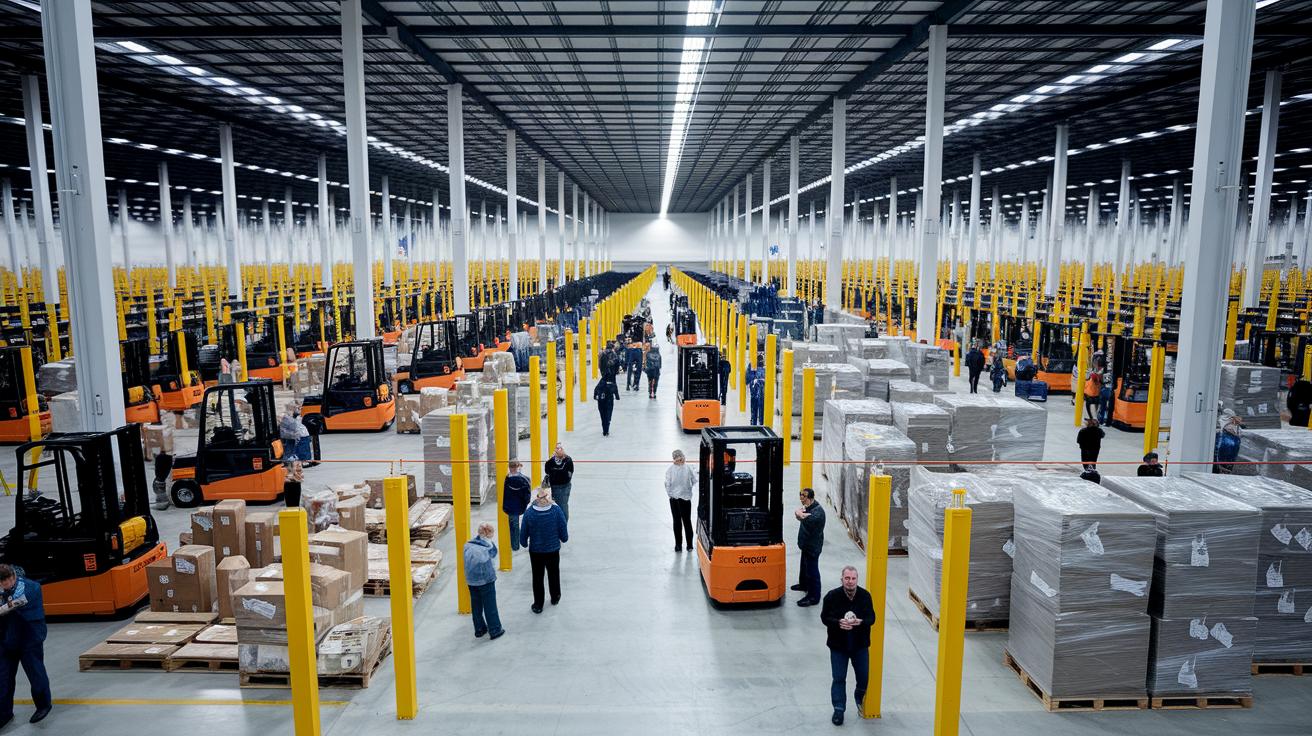
Across sectors like warehousing, manufacturing, food and beverage, and event staffing, companies are increasingly turning to on-demand labor. Digital platforms are growing fast and niche sites are emerging to serve markets such as hotel catering, custodial services, and large event crews. Some industry studies report growth rates near 20% a year in a few sectors. Businesses use these platforms to fill urgent job needs while reducing hiring costs and cutting operational delays. Workers find projects that match their skills and schedules. For example, one survey found that 65% of companies saw better operational efficiency after using gig platforms.
Regulatory changes are also reshaping the gig economy. California’s Assembly Bill 5 now treats many gig workers as employees eligible for benefits. This rule change has prompted companies to review how they manage their workforces. Recent reports show that nearly 40% of firms are investing in remote management tools and better quality control to meet new standards. These steps help companies balance legal compliance with the benefits of flexible labor. As state and federal bodies consider further updates to worker classification and benefits, firms face both legal challenges and new strategic opportunities.
Tips for Success on Gig Worker Apps and Platforms

Begin by boosting your online image. Create a detailed profile that shows your skills and past projects. Top gig workers build profiles with clear expertise and positive reviews. Use a professional photo, write a short bio, and include specific examples of your work to build trust with potential clients.
Keep on top of your finances, update your portfolio regularly, and respond quickly to messages. Use tools such as tax rate calculators and AI-powered tax advisors (tax strategies for independent workers) to manage your quarterly taxes. A strong portfolio with real examples and case studies helps convince clients of your abilities. Also, look into health insurance options for independent workers to secure your benefits. Communicate effectively by using the platform’s scheduling and messaging tools for prompt responses.
- Update your profile with the latest work samples
- Highlight skills that match specific gigs
- Display positive client reviews
- Use built-in scheduling tools to manage your time efficiently
Future Outlook and Regulatory Framework for Gig Platforms

Clear rules are essential in a fast-changing industry. New regulations aim to give both gig platforms and workers clear guidelines. With digital marketplaces growing for on-demand services and short-term projects, upcoming legal rules will directly affect how independent contractors are treated. These new reforms try to keep business innovation strong while protecting worker rights and ensuring fair labor practices.
California Assembly Bill 5
California Assembly Bill 5, introduced in 2020, set a high standard. The law requires many gig workers to receive wage protections, overtime, and access to health insurance. It uses strict tests to decide if someone should be classified as an employee, which means gig workers can now get some benefits that regular employees enjoy. As a result, many platforms have changed their fee models and service options to meet these requirements. Some workers appreciate the steady income and added protection, while others worry that reduced flexibility might limit their work opportunities.
Emerging Regulatory Proposals
In various U.S. states, lawmakers are now rethinking how gig workers should be classified and what benefits they deserve. New ideas on dispute resolution and minimum earnings are being considered to protect independent workers while keeping platform operations flexible. Lawmakers are also discussing tougher measures for tax compliance among gig platforms. These proposals are closely watched by both platforms and workers, as they could change how much workers earn and how they work.
Final Words
In the action, our review examined the top gig platforms with clear listings, detailed reviews, features, and market insights. We broke down key strengths and challenges while sharing practical tips for optimizing profiles and managing finances.
We also explored future regulations and emerging proposals that may reshape the gig economy. These insights help guide strategic decisions and offer a fresh perspective for those looking to tap into the opportunities offered by gig platforms.
FAQ
FAQ
What is a gig platform and what are some examples of popular gig websites?
The term gig platform refers to an online marketplace that connects independent workers with clients seeking project-based jobs. Examples include Upwork, Fiverr, and TaskRabbit.
What are free or top gig platforms available?
Free and top gig platforms offer access to opportunities without hefty fees and include sites known for low barriers to entry and extensive job categories, such as Upwork, Fiverr, and TaskRabbit.
What are gig apps that pay same day?
Gig apps that pay same day allow workers to receive earnings quickly after completing a task. Many food delivery and rideshare apps offer this feature for faster access to funds.
What is the highest paying gig app and delivery gig?
The highest paying gig app depends on the job type and market conditions. Certain platforms for delivery or specialized tasks can yield higher earnings based on demand and individual performance.
How do I find legitimate gig work?
Finding legitimate gig work involves researching well-known platforms, reading user reviews, and verifying payment methods. This approach helps identify trustworthy opportunities in the gig market.
What insights do discussions on Reddit offer about gig platforms?
Reddit discussions provide real-world reviews and experiences from gig workers. These insights help users understand platform performance, payment speed, and overall reliability.