


Do strict rules protect our air and water? They can when they offer clear steps to safeguard our natural resources. In the United States, the Environmental Protection Agency (EPA) sets guidelines for cleaner air and water. In Europe, national regulators follow centralized directives that standardize protection efforts. These agencies join forces to plan inspections and update standards as new scientific evidence emerges. This article explains how coordinated rule-making can help secure a safer future for both our environment and our communities.
Environmental regulations: Defining a Safer Future
The U.S. and the EU set their own rules from the top down. In the U.S., the Environmental Protection Agency (EPA) issues clear guidelines on air quality and water pollution and makes sure they are followed. In the EU, the central government creates directives that each country enforces through local rules. This clear approach helps everyone understand what is expected and keeps permit processes on track. Different agencies work together to create standards that reflect new science and the changing economy.
A key part of these systems is how federal and state groups work together. The EPA works with individual states to plan inspections and avoid repeating the same reviews within a year. Often, states are in charge of enforcing the rules and they can set tougher limits or add extra permit checks when needed. This teamwork makes it easier to meet national goals while handling local issues, reducing unnecessary overlap and keeping a close eye on compliance at each site.
Administrative law supports a wide range of protocols for air, water, waste, chemicals, and protecting nature. These rules are detailed so everyone knows what to do across different areas. The legal setup not only sets clear limits but also explains how updates happen when new issues come up. This well-organized framework gives businesses and policymakers a clear guide to follow, helping them boost protection and improve environmental quality.
Historical Evolution of U.S. Environmental Regulations
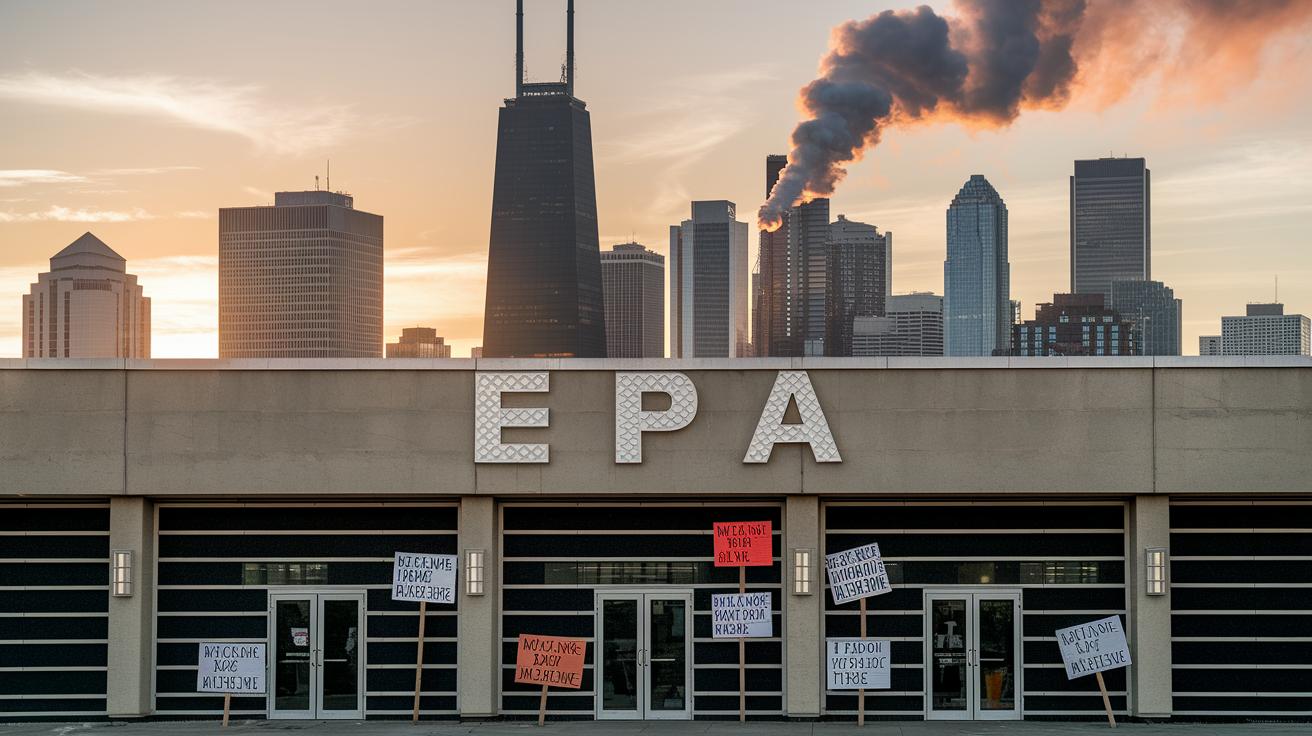
Environmental rules in the U.S. began to take shape during the 1970s. In 1970, the U.S. government set up the Environmental Protection Agency to fight serious pollution. Laws like the Clean Air Act of 1970 and the Clean Water Act of 1972 raised standards for clean air and water. Before these laws, cities such as Los Angeles often suffered from heavy smog. Residents faced poor air quality from unchecked industrial emissions. These early laws marked a clear shift as both lawmakers and the public demanded better protection for health and the environment.
In the years that followed, the government introduced more measures to protect nature. The Endangered Species Act of 1973 aimed to protect animals in danger of extinction while the Resource Conservation and Recovery Act of 1976 tackled waste management and pollution control. These new laws built on earlier efforts by broadening the focus to include both biodiversity and waste. The tightening of these standards meant stricter rules for industries and novel methods for enforcement.
This series of laws laid the groundwork for today’s environmental framework. They created a balance between industrial growth and the need for a healthier setting. As a result, the U.S. regulatory system now strives to support both economic progress and environmental care.
Federal vs. State Environmental Regulations: Compliance Dynamics
Recent changes in environmental rules have pushed industries to update their strategies. A chemical manufacturer in California recently boosted its monitoring systems to hit stricter state standards while still keeping up with EPA requirements. Industries like manufacturing and energy are now spending more on real-time reporting and advanced management systems to meet both federal and tougher state limits.
| Level | Responsible Agency | Scope | Enforcement Role |
|---|---|---|---|
| Federal | EPA | Nationwide environmental standards | Sets guidelines and manages inspections |
| State | State agencies | Local, stricter rules and limits | Enforces rules with more detailed data checks |
These examples show how regulatory updates are forcing companies to improve their compliance programs and invest in technology that meets both basic federal guidelines and elevated state standards.
International Standards and Cross-Border Environmental Regulations

Global frameworks set the targets that guide environmental actions locally and nationally. The Paris Agreement sets goals for reducing greenhouse gases, while the Basel Convention controls the trade of hazardous waste. EU directives define standards for water quality and habitat protection. Many nations use a top-down approach where central authorities set the overall goals and local agencies adapt them to meet regional needs.
Several countries work together through cross-border agreements to align their environmental policies. This method keeps key benchmarks like emissions reduction and waste management consistent across regions. Local agencies take these international rules and adjust them to fit specific challenges. For instance, urban areas may implement stricter air quality checks based on global guidelines.
Recent studies, including findings from the OECD Economic Outlook, show that global trends are reshaping domestic standards. Cross-border regulatory models are helping countries cooperate and improve environmental outcomes. These frameworks give policymakers a clear reference point to harmonize national laws with globally accepted goals and advance a safer environment.
Economic Impacts of Environmental Regulations on Industry
Companies incur extra costs for pollution control, but this usually forms a small part of their total expenses. When they install new equipment to meet environmental standards, productivity may drop briefly as workers adjust. For example, a factory might stop production for a short time during an upgrade and later resume with more efficient operations and enhanced worker safety. Studies indicate that these initial costs are often recouped by long-term savings and health benefits, such as fewer premature deaths from air pollution. These gains improve public health while building a safer community and a more productive workforce.
Sometimes, firms decide to move their plants when regulatory costs rise. When local rules are very strict, companies might prefer areas with lower compliance costs. This situation creates a balance between a race to the bottom, where firms choose regions with fewer regulations, and a race to the top, where businesses invest in cleaner and safer practices despite the higher costs. Their choice to relocate or upgrade usually comes after a detailed cost-versus-benefit analysis that considers short-term burdens and long-term benefits like improved market reputation and operational efficiency.
Economic valuation methods also play a crucial role in these decisions. Analysts use measures such as the value of a statistical life (a calculation that places a monetary figure on reducing the risk of death) to estimate the benefits of fewer fatalities. They sometimes include a wage-risk trade-off, meaning that workers in risky jobs might need an extra $5,000. These assessments help companies and policymakers understand the full cost of environmental rules. Even though the upfront costs can be high, cleaner air and reduced health risks create overall social gains that encourage support for strong environmental standards.
Compliance Best Practices and Enforcement Mechanisms in Environmental Regulations

Companies can manage environmental rules more effectively by using clear, practical steps. They can combine advanced technology with strong oversight to make sure all requirements are met. Modern Environmental, Health and Safety (EHS) tools help pinpoint what each site needs, while new AI solutions predict audit results and simplify paperwork. Regular meetings with EPA and state inspectors help companies stay on track with inspections and permits. For example, a firm with a well-planned monitoring system can spot problems early and fix them before they become serious, keeping operations in line with federal and state rules. This builds trust with regulators and fosters a culture of responsibility internally. See risk assessment and mitigation in regulatory compliance for sharing economy businesses for an example of how smart planning works.
- Centralize all compliance tasks in one management system
- Use AI-driven monitoring to catch issues early
- Plan regular internal and third-party audits
- Reach out to EPA and state agencies early for any permit questions
- Keep clear, open records for documentation and reporting
By putting these measures in place, companies can simplify managing environmental regulations and adapt to sudden changes. Focusing on risk management and regular audits lowers the chance of non-compliance and cuts the risk of fines. This proactive approach builds resilience and streamlines operations, turning regulatory compliance into a competitive edge.
Emerging Trends and Future Policy Updates in Environmental Regulations
New policies, such as the 2022 Inflation Reduction Act and the EPA rule updates that started on June 27, 2024, show that environmental rules are getting tougher. The Biden administration is pushing for environmental justice, linking public health closely with climate goals. Updated rules focus on cutting greenhouse gas emissions and setting tougher limits on industrial pollutants.
Experts expect future changes to include even lower greenhouse gas targets and stronger rules for managing plastic waste. Lawmakers will keep updating these rules as our understanding of climate risks grows. This steady change aims to keep our environment safe while still supporting steady economic growth. It also gives businesses a clear path to meet regulations over the long term and helps improve community health.
Final Words
In the action, the article mapped out the structure and impact of environmental regulations from federal to international levels. It touched on historical acts, compliance strategies, and emerging trends that shape today’s regulatory environment. Key insights outlined the balance between firm costs and public health benefits while highlighting best practices that help companies manage compliance smoothly. The detailed review aims to empower leaders to make fast, informed decisions using robust market intelligence in environmental regulations.
FAQ
What are some examples and a list of environmental regulations?
Environmental regulations examples refer to the rules addressing air quality, water pollution, hazardous waste, and biodiversity protection. A common list includes standards set by the EPA, Clean Air Act, and Clean Water Act.
How did the Trump administration affect environmental regulations?
Environmental regulations Trump refers to shifts made during that time. The administration relaxed enforcement and revised some measures, altering priorities and compliance procedures in the U.S.
What is an environmental regulations PDF?
An environmental regulations PDF is a formatted document compiling the rules and guidelines for environmental protection, providing an accessible reference for businesses and regulators.
What are the environmental regulations from the EPA?
Environmental regulations EPA means the guidelines issued by the U.S. Environmental Protection Agency which cover air quality, water safety, waste management, and chemical controls to protect public health.
What is a synonym for environmental regulations?
Environmental regulations synonym can be environmental rules or standards. These terms describe the legal guidelines designed to control pollution and safeguard natural resources.
Where can I find environmental regulations news?
Environmental regulations news covers updates on rule changes, regulatory debates, and enforcement actions. Business reports and government announcements are common sources for such timely information.
How do environmental regulations impact businesses?
Environmental regulations on businesses affect operational practices by imposing standards on emissions, waste disposal, and resource use. They influence costs, compliance strategies, and sometimes drive shifts in company policies.
What are environmental regulations?
What are environment regulations describes the legal rules established to protect natural resources. They set clear standards for pollution control, resource management, and ecosystem preservation across industries.
What are the five key environmental regulations?
What are the five environmental regulations indicates standards on air, water, waste, chemical safety, and biodiversity. These key regulations guide industries on emissions, discharges, and hazardous waste management.
What are three important environmental laws?
What are three important environmental laws typically refers to the Clean Air Act, Clean Water Act, and the Endangered Species Act. They form core elements of legal efforts to reduce pollution and protect ecosystems.
What are the three types of regulation?
What are the three types of regulation are command-and-control rules, market-based instruments, and voluntary measures. Each type offers distinct methods for steering industry behavior and compliance.