


Do environmental rules hold back growth, or do they protect our health? In the U.S., laws like the Clean Air Act and Clean Water Act have sparked debate while proving effective. They have reduced harmful emissions and prompted companies to update their practices by setting clear, enforceable standards. With requirements for stricter controls and honest air and water quality reporting, these rules have reshaped how businesses operate. This post details how environmental regulations both shield public health and drive meaningful changes in industry practices.
Flagship U.S. Regulatory Frameworks for Air, Water, and Chemical Safety
The Clean Air Act changed U.S. air quality by ending use of leaded gasoline and cutting particulate emissions. This shift saves thousands of lives each year. One local group noted, "Before this change, air pollution from leaded fuels affected our schools and neighborhoods," showing the Act's real impact.
The Clean Water Act, officially the Federal Water Pollution Control Act, controls pollutants in waterways and sets safe drinking water standards. It has pushed companies to improve wastewater treatment and tighten monitoring practices. A facility manager observed, "Our operations now meet strict water quality ordinances thanks to updated treatment systems," which highlights the regulation's effect.
The Toxic Release Inventory under the Emergency Planning and Community Right-to-Know Act requires companies to track and report hazardous chemical releases. This rule gives communities clear data on industrial activities and holds businesses accountable for chemical safety.
These regulations have transformed industry practices by establishing clear targets and demanding honest reporting. Managers now invest in better emission controls and process improvements. One manager mentioned, "We use real-time sensors to keep our facility ahead of standards," as an example of this proactive approach.
Together, these rules set strong environmental guidelines that protect public health and steer business practices. More details on environmental regulations can be found at environmental regulations (https://sharingeconom.com?p=1798).
Technical Permit Processes for Air and Water Regulations
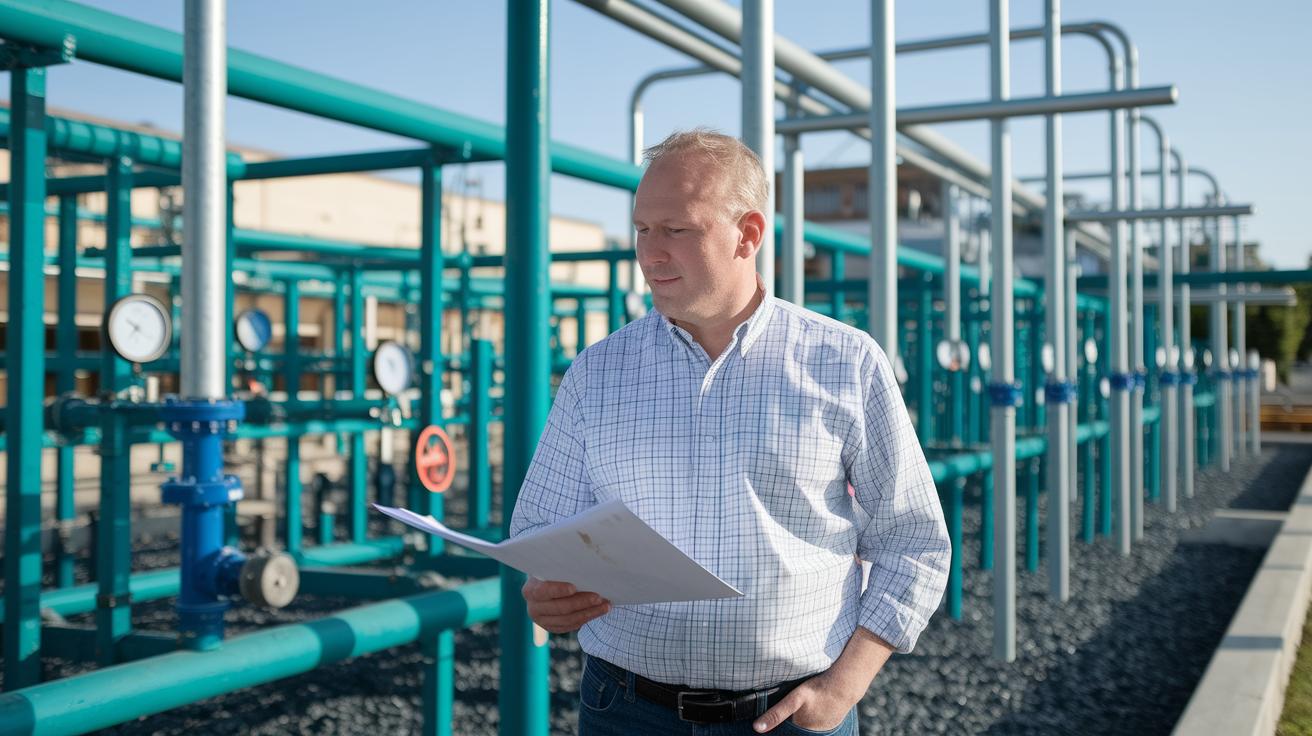
Water quality permits start with clear, defined steps. Businesses must file a Notice of Intent that explains their operations when applying for an NPDES permit. The application needs to show that they use Best Practicable Control Technology (the best methods available to limit pollution) and follow set discharge limits. Companies install continuous monitoring systems to track discharges and often use self-reporting methods. Public portals then display this information for transparency. Recent changes in EPA regulations highlight why keeping up with evolving permit rules is essential. These measures aim to ensure water quality through strict controls and detailed reporting.
Air quality permits follow a similar process. Under the Title V air permit program, companies begin with an application that includes detailed emissions information. A public notice period then allows stakeholders to provide feedback. After that, a draft permit is shared for further comment before the final permit is issued. Companies must also renew these permits regularly to prove ongoing compliance. In addition, continuous monitoring systems record real-time pollutant data, which supports self-reporting and is made public. This structured process helps both regulators and the public track air quality performance and reinforces safe standards.
Federal Mandate and Permitting Mechanism Examples in Environmental Regulations
Federal mandates now cover more than the standard EPA and OSHA processes. New permits come from bodies like the Department of Energy, which sets limits on cooling water for nuclear sites, and the Federal Aviation Administration, which restricts drone flights near protected areas. For example, a power plant had to upgrade its cooling system after regulators found that its thermal discharge exceeded new digital monitoring limits. As one expert put it, "Before modern sensors, operators only learned of non-compliance weeks after a breach occurred."
Some agencies are now using remote sensors and automated tracking to tighten regulations. Rail companies, for instance, rely on live data feeds that trigger alerts when emissions stray from approved levels. This real-time monitoring adds regulatory details not seen in older permit processes.
Inflation Reduction Act as an Environmental Regulation Example
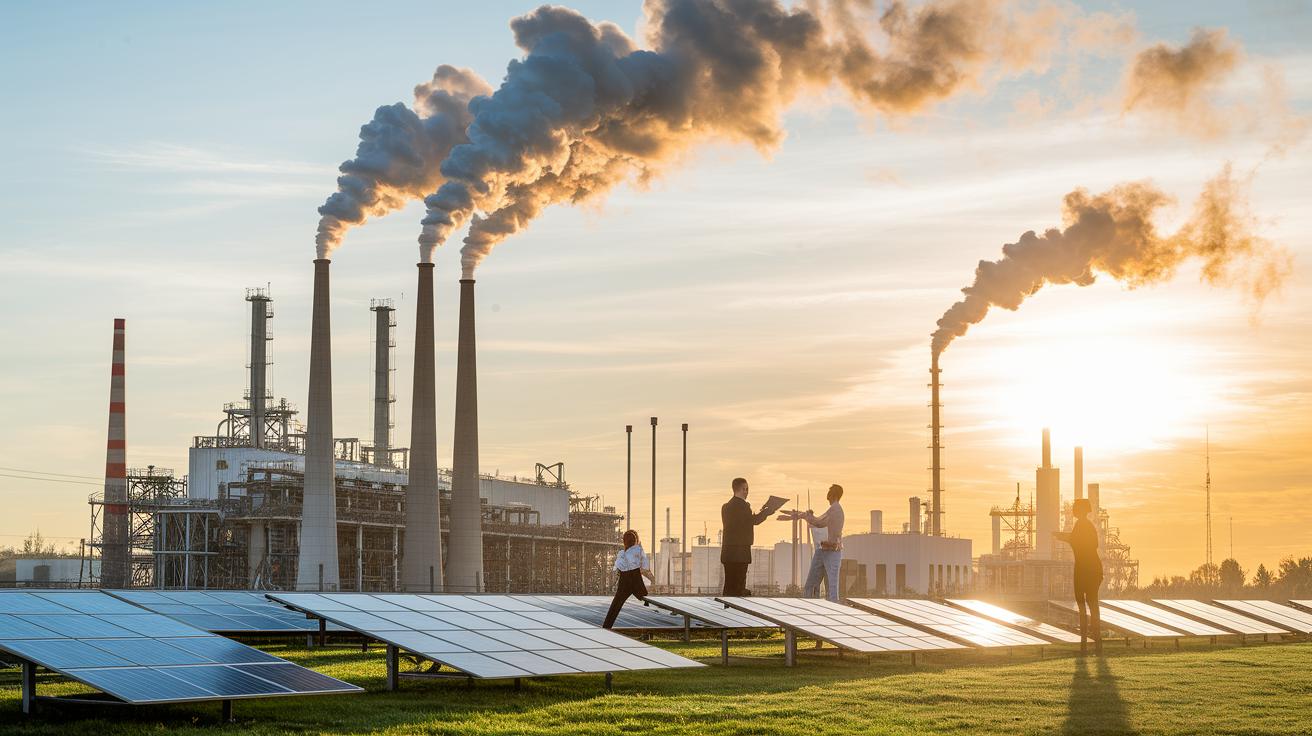
The Inflation Reduction Act (IRA) of 2022 offers a clear framework for sustainable business practices and climate action. The Act sets aside $369 billion for investments in clean energy. This funding supports projects in renewable energy and carbon capture (systems that trap and store carbon emissions). Tax credits under the IRA reward companies for using low-emission technology. For example, a factory that modernizes its power system and installs better emission controls can enjoy significant tax breaks.
The Act also enforces penalties for companies that exceed federal methane emission limits. These rules remind businesses that non-compliance has real financial consequences. By pairing rewards for clean technology with strict penalties, the IRA creates a balanced system that drives economic growth and environmental care. As one facility manager put it, "Investing in cleaner technology isn’t just a cost, it’s a smart move that protects our operations and the environment."
Industrial Waste Management and Chemical Safety Regulation Examples
Under the Resource Conservation and Recovery Act (RCRA), companies must follow clear rules for managing waste safely. These rules cover how hazardous and non-hazardous waste is stored, treated, transported, and disposed. The aim is to use proven methods that protect both the environment and human health. Facilities follow strict steps from the start of waste storage to final disposal to cut risks like toxic exposure and fire hazards. For example, one manufacturing plant updated its procedures to meet new landfill standards, ensuring every waste shipment is tracked from beginning to end. A facility manager said, "Our process meets legal standards and builds public trust through transparency."
The Toxic Substances Control Act (TSCA) sets similar rules for managing dangerous chemicals. These guidelines require companies to have strong controls and monitoring systems that track risky substances and reduce exposure to humans. Process improvements include better treatment methods and specialized training for workers. This example of hazardous waste management not only meets regulatory rules but also improves daily operations.
Key points include:
- Strict rules for storing and handling all types of waste
- Approved technology-based methods for treating and transporting waste
- Continuous tracking of waste from start to finish
- Regular evaluations and thorough records for toxic substance use
Ecosystem and Biodiversity Environmental Regulations Examples

The Endangered Species Act is a key rule that defends nature and protects biodiversity. It secures important habitats and calls for a federal review of development projects to prevent harm to fragile species. Laws like the National Forest Management Act (NFMA) and the Federal Land Policy and Management Act (FLPMA) also play a major role by managing land use to save natural resources. Together, these measures act as a strong safeguard for ecosystems, ensuring that animal habitats stay intact and that resource extraction is limited in sensitive areas. One local environmental officer noted, "Rigorous standards have prevented further degradation in areas once at risk of rapid loss of biodiversity," showing the real-life benefits of these rules.
Habitat-Plan Requirements
Habitat conservation plans are an essential tool for protecting biodiversity. They set clear guidelines for how companies and developers can work without damaging critical habitats. These plans spell out specific rules and limits on resource extraction so that development projects do not hurt conservation efforts. In doing so, they not only protect the environment but also build corporate responsibility and public trust. By enforcing strict habitat-plan requirements, authorities help balance development with the need to preserve our natural heritage.
Compliance and Enforcement Examples of Environmental Regulations
Many businesses now include environmental health and safety (EHS) standards in their everyday operations to lower risks and avoid fines. They set clear company rules, carry out risk checks, and run regular audits that show how well they meet these rules. Incident management systems record spills, rule breaches, and the steps taken to fix them in real time. Regular training and updated health protocols keep employees up to date with any changes.
Here are some best practices for enforcing environmental regulations:
- Set clear EHS standards in company policies and daily operations.
- Perform regular risk assessments and audits to check compliance.
- Use incident management systems to log spills, violations, and corrective actions.
- Hold ongoing training sessions and update occupational health modules.
Using these practices helps companies avoid penalties and boosts safety in the community. By sticking to these measures, organizations build trust with regulators, stakeholders, and the public, setting a positive example in the industry.
Final Words
In the action, this article examined core U.S. frameworks aimed at safeguarding air, water, and chemical safety. It detailed technical permit processes, federal mandates, and modern measures like the Inflation Reduction Act.
We also highlighted industrial waste management, ecosystem protection, and compliance practices. The focus on environmental regulations examples sheds light on how clear rules and enforcement can drive progress.
These insights pave the way for smarter, faster decisions and a positive outlook for sustainable growth.