


Can laws improve our air and water? Although legal wins might seem small, they can bring huge benefits to our planet. In this brief review, we look at three legal victories that have boosted public health and protected our environment. Clear rules hold polluters responsible while making our communities safer. In short, strong legal frameworks help pave the way for a brighter future for everyone.
Defining Environmental Law: Scope and Structure
Environmental law is a set of rules that protect our air, water, land, wildlife, and management of hazardous materials. It sets pollution limits, guides resource conservation, and builds a framework to safeguard public health and nature. These rules cover everything from controlling factory emissions to managing waste and preserving natural areas. Picture a town where a simple rule on emissions leads to cleaner air and safer parks for children.
Federal laws form the backbone of these rules. Acts like the Clean Air Act, Clean Water Act, National Environmental Policy Act (NEPA), Endangered Species Act, and Toxic Substances Control Act lay out clear standards. Agencies such as the Environmental Protection Agency (EPA) follow these standards when enforcing rules and checking compliance. This setup ensures that industries and public projects stick to limits meant to protect our resources and safety.
NEPA plays a key role by requiring environmental impact studies. Federal agencies must assess the potential harm to nature before approving a project. This process makes sure that decision-makers consider air quality, water safety, and wildlife protection. For example, a detailed study can confirm that local water sources and habitats remain intact when planning a major project. Such evaluations help build a robust framework that benefits both our communities and the environment.
3 environmental law wins for a brighter future
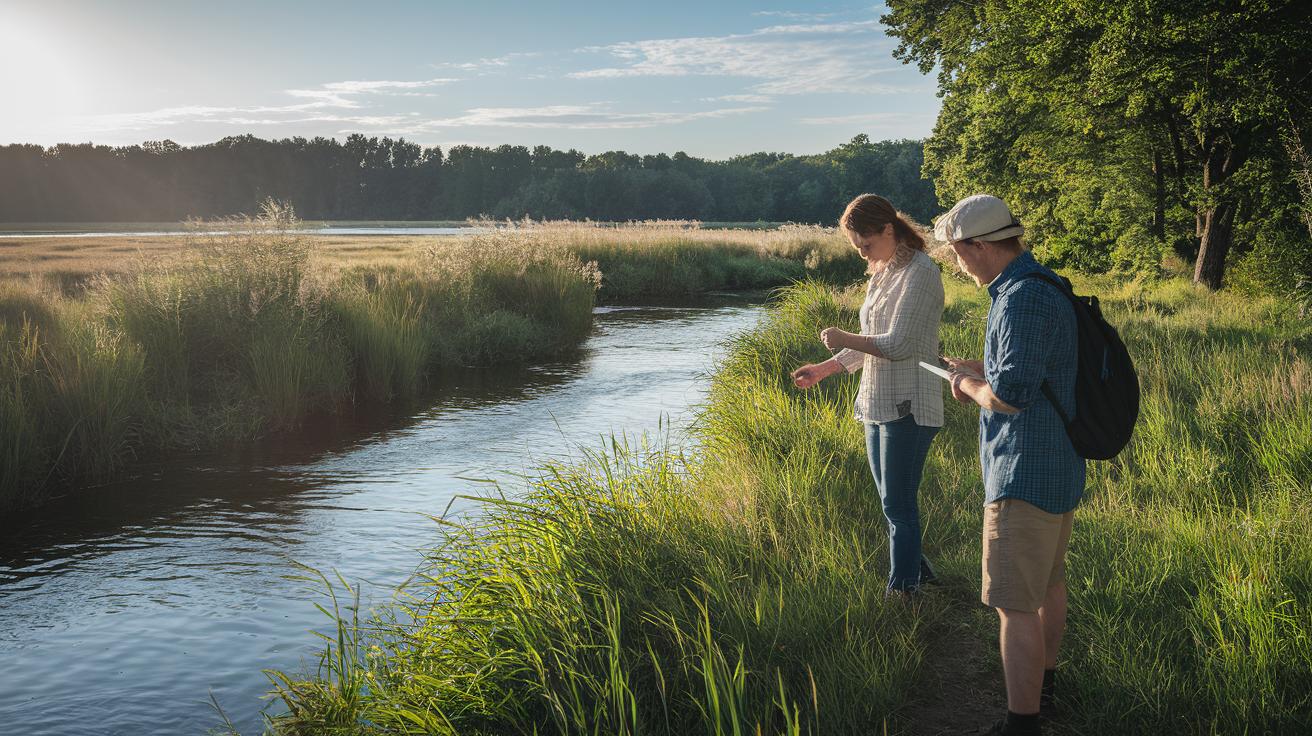
Environmental law wins are making a big impact. They use key legal rules to protect our natural resources for everyone. The public trust doctrine requires states to safeguard vital resources like clean water and natural sites for public use. In addition, the polluter-pays principle means that those who harm the environment must cover the costs to fix it. These rules have helped set tougher water quality standards under the Clean Water Act Section 303(d). Meanwhile, mandates from the Endangered Species Act Sections 4 and 7 work to protect critical habitats for vulnerable species.
Early climate justice laws have also led to important changes. New measures under Clean Air Act Section 111(d) and rules on cutting greenhouse gas emissions have improved air quality standards. The precautionary principle pushes regulators to act early, before damage becomes permanent. Together, using the principles of public trust, polluter-pays, and precaution, these legal wins show how strong rules can bring real benefits to communities and nature.
Major U.S. Environmental Statutes Under Environmental Law
The U.S. government has set up a solid legal framework that controls pollution and saves our natural resources. These laws offer clear rules for managing air, water, wildlife, and chemicals in ways that protect community health. For example, when cities update air quality rules, kids get to play outside in cleaner air.
| Statute | Year | Primary Focus |
|---|---|---|
| Clean Air Act | 1963/1990 | Air pollutant limits |
| Clean Water Act | 1972 | Water discharge standards |
| NEPA | 1970 | Environmental impact statements |
| Endangered Species Act | 1973 | Species/habitat protection |
| TSCA | 1976 | Chemical safety |
| Energy Policy Act | 2005 | Renewable energy incentives |
These laws do more than just set limits. They build a framework that government agencies use when checking on businesses and public projects. The Clean Air Act cuts harmful emissions from factories and cars. The Clean Water Act stops dangerous discharges into rivers and lakes. NEPA requires a careful look at potential damage before major projects start, making sure both nature and people are considered. The Endangered Species Act and TSCA work together to protect wildlife and control chemicals, reducing health risks. The Energy Policy Act drives investment in cleaner energy, changing how power is made. Together, these rules help secure clean air, water, and natural habitats while supporting a future where science and law work together for safer communities.
Enforcement Mechanisms and Citizen Lawsuits in Environmental Law

Government agencies enforce environmental laws using clear legal tools. The EPA, for example, relies on provisions under the Clean Air Act Section 113 (rules that hold polluters to air quality standards) and the Clean Water Act Section 309 (rules that protect water quality). These tools let the government inspect operations, impose penalties, and require fixes when companies pollute. Monitoring and timely intervention help protect public health and local ecosystems.
Private citizens and environmental groups also play a vital role. Laws under the Clean Air Act Section 304 and the Clean Water Act Section 505 give the public the right to sue when agencies do not enforce the rules strictly. These citizen lawsuits help stop repeat offenders and push for better environmental practices. By taking legal action, private groups have achieved significant clean-up efforts and policy changes that benefit communities.
- PennEnvironment vs. U.S. Steel: A key citizen suit under the Clean Air Act where three plants ran without proper air controls for months, causing serious community impact.
- Environment Ohio vs. Campbell Soup: A case dealing with over 5,000 days of Clean Water Act violations that led to harmful algal blooms.
- PFAS firefighter gear: A class action lawsuit challenging chemical safety in firefighters’ gear, highlighting the need for stricter regulations.
Landmark Judicial Decisions in Environmental Law
The Supreme Court's October 2024 decisions have shifted how environmental laws are interpreted and enforced. In one key case under the Clean Air Act (a law to control air pollution), the court denied Exxon’s appeal, sending a clear message that polluters will be held responsible. In the same term, a Sixth Circuit judge partly overturned the EPA’s approval of the Detroit area's State Implementation Plan (SIP), which guides local air quality. These rulings show that courts are taking a hands-on role in making sure environmental policies work well and protect natural resources.
At the district court level, judges have also made rulings that impact environmental compliance. One court allowed a class action lawsuit against PFAS-contaminated firefighter gear to proceed. This decision highlights the courts’ commitment to protecting public health. In another case, a judge denied a motion for summary judgment in a dispute over riverbed ownership stemming from a 2020 Department of the Interior opinion. This ruling underscores the challenges in managing natural resources. Together, these decisions force regulators and industry players to rethink their approaches, paving the way for steady legal oversight in environmental matters.
International Treaties and Comparative Environmental Law

Leading treaties have paved the way for global environmental coordination. The Paris Agreement (2015) requires nations to lower emissions and strengthen their resilience. The Kyoto Protocol (1997) set early targets for developed countries to cut greenhouse gas emissions. The Convention on Biological Diversity (1992) aims to protect species and habitats through sustainable resource management. When countries signed these agreements, they accepted new duties, such as tougher water quality standards and stricter air pollution controls that reshaped local policies.
The UN Environment Programme sets global ecological standards and helps countries adopt consistent policies. Its clear guidelines bridge international agreements with local laws. At an Environmental Law Institute panel on September 30, 2025, experts explained how treaty frameworks shape local legislation through a process known as policy diffusion. This trend encourages governments to align their national statutes with worldwide conservation practices.
Comparative models also enhance domestic environmental law. Countries in Europe and Asia have shown that mixing international agreements with national legal frameworks yields better protection for resources and species. These examples offer valuable lessons for policymakers, guiding reforms that promise a brighter environmental future.
Emerging Trends and Future Directions in Environmental Law
Environmental law is evolving quickly as decision-makers harness technology to better serve both people and nature. Digital monitoring tools now track emissions and record environmental shifts in real time. Data analytics support water quality checks, and remote sensing maps natural habitats, helping regulators spot issues early and lower risks.
Proposals to reform chemical safety under TSCA aim to use advanced reviews that detect hazards before they spread. State-level climate laws are setting clearer targets to cut emissions while the EPA plans digital portals to simplify public access to environmental data.
These changes pave the way for faster, data-driven decisions that boost compliance and protect our environment.
- Advanced digital compliance and monitoring systems
- Data-driven resource management using analytics
- Model state laws for reducing greenhouse gas emissions
Final Words
In the action, we mapped out environmental law's core elements, from regulatory domains and key federal statutes to judicial decisions and global treaties. We outlined enforcement tools and citizen protections that shape compliance. Emerging trends, such as digital monitoring and data analytics, signal a forward shift in regulatory practices. This framework brings clarity to environmental law's multifaceted structure and will help guide strategic decisions in a rapidly evolving regulatory environment. Positive policy shifts ahead promise refined rules and greater accountability.
FAQ
Environmental Law near me
The term “Environmental Law near me” refers to local legal services specializing in natural resource protection and regulation issues. It often directs individuals to regional experts in environmental compliance and policy.
Environmental Lawyer salary
The discussion of an environmental lawyer salary revolves around earning figures for professionals in this field, which vary by region, experience, and the complexity of their casework in environmental regulation.
Environmental law PDF
The phrase “Environmental law PDF” identifies downloadable documents that provide detailed information, textbooks, or guides covering environmental statutes, case law, and regulatory frameworks for quick reference.
Environmental law examples
The mention of environmental law examples typically refers to real-world cases or statutory instances, such as the Clean Air Act or Clean Water Act, that illustrate how environmental regulations are applied and enforced.
Environmental law degree
The inquiry about an environmental law degree signifies academic programs that prepare graduates to address legal issues related to environmental policy, resource management, and sustainability through specialized coursework.
Environmental Law book
The term “Environmental Law book” points to publications that provide comprehensive overviews, analyses, and case studies on environmental law, serving as valuable resources for both students and legal practitioners.
Environmental law School
The phrase “Environmental law School” refers to academic institutions that offer focused curricula on environmental legislation and policy, training students to become proficient in laws that protect natural resources.
Environmental law reddit
The expression “Environmental law reddit” describes online community discussions on Reddit where users share experiences, advice, and resources related to environmental law cases, education, and career insights.
What does an environmental lawyer do?
An environmental lawyer advises clients on compliance with environmental laws, represents interests in disputes, and assists in policy development to protect natural resources and public health.
What are the three types of environmental laws?
The three types of environmental laws include statutory regulations passed by legislatures, administrative rules developed by agencies, and case law decisions that interpret these statutes to guide enforcement.
What does environmental law include?
Environmental law includes statutes and regulations aimed at protecting air, water, land, wildlife, and hazardous materials along with mechanisms for policy enforcement and environmental impact assessment.
What are the six environmental laws?
The six key environmental laws are the Clean Air Act, Clean Water Act, National Environmental Policy Act (NEPA), Endangered Species Act, Toxic Substances Control Act, and Energy Policy Act, forming the basis for U.S. environmental regulation.