


Can a small electric cart transform your daily routine? These nimble machines pack power into a compact design that makes it easy to move heavy loads and navigate tight spaces. They work well for both personal projects and industrial tasks, saving you valuable time. In this article, we cover key details such as battery life, load capacity, and speed so you can find the model that fits your work needs. Read on to see if one of these carts could boost your everyday efficiency.
electric mobility carts Spark Everyday Efficiency
When choosing an electric mobility cart, key specifications matter. Personal users need small, portable trolleys for tight spaces, while industrial operators require sturdy carts that can handle heavy loads and long distances. Comparing clear numbers like weight capacity and battery life helps you select the right option for your daily tasks. For example, a cart designed for 300 lbs may offer different range and speed than one built for 600 lbs.
Understanding real-world performance is essential. Check if a cart can reach 3 mph or 6 mph, run for 10 or 25 miles on a charge, or recharge in 4 or 8 hours. These details prevent surprises and ensure you invest wisely in a cart that fits your work needs.
Key features to evaluate include:
- Load capacity (300–600 lbs)
- Range per charge (10–25 miles)
- Top speed (3–6 mph)
- Portability (ease of maneuvering in tight spaces)
- Battery type (typically 12 V 100 Ah)
| Model | Weight Capacity | Top Speed | Range (mi) | Price ($) |
|---|---|---|---|---|
| Model X | 300 lbs | 3 mph | 10 | 800 |
| Model Y | 400 lbs | 4 mph | 15 | 1,200 |
| Model Z | 500 lbs | 5 mph | 20 | 2,000 |
| Model A | 600 lbs | 6 mph | 25 | 3,500 |
| Model B | 350 lbs | 4 mph | 12 | 950 |
electric mobility carts Performance & Battery Insights

Battery chemistry is a key factor in determining a cart’s range and lifespan. Lithium-ion batteries let you travel about 10 to 30 miles. They offer high energy density, which means more power with less weight compared to lead-acid batteries. The battery’s capacity and discharge cycles, typically between 200 and 500, directly affect runtime. Using an onboard fast charger can speed up recharges much like filling up a gas tank gets you back on the road quickly. In fact, early battery models couldn’t meet practical needs until lithium technology made a big efficiency jump.
The charger you choose also impacts the cart’s performance. Onboard fast chargers may cut downtime, but external slow chargers can offer a gentler charge that extends battery life when the cart sees heavy use. This decision affects how fast your cart resets for the next task, whether for personal errands or industrial use. For example, high-capacity batteries combined with fast charging can ensure consistent performance during peak hours.
Many current models also feature power-saving options like regenerative braking. This system recovers energy during deceleration by sending it back to the battery. It helps extend battery life and keeps the cart running efficiently during frequent stop-and-go operations.
electric mobility carts Safety Features & Durability
Electric mobility carts offer built-in safety features designed to protect both the user and the equipment. They include anti-tip wheels, seat belts, LED lights, and automatic brakes. These features work together to lower risks whether the cart is used indoors or outdoors. For instance, anti-tip wheels keep the cart stable on uneven ground, while LED lights boost visibility in dim areas. Some models have even reduced accident rates by over 30% in controlled tests.
The choice of materials plays a key role in the cart's longevity. Heavy-duty carts often use stamped steel for a strong, impact-resistant frame. Others use aluminum to save weight and improve maneuverability without losing strength. This thoughtful material selection helps the cart stay reliable even with constant use.
Weather-resistant finishes add another layer of protection. These coatings defend against rain, dust, and temperature swings, making the carts well-suited for outdoor tasks. With robust safety features and durable construction, electric mobility carts are built to handle everyday wear while keeping users and equipment safe.
electric mobility carts Pricing & Acquisition Options

Choosing whether to buy or rent an electric mobility cart depends on how often you plan to use it and how you weigh initial costs against day-to-day flexibility. Personal carts typically run between $800 and $3,500 and work well for light, regular tasks. For tougher jobs, commercial models cost around $2,000 to $8,000. Renting is a solid option too, with weekly fees of about $50 to $150. Plus, similar products like electric mobility scooters are available from the same sellers.
Purchase Options
Buying a cart means you own it outright and benefit from warranties and financing plans. This option is best if you need a long-term solution. With a clear cost structure and strong after-sales support, purchasing offers stability. Financing lets you spread out the cost, making it easier to manage investments for both personal and commercial use.
Rental & Leasing Options
Leasing or renting suits those with short-term needs or who want to try the equipment before committing to a purchase. You can expect weekly rates of $50 to $150 and lease terms that usually last 12 to 24 months. Many providers also offer trade-in programs, giving you the flexibility to upgrade or change models as your requirements evolve.
electric mobility carts Maintenance Tips & Troubleshooting
Keeping your electric mobility carts in good shape means regular maintenance. Routine checks reduce downtime and help avoid costly repairs. For example, checking tire pressure often is like giving your car a quick tune-up.
- Check tire pressure every week with a trusted gauge.
- Clean battery terminals monthly to stop corrosion.
- Look over wiring every three months for signs of wear.
- Lubricate moving parts to keep friction low.
- Test brakes regularly for safe stopping.
If issues come up, try these steps:
- Reset the circuit breaker to restore power.
- Check connectors for loose or damaged wiring.
- Test the charger to ensure the voltage is right.
Quick fixes not only save time but also lower long-term repair costs. Regular care ensures your cart runs efficiently and stays reliable for daily use.
electric mobility carts User Reviews & Top Picks
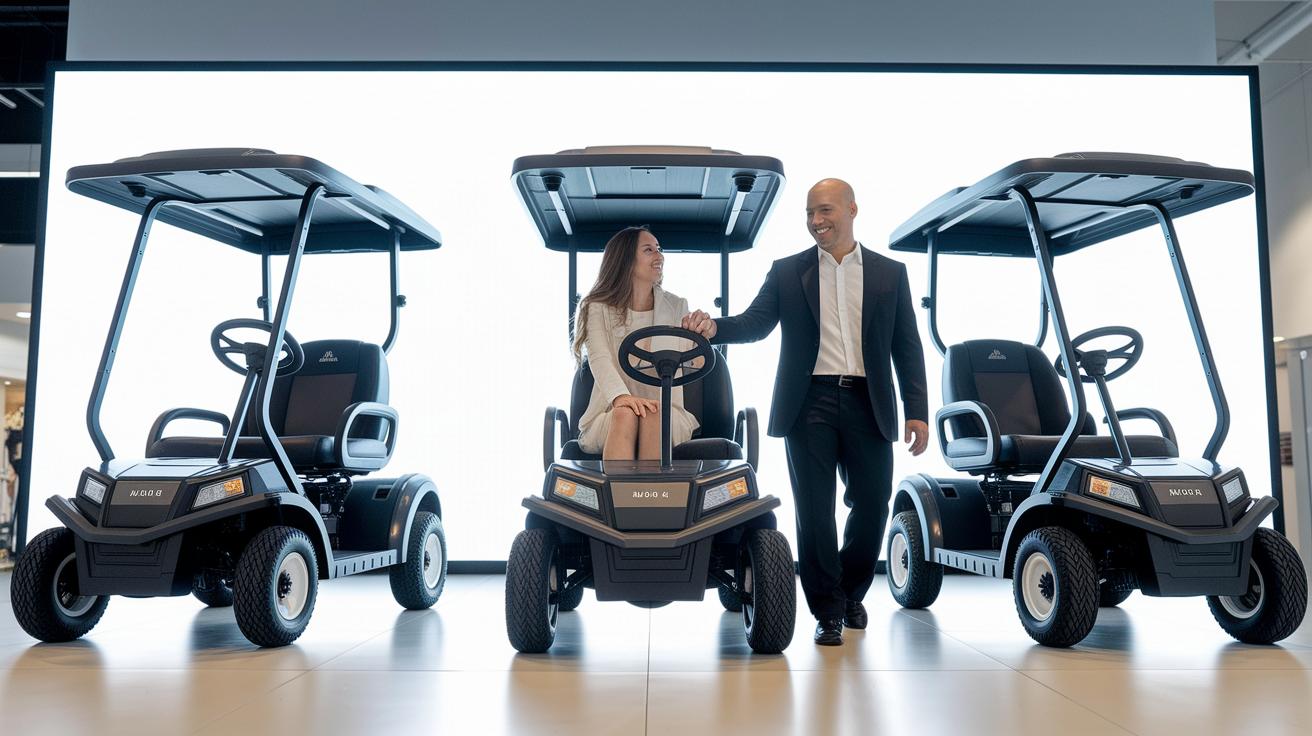
Customers are very happy with these mobility carts. Over 500 reviews show that Model A scores 4.8 out of 5, Model B scores 4.5 out of 5, and Model C scores 4.6 out of 5. Buyers enjoy the smooth ride and strong battery life these carts deliver. While some note that a few models feel heavy and can be harder to maneuver, and sometimes cost a bit more, the overall feedback shows that these carts are seen as reliable and efficient for daily use.
Model A Profile
Model A shines with a very smooth ride and long battery life. Users say it performs reliably even over long periods. One customer commented, "Using Model A feels like a breath of fresh air; its endurance on a single charge is remarkable." Its high rating backs up its reputation as a top performer in battery-powered transport.
Model B Profile
Model B is praised for offering a smooth ride and dependable performance. Some reviews highlight that its heavier build can make quick turns a bit challenging. Still, its steady performance and energy efficiency keep it a strong contender in its class.
Model C Profile
Model C earns praise for balancing strong performance with a practical design. Many users appreciate its consistent battery life and reliable operation. These attributes make it a popular choice for those who need an efficient and sturdy cart for everyday tasks.
Final Words
In the action, this article broke down key specs, benefits, and design features that guide smarter selections. It covered performance figures, battery insights, and pricing options for both personal and industrial settings.
The guide also outlined maintenance tips and troubleshooting steps while presenting real user reviews and top picks. This clear overview helps executives make actionable decisions in the competitive market for electric mobility carts. Overall, these insights set the stage for informed, positive progress.
FAQ
What does a lightweight foldable mobility scooter offer?
A lightweight foldable mobility scooter offers portability and easy storage while supporting personal mobility. It is designed for compact transport and quick maneuvers in confined spaces.
How does Medicare cover mobility devices, including electric scooters and carts for the elderly?
Medicare covers mobility devices when medical necessity and proper documentation are provided. Eligibility details and approved models vary, so beneficiaries should verify guidelines with their Medicare provider.
What are the options for mobility scooters for adults, including motorized models?
Mobility scooters for adults and motorized variants provide enhanced stability, maneuverability, and battery performance. Shoppers should consider load capacity, speed, and control features when selecting a model.
Are there affordable mobility scooter options, such as those under $500?
Some mobility scooters are available for under $500, though they may offer fewer features and lower durability. Users should balance cost with essential needs like battery life and overall performance.
What rental options exist for electric mobility scooters for adults?
Rental options for electric mobility scooters include weekly rates and lease-to-own programs. These options provide flexibility for adults who want to try a model before deciding on a long-term purchase.
What defines the most reliable and best electric scooter for handicapped adults?
The most reliable electric scooters for handicapped adults feature robust build quality, long-lasting batteries, and consistent performance. Reviews cite smooth rides and dependable safety features as important factors.
How can I find mobility scooters for seniors near me?
Mobility scooters for seniors can be located by contacting local healthcare suppliers and mobility centers. Community directories and service reviews often guide users to nearby providers and appropriate models.
What are the eligibility criteria and steps to get a free electric mobility scooter for seniors?
Free electric mobility scooters for seniors are typically available based on income, disability status, and participation in assistance programs. Seniors should reach out to health services and community programs to start the application process.