


Ever wonder if sharing a ride could ease city congestion? By using shared mobility options like buses, bikes, or ride services instead of driving alone, you can cut travel costs and lower pollution. This approach makes commutes simpler and can help reduce traffic in busy urban areas. Here, we break down how shared mobility works and why it matters for everyday travel.
Shared Mobility Definition and Purpose
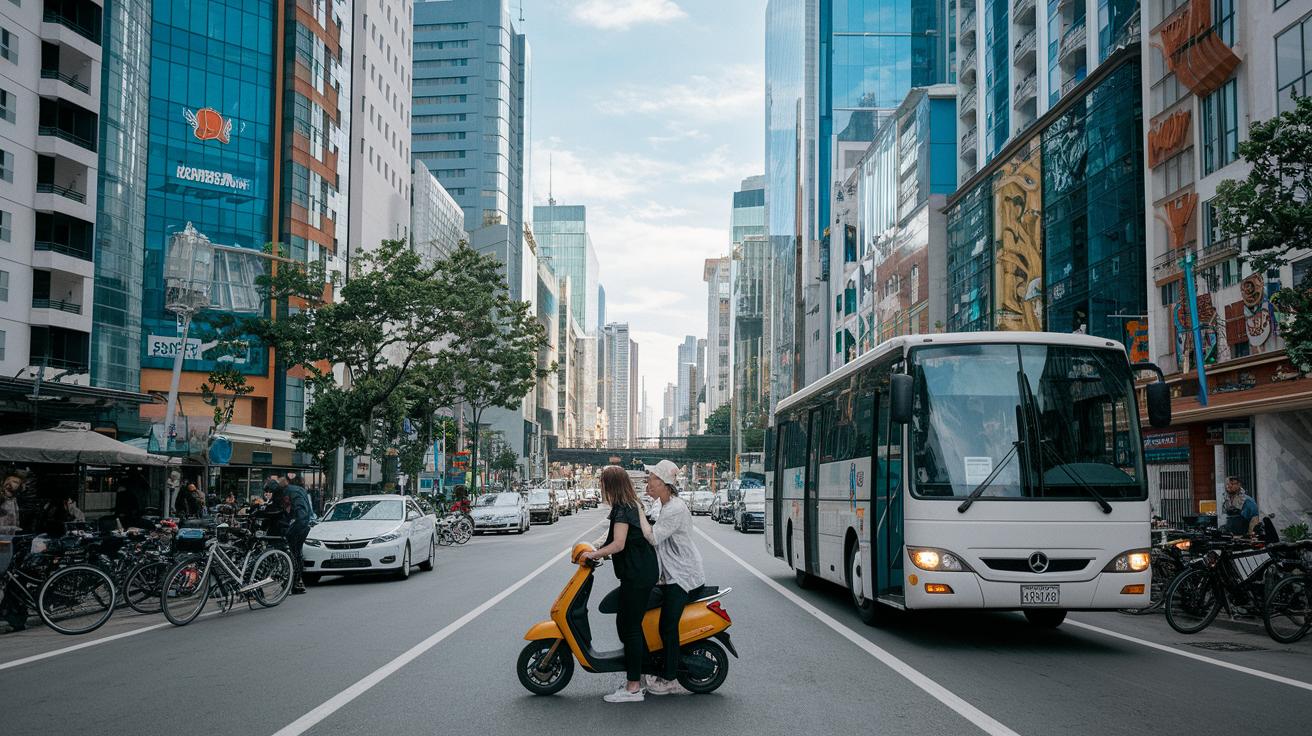
Shared mobility means using transportation services together instead of relying on a private car. It covers public transit like buses, subways, and light rails run by public agencies. It also includes micromobility options such as bikesharing and scooter sharing for short, flexible trips. In addition, automobile-based services like carsharing, rides on demand, and microtransit offer rides you can request via a smartphone app. Carpooling and vanpools let people sharing the same route travel together.
Shared mobility matters because it tackles urban growth challenges, environmental concerns, and rising costs. Cities face traffic jams, higher energy prices, and pollution. By sharing rides, communities save money, reduce emissions, and ease congestion. For instance, opting for a shared vehicle can cut travel costs and lower a person’s carbon footprint. Many cities that adopt these services report smoother traffic flow, fewer emissions, and more transit choices for residents.
Shared Mobility Modes and Examples
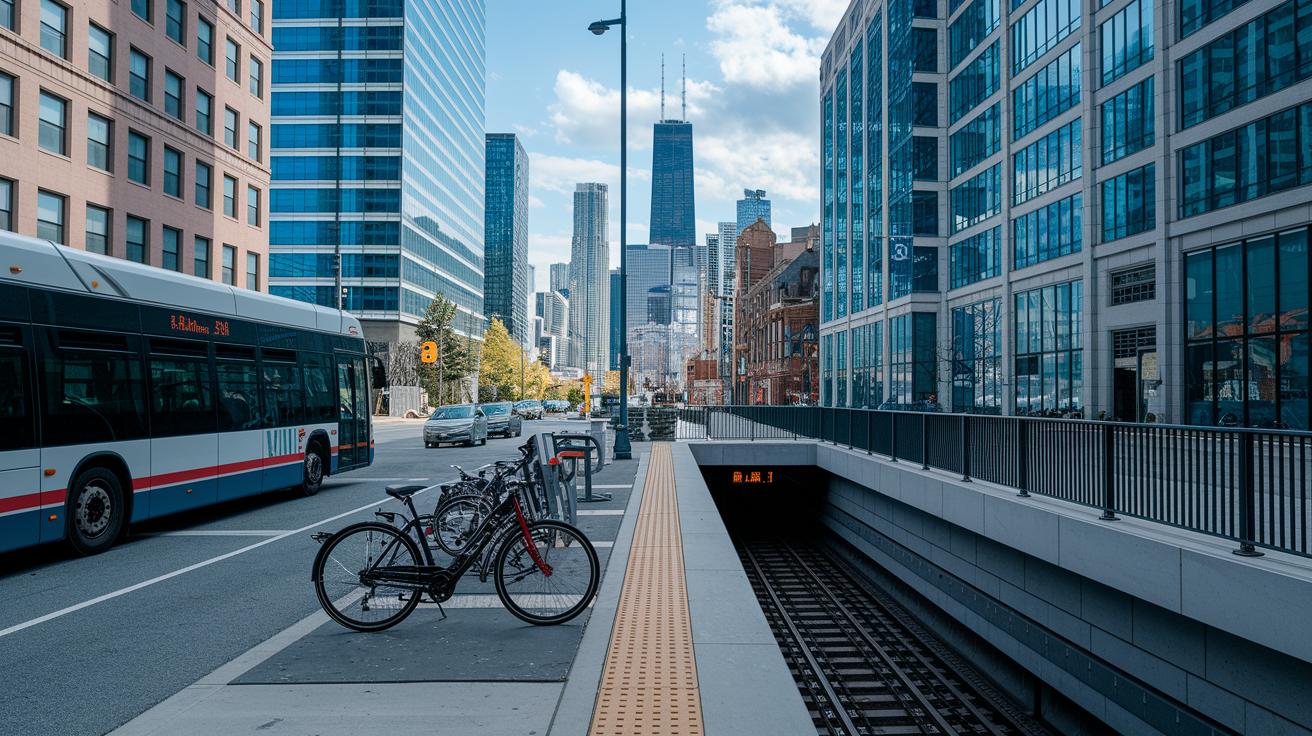
Shared mobility offers a range of transportation options built for urban needs. These choices reduce traffic, cut emissions, and make travel smoother.
Public transit forms the core of city travel. It includes buses, light rail, and subways that run on set routes. For example, a commuter might use a city bus every day, relying on its steady schedule and widespread network.
Micromobility covers the short trips that complete a journey. This mode uses small vehicles like bikeshare, whether docked or not, and electric scooters. Imagine someone taking a dockless bikeshare ride from a subway station to their office.
Automobile-based services fall into two groups: app-driven carsharing and ridehailing. Carsharing tools let users rent cars by the hour with flexible pick-up and drop-off options. Ridehailing apps, like Uber or Lyft, connect riders with drivers who work as independent contractors. A busy professional might quickly book a ride between meetings using one of these apps.
Commute-based ridesharing includes organized carpools and vanpool programs for groups of three to 15 riders. These systems share costs such as vehicle lease, insurance, and fuel, making daily travel more affordable.
| Shared Mobility Mode | Examples |
|---|---|
| Public Transit | Buses, light rail, subways |
| Micromobility | Bikeshare programs, electric scooters |
| Automobile-Based Services | Carsharing and ridehailing apps |
| Commute-Based Ridesharing | Carpools, vanpools |
Each mode is designed to meet specific urban travel needs. They often work together with scheduled services, offering flexible choices for on-demand transport.
Environmental and Economic Benefits of Shared Mobility

Shared mobility lowers our reliance on private cars by offering group travel options. Services such as high-occupancy rides and vehicles that produce no emissions help cut fuel use and reduce air pollution. Carsharing and vanpooling also lower costs by splitting expenses for lease, insurance, maintenance, and fuel.
Micromobility fills important gaps by handling the first and last parts of a journey. Bikesharing and electric scooters connect users to public transit, ease traffic, and help keep city noise down. In crowded urban centers, combining public transport with shared travel options reduces each rider's carbon footprint and makes trips smoother.
For example, one resident might use a carsharing service to cut daily commuting costs and then take a dockless bikeshare to reach the subway station. This mix of services lowers travel expenses and cuts emissions with every trip.
Overall, these shared mobility models save money, ease traffic jams, and improve air quality. By reducing dependence on private cars, cities gain cost-effective and eco-friendly travel options that ease congestion with real-time ride coordination and flexible transit solutions. This approach plays a vital role in building sustainable urban environments.
Regulatory and Integration Challenges of Shared Mobility

Shared mobility services are growing fast. Local and regional agencies now face new challenges. Officials need to update tax rules, licensing standards, and data-sharing practices. They also must adjust old transit schedules to work with these new, flexible services. One regulator said, "Expanding on-demand options means reshaping outdated policies that once only governed traditional transit."
Regulators have the tough job of keeping safety rules clear while welcoming innovation. They must enforce cleaning and sanitization standards and protect rider data privacy. At the same time, they support services that connect easily with regular transit networks. Coordinating fares and creating easy first/last-mile access add extra layers of complexity.
Key policy and operational issues include:
- Coordinating fares between shared services and public transit.
- Incorporating on-demand mobility into established fixed routes.
- Overseeing fleet logistics as service agreements evolve.
- Safeguarding rider data on growing digital platforms.
Agencies and service providers must cooperate closely. As one official noted, "It is not just about adding more vehicles; it is about ensuring these services complement and enhance the broader public transit system."
Technology and Platforms Powering Shared Mobility

Wireless network upgrades and IoT innovations have reshaped shared mobility. Real-time tracking lets platforms know the exact location of each vehicle. Mobile apps streamline onboarding, trip planning, and contactless payments. For example, dynamic pricing adjusts fares on hot days when demand spikes, prompting riders to rethink their travel plans.
Back-end systems are vital too. Digital keycards and RFID access secure vehicles and help manage fleets. Data analytics optimizes dispatch and monitors occupancy, cutting idle time and boosting ride efficiency. Meanwhile, sensor-driven predictive maintenance helps prevent sudden breakdowns, keeping services reliable.
APIs link shared mobility with fixed-route services. This integration allows users to mix ride-hailing with transit options, supporting efficient multimodal journeys. Dynamic pricing algorithms adjust fares in real time to balance demand and supply.
This digital setup delivers a steady and informed experience for both riders and fleet operators. It drives smarter mobility networks that quickly adapt to traffic changes and evolving user needs, improving urban transit ecosystems.
Future Trends and Innovations in Shared Mobility
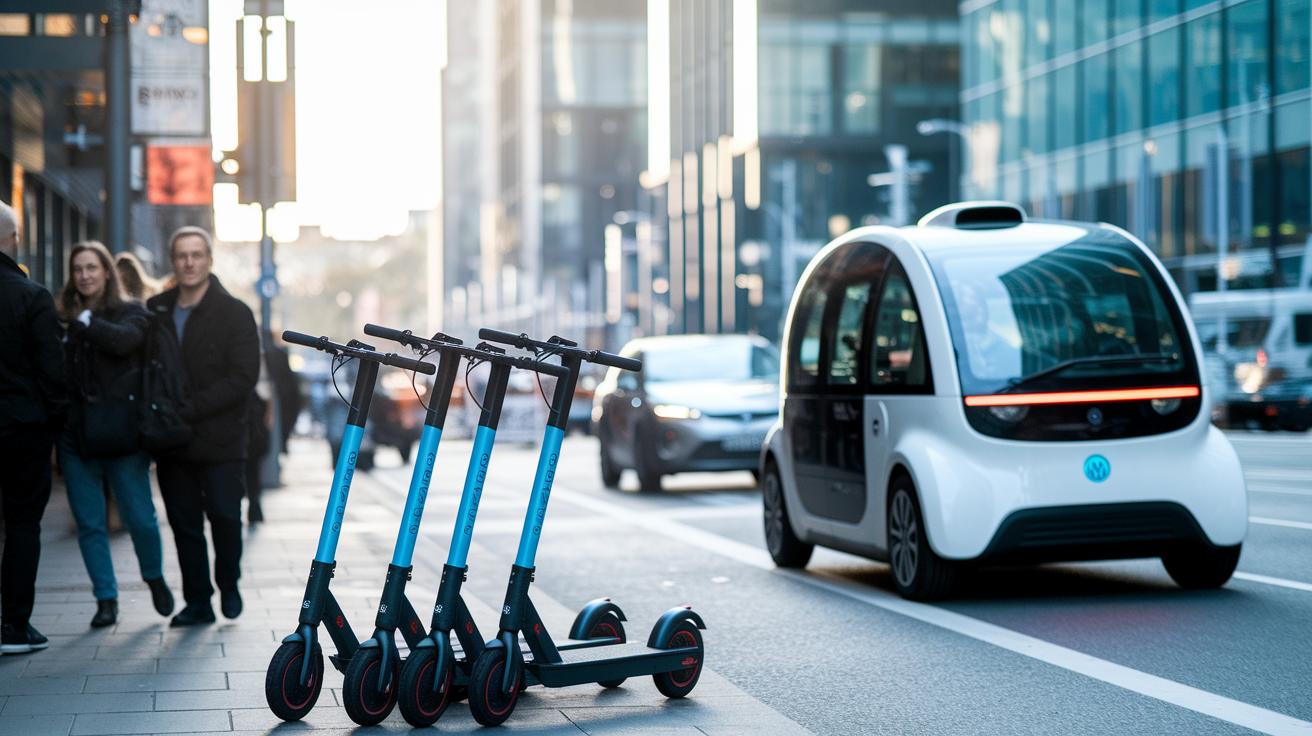
Shared mobility is changing how we travel in cities by blending new technology with smart business ideas. Electric vehicles are on the rise. More companies are using electric scooters and carshare EVs. Some now offer a single subscription that lets you switch between cars, bikes, and scooters easily.
Several cities are testing autonomous shuttles. In one trial, an unmanned shuttle followed set routes while gathering data on how passengers behave. This test shows a future where driverless vehicles provide quick, on-demand rides and help cut operating costs through smarter route planning.
Urban planners are also working on demand-responsive microtransit. These systems adjust routes in real time based on passenger requests, which cuts wait times and lowers emissions using data-driven methods. Connected-vehicle systems help fleets work together and respond quickly to changes in busy city streets.
These innovations are set to shape the future of urban travel.
- Expanding electric scooter and EV fleets
- Testing autonomous shuttles
- Launching demand-responsive microtransit
- Using data to optimize routes and fares
- Offering integrated subscription models
Leading Shared Mobility Platforms and Case Studies

Major ridehailing apps like Uber and Lyft use simple platforms to connect riders with freelance drivers quickly. This on-demand system cuts wait times and offers flexible travel. Picture needing a ride downtown and seeing a nearby driver pop up on your app.
Carsharing services such as Zipcar and Car2Go let members rent cars by the hour. Urban residents can use a car only when needed without the burdens of ownership. Studies show that cities with strong carsharing options see less parking demand and lower maintenance costs, which boosts affordability and mobility.
Bikeshare programs work through partnerships between public and private groups. They use either fixed docks or free-floating bikes placed at key spots in the city. Thanks to reliable service from unionized teams, bikeshare has become a favored option for short trips and last-mile connections.
Scooter rentals from companies like Lime and Bird use dockless networks. Riders can pick up and drop off scooters anywhere within designated zones. This system offers quick, short trips and may help reduce traffic congestion.
Key insights include:
- Wide adoption with flexible pricing
- Service levels that adjust with live demand
- Successful public-private partnerships delivering clear benefits
- Case studies driving continuous improvements
Surprising fact: Early carsharing programs challenged traditional rental models and changed how people viewed urban travel.
Final Words
In the action, we traced shared mobility’s core elements, from its basic definition and varied service modes to the environmental, regulatory, and tech challenges shaping the market. We examined real-world examples, case studies, and emerging trends driving next-generation service models.
This article shows what is shared mobility and how does it work as a vital part of today’s transport conversation. The insights offer a clear view to help strategize smart moves in this ever-changing sector with optimism for future growth.
FAQ
What is shared mobility and how does it work pdf
The shared mobility concept means that transportation services and resources are used by many people. It works by letting users access vehicles like buses, bikes, and cars on demand, reducing the need for individual ownership.
What are some shared mobility examples
The shared mobility examples include systems such as carsharing, ridesharing, bikesharing, scooter rentals, and vanpool services. These services offer flexible travel options and help lower emissions and road congestion.
What does shared mobility mean
The shared mobility meaning refers to a model where transport services are accessed and used by multiple people at different times. This approach improves affordability and reduces environmental impacts.
How does shared mobility in the automotive industry work
The shared mobility in the automotive industry involves car rental, carsharing, and ridesharing services that let users share vehicles. This model optimizes usage, cuts emissions, and lowers transportation costs.
What is the Shared-Use Mobility Center
The Shared-Use Mobility Center typically refers to an organization that promotes and studies sharing strategies in transportation services. It aims to improve mobility through research, best practices, and policy support.
What is the shared transport meaning
The shared transport meaning describes a system where vehicles or transit services are used by multiple people either simultaneously or consecutively. This method reduces costs and environmental effects by pooling travel resources.
What do shared transportation services encompass
The shared transportation services include options like carsharing, ridesharing, bikesharing, and scooter rentals that provide urban mobility solutions, lower congestion, and reduce the need for private vehicle ownership.
What does Mobility as a Service mean
The Mobility as a Service concept integrates various shared mobility options—such as ridesharing, public transit, and micromobility—into one digital platform. It simplifies planning trips and payment processes for users.
What is an example of shared mobility
The example of shared mobility can be seen in services like Zipcar or Uber Pool, where users share vehicles or rides. This method reduces individual vehicle use and provides flexible, cost-effective travel options.
Are rideshare and Uber the same thing
The rideshare and Uber comparison shows that while Uber is one of many ridesharing services, ridesharing broadly refers to any service that connects passengers with drivers through a shared vehicle platform.
What are the cons of car sharing
The cons of car sharing include limited vehicle availability during busy times, possible cost increases, and challenges in less populated areas. These factors may affect reliability and user convenience.
What is a shared mobility device
The shared mobility device means items like bikes, electric scooters, or skateboards that are available for short-term rental. They help users travel short distances quickly and reduce reliance on cars.