


Imagine a ride that drives itself while cutting pollution. Self-driving taxis use smart sensors, artificial intelligence (computer systems that mimic human thinking) and electric platforms to reshape how we travel in our cities.
These robotaxis rely on precise maps and real-time data that work together like a well-run team. They lower accident risks, ease traffic and make each ride smoother. This article explains how self-driving taxis boost smart mobility and could soon become a trusted part of urban life.
2. autonomous ride hailing services Spark Smart Mobility
Robotaxis use many sensors, smart AI, and fast data processing to handle all driving tasks under set conditions. They combine LiDAR, cameras, and radar with artificial intelligence so that every action, from speeding up to braking, is done automatically. Using electric vehicle platforms also helps cut emissions and lower operating costs while supporting a shared, autonomous ride model.
Sensors are at the core of these systems. Advances in sensor fusion (combining data from different sources) give a fuller picture of the road. For example, mixing LiDAR and radar helps detect obstacles even in low-visibility conditions. Think of it like a team of experts working together, much like a smartphone that quickly changes its route during rush hour.
Smart mapping and navigation are key too. High-definition maps and machine learning help the vehicle understand its surroundings while AI-powered route planning finds the best paths. This means fewer accidents, smoother traffic flow, and better use of each car.
Real-time data sharing ties it all together. Vehicles exchange live information to keep fleets coordinated and adapt to changing road conditions. This blend of sensors, AI, and mapping technology sets the stage for smoother rides and smarter mobility.
Leading Self-Driving Taxi Operators and Robotaxis

Waymo shows impressive progress in driverless taxi services. By early 2025, the company provided more than 10 million rides, averaging about 200,000 rides each week. Its fleet of 1,500 vehicles covers key U.S. cities like Phoenix, San Francisco, Los Angeles, and Austin. Waymo plans to add 2,000 vehicles by 2026, promising a future where robotaxis respond in real time to changing city traffic.
Pony.ai, a Nasdaq-listed self-driving taxi firm, has earned strong favor from analysts. They have raised price targets from roughly $17.88 to between $21.85 and $26, signaling a potential 40% upside. Meanwhile, WeRide reported Q1 2025 revenue of RMB 72.4 million (about $10 million). Its share of robotaxi revenue doubled from 11.9% to 22.3% year-over-year, marking a shift from early testing to regular, revenue-producing operations.
Tesla has also secured a permit to extend its autonomous ride-hailing service to a major new city. CEO Elon Musk stressed that rigorous safety measures remain a top priority. This dedication to safety aims to build trust as consumers take a step closer to fully driverless transport.
Technological Innovations Driving Autonomous Ride Hailing
Generative AI and improved sensor fusion lower hardware costs and boost system efficiency. Manufacturers now use deep neural networks in transit systems to sharpen obstacle detection. For instance, the system can spot a stray object on the road and adjust its path quickly, like a careful driver avoiding a hazard.
Advances in computer vision have paved the way for predictive analytics. These tools forecast traffic patterns and customer demand, letting the system adjust in real time. Think of it as a smart traffic controller that schedules rides dynamically in busy cities.
Real-time data processing now supports on-demand ride assignments, shuttle services, and even autonomous deliveries. This breakthrough lets a fleet reassign vehicles within seconds based on current road conditions and passenger needs.
Companies are now moving beyond pilot tests to running full, revenue-generating operations. They use AI-powered fleet telematics to monitor vehicle performance and push over-the-air updates, ensuring every ride stays safe and efficient.
Key innovations include:
- Advanced sensor fusion that blends data from multiple sources for a complete picture of the road.
- Deep neural networks for better obstacle detection.
- Real-time data frameworks that allow flexible and dynamic ride allocation.
These breakthroughs are key to taking autonomous ride-hailing from prototypes to everyday transit, ensuring each vehicle operates quickly, accurately, and reliably.
Safety, Reliability, and Performance Metrics in Autonomous Ride Hailing

AI-powered systems help lower accident rates by using advanced sensors to spot obstacles and trigger quick braking. These systems work like a vigilant co-pilot that constantly watches for hazards and acts fast when needed. For example, when sensors detect an unexpected object, the system automatically applies the brakes, much like a skilled driver dodging an accident.
These vehicles use a system of backup sensors and fail-safe controllers to prevent crashes. If one sensor fails, another immediately takes over, similar to having a spare tire ready in an emergency. This design keeps the car prepared for sudden issues on the road.
Safety standards require regular tests of LiDAR (light detection and ranging), radar, and cameras to prove that the technology works reliably in different conditions. In recent trials, vehicles with dual sensor systems showed a nearly 40% reduction in unintended stops, highlighting faster emergency responses.
Public reliability measures like uptime, incident rates, and average time between failures are now common. These metrics boost consumer trust by demonstrating that autonomous ride-hailing performs on par with or better than traditional services.
- AI-driven sensors that detect obstacles and trigger emergency braking
- Backup sensors and fail-safe controllers that kick in immediately if one fails
- Regular testing to ensure adherence to safety standards
- Transparent reliability metrics that build consumer trust
Regulatory and Infrastructure Developments for Autonomous Ride Hailing
Tesla recently received a permit that shows growing government backing for driverless ride services in city streets. City planners and policymakers are updating roads to help sensors like LiDAR work effectively and are installing V2X communication nodes that let vehicles share real-time data with nearby infrastructure. Think of it like a smartphone sharing its location to improve navigation.
Government officials and private operators are setting common standards. A new partnership between Uber and WeRide in Chinese cities is one example, as both sides work together to weave driverless transport into existing urban plans. New policy rules now define clear zones of operation, require sharing of data, and set oversight measures to keep the public safe. One local official put it simply: "These rules work like traffic signals for a brand-new kind of traveler."
Key factors shaping this trend include:
| Factor | Description |
|---|---|
| Road Upgrades | Infrastructure improvements for sensor-friendly roads |
| V2X Enhancements | Better vehicle-to-infrastructure communication |
| Public-Private Agreements | Aligning private fleet operations with urban transit needs |
| Safety Rules | Clear policies on safety and data sharing |
These steps are paving the way for large-scale robotaxi networks. For more on permits and policy changes, see “shared mobility regulatory challenges” at https://sharingeconom.com?p=74.
Comparing Autonomous Ride Hailing to Traditional Models
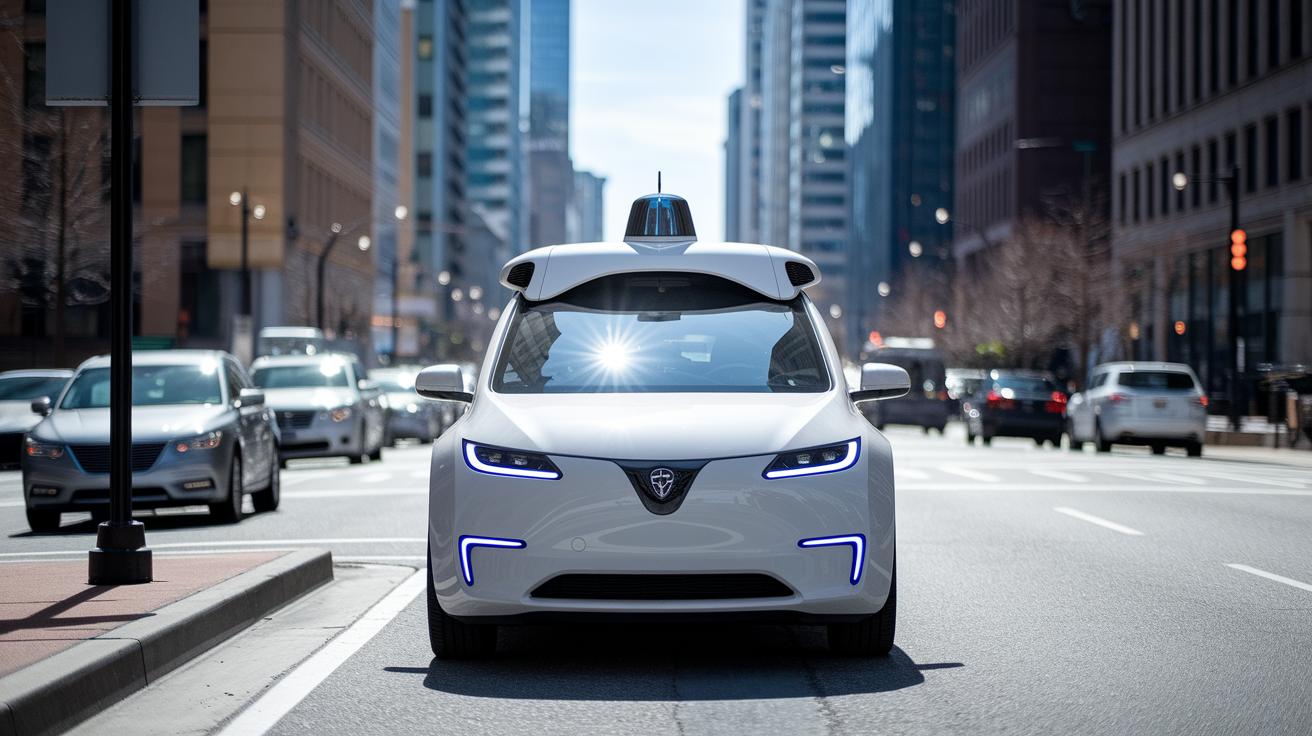
Autonomous ride-hailing uses electric drivetrains that cut per-ride emissions and lower operating costs compared to gas-powered vehicles. This results in cheaper fares and a smoother, contactless booking process available on mobile apps. With dynamic pricing (rates that adjust with demand) and on-demand scheduling, rides are more efficient and convenient, much like getting a hassle-free ride on a busy day. For example, a user might book a self-driving car that arrives quickly and costs less than a traditional taxi, showing how technology can make everyday travel simpler.
Consumer surveys show that riders are gaining confidence in automated transport when they see clear data on reliability and safety. Regular updates on system uptime and incident rates help build trust. In addition, electric autonomous fleets use less energy and produce fewer emissions than conventional gas-powered services.
When comparing the two, key differences include:
- Lower operating costs with autonomous fleets
- Reduced environmental impact through efficient electric drivetrains
- A better user experience with contactless payments and on-demand scheduling
- Higher consumer trust due to clear performance metrics
These factors explain why driverless, electric ride services are becoming popular in urban transportation.
Future Prospects and Expansion of Autonomous Ride Hailing Services
Companies are rapidly expanding their operations to meet the rising demand in cities. Waymo, for example, aims to add 2,000 vehicles by 2026. This move shows a strong push to scale fleet capacity and make driverless rides a regular part of urban travel.
Operators are no longer offering just point-to-point rides. Many now include autonomous shuttles and delivery vehicles in their services. These new models open additional revenue streams and help broaden the market for automated rides. Picture a city where on-demand autonomous shuttles work alongside regular transit lines to boost ridership and change how people move around.
Partnerships are adding strength to this growth. Rideshare companies and public transit operators are teaming up in major cities to create flexible, integrated networks. These collaborations speed up the urban rollout of driverless rides and provide a model for future systems.
Experts forecast that self-driving ride-hailing could handle 10–15% of urban trips by 2030. Success will depend on supportive regulations and improved infrastructure. Advances in fleet telematics (technology to monitor vehicle performance) and dynamic route planning are also key drivers of this trend.
For example, one metropolitan trial found that on-demand autonomous shuttles increased service frequency during off-peak hours. This shows that flexible mobility options can make urban transit more efficient and reliable.
Final Words
In the action, this post dissected how self-driving taxis work, from sensor technology and AI route planning to streamlined fleet coordination.
It detailed major operators and highlighted breakthroughs in safety standards and mapping innovations.
We also explored regulatory shifts and infrastructure upgrades that support smoother urban mobility.
Autonomous ride hailing services stand to reshape urban transport, offering promising avenues for growth and improved consumer experiences. The outlook remains optimistic as technology continues to mature and markets expand.
FAQ
What is Waymo?
The term Waymo refers to a leader in autonomous ride-hailing that uses advanced sensors and AI to provide driverless taxi services in select urban areas.
Are Waymo vehicles fully autonomous?
The Waymo vehicles operate at Level 4 autonomy, meaning they handle driving tasks under specific conditions without needing human intervention.
What is Waymo One?
The Waymo One service is Waymo’s ride-hailing platform that lets users book fully autonomous rides through its app in approved locations.
Where is Waymo available?
The term Waymo covers services in cities like Phoenix and parts of California, with expansion plans to offer rides in other urban markets.
Does Waymo offer an app for tourists?
The Waymo app serves all riders—including tourists—by providing a straightforward booking experience for accessing driverless transportation.
What are Zoox autonomous vehicles?
The Zoox autonomous vehicles represent next-generation driverless cars that combine sensor technology and AI to deliver safe, efficient urban mobility.
Do autonomous cars operate in San Francisco?
The use of autonomous cars in San Francisco is growing, with companies like Waymo offering driverless ride services in designated city areas.
Is there a driverless taxi in the USA?
The USA features driverless taxis from operators such as Waymo, which are deployed in approved zones as part of the automated transit shift.
Can a cop pull over a Waymo vehicle?
The approach for interacting with a Waymo vehicle is similar to that for traditional cars, allowing law enforcement to conduct routine stops when needed.
Are there really driverless Ubers available?
The term driverless Ubers refers to tests by ride-hailing platforms, with many still operating safety drivers as they work toward full automation.
What autonomous ride-hailing services does Tesla offer?
Tesla’s approach involves testing autonomous ride-hailing capabilities with evolving safety features, and its service remains in development compared to established providers.