


Have you ever wondered if sharing your home could bring both savings and a sense of community? Senior home sharing connects older adults with extra space to people looking for affordable housing. Each person keeps their own bedroom while sharing common areas like the kitchen and living room. This setup helps lower monthly expenses and makes daily chores easier. Many participants save about $500 each month on bills and living costs. In this way, what once was a solitary living situation transforms into a warm, supportive community.
senior home sharing: Enjoy Warm Community Living

Senior home sharing matches older adults with extra space with those needing affordable housing. In this setup, each person has a private bedroom and shares common areas like the kitchen and living room. This model cuts costs and boosts social opportunities. Residents may save about $500 each month on bills like food, electricity, and heating. In some cases, meals are even included. For example, one retiree might offer part of their unused space in exchange for help with grocery shopping and meal prep, saving money while making new friends.
This approach reduces daily expenses by splitting household tasks such as cleaning, small repairs, and pet care among residents. By sharing these responsibilities, what might have been a lonely living situation turns into a supportive community. Seniors can choose from different cohabitation styles. Some opt for senior cohousing, where a group intentionally forms a living community. Others live in naturally occurring retirement communities that develop from existing neighborhoods, or join virtual villages that use technology for social programs and wellness checks.
By sharing duties and benefits, senior home sharing creates a cost-effective and friendly living arrangement that meets both financial and social needs.
How to Find and Match Roommates in Senior Home Sharing
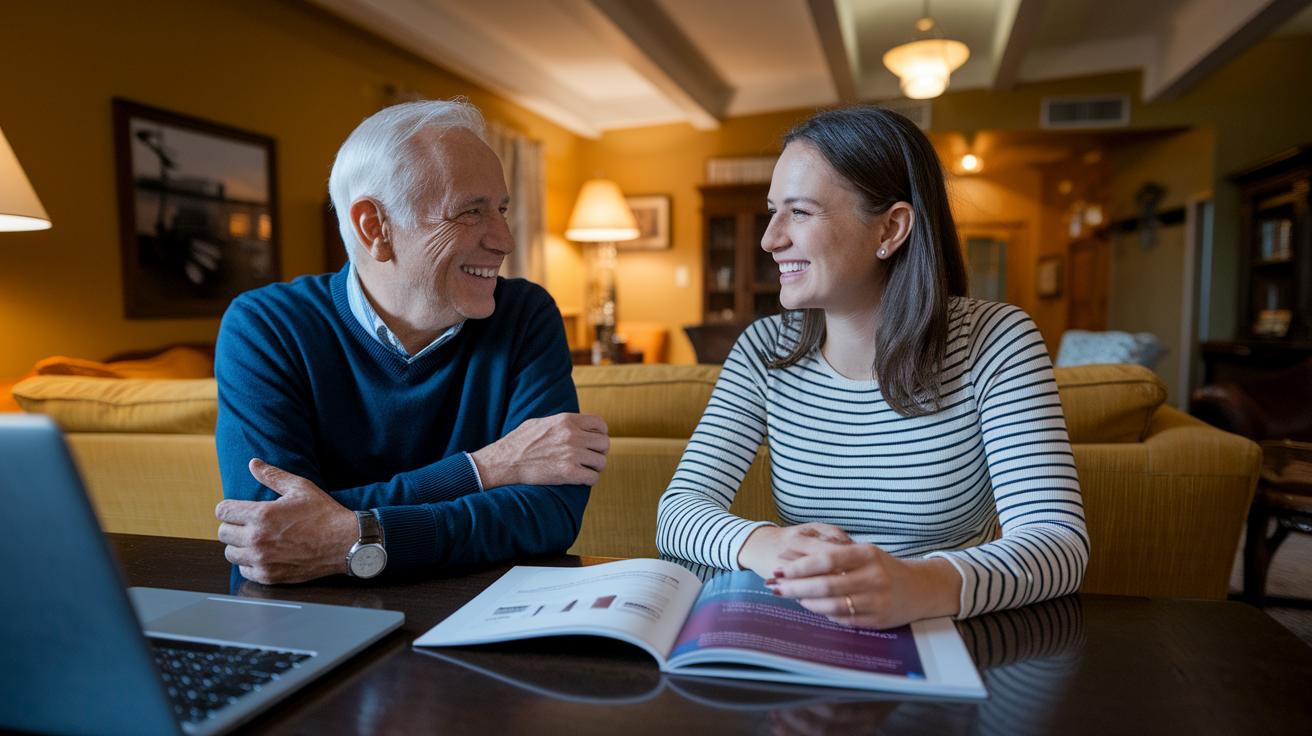
Finding a good roommate in senior home sharing can be both secure and affordable. Seniors and responsible adults can connect through programs that offer a spare room in exchange for reduced housing costs. The program uses online applications and in-person interviews to screen everyone. Applicants pay a $15 fee to cover a background check. This process helps ensure that roommates have similar schedules, shared interests, and matching care needs.
Steps to join the program include:
- Complete an online application and build your profile.
- Pay the background check fee and share personal references.
- Attend an interview led by the program team.
- Review potential roommate profiles to check lifestyle compatibility.
- Finalize an agreement on matching and decide on a move-in date.
When introducing yourself, be honest about your daily habits and what you value in a living space. Start with a brief overview of who you are and what you expect. For example, you might say, "I'm looking for someone who enjoys a quiet morning coffee and cooking together regularly." Simple and clear communication at the start can help avoid issues down the road. By sharing your routines and the details of your space upfront, you can build a strong connection that leads to a successful home sharing experience.
Legal, Financial, and Safety Considerations in Senior Home Sharing

Setting up clear legal agreements is vital for a smooth home sharing experience. Seniors who choose this arrangement need a written contract that clearly explains responsibilities for chores, utility bills, and guest rules. This contract helps avoid misunderstandings and protects both parties financially. For instance, a clause might state, "I pay half of the monthly electricity bill," which makes sharing costs straightforward.
Planning a budget is another essential piece of mature co-living. Seniors should talk about how to split expenses like food, water, and heating ahead of time. Reviewing every part of the contract is important because sharing a home may mean adjusting personal space and habits. This setup might not be ideal for seniors who require regular professional care or prolonged personal assistance.
To keep the home secure, consider using smart locks and checking licensing information from bodies such as the Illinois Department of Financial and Professional Regulation. These precautions, along with legal compliance, help keep risks low. A well-written, mutually agreed contract lays the foundation for a safe, affordable, and comfortable senior home sharing experience.
Case Studies and Testimonials in Senior Home Sharing

Real-world examples show that senior home sharing not only cuts costs but also builds strong communities. One notable example is the Women’s Housing Initiative Manitoba. This program is designed for older women with fixed incomes. By splitting food and utility expenses, participants save roughly $500 every month. More than saving money, they also enjoy daily companionship that helps prevent isolation and delays the need for institutional care.
A resident remarked, "Since joining a shared home, I’ve experienced a revived joy for life. I save on expenses while forming meaningful friendships, and every day feels lighter knowing that I'm part of a caring team." Such feedback highlights that the benefits go beyond financial relief to include positive emotional and social impacts.
| Program | Location | Monthly Savings | Community Features |
|---|---|---|---|
| Women’s Housing Initiative Manitoba | Manitoba | $500 | Intentional community, reduces isolation, delays institutional care |
| Shared Living Renewal | Various regions | $500 | Enhanced quality of life, meaningful friendships, mutual support |
Practical Tips for a Successful Shared Living Arrangement for Seniors

A shared living setup for seniors works best when everyone communicates openly and knows their responsibilities. Clear boundaries and daily expectations create a home where everyone feels valued. Discussing routines and habits from the start can help prevent conflicts later. For example, saying "I appreciate quiet time after dinner" sets a respectful tone.
Agree on common routines for chores, bill payments, and visitor management to keep daily life running smoothly. A written agreement that spells out rent, utilities, and shared tasks can be your guide if any issues come up. This clarity makes the home feel safe and supportive for everyone.
- Establish regular communication about chores, bill payments, and rules for guests.
- Set personal space limits and agree on quiet hours.
- Create a simple written agreement for rent, utilities, and shared tasks.
- Hold regular check-ins to address concerns early.
Clear expectations and open discussions make it easier to adjust as needs change. Using these tips, seniors can enjoy a home that is both peaceful and practical.
Local Resources and Platforms for Senior Home Sharing

Local governments often team up with community resource centers that specialize in matching seniors with carefully vetted housing options. Many areas hold events for residents to connect with nonprofit programs and volunteer services. These initiatives help seniors manage the move into shared living and create a sense of community.
Some organizations run home-sharing programs specifically for older adults. They offer directories of trusted hosts, clear selection criteria, and tailored support services that meet seniors’ unique needs. These programs prioritize safety and affordability, giving seniors the confidence to choose the right living arrangement.
Digital tools now simplify the search for shared housing. Online platforms provide up-to-date directories with host profiles, available space details, and service offerings. This makes it easy for seniors to compare options and connect quickly with local opportunities.
Future Trends and Innovations in Senior Home Sharing

Innovative home sharing models for seniors are evolving with a strong focus on technology and community design. Virtual villages now offer tech-based wellness checks and social programs, letting seniors keep track of their health and join activities from anywhere at any time. App-based roommate matching simplifies the process of pairing seniors with companions who share similar interests.
Senior cohousing communities are on the rise as well. These purpose-built developments provide private living spaces alongside well-designed shared areas, promoting both independence and a supportive community spirit.
At the same time, naturally occurring retirement communities are adapting by using existing neighborhoods. Local networks and familiar surroundings help build strong bonds among residents. Overall, these trends point toward a future in senior home sharing that is more connected, tech-friendly, and community-focused, promising living spaces that evolve with the needs of older adults.
Final Words
In the action, the article covered what senior home sharing offers, from cost savings and clear living arrangements to practical matchmaking steps and legal safety measures. We walked through case studies, detailed roommate matching processes, and offered tips for setting boundaries and smooth transitions.
We also highlighted local platforms that help connect seniors and forecast trends in shared living arrangements. This review equips readers with actionable intelligence to make smart moves in senior home sharing and create supportive, affordable living solutions.
FAQ
Where can I find local senior home sharing options and rentals?
The search for senior home sharing near you often involves using local directories and verified online platforms. These listings offer affordable, shared housing arrangements and services designed for older adults.
How do senior home sharing assistance programs and match-up services work?
Senior home sharing assistance programs connect older adults with available rooms through an application, screening, and interview process. This match-up system ensures both parties share expenses and compatible lifestyles.
Is it safe to use platforms like Craigslist for finding senior roommates?
Using platforms such as Craigslist for senior roommates may not provide the security of dedicated programs. This option often lacks screening procedures, so verify profiles and references carefully.
How does senior home sharing work?
Senior home sharing pairs an older adult with extra space and a person needing affordable housing. Both receive benefits as they split expenses, household duties, and enjoy a balanced, shared living environment.
What is the best roommate finder for older adults?
The best roommate finder for older adults focuses on thorough screening and interviews, matching individuals based on shared interests, schedules, and care needs for a harmonious living arrangement.
How does home sharing benefit elderly individuals with limited care options?
Home sharing benefits elderly individuals by offering companionship, assistance with daily chores, and a safer living environment. This arrangement helps reduce isolation when caregivers or family support is limited.