


Ever wonder why your orders arrive so quickly now? It’s not magic. Smart investments in last-mile logistics are making a difference. Companies now use digital systems and local hubs instead of old methods. This change cuts delivery times from days to hours. Mergers and partnerships are also lowering costs and improving service. This tech-driven shift benefits both businesses and customers.
Investment and Consolidation Highlights in Last Mile On-Demand Logistics
Funding for last-mile logistics has grown rapidly over the past ten years. Companies are moving capital away from old delivery methods and investing in modern technology and local infrastructure. Investors are drawn to sectors that can cut delivery times from days to hours. In some markets, orders are delivered in as little as 8 minutes or fulfilled within 24 hours.
Consolidation has also picked up speed as companies form partnerships and merge their systems to lower costs and boost transparency. Positioning inventory close to high-demand areas, through urban fulfillment centers and nearby warehouses, has sped up service and increased operational efficiency. AI-based route planning (using smart software to find the best routes) and real-time tracking now set the standard for quick and dependable service.
- Growth of in-city fulfillment centers
- Acquisition of routing and optimization platforms
- Roll-up of regional carriers into national networks
- Capital infusion into micro-depot models
- Green fleet financing initiatives
These developments mark a significant shift in the delivery ecosystem. Firms are modernizing their networks with local facilities and tech-driven routing, while also consolidating different market segments to reduce costs and improve service consistency. By aligning investment with advanced logistics strategies, the industry is poised to increase speed and reliability, better meet customer expectations, and cut operational inefficiencies.
Last Mile Funding Landscape: Venture Capital and Digital Fulfillment Financing

Investors are pouring money into transport-tech as they hunt for smarter logistics solutions that speed up delivery and boost efficiency. Companies with more than 40 years of hands-on experience are now attracting big funds. Innovative platforms like the eFactory Order Management Platform and the SelectShip Shipping Optimization Engine have sparked several venture rounds. These tools help simplify order processing and shipping, proving that scalable software is key to modern logistics.
| Investor | Date | Round Size | Focus Area |
|---|---|---|---|
| Alpha Ventures | 2022-02-20 | $45M | Order management software |
| Beta Capital | 2021-11-10 | $30M | Shipping optimization |
| Gamma Fund | 2023-01-05 | $60M | Ecommerce integration |
| Delta Partners | 2022-07-22 | $40M | Logistics automation |
| Epsilon Investments | 2023-03-18 | $55M | Digital fulfillment solutions |
The table above lists key investors, funding dates, amounts, and focus areas. Deal sizes between $30M and $60M show solid venture capital interest in transport technology. Investors are supporting both well-established and emerging areas. Their focus on software that turns digital tools into real-world benefits confirms a clear trend: increased capital is scaling digital fulfillment. This shift is set to transform last-mile logistics and better meet the growing need for quicker, traceable deliveries.
Network Consolidation Strategies in On-Demand Logistics
Last-mile delivery markets are broken up and hard to manage. Scale matters because it cuts costs and makes services more reliable. When operators grow through mergers and partnerships, they spread fixed costs over a bigger network, reduce duplicate efforts, and offer steadier service. Using unified systems that connect EDI links, retailer partnerships, ERP systems (business software that runs day-to-day operations), and ecommerce integrations helps smooth out service ups and downs while handling more orders at a steady pace.
One popular approach is buying regional carriers. This move boosts geographic reach and standardizes technology. Working together with established retailers and grouping platforms gives companies a chance to pool their strengths and share resources. By combining shipping and order management with in-house tools, businesses use industry-wide consolidation to boost network performance. This strategy also makes it easier to coordinate shipments and keep communication clear with fulfillment partners.
A streamlined network offers better pricing and consistent service. With centralized data management and stronger bargaining power, operators can secure better rates from suppliers and carriers while keeping order processing accurate. This united method lowers the chance of isolated issues and supports dependable delivery. Companies that merge their operations well also pass savings to customers and adapt faster to market changes, setting them up for long-term success and growth.
Capital Allocation and Automated Route Optimization for Last Mile Efficiency
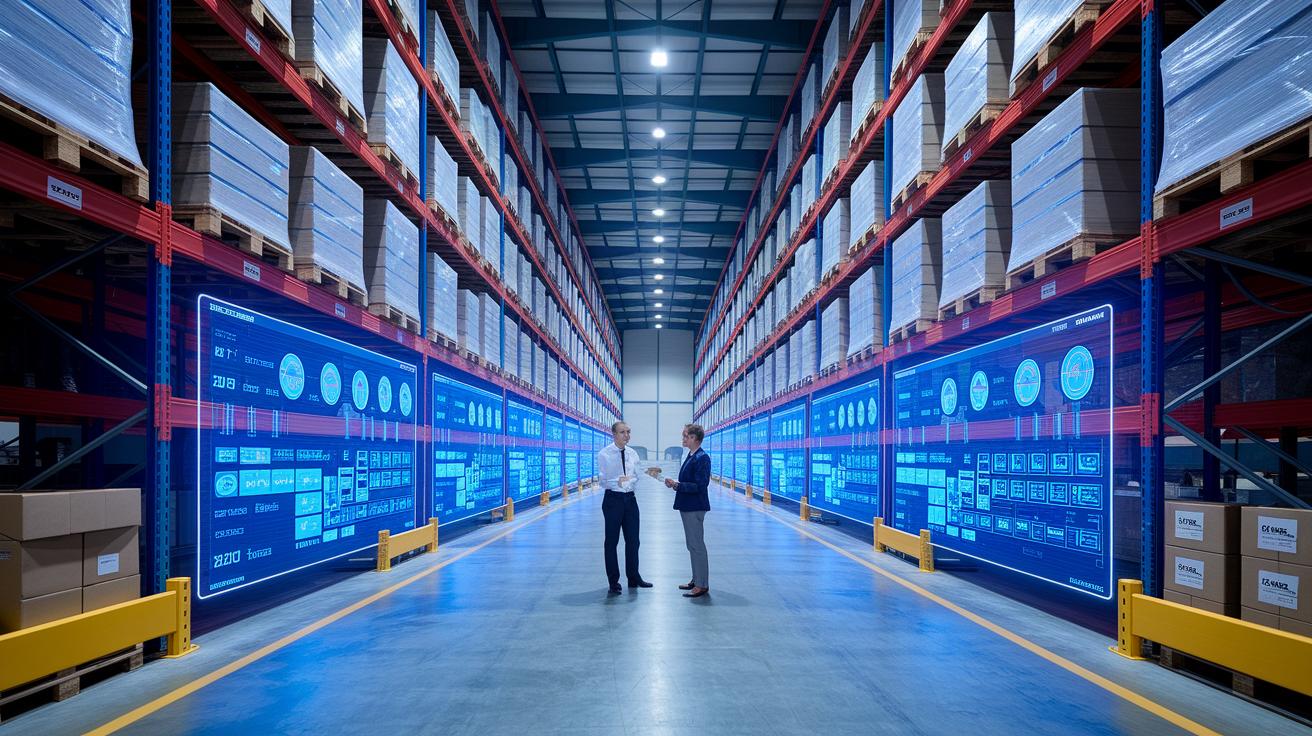
Investors are moving funds from physical assets to digital tools that boost operational efficiency. They now favor data-driven algorithms (computer programs that analyze information for better decision-making) over traditional truck investments. One study noted a 15% drop in transit delays after switching to AI-enhanced routing, a technology that uses artificial intelligence to plan optimal routes.
This trend blends physical asset investments with digital solutions to cut out unnecessary spending. With smarter funding choices, companies can lower costs and ease operational delays.
Infrastructure Investments: Micro-Depots and In-City Warehouse Expansion
In dense urban areas, micro-depots have become a key part of quick delivery networks. Companies open these small fulfillment centers near busy zones to meet growing expectations for same-day or next-day delivery. Setting up local facilities cuts travel time, reduces fuel use, and speeds up last-mile delivery.
These micro-depots are designed for smooth operations. Many feature docks that work with automation to simplify loading and unloading. Real-time inventory systems help track goods and speed up order processing. Some operators use flexible lease models that match costs with usage, allowing them to grow without heavy upfront spending. Additional docking areas and efficient loading systems boost overall throughput.
At the same time, urban real estate comes with a high price tag. Premium locations mean increased lease fees and maintenance expenses, which add to overall costs. Stakeholders must balance the benefits of faster service with the challenges of limited space and higher operational costs. This trade-off shapes investments in local infrastructure and decentralized fulfillment hubs.
Market Drivers and Cost Optimization in Last Mile Delivery
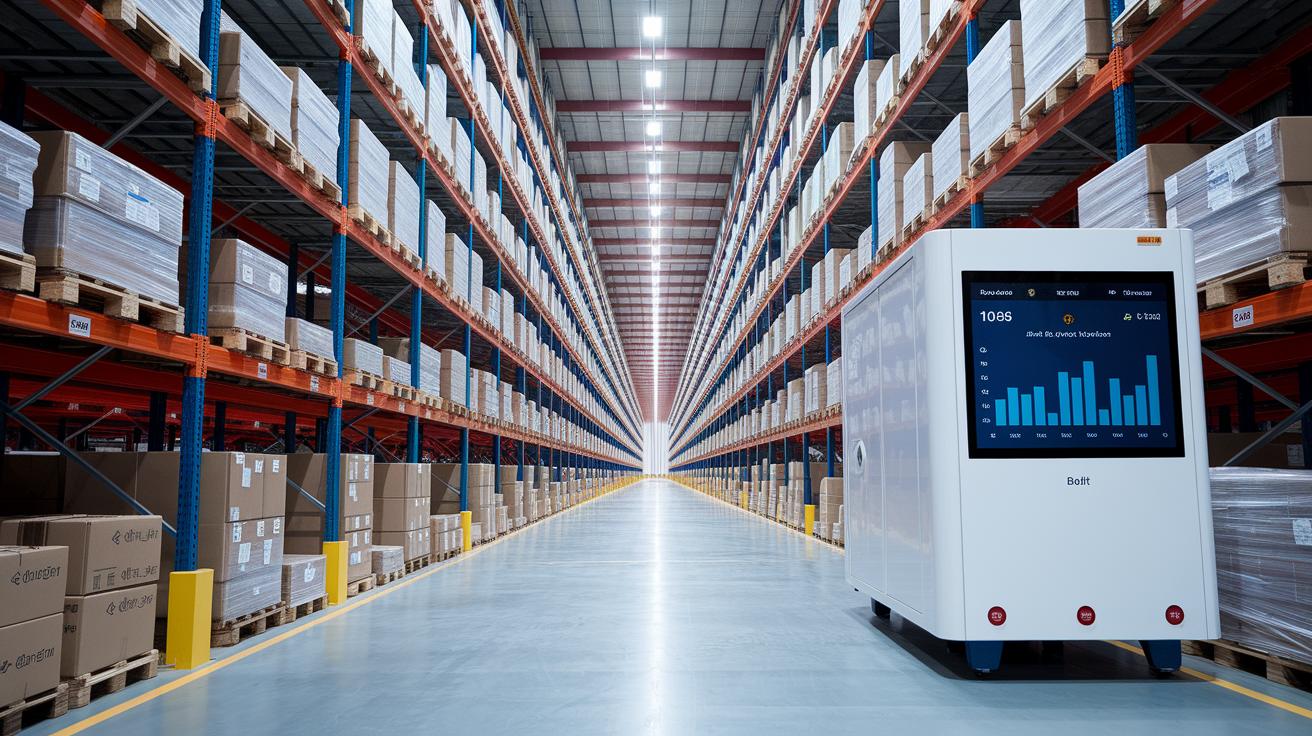
Consumers now expect fast, clear updates on their deliveries at every step. They want to see tracking details from the moment an order is placed until it arrives. To meet these expectations, companies are investing in advanced tracking systems and quick-response fulfillment methods.
Urban warehouse space is tight and getting more expensive. City centers report low vacancy rates, which drives up leasing costs and limits room for operations. Providers are consolidating networks and making better use of existing facilities to handle higher volumes without breaking the bank.
Regulatory rules and sustainability goals also influence investment choices. Companies are under pressure to reduce their environmental impact. They are turning to greener fleets and smart technologies like AI-based route planning, which cuts emissions and saves money. These steps support government initiatives and appeal to environmentally aware consumers.
Future Outlook: Tech-Powered Distribution and Emerging Consolidation Frameworks
Delivery technology is moving quickly. Drones and self-driving vehicles are now active in China, the United States, Australia, Canada, and the United Kingdom. These pilots, along with tests of robotic couriers, are finding new ways to beat city congestion and serve remote areas. This technology does more than speed up deliveries, it rebuilds the network. By placing high-tech hubs at key spots, companies can run smoother operations without needing traditional infrastructure. Think of it as a smart puzzle where every part, from an aerial drone to a self-guided van, fits perfectly to meet changing demand.
Investors are favoring projects that focus on sustainability and cutting-edge technology. They back efforts using electric fleets, AI-enhanced route planning (using computer programs to find the best delivery path), and integrated delivery platforms. These innovations are set to lower costs and boost service reliability while also benefiting the environment. Advanced tracking systems and digital cargo processes help create a network that is both flexible and strong. Over the next three to five years, this agile system will be ready to tackle the challenges of a rapidly changing delivery landscape.
Final Words
In the action, the post tracked rapid funding accelerations and strategic consolidation moves in last-mile delivery. It outlined shifts such as in-city fulfillment centers, acquisitions in routing tech, and the roll-up of regional carriers.
Key examples include micro-depot expansion, green fleet financing, and capital infusions driving efficiency. These patterns show platforms are investing smartly in technology and physical network upgrades. Overall, leaders see a promising path ahead with last mile investments and consolidation trends in on-demand logistics.
FAQ
What do last mile investments and consolidation trends in on-demand logistics show for 2022?
The trends highlight accelerated capital allocation towards local fulfillment centers, AI-based route planning, and network consolidation. Investments are fueling service speed improvements with micro-depots, carrier roll-ups, and green fleet initiatives, addressing customer demand for rapid delivery.