


Are slow deliveries driving your customers away? Micro fulfillment centers position inventory closer to city buyers, which cuts wait times and lowers shipping costs. Studies have found that storing goods near densely populated areas can trim per-order expenses by almost 30%. This analysis looks at how small storage hubs and last-mile delivery services boost marketplace efficiency. We explain how compact centers and real-time supply chain updates work in tandem to meet customers’ growing needs for speed and precision. Read on to learn how these tactics are reshaping order fulfillment in busy urban areas.
Marketplace Micro-Fulfillment and Last-Mile Delivery Strategy Overview
Micro-fulfillment centers are small hubs that store inventory near urban customers. They help meet delivery times of less than 24 hours. In a marketplace, these centers work with last-mile delivery services, which can make up as much as 53% of total delivery costs. This close-by storage cuts transit time and boosts order accuracy.
Marketplace shoppers now expect faster delivery, precise service, and real-time order tracking. Retailers add micro-fulfillment centers to their e-commerce networks to speed up order dispatch. They use digital supply chain systems that update data instantly. This setup meets the growing need for both speed and reliability and is key to efficient marketplace logistics.
This strategy can cut per-order costs by 20-30% in busy areas. With inventory closer to customers, orders ship faster and satisfaction rises. Ultimately, these methods improve overall marketplace performance by streamlining last-mile delivery.
Designing Micro-Fulfillment Centers for Marketplaces
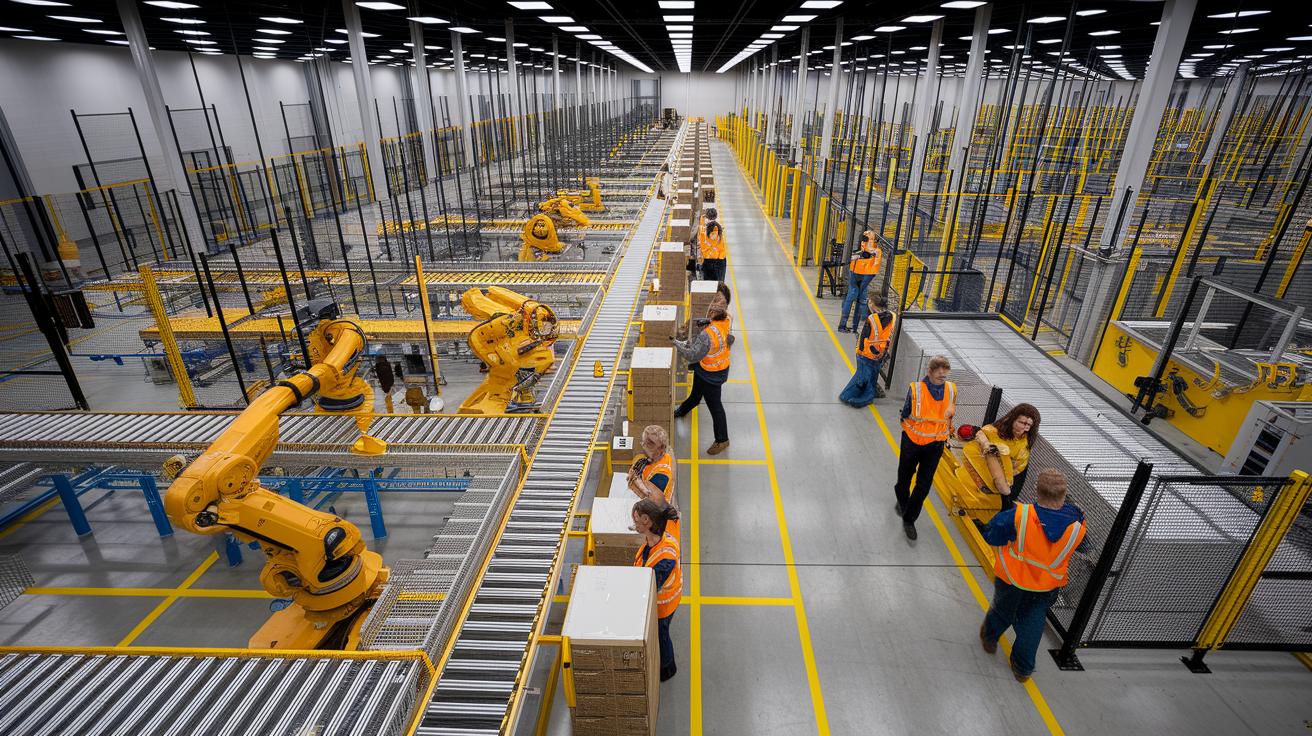
Marketplaces work best when micro-fulfillment centers are within 7–9 miles of dense customer areas. Being close cuts last-mile travel and speeds up order dispatch. Site planning involves checking local zoning and building codes while mapping how materials move inside so vehicles can keep moving. Operators need layouts that support distributed warehousing methods. Investing in automation is key, with spending on robotics, conveyors, racking, and warehouse management systems ranging from $2 million to $10 million per site.
Digital micro centers and local inventory hubs are reshaping how neighborhood sorting facilities serve modern customers. The goal is to use compact, efficient distribution models that meet strict delivery timelines and follow city rules. Distributed warehousing depends on strong automation and smart use of space, ensuring every site balances cost with performance. This design allows retailers and operators to set up scalable solutions that boost local deliveries and cut last-mile expenses.
| MFC Type | Key Features | Capex Range (USD) |
|---|---|---|
| Urban Micro Hub | High density, close proximity, streamlined access | $2M – $4M |
| Compact Distribution Center | Efficient space use, quick processing, minimal footprint | $3M – $6M |
| Neighborhood Sorting Facility | Localized inventory management, fast order dispatch | $2.5M – $5M |
| Digital Micro Center | Integrated IT systems, real-time tracking, automation | $4M – $10M |
By integrating these design elements, operators can boost overall logistics efficiency. With smart site selection and a focus on automation, compact distribution benefits can lower delivery times and support real-time order processing while reducing last-mile delivery expenses.
Optimizing Last-Mile Delivery Solutions in Marketplaces
Last-mile delivery can add up to 40–53% of total costs because labor, fuel, and city traffic quickly increase expenses. Marketplaces often see higher spending when drivers log extra hours and vehicles get stuck in urban congestion. This forces companies to rethink how they manage final delivery steps and to focus on better planning and tighter cost control.
Limiting operations to a 7–9-mile radius can improve vehicle use and lower fuel consumption. Using real-time data for route planning helps drivers take the most efficient paths. This approach cuts down on time wasted in traffic and avoids extra distances that drive up costs. The result is lower per-delivery costs and smoother service in crowded urban areas.
On-demand delivery platforms and crowdsourced courier networks provide flexibility during busy times. By adding external resources, marketplaces can handle sudden order surges without heavy investments in new infrastructure. This balance of in-house and extra services allows companies to scale quickly, ensuring faster responses and steady service quality even when demand spikes unexpectedly.
Integrating Micro-Fulfillment with Last-Mile Networks in Marketplaces
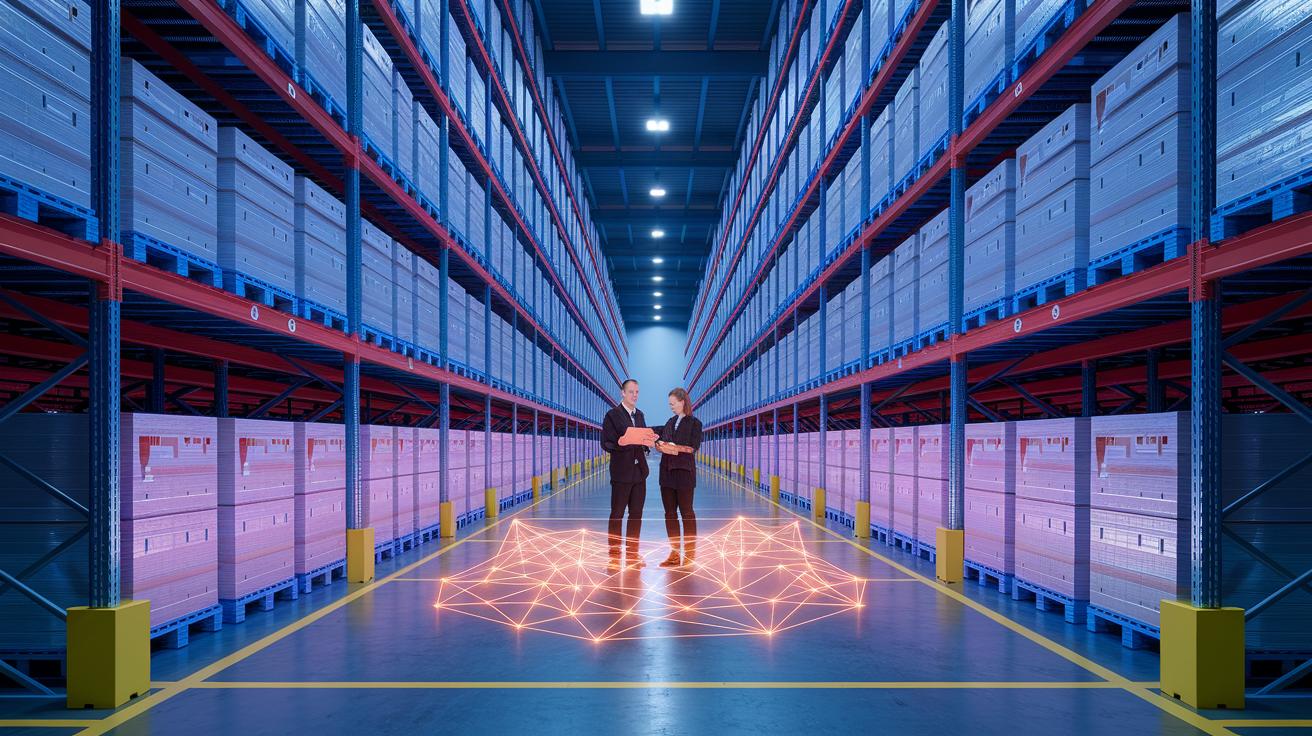
Partner network design plays a key role in running a modern marketplace. Micro-fulfillment centers work with third-party courier partners to boost speed and reliability. For instance, when automated storage systems quickly pass orders to local courier fleets, the system handles busy periods without missing a beat.
A strong connection between data systems is also essential. Real-time links between automated dispatch centers and order platforms keep everything up to date. Advanced software instantly updates order status and finds the best route based on current stock and traffic. In short, when storage systems, robotics, and software work together, the entire logistics chain runs more smoothly.
Dynamic consolidation techniques add further efficiency. Pooling inventory at a local level lets marketplaces group orders before they leave the hub. This approach reduces duplicate trips and saves fuel. With smart routing powered by technology, costs drop and customer satisfaction rises. These combined methods create a robust system that keeps marketplaces agile and ready for change.
Key Performance Metrics for Micro-Fulfillment and Last-Mile Efficiency
Tracking performance metrics is vital for micro-fulfillment and last-mile operations. Companies use real-time logistics data to adjust routes, speed up order processing, and keep customers happy. Fast data lets operators quickly spot issues and keep digital supply chains agile.
- ROI on automation investment
- Average order-to-door delivery time
- Cost per order in the last mile
- Order accuracy percentage
- Inventory turnover rate at MFCs
- Customer satisfaction/NPS score
- Dynamic routing utilization rate
These metrics give clear insights into day-to-day operations. For instance, ROI on automation shows how effectively companies invest in modernizing their systems. Order-to-door delivery time explains how fast orders are completed. Cost per order in the last mile helps track spending. A high order accuracy rate and quick inventory turnover at micro-fulfillment centers signal precise and efficient processes. Customer satisfaction scores show how well services meet consumer needs. Meanwhile, dynamic routing utilization reveals the success of real-time dispatch choices. By continuously analyzing these numbers, operators can fine-tune their systems, cut last-mile costs by 20–30%, and boost overall efficiency.
Marketplace Case Studies of Micro-Fulfillment and Last-Mile Success

Urban grocers are cutting last-mile delivery costs by using small fulfillment centers near busy areas. They store products within a 7-9 mile range to save on travel time and driver wages. One retailer even slashed its per-order cost, proving that smaller, local distribution can make a big difference in crowded markets.
During the pandemic, many platforms saw orders jump from 50 per month to 50,000. They managed this surge by using flexible, micro-distribution models that adjust quickly. One marketplace kept service steady by altering how it processed orders, showing that a mix of efficient micro-fulfillment and smart last-mile delivery can handle rapid growth.
New pilots in 2025 show what the future might hold. Some markets now combine local inventory with robotics to deliver orders in under two hours in key ZIP codes. One example revealed that merging real-time data with automated processing not only sped up delivery times but also improved overall supply chain tracking. This approach sets a promising standard for smarter, faster logistics ahead.
Actionable Recommendations for Implementing Micro-Fulfillment and Last-Mile Fulfillment Strategies in Marketplaces
Begin with a solid economic plan. Build forecasts that clearly show when your investment will break even, aiming for 20–30% cost savings in busy markets. Include detailed cash flow and break-even analyses to back your micro-fulfillment investments. Talk to local officials early on to sort out zoning rules and handling requirements. This approach sets the stage for steady growth and ensures you follow local regulations.
Use technology to smooth your operations. Upgrade your digital logistics platform to combine orders on the fly and map out the best delivery routes with smart routing tools. Add real-time order tracking and automated dispatch systems to cut down on mistakes and make returns easier. With connected fulfillment software, you’ll enjoy a seamless flow, lower costs, and improved precision in your operations.
Build strategic partnerships to grow quickly. Team up with logistics providers who understand marketplaces to tap into a nationwide network with flexible dispatch options. Work with technology experts who can boost your system’s scalability and refine dynamic order handling. By using integrated logistics tools, you can speed up fulfillment and lower costs, keeping your delivery network competitive and agile.
Final Words
In the action, today's article outlined key elements of micro-fulfillment centers and last-mile delivery tactics, detailing how each step sharpens marketplace order processing and distribution networks.
It reviewed real examples of boosting delivery accuracy, trimming costs, and enhancing overall service efficiency with clear site planning and tech investments.
This approach supports competitive decision-making and reassures investors. Embracing micro-fulfillment and last-mile fulfillment strategies for marketplaces paves the way for smarter, agile operations and stronger market performance.
FAQ
What is a micro fulfillment center?
The micro fulfillment center is a compact, automated hub located near customers for rapid order processing. It shortens delivery times and cuts overall distribution costs.
What is the micro fulfillment center at Walgreens?
The Walgreens micro fulfillment center uses local store capacity and automation to process orders swiftly. It enhances order accuracy and delivery speed by managing inventory effectively.
How does a micro fulfillment center differ from a dark store?
The micro fulfillment center uses automation and compact warehousing for fast order processing, while a dark store repurposes retail space solely for online orders. Each has a distinct operational focus.
What role does Amazon’s micro fulfillment center play?
The Amazon micro fulfillment center speeds up order processing by concentrating inventory in urban hubs and using technology for efficient dispatch, meeting high customer demand.
How can I find a micro fulfillment center near me?
The micro fulfillment center near you acts as a local hub that reduces travel time for deliveries, ensuring faster shipping and more efficient order fulfillment.
What is Gopuff’s micro fulfillment center solution?
Gopuff’s micro fulfillment solution uses small, automated hubs to manage inventory, granting urban customers faster delivery and reliable access to convenience items.
How do micro fulfillment centers enhance pharmacy operations?
Micro fulfillment centers in pharmacy settings streamline prescription processing by employing automation and local inventory management, resulting in quicker, more accurate order delivery and reduced operational costs.