
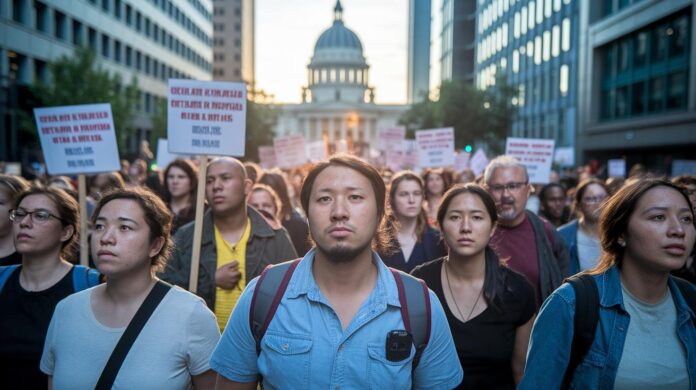

Are migrant workers safe? A recent incident at Addis Ababa’s Bole International Airport revealed major gaps in the protections many rely on. Basic rights such as fair wages, safe work conditions, and social security need stronger legal support. By reviewing current laws and international treaties, we can find ways to better protect the workers who drive our industries. Strengthening these measures is more than just a legal issue, it is a commitment to upholding dignity and ensuring fair treatment at work.
Core Rights and Protections for Migrant Workers
Laws and international human rights guide legal protections for migrant workers. These safeguards help fight against forced labor, unsafe work conditions, and lack of social security. A recent event at Bole International Airport in Addis Ababa on November 22, 2023, highlighted the need for quicker reforms and stricter law enforcement.
- Guaranteed minimum wages
- Protected health and safety conditions
- Access to social security
- Freedom to form associations
- Fair and clear recruitment processes
- Strict rules against discrimination
These basic rights ensure fair treatment in many sectors such as agriculture, manufacturing, and services. They help make sure that migrant workers are treated with respect and fairness.
National and global rules work together to set strong labor protections. Many countries require employers to pay competitive wages, provide safe work and living conditions, and offer accessible healthcare. They also demand clear recruitment practices and strong anti-discrimination measures. Such rules help protect migrant workers, support ethical business practices, and build a stable labor market that values human dignity.
International Conventions Shaping Migrant Worker Rights

Global legal agreements set the rules to protect migrant workers. These treaties outline fair recruitment, equal treatment, and social rights so that migrant workers have safe and decent conditions. Nations incorporate these treaties into their laws, which guides employer practices and strengthens legal protections. They serve as common standards for ensuring workers are treated fairly and help address issues during migration and employment.
ILO Migration for Employment Convention (C97)
Adopted in 1949, the ILO Migration for Employment Convention (C97) offers guidelines on recruitment and emigration terms. With 51 ratifications, this treaty establishes a framework to promote ethical recruitment and manage international labor migration challenges. It influences national laws to prevent worker exploitation by requiring transparent and fair practices.
ILO Migrant Workers Convention (C143)
Established in 1975, the ILO Migrant Workers Convention (C143) ensures that migrant workers receive the same employment and social rights as local workers. Supported by 28 state parties, the treaty sets clear guidelines to combat discrimination and promote safe working conditions. It reinforces the idea that labor standards should be consistent, no matter where a worker comes from.
UN Migrant Workers Convention (1990)
The UN Convention on the Protection of the Rights of All Migrant Workers and Members of Their Families came into effect in 1990 and has 56 ratifications. It protects not only workplace rights but also the human and family rights of migrant workers. This broader approach ensures that workers and their families can live with dignity both on and off the job.
| Convention | Year Adopted | Key Provision |
|---|---|---|
| ILO Migration for Employment Convention (C97) | 1949 | Guidelines on recruitment and emigration |
| ILO Migrant Workers Convention (C143) | 1975 | Equal treatment and social rights |
| UN Migrant Workers Convention (1990) | 1990 | Wide-ranging protections including family rights |
Migrant Worker Rights: Advancing Legal Safeguards
In the United States, migrant worker protections are shaped by specific visa programs and legal rules. The Fair Labor Standards Act does not cover all workers, and the H-2A and H-2B visa programs come with strict conditions for employers and jobs. These rules limit wage guarantees and workplace safety. Federal and state laws do offer ways to resolve issues, but gaps in coverage show that reforms and strict enforcement are still needed.
Canada follows a different approach with its Temporary Foreign Worker Program paired with provincial employment standards. Employers must provide a bond and follow required housing rules to protect workers. Provincial systems clearly outline how to handle wage disputes, unsafe work conditions, and unclear contract terms, ensuring timely support for workers.
Singapore’s legal framework comes under the Employment of Foreign Manpower Act. The law requires employers to sponsor workers and to meet high standards for worker treatment. Reforms since 2019 have made it easier for workers to change employers and have increased government inspections. Workers can use administrative channels to resolve disputes and ensure that immigration-related labor laws are followed, creating a safer work environment.
Persistent Challenges and Exploitative Practices Affecting Migrant Workers

Migrant workers often face steep recruitment fees that can take up to half of their wages. This traps them in debt and leaves little room for financial freedom. Imagine starting a job already owing nearly half your income.
The Kafala system is a clear example of forced labor. Employers may hold workers' passports and exert strict control, making it nearly impossible to leave abusive situations or seek better opportunities.
In the agriculture sector, risks escalate during busy seasons. Workers may experience injury rates that double, and limited safety oversight means they face hazards without proper support. Seasonal jobs often require grueling labor in unsafe conditions.
Many migrant workers also miss out on national healthcare and social protection. Without proper channels to report abuse, they struggle to raise concerns about dangerous work environments. This gap in oversight keeps exploitation hidden and delays the help needed to secure safer, more dignified conditions.
Grassroots and NGO Advocacy for Migrant Worker Rights
Civil society groups play a vital role in protecting migrant workers by pushing for strong legal safeguards. Local organizations and grassroots networks use independent research, community support, and policy advocacy to fight for fair labor conditions.
Walk Free leads campaigns to end modern slavery. Their “End Recruitment Fees” initiative in Southeast Asia cuts high upfront costs that trap workers in debt. Legal aid clinics, like those run by the Nova Scotia Labour Center, help seasonal workers claim wages and fight exploitation. In Canada and Europe, union coalitions push for collective bargaining rights to improve work conditions and strengthen employee protection.
NGOs and local advocates also hold governments and industries accountable. They organize community workshops, public demonstrations, and roundtable discussions with business leaders to boost pressure for policy reform. By building partnerships across borders, these groups create a global dialogue on labor rights. This support network strengthens legal frameworks and ensures that migrant workers have a strong, unified voice in the fight for fair, respectful, and safe work environments.
Policy Reforms and Legislative Advances in Migrant Labor Protection
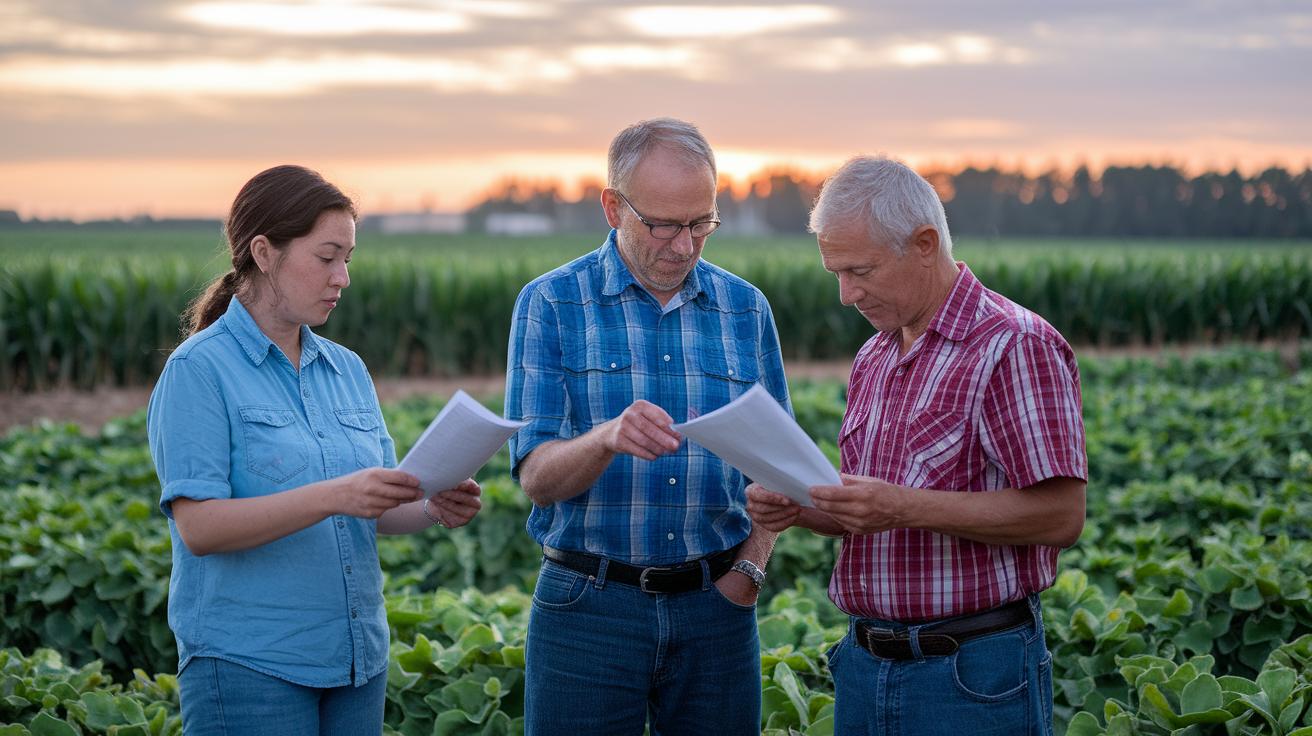
Recent changes show how governments are improving protections for migrant workers. The US Agriculture Worker Program Act of 2022 now helps long-term farm workers earn permanent residency. Canada updated its Temporary Foreign Worker Program in 2021 to ban recruitment fees and to push employers to use online job portals and performance reviews. Singapore tightened its rules in 2019 by adding stiffer penalties for employer abuses, launching digital systems for handling complaints, and increasing inspection routines.
These reforms face real challenges. In the United States, even though the new law offers a clearer path to stability, success will rely on strict oversight and good coordination with state labor agencies. In Canada, using digital platforms and performance reviews has updated the system, but differences in provincial regulations make things tricky. Singapore has seen early positive changes with digital complaint systems and stronger employer accountability. However, keeping these measures effective depends on consistent enforcement and worker feedback. These issues show that more tweaks to the law and better support on the ground are needed.
Early enforcement statistics point to improved compliance rates across these regions, though gaps remain. In both the US and Canada, the new reporting systems have led to better tracking and resolution of labor disputes. Singapore’s stronger inspection process has also helped reduce employer violations.
Implementing Best Practices: Business and Government Strategies to Uphold Migrant Worker Rights
Many companies now offer pre-departure orientation programs that explain legal rights and contract details. Paired with regular training on job rights, these initiatives help migrant workers know what they deserve and deal with work challenges safely. BSR’s Sustainable Futures Lab uses scenario planning to help companies get ready for worker shortages and potential human rights issues. Proactive businesses now use 24/7 helplines in several languages and digital complaint platforms to quickly address any problems. Ongoing internal audits and safety checks further support these systems so that company policies turn into everyday protections for every worker.
Government programs and partnerships with non-governmental organizations build on these efforts by promoting clear processes and strong health coverage. Joint audits by governments and NGOs keep supply chains transparent and ensure safety standards meet both national and international benchmarks. Regulators team up with private firms to offer job rights education and build legal support networks for migrant workers. Regular training and public oversight strengthen these networks, leading to better dispute resolution and safer workplaces, and ultimately boost migrant worker rights in a changing labor market.
Final Words
In the action, this article mapped core rights and protections for migrant workers alongside global conventions and national legal frameworks. It outlined key legal benchmarks, recent policy reforms, and hands-on best practices for upholding safety, fair compensation, and non-discrimination.
Clear examples and case insights connect legal standards to everyday challenges. The discussion reinforces migrant worker rights through actionable policy and advocacy measures. Optimism stands strong as industries and regulators work together for safer, fairer labor standards.
FAQ
What does migrant worker status mean?
Migrant worker status refers to the classification of individuals who relocate temporarily for employment, often involving cross-border or regional moves, to meet specific labor demands under regulated conditions.
Are migrant workers legal?
Many operate under legal frameworks and temporary visa programs, though their legal standing depends on national immigration laws and regulatory oversight.
How were migrant workers affected during the Great Depression?
They faced severe economic hardships, unsafe working conditions, and discrimination as diminished protections left many vulnerable during economic collapse.
What is a migrant worker visa?
A migrant worker visa is a work permit that allows individuals to enter a country temporarily for specific jobs, subject to regulated guidelines and employer sponsorship.
What is the definition of a migrant worker?
The definition of a migrant worker is someone who moves from one region or country to work temporarily, often filling labor shortages while facing distinctive legal and social challenges.
Can you provide examples of migrant workers?
Examples of migrant workers include agricultural laborers, construction crews, domestic helpers, and seasonal employees who travel to regions experiencing labor shortages.
What are immigrant workers?
Immigrant workers are individuals who relocate, often permanently, to a new country seeking long-term employment and better living conditions compared to temporary migrant workers.
How did President Trump impact migrant worker policies?
His administration tightened immigration rules, reduced access to certain visa programs, and increased enforcement, significantly affecting both legal and undocumented workers.
What rights do migrant and immigrant workers have in the workplace?
Rights for migrant and immigrant workers include fair wages, safe working conditions, and non-discrimination protections, though enforcement and access vary based on legal status and local regulations.
What legal rights do undocumented immigrants have?
Legal rights for undocumented immigrants typically encompass protections against abuse and discrimination, access to emergency healthcare, and limited workplace rights, though overall legal benefits are more restricted compared to documented workers.