


Have you ever wondered how one job can require both muscle and technical know-how? Red collar workers combine heavy physical labor with specific technical skills that defy old job categories. They mix the strength of blue collar work, the office focus of white collar roles, and the service element of pink collar positions. In this post we examine where red collar work comes from and highlight what makes these roles unique, offering a fresh look at a blend of skills that is redefining the workplace.
Defining Red Collar Workers: Origins and Key Distinctions
Red collar workers blend physical work with technical skills. They use strength to carry out tasks while also handling specialized tools and techniques. For example, a worker might weld or repair plumbing and then tackle technical details on the job site. This mix sets them apart from roles that are either only manual or solely administrative.
To understand red collar work, compare it with well-known job categories. Blue collar work, which grew in the 1920s, typically involves hourly labor in construction, mining, or repair, where workers often wore dark clothing to mask stains. White collar jobs focus on office tasks and provide salaried pay. Pink collar work, a term from the 1970s, covers roles in nursing, teaching, or secretarial work and has traditionally offered lower wages. Red collar jobs bridge these categories by combining physical labor with technical expertise, a pairing that previous classifications did not fully capture.
The term red collar also carries a connection to government processes and historical ties with communist party workers. These roles sometimes appear in government settings where paperwork and strict regulations are the norm. By mixing hands-on trade skills with elements of public administration and hints of political history, red collar work has become a unique and evolving part of today’s job market.
History of Collar-Color Classifications and Emergence of Red Collar Workers

The evolution of work is visible in how we label jobs. In the 1920s, blue-collar jobs such as construction, repair, and mining were common. Workers wore dark or denim clothing to hide dirt. Later, white-collar roles appeared in offices, where workers suited up in shirts, ties, and suits for administrative tasks. The 1970s introduced pink-collar work in fields like teaching, nursing, and secretarial roles, where gender-based pay issues and modest office attire were common. Each label shows shifts in job needs and social views on work.
In the 21st century, red-collar positions emerged. These jobs mix skilled trade work with government roles that deal with strict regulations. They blend hands-on tasks, like maintaining infrastructure, with administrative duties in public service. The mixed workwear in these roles reflects a new approach to combining practical expertise with office standards in today’s evolving employment landscape.
| Collar Color | Origin Decade | Typical Roles | Typical Attire |
|---|---|---|---|
| Blue-collar | 1920s | Construction, Repair, Mining | Dark/Denim Workwear |
| White-collar | Early 20th c. | Administrative, Professional | Shirts, Ties, Suits |
| Pink-collar | 1970s | Nursing, Teaching, Secretarial | Blouses, Modest Office Wear |
| Red-collar | 21st c. | Skilled Trades, Bureaucracy | Mixed Workwear/Office |
Red Collar Workers: Key Roles and Sectors
Red collar workers fill roles that mix hands-on labor with technical skills. They perform jobs that need both physical effort and know-how in specialized equipment. For example, an electrician might install wiring and also run safety checks to keep systems working properly. These workers serve both private companies and government agencies, ensuring that our infrastructure and services run without a hitch.
- Electricians fix and maintain essential power systems.
- Plumbers install and repair water systems.
- Welders perform detailed metal work with certified skills.
- Heavy-equipment operators handle machinery on tough job sites.
- Field technicians diagnose problems and carry out on-site repairs.
- Municipal maintenance teams keep public spaces safe and effective.
- Public works coordinators merge technical tasks with rule compliance.
This variety shows that red collar work combines physical labor with technical know-how. Many of these jobs require certifications that cover both operating machinery and fulfilling regulatory duties. One moment, a worker might be handling heavy equipment, and the next, they prepare detailed compliance reports. As one red collar worker put it, "My day involves both welding and managing safety protocols." Their blend of skills keeps private projects moving and supports public service standards.
Economic Impact of Red Collar Workers on Industry
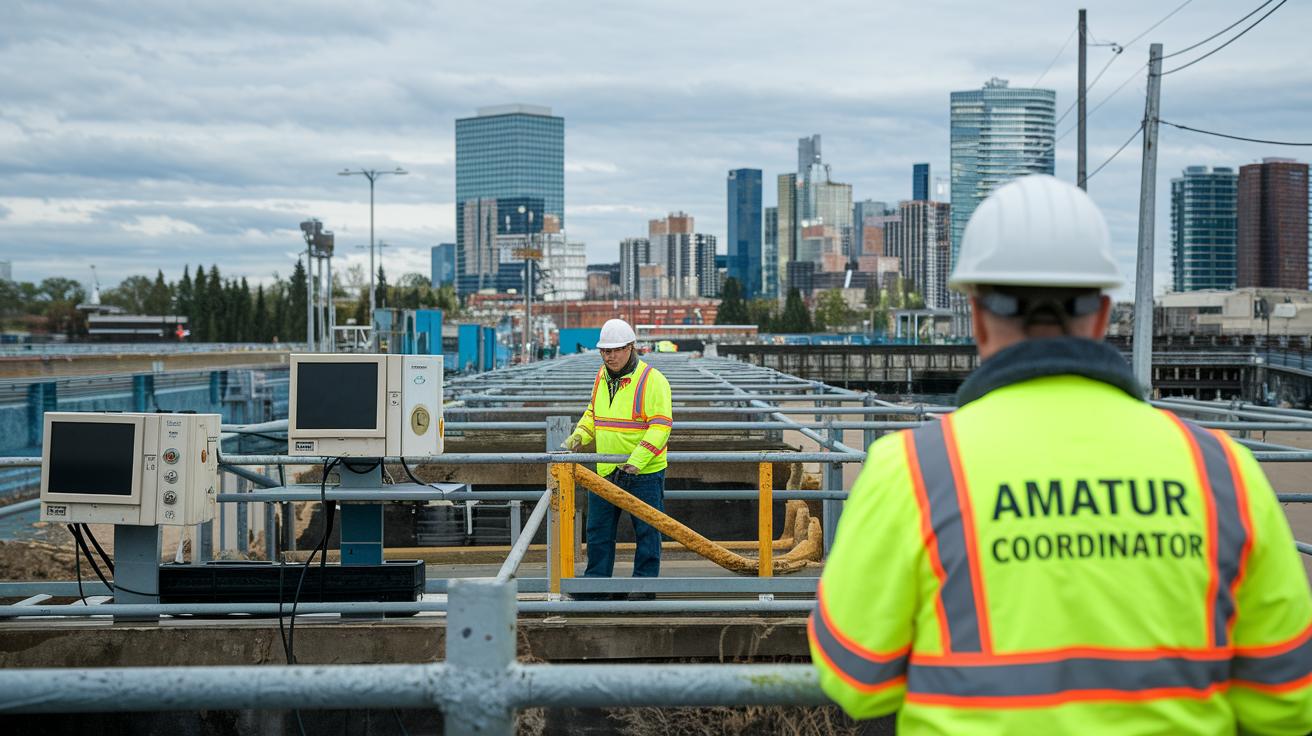
Red collar workers power our physical infrastructure and public services. They keep essential systems running, from manufacturing lines to city utilities. For example, a public works coordinator might manage maintenance across several sites, ensuring repairs and technical tasks are completed on time. This mix of physical labor and technical know-how helps drive strong industrial output and reliable public services.
These workers are typically paid by the hour and receive higher wages when they earn technical certifications. Companies value their ability to switch between tasks, from repairing equipment to managing compliance reports. For instance, an electrician might fix power systems one moment and calibrate sensitive instruments the next, showing how these dual skills deserve a premium.
Despite their vital role, red collar workers often receive little attention in labor statistics. Many reports focus on blue collar or white collar jobs, overlooking the full economic impact of red collar roles. This gap means their contributions to filling service gaps and boosting productivity are often ignored in policy and funding discussions.
Debates and Job Security Issues for Red Collar Workers
Political and Bureaucratic Connotations
Red collar jobs stir up strong political images that often spark debate. Some critics link these roles to communist symbols and heavy bureaucracy. These associations lead many to question the true value and dignity of the work. For example, a worker who handles both physical labor and administrative tasks may be unfairly judged if their role appears to mix manual work with government oversight. These long-held stereotypes linger even as the jobs adjust to modern needs, prompting questions about whether the label understates the worker’s skills and contributions.
Job Security and Advancement Challenges
Stable work is a major concern in red collar roles because government budgets change and these jobs rely on project-based funding. Unlike many white collar positions, red collar roles often depend on specific government contracts or public service projects. As a result, workers can face gaps when funding runs low. This instability disrupts career growth and steady pay. In addition, misconceptions about the required skills limit the chances for promotion. Even earning extra certifications rarely guarantees upward mobility. Because this type of work is inherently unpredictable, discussions about its precarious nature, often noted as “precarious work” (https://sharingeconom.com?p=1812), remain a key point in debates over labor policy and workforce development.
Final Words
In the action, we defined red collar workers and set them apart from blue, white, and pink-collar roles.
We traced their roots in manual and technical work, examined their economic influence, and reviewed debates on job security and political ties.
This clear overview spotlights the unique blend of skills and challenges facing red collar workers.
The story encourages proactive strategies to harness the opportunities and navigate the risks in a competitive market.
FAQ
What is considered red collar work and what are examples of red collar careers?
The term red collar work describes roles that blend technical skills with manual labor. These include electricians, plumbers, welders, and government positions dealing with bureaucratic processes.
What are red collar workers discussing on Reddit?
Discussions on Reddit show that red collar workers share experiences on balancing skilled trade work with public sector challenges, offering insights into wages, daily tasks, and job expectations.
How is the salary structured for red collar workers?
The salary for red collar workers typically reflects technical certifications and physical demands. Compensation is often hourly and may include premiums based on specific skills.
What exactly are gold collar jobs?
Gold collar jobs refer to high-skilled and specialized positions in competitive industries. They require advanced technical knowledge or management skills and offer premium wages.
What defines green collar jobs?
Green collar jobs are roles in sectors focused on sustainability and renewable energy. They combine technical skills with a commitment to environmental responsibility.
What are gray collar jobs?
Gray collar jobs blend manual labor with administrative or technical tasks. They bridge traditional blue-collar and white-collar roles, addressing work that requires both hands-on and formal skills.
What are black collar jobs?
Black collar jobs involve sectors that fall outside traditional classifications, often centered on creative or unconventional work that does not adhere to standard occupational categories.
What distinguishes yellow collar jobs?
Yellow collar jobs emphasize customer service and interpersonal skills. They are common in hospitality and retail, relying on direct engagement and service-oriented roles.
What are pink collar jobs?
Pink collar jobs refer to occupations historically dominated by women, such as nursing, teaching, and secretarial work. They focus on care, support, and administrative responsibilities.
What is the difference between blue collar and redneck?
Blue collar describes formal manual labor roles in trades like construction or manufacturing, while redneck is a colloquial term often linked to stereotypes and does not represent a specific job classification.