


Ever notice how a package sometimes seems to disappear before it reaches your door? In on-demand logistics, the final delivery leg is crucial to a customer's experience. Shipping can take up to 53 percent of costs, so every delivery really matters. Real-time driver coordination, along with constant digital updates, turns a routine order into a smooth service experience. Read on to learn how this last step can change everyday shopping and drive business success.
Understanding Last Mile Delivery in Gig and On-Demand Logistics
Last-mile delivery is the final stage where a package moves from a central hub to the consumer’s door. This step plays a key role in keeping customers happy. Quick and reliable delivery turns a one-time order into a chance for more business.
This phase also carries high costs. It may use up as much as 53 percent of total shipping expenses, with each package costing between $10 and $50. Keeping the process efficient and managing costs well is vital for profit.
The process starts when an order is placed and a tracking number is created. This action begins real-time monitoring and engages the customer. Next, packages travel through facility transfers and are assigned to delivery drivers using mobile apps. This system helps gig drivers receive tasks instantly based on their location. At each main step, a scan confirms progress, marking pickup, in-transit updates, and final drop-off with proof of delivery. For example, a customer might see a message like, "Your package left the warehouse and is now with your delivery driver." The use of real-time updates keeps the process clear. Overall, gig and on-demand delivery platforms use technology to speed up operations, reduce delays, and control costs effectively.
Gig-Driven and On-Demand Shipping Network Models in Last Mile Delivery

In the gig and on-demand space, mobile apps link independent contractors to delivery tasks in real time. These platforms serve as modern service providers, offering rapid responses and flexible routing options. This new model transforms traditional logistics into agile, scalable solutions that meet immediate consumer needs.
Top services now promise delivery within 30 minutes or even the same day. The table below shows some examples of these platforms:
| Platform | Model Type | Average Delivery Window | Workforce Classification |
|---|---|---|---|
| DoorDash | Food and Goods Delivery | 30 minutes | Independent Contractor |
| Uber Eats | Food Delivery | 30-45 minutes | Independent Contractor |
| Instacart | Grocery Delivery | 45 minutes to 1 hour | Independent Contractor |
| Amazon Flex | Package Delivery | Same-day to 2 hours | Independent Contractor |
| Postmates | On-Demand Courier | 30 minutes | Independent Contractor |
These systems perform well even in high-demand situations. They let platforms quickly ramp up capacity during peak times by assigning tasks dynamically to nearby drivers. This flexibility not only manages sudden demand surges but also helps ensure reliable delivery even as orders multiply.
Route Optimization Strategies and Operational Challenges in Last Mile Delivery
Managing last mile delivery is a constant struggle. Companies face high costs and the ongoing need for clear order updates. Urban traffic, bad weather, and worker shortages drive up expenses. Each order can cost around $10.10, sometimes taking up nearly 28% of an online brand’s profit. Also, 97% of customers now expect real-time tracking of their orders, adding pressure on businesses to show every step of the delivery process.
- Heavy traffic during peak hours
- High cost per delivery
- Missed delivery attempts
- Under-utilized delivery fleets
- Challenging route planning
- Gaps in customer communication
To address these challenges, companies are expanding their pool of carriers and using dynamic routing algorithms. Dynamic routing means the system adjusts delivery paths using live data from tracking systems. This helps companies spot delays as they happen and quickly reroute drivers. For example, if a city street becomes gridlocked, the system automatically finds an alternate route. Combining a varied mix of carriers with data-driven route adjustments leads to smoother operations and a better delivery experience for customers.
Technology Innovations Driving Efficiency in Gig and On-Demand Last Mile Delivery
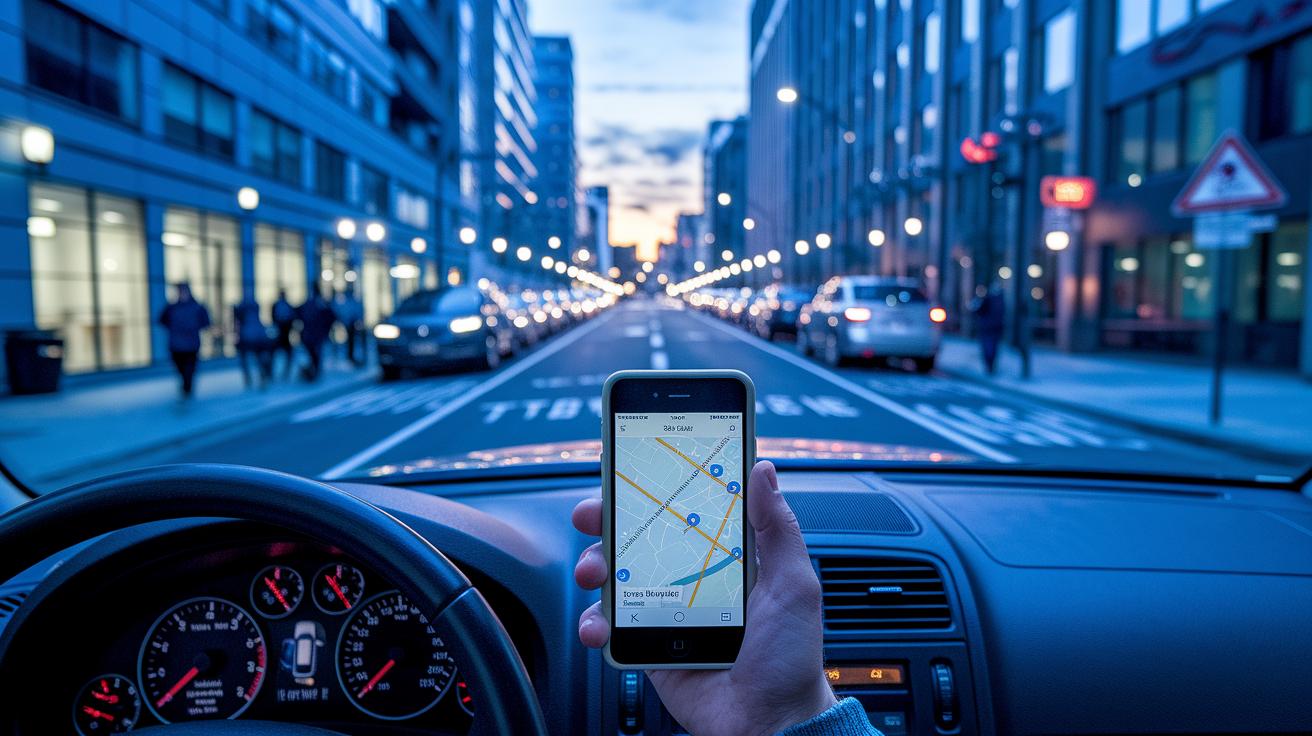
Automation, AI, and machine learning are speeding up last-mile delivery. Smart systems use real-time data to pick the best routes and assign orders based on driver location and traffic. AI tools also forecast delivery windows and help balance stock at small warehouses. This means drivers get orders faster and customers receive updates sooner. One company, for example, used machine learning to adjust routes on the fly, cutting down travel time considerably. For more details, see this article on technological disruption in sector evolution.
Predictive analytics adds another layer of efficiency by tracking demand and spotting delays before they happen. These tools compare past data with current trends to prepare for busy periods. Companies can then direct drivers and push out packages from micro-fulfillment centers without delay. This forward-thinking method smooths capacity issues and keeps deliveries on track during peak times. One retailer used these insights to handle order surges, which kept delivery times short and customers happy.
Robots and automated systems at micro-fulfillment hubs are also slashing turnaround times. These technologies sort and move packages with less manual work, sometimes cutting processing times by as much as 25 percent. Real-time performance data from these systems helps spot issues right away, ensuring every step, from sorting to final drop-off, runs smoothly and quickly.
Case Studies and Industry Trends in Last Mile Delivery for Gig and On-Demand Logistics
Partnering with third-party logistics providers (3PLs) has reshaped how companies handle busy periods. By working with these partners, many businesses increase their capacity by about 40 percent during peak demand. This approach helps them manage delivery surges effectively and maintain high levels of customer satisfaction.
Urban micro-fulfillment centers are another key factor changing the industry landscape. Located near customers, these centers reduce delivery times dramatically, from 48 hours down to under 4 hours. They streamline sorting and dispatching, ensuring packages reach recipients quickly and enhancing the overall user experience.
Alternative pickup options like Buy Online, Pick Up In-Store (BOPIS) are also proving valuable. By bypassing the home-delivery step, BOPIS simplifies last-mile logistics and cuts costs. This model not only meets customer needs more directly but also helps businesses control expenses during times of high demand.
Strategic and Sustainability Considerations for Last Mile Delivery in Gig and On-Demand Logistics

New environmental rules are pushing companies to find greener ways to deliver packages in the final mile. Many businesses are switching from standard vehicles to electric vans and cargo bikes. These options meet legal standards and help lower carbon emissions. Companies are also using routing methods that cut emissions by as much as 20 percent for each delivery. This move to a green fleet not only supports environmental goals but also keeps costs in check, prompting a fresh look at old delivery models.
Live workflow analytics play a key role too. Platforms track delivery speed, cost, and environmental impact in real time through easy-to-read dashboards. This data helps decision makers adjust routes on the fly. For instance, operators might choose a longer route to reduce emissions while still keeping customers satisfied. This balance shows how businesses can combine speedy deliveries with sustainable practices.
Final Words
In the action, the blog broke down last-mile delivery as the final push from hub to doorstep. It examined cost drivers, operational challenges, gig-driven models, and tech innovations that shape today’s on-demand shipping networks.
Our analysis highlighted what is last mile delivery in gig and on-demand logistics through clear steps, from order to driver assignment, setting the stage for smarter, sustainable decisions. The future looks bright, with new tools making delivery faster and more efficient.
FAQ
What are last mile delivery companies?
Last mile delivery companies provide the final shipping step by moving goods from a central hub to a customer’s door using modern technology and mobile apps to dispatch independent drivers in real time.
What is a last-mile delivery example?
A last-mile delivery example involves a package leaving a local warehouse and arriving at a consumer’s doorstep, highlighting the efficient, customer-focused end of the shipping process.
How long does last mile delivery take?
Last mile delivery duration varies, with completion times ranging from under an hour to same-day delivery depending on demand, local traffic, and the specific service model used.
What is last mile delivery service?
Last mile delivery service targets the final stage of shipping, ensuring goods move directly from a distribution center to the customer, boosting satisfaction and managing overall shipping costs.
What is last mile delivery tracking?
Last mile delivery tracking offers real-time updates, allowing customers and businesses to monitor a package’s progress from the hub to the doorstep through digital scanning and live notifications.
How do I start a last mile delivery business?
Starting a last mile delivery business involves designing efficient routes, integrating tracking technology, and understanding local market needs to reach customers swiftly and reliably.
What does last mile delivery forecast mean?
Last mile delivery forecast refers to predicting shipment volumes and operational costs, enabling companies to allocate resources and optimize delivery routes for improved service efficiency.
What is a last mile delivery app?
A last mile delivery app connects independent drivers with delivery tasks instantly, using mobile technology to manage assignments, real-time tracking, and improved route coordination.
What is last mile delivery in logistics?
Last mile delivery in logistics describes the final leg of a shipment from a central hub to the consumer, a critical part of the shipping process that affects overall cost and customer satisfaction.
What does it mean when my package arrives at last mile delivery?
When your package reaches last mile delivery, it indicates the final transit phase has begun, with a driver or carrier on the way to deliver the item directly to your door.
What is on demand logistics?
On demand logistics refer to shipping services that connect delivery tasks with independent drivers through mobile platforms, providing fast and flexible solutions for immediate customer orders.
What is the difference between fulfillment and last mile delivery?
The difference is that fulfillment covers overall order processing including storage and packaging, while last mile delivery is specifically about transporting the finished order to the customer’s door.