
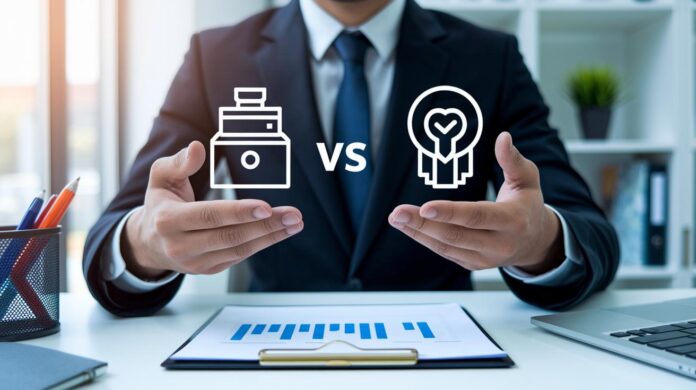

When was the last time you checked if a product or service truly gives your business an edge? It matters. The decision can change your outcome. Imagine holding a smartphone in your hand versus relying on a support plan that evolves over time. In this piece, we show how tangible goods and ongoing services offer different benefits and challenges. Companies can fine-tune their messaging and strategy by understanding these differences, leading to stronger customer ties and better market results.
Product vs Service: Clear Edge for Business
A product is something you can touch and hold. It can be stored or shipped, like a smartphone or a car. A service cannot be held. Instead, it unfolds over time, such as a software support plan or a consultancy session. What matters is the value delivered rather than the name given.
The key difference starts when these offerings are managed. Products are made in a factory, stored in a warehouse, and moved through a supply chain before reaching customers. Services are planned and scheduled, focusing on interaction with the customer and ongoing support. For example, when introducing a new digital app, a company must choose between selling it as a one-time product or offering it as a recurring service.
Consider this simple comparison: buying a book versus subscribing to an audiobook service. One is a physical purchase; the other is a recurring, engagement-driven offering.
Market leaders use this clear difference to shape their marketing and customer engagement strategies. Knowing whether an offering is a product or a service guides decisions on messaging, channels, and operational priorities like quality control.
Recent industry surveys highlight new trends. In 2023, only 35% of digital and IT professionals felt that traditional architects added real value. By 2025, many expect a shift toward addressing genuine business problems. This change underscores the distinct challenges of delivering services compared to producing products. Clear definitions and strategic clarity become a competitive advantage, helping businesses better position their offerings to meet customer needs.
Tangible vs Intangible: Delivery Differences in Product vs Service Offerings
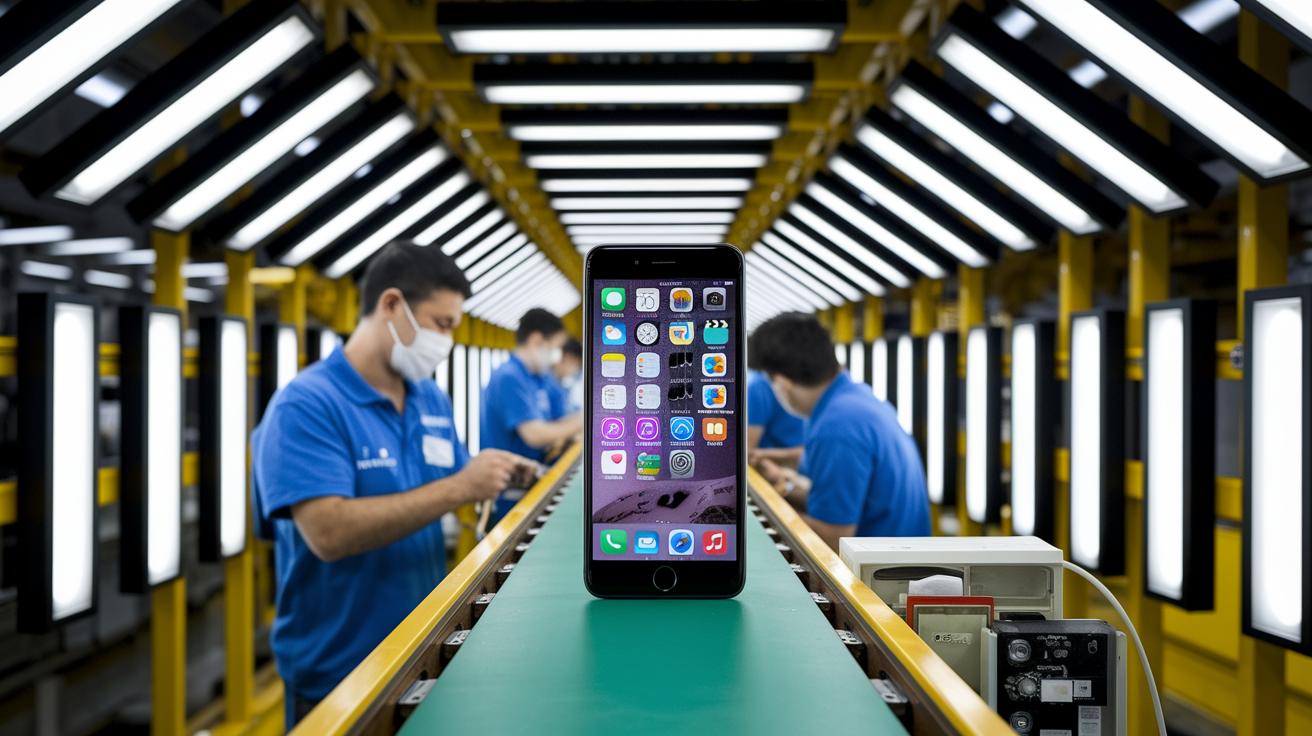
Tangible goods follow clear physical processes. They are made in factories, stored in warehouses, and shipped to customers. For example, a smartphone goes through assembly line production and careful logistics to arrive in perfect condition.
Services, however, focus on planning and timely delivery. A 12-month Product Management program offered live online depends on well-coordinated sessions, smooth digital interaction, and reliable support instead of handling a physical item.
Educational programs show the unique challenges of service delivery. An 18-month Executive MBA in Product Leadership, which runs on alternating weekends, and a 3-day Product Management workshop rely on scheduled events and live engagement to deliver value. Similarly, a 3-month Certified Associate Product Manager course and a 5-month International Certificate in Product Management require detailed planning, flexible design, and active learner support.
These delivery methods affect operational strategies. Physical products depend on inventory levels and distribution channels. In contrast, services must adjust to different time zones and live participant interactions. Global service flows can be improved using coordinated platforms like Service Trade Insights (https://sharingeconom.com?p=1817) that streamline international scheduling and support. This mix of processes shapes both cost structures and customer expectations at every stage.
Comparing Pros and Cons of Product vs Service Performance
Products enjoy a stable track record. They use standardized production with routine quality checks, which means they meet customer expectations consistently. Scaling up is largely a matter of increasing manufacturing, and their supply-chain processes make risks more predictable.
Digital services, on the other hand, can adapt quickly. They adjust resources and update offerings in real time based on customer feedback and shifting market trends. However, their performance is more sensitive to market pressures. For example, in early February 2026 the SaaS sector experienced a $1 trillion decline in market cap within a week, fueled by AI agents that reshaped workflows. This incident shows the volatility that digital services can encounter.
Here is a side-by-side comparison:
| Products | Services |
|---|---|
Pros:
Cons:
|
Pros:
Cons:
|
Choosing between a product and a service model depends on your market strategy and operational needs.
Marketing Approaches for Product vs Service Offers
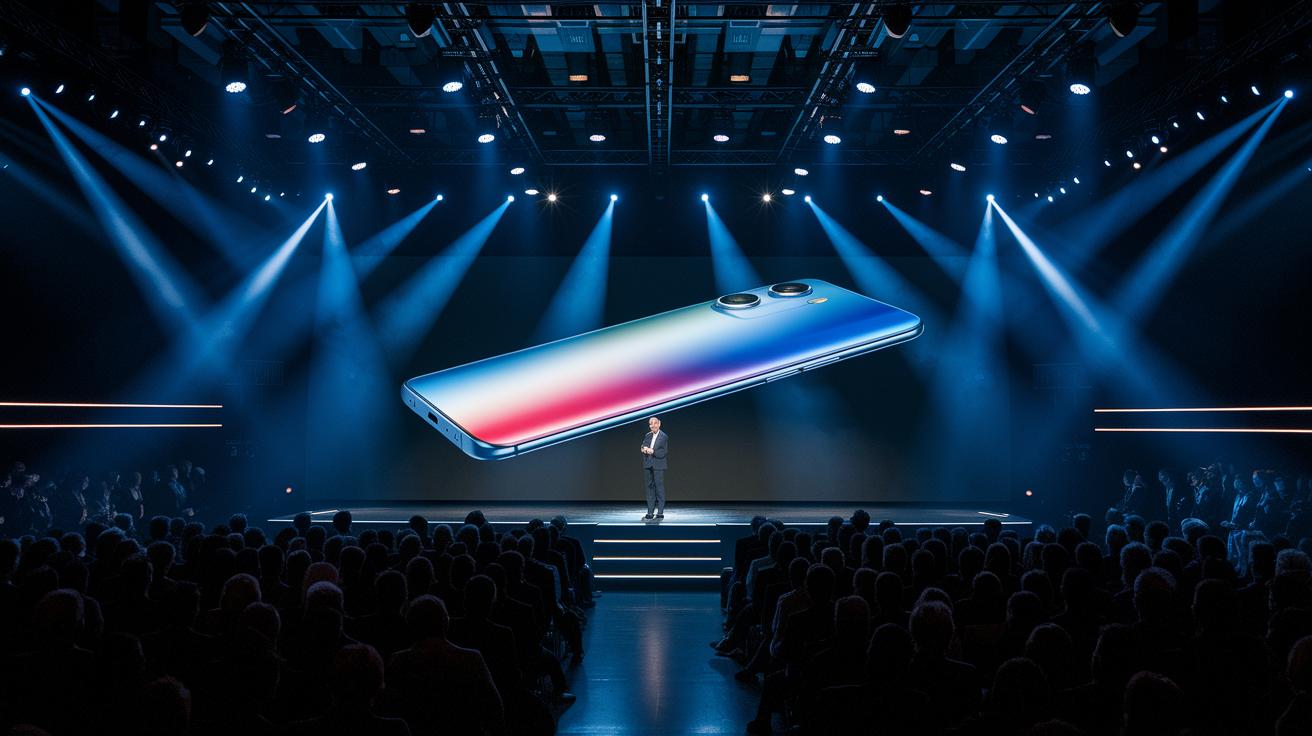
When you market a physical product, your focus is on what buyers can see and feel. Companies often host live demos and events that showcase a product’s features and technical details. For example, a tech firm might organize a Technology Event where customers can try out the latest hardware. A clear visual story is key. It grabs attention right from the start, think about the first smartphone with its bulky, 3.5-inch screen compared to today's slim models.
On the other hand, service marketing highlights value through experience and support. Businesses use live webinars, interactive sessions, and customer experience events to bring their service benefits to life. They share success stories and real-time testimonials as proof of their expertise. Imagine a digital consultancy presenting case studies at an industry symposium, engaging attendees directly with their service innovations.
Many companies use a mix of these strategies. A product campaign might join forces with B2B sponsorships to target decision-makers, while a service campaign centers on customer interaction at events. Messaging for products revolves around tangible benefits and quality, but for services it leans on trust, quick responses, and ongoing improvement.
Ultimately, the key is knowing where your audience gathers and tailoring your channels accordingly. Whether you offer a product or a service, the goal is to make every marketing detail resonate with your target customer.
Pricing Strategies: Product vs Service Revenue Models
Physical items often come with a one-time fee. Buyers pay once to fully own a product they can use, store, or even resell. For example, when someone purchases a laptop, their single payment covers production, shipping, and retail markups. This clear-cut model generates profit directly from each sale.
In contrast, services typically use subscription or tiered pricing models. These offerings might bundle digital learning tools, career support, and networking opportunities. Customers pay recurring fees, often monthly or yearly, for ongoing updates and assistance. For instance, a professional enrolling in a digital certification course may pay for extra support and resources as part of a tiered plan.
Service pricing also allows companies to adjust fees based on usage or premium features. They can provide a basic plan covering core services along with several upgrade options. Think of a workshop where the basic rate covers standard content while add-ons offer personalized coaching and exclusive networking. This flexible approach makes services more responsive to customer needs compared to fixed-price physical goods.
Ultimately, these revenue models reflect different cost setups and customer expectations when buying a product versus subscribing to a service.
Business Models: Product-Based vs Service-Centric Strategies

Earlier, we looked at how product and service models differ, especially when it comes to recurring revenue. Now, companies are blending these ideas into new hybrid models that mix one-time product sales with ongoing service subscriptions.
These integration strategies are all about a smooth customer experience. For example, one tech company paired its device sales with a subscription for continuous software updates. Think of a consumer electronics firm that bundled extended tech support with its gadgets. This approach boosted customer loyalty and opened up chances for more cross-selling.
More firms are adding digital tools for real-time service delivery while keeping strong physical distribution channels. This method brings several benefits:
- Better customer engagement with regular digital updates
- A mix of revenue from immediate sales and recurring subscriptions
- Streamlined operations that balance inventory with agile service delivery
Practical examples show that combining product sales with service support leads to stronger customer relationships and new market opportunities.
Today, many companies are testing different integration techniques. They are moving toward a more complete value offer that goes beyond traditional manufacturing or service-only models.
Real-World Case Studies: Practical Product vs Service Examples
A digital advertising platform saw that its clients wanted ongoing support instead of one-time campaign fixes. In response, the company switched to a subscription model that offers real-time campaign tweaks and regular performance updates. One surprising fact: Continuous service boosted client engagement by 40% in just six months, showing that steady support can transform revenue.
An IoT hardware supplier also changed its approach after hearing from customers who needed more than just physical products. The firm now offers a support package that includes remote troubleshooting, routine firmware updates, and personalized setup help. This new service cut device downtime by 30% and improved customer retention. As one client noted, adding a responsive service layer not only lowered repair calls but also raised user satisfaction, setting a new standard in customer support.
Guiding Startups: Selecting a Product vs Service Focus

New startups need to choose whether to offer a product or deliver a service. They face a decision that is similar to choosing between a one-time sale and building a long-term relationship with customers. This choice means weighing market fit, resource needs, return on investment, and long-term benefits.
Start by running a cost-benefit analysis. For example, consider that a three-day Product Management Workshop can offer insights similar to a 24‐month MBA in Technology Management. Weigh the upfront cost against the repeated benefits a service could provide. Key factors to review include:
- How well the offering fits the market and customer behavior
- The time and resources required
- The ability to scale the chosen model
- Expected revenue streams and opportunities for recurring income
A product-focused strategy might work best for a startup that can quickly produce a physical item. In contrast, a service-based approach could be better for those relying on ongoing customer interaction. It is important to think about both concrete and less tangible benefits. For instance, using fewer resources to offer flexible services can lower the need for large investments in production.
Decisions should also reflect industry trends. For example, the range of academic programs, from short workshops to full degree courses, shows that matching your operations with market demand is key. Evaluating these points early on can help avoid stretching your resources too thin and set you on a path for lasting growth.
Final Words
In the action, the article breaks down clear definitions, practical examples, and side-by-side comparisons that cut through the product vs service debate. It outlines how tangible and intangible offerings impact marketing, pricing, and overall business strategy.
The discussion provides a straightforward look at operational challenges and real-world case studies. Such insights help executives make faster, smarter strategic decisions. The focus remains on tangible value regardless of the product vs service distinction.
FAQ
Q: What is a product vs service?
A: The term product vs service highlights how physical goods differ from actions performed to meet customer needs. Products are tangible items, while services represent intangible benefits delivered by a provider.
Q: What are the differences between products and services with examples?
A: The differences between products and services include tangibility and delivery. Products are physical items like smartphones, and services involve tasks such as consultation where performance and scheduled support define the offering.
Q: Can you call a service a product?
A: The term service can be called a product when it is packaged and marketed as a standardized offering, blending features, pricing, and customer experience similarly to tangible goods.
Q: What are some examples of products and services?
A: Examples include smartphones, beverages, and books as products, and consulting, technical support, and training as services that provide continuous value and satisfactory outcomes for customers.
Q: What does product vs service marketing involve?
A: Product vs service marketing involves strategies that emphasize concrete benefits and features for physical goods, while services require a focus on customer experience, personalized delivery, and ongoing support.
Q: How do product and service business models differ in software and general business?
A: In software, products are standalone applications and devices, while services include maintenance and updates. Generally, business models may focus on manufacturing tangible items versus offering continuous, value-added support.
Q: What is a product vs service PDF?
A: A product vs service PDF is a document that outlines clear definitions, distinctions, and case studies, helping readers compare tangible goods with intangible services for improved marketing and business strategy decisions.