


Businesses often face challenges connecting their IT tools. Integration architecture fixes this by linking systems so data flows like cars on a busy highway. This method removes isolated data sets, reduces manual work, and saves valuable time. With many companies shifting to cloud services and microservices (small, independent services), having a strong integration framework is essential. This article explains how smart integration creates reliable communication between systems, paving the way for smoother and smarter business operations.
integration architecture Sparks Seamless IT Connections
Integration architecture connects different systems so data flows smoothly between them. It uses a mix of technologies and apps to join various data sources, remove silos, and track data movement. This system acts as a bridge between tools like CRM, ERP, and HRMS. Many organizations use over 100 apps to manage data and some operate close to 900 tools daily. Linking these systems helps keep data consistent and supports better operations.
Companies need clear frameworks to handle real-time updates as they move to cloud services, use microservices, and adopt event-driven models. These systems lower the need for manual data work and custom coding while making data processes more efficient. With solid integration in place, applications communicate better, operations run smoother, and digital transformation efforts gain momentum.
Key integration models include:
- Point-to-point – Direct links between two apps that simplify data transfers.
- Enterprise service bus (ESB) – A central messaging system that routes data and transforms it as needed.
- API-led – Standard APIs provide secure and scalable connections by keeping systems loosely connected.
- Event-driven – Asynchronous messaging and data streams allow for real-time updates.
- Microservices – Modular services expose APIs for independent scaling and simpler integration.
Even though challenges like bottlenecks and manual data tasks occur when systems do not naturally work together, the benefits of streamlined processes and improved communication make integration architecture essential for modern enterprises.
designing integration architecture with blueprints and diagrams

Architectural diagrams offer a clear view of your integration plan. They show how systems connect and share data, helping teams locate endpoints and follow data flows to spot issues early. A well-made blueprint acts as a shared language for IT teams, architects, and stakeholders. It cuts confusion by using standard symbols, clear integration layers, and tracking system updates. These diagrams also support regulatory needs by mapping how applications like CRM, ERP, and HRMS connect with BI and analytics tools for unified reporting.
| Diagram Element | Purpose |
|---|---|
| System nodes | Define distinct application components |
| Data channels | Illustrate the flow of information |
| Middleware | Manage routing and data transformation |
| Orchestration layers | Coordinate service interactions |
| Failover paths | Maintain operations during disruptions |
| Monitoring probes | Track performance and detect issues |
Keeping blueprints updated is vital for accuracy. Governance practices like change tracking and version control keep diagrams aligned with evolving system designs. This approach keeps teams informed, simplifies troubleshooting, and meets compliance standards while setting the stage for future integration challenges.
middleware and messaging patterns in integration architecture
Middleware connects different systems by managing data flows, routing, and error handling. It uses tools like message brokers and enterprise service buses (software that lets different parts work independently yet communicate reliably) to keep systems decoupled. This layer can change data formats to meet diverse needs, support asynchronous communication, and build resilience in service-oriented setups.
- ESB – Centralizes data integration and transformation between systems.
- Message queuing – Supports non-blocking communication, which enhances system resilience.
- Publish-subscribe – Distributes events in a decoupled way across multiple endpoints.
- API gateway – Secures, manages, and monitors API interactions between applications.
Monitoring, error handling, and ensuring service level agreements are vital for a healthy middleware setup. Tools that track performance and automatically log issues help teams spot and fix disruptions quickly. Leveraging SDKs, APIs, and community resources speeds up integration and improves error recovery. Maintaining stable middleware under heavy loads keeps systems talking smoothly and meeting all service targets, ensuring reliable data exchanges in modern digital operations.
API-led integration architecture strategies
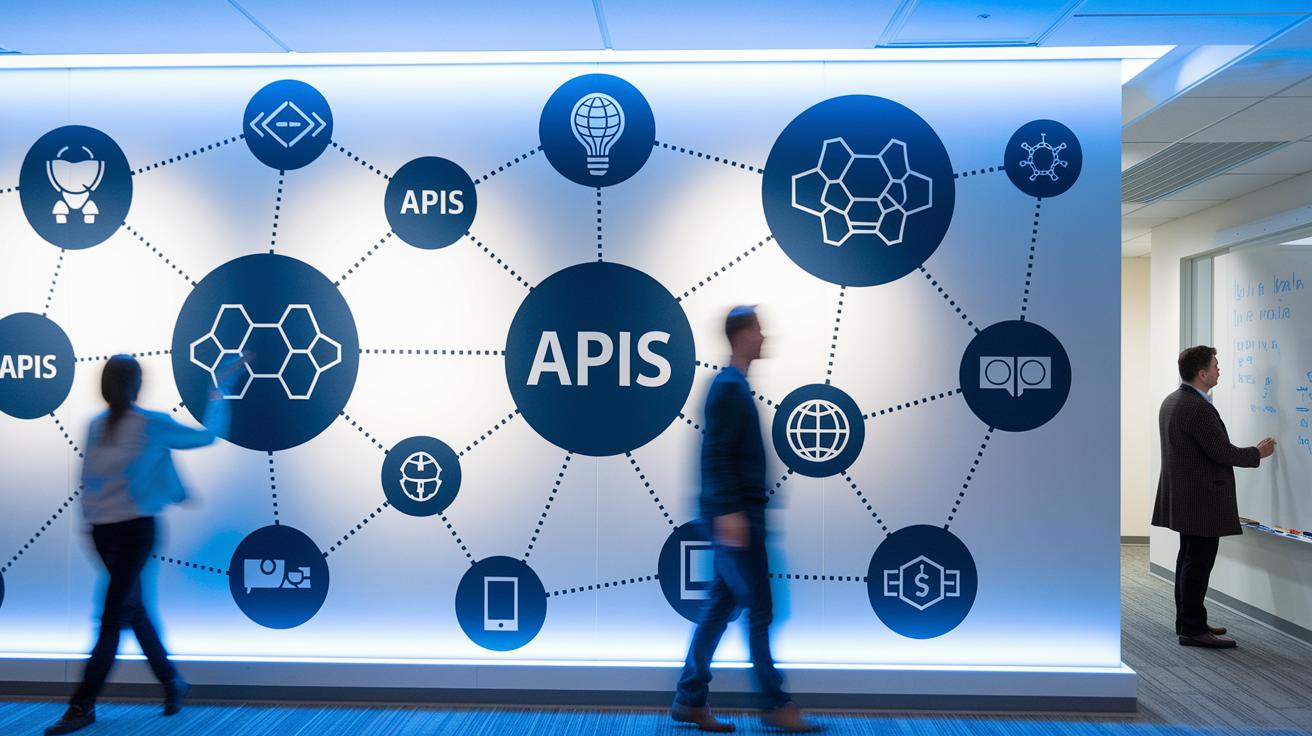
API-led integration is changing how companies link their digital systems. Standardized APIs let different systems work together without the need for custom code. This simple connection also makes updates easier. With built-in loose coupling and version control, organizations can set up self-service links. This allows non-technical staff to adjust or create connectors without always relying on IT.
- Contract design
- Security policies
- Versioning strategy
- Documentation portals
- Gateway configuration
These API-led methods boost secure, efficient data exchange and encourage developers to work together through standard API contracts and dedicated developer portals. This self-service model makes it easier for companies to adapt quickly to market shifts. Many iPaaS platforms now offer low-code tools that let teams manage integrations on their own, cutting both time and costs compared to traditional methods. Overall, these practices speed up deployment and build a strong, flexible digital ecosystem that can grow continuously.
microservices and event-driven models in integration architecture
Microservices have changed how companies build large systems. They break up a single, large program into small, independent parts that share APIs. This method lets you update or add new features to one part without risking the whole system. For example, media platforms now deliver content faster and with less delay. Each service works on its own, so if one fails, the rest keep running smoothly.
- Event sourcing
- CQRS
- Publish-subscribe
- Reactive streams
Event-driven models work hand in hand with microservices. They rely on message buses or data streams to let services talk to each other in real time. This setup helps systems deal with events as they happen, reducing delays and the chance of bottlenecks.
Serverless functions add another layer of flexibility. They automatically run code when specific events occur, transforming or sending data without needing a dedicated server. This approach cuts down on infrastructure needs and speeds up deployment. By using serverless technology, organizations can quickly adjust to changes in workload while keeping costs low and performance high.
DevOps and automation in the integration architecture lifecycle
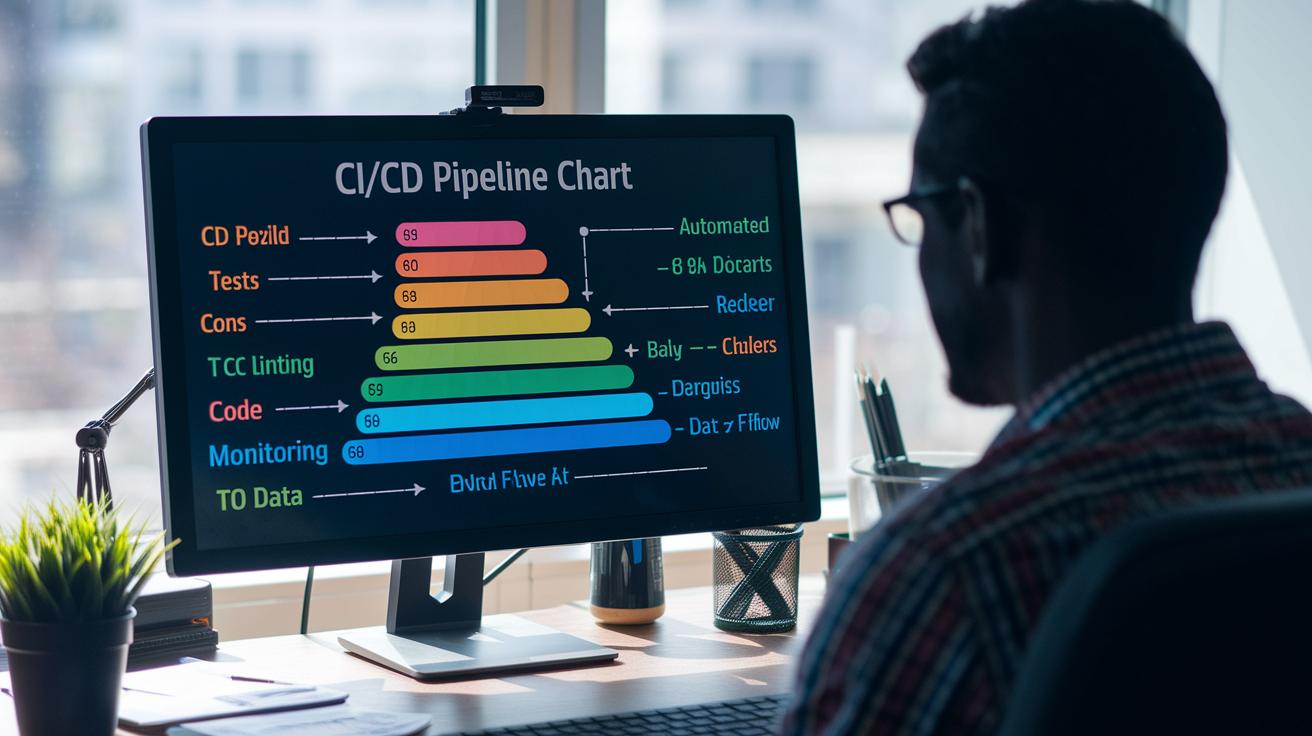
CI/CD pipelines deploy integration flows, connectors, and configuration changes automatically. This process cuts manual work and speeds up system updates. Every change goes through a fixed build, test, and deploy cycle. Automation frameworks handle code versioning, run tests, and allow quick rollbacks if problems occur, which keeps integration components stable. ELT pipelines merge and transform data at scale to ensure high data quality and meet regulatory rules.
- build, test, deploy stages
- automated connector tests
- linting tests
- infrastructure as code
- monitoring hooks
AI-assisted automation improves how integration projects are managed. Drawing on insights from projects like Foundations 2025, AI orchestration agents take over tasks that once required manual work. They watch integration workflows in real time, spot performance issues early, and enforce compliance measures. This AI layer speeds up fixing errors and helps integration systems learn and improve, making them stronger and ready to handle changing business needs.
modernization strategies for integration architecture
Old IT systems can be hard to update. Many companies still use legacy tools that need extra connections like adapters, virtual endpoints, or reverse proxies to work with modern systems. These workarounds keep older applications running while IT teams upgrade their technology. Using vendor-neutral tools and clear separation layers can extend these systems’ lives even when maintenance becomes a burden.
A hybrid connectivity model is a smart solution. It combines on-site enterprise service buses (ESBs) with cloud integration platforms (iPaaS, which means integration platform as a service) to connect traditional data centers with cloud apps. This mix keeps security strong while allowing systems to grow. Platforms should offer low-code integration options and adjust easily as digital strategies evolve. A step-by-step plan can guide the modernization process:
- Assessment – Look at current legacy systems and find integration gaps.
- Prototyping – Build initial models that mimic modern connectivity.
- Migration – Shift services from one large system to smaller, modular parts.
- Validation – Check that integrations meet performance and compliance standards.
A clear cost-benefit analysis is key to justifying these changes. Breaking up monolithic systems into microservices and APIs can lower maintenance costs by up to 40%. Leaders can then see returns in improved efficiency, greater scalability, and reduced long-term support expenses. This structured approach turns old system challenges into opportunities for creating future-ready integration architectures.
performance and scalability considerations in integration architecture

Choosing the right performance measures is key to keeping integration systems running smoothly. Teams track throughput (transactions per second), latency (response time in milliseconds), and error rate (percentage of errors) to see if systems meet their performance goals. These numbers paint a clear picture of system health and help guide adjustments to meet service level agreements. Setting targets for these metrics lets organizations plan for extra capacity, optimize workflows, and avoid bottlenecks during high demand.
| Metric | Definition | Target |
|---|---|---|
| Throughput | Transactions per second | High volume |
| Latency | Response time in ms | Low delay |
| Error Rate | Percentage of transaction errors | Minimal errors |
Scaling techniques such as clustering middleware, event partitioning, and dynamic provisioning ensure systems can adapt quickly. These methods allow integration systems to handle sudden surges and keep data flowing reliably.
Final Words
In the action, the post detailed how integration architecture connects diverse systems by breaking silos with clear blueprints. It walked through middleware roles, API-led methods, microservices, DevOps practices, and modernization strategies, all aimed at smoother operations and data flow.
By embracing integration architecture fundamentals and enterprise integration strategies, organizations can practically apply pattern examples for system integration, modern data merging approaches, and cloud‐based integration strategies. This clarity paves the way for more agile decisions and promising advancements.
FAQ
What is architectural integration and the basic integration architecture?
Architectural integration means connecting diverse systems through technologies and apps to create seamless data flows. It reduces silos, supports real-time updates, and drives digital transformation.
What are some integration architecture examples, diagrams, and types?
Integration architecture examples include diagrams showing system nodes, middleware, and data channels connecting CRM, ERP, and BI tools. These visuals outline data flows and connectivity methods across different types of systems.
What are common integration architecture patterns and frameworks?
Common integration patterns and frameworks use designs such as API-led connectivity, event-driven models, point-to-point links, and enterprise service bus models to ensure standardized and seamless data exchanges.
What does an integration architecture course cover?
An integration architecture course teaches core methodologies, design blueprints, middleware concepts, real-world connector techniques, and best practices for diagramming and system connectivity.
How does integration architecture apply to Salesforce?
Integration architecture in Salesforce focuses on connecting Salesforce with external systems through standardized APIs and middleware, ensuring consistent data flows and unified customer information across platforms.
How much do integration architects make in the US?
Integration architects in the US typically earn between $120,000 and $160,000 per year, with salaries varying by experience, region, and company size.