


Are we ready for the changes ahead? The EPA removed 31 rules that were meant to cut harmful emissions. This move is designed to boost energy production, but it also raises concerns about our climate and health. Removing limits on power plant pollutants and vehicle emissions could hurt air quality. In this post we look at whether these new rules will boost growth while putting public well-being at risk.
EPA Environmental Regulations Rollback: Scope and Rationale
In December 2024, the EPA announced it plans to eliminate 31 environmental rules. This is the largest deregulation effort in the agency’s history and marks a clear shift in its priorities.
The rollback targets rules that limit carbon emissions from older coal and new gas power plants, along with tailpipe emission standards for both light and heavy vehicles. It also removes limits on hazardous pollutants such as mercury, hydrochloric acid, and soot. These changes significantly alter longstanding measures designed to reduce industrial emissions and safeguard public health.
The administration argues that easing these rules supports an energy dominance strategy. In simple terms, the EPA believes that reducing regulatory burdens will boost domestic energy production and help the country compete in global fossil fuel markets. However, critics caution that these rollback measures could pose long-term risks to the climate and public health.
Breakdown of EPA Rule Rollbacks Impacting Air and Vehicle Emissions
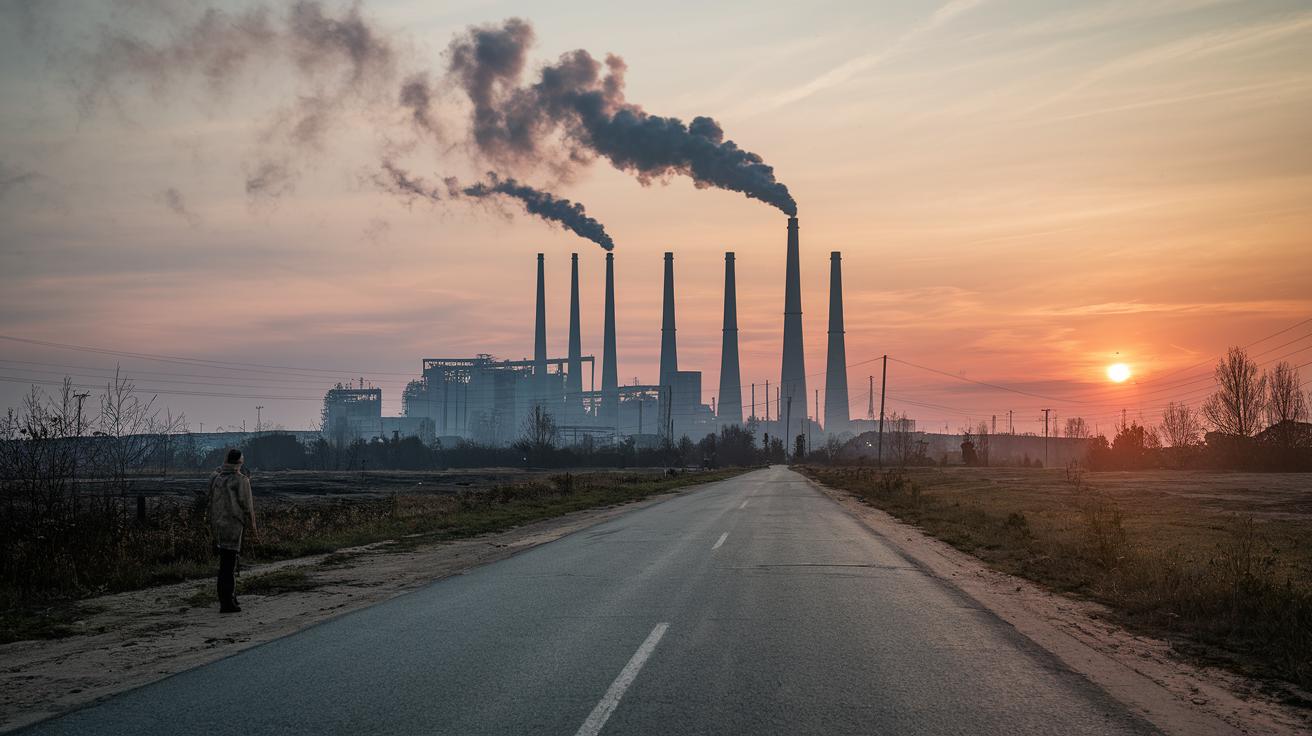
The EPA has removed three key clean air rules. It ended the Obama-era limits on carbon dioxide and pollutants from power plants, halted tailpipe emission limits for both light- and heavy-duty vehicles, and canceled rules that controlled harmful pollutants like soot, mercury, and hydrochloric acid from fixed sources.
- Power plant carbon dioxide and pollutant standards ended.
- Tailpipe emission limits for vehicles halted.
- Controls on toxic pollutants removed.
These changes leave a regulatory gap and slow down enforcement. Without clear standards, companies may face less oversight, which could lead to higher emissions. For example, power plants now able to release more pollutants might negatively affect the air quality and health of nearby communities.
Climate and Public Health Effects of the Emission Rollback
The rollback of plant standards could lead to an extra 200 million metric tons of CO₂ in the air every year. This added pollution speeds up climate change and makes it harder to keep rising temperatures in check. Cutting back on these limits weakens efforts that have kept emissions from big industrial sources under control, which in turn traps more heat in the atmosphere and changes local weather.
This policy change also brings major health threats. Loosening tailpipe limits is likely to undo gains made in reducing harmful pollutants like nitrogen oxide (NOₓ) and fine particulate matter (PM₂.₅), which are linked to breathing and heart problems. Without strict controls on toxic pollutants, mercury levels may climb, putting vulnerable people at greater risk for neurological issues. Higher levels of these pollutants could also overload our public health systems, reversing years of progress achieved through careful regulation.
- More cases of asthma
- Rise in hospital admissions for heart issues
- Greater risk of neurological disorders
Research shows that spikes in NOₓ levels have been connected to more emergency room visits for asthma. These findings highlight that environmental deregulation not only impacts our climate but also puts community health at risk and burdens healthcare facilities across the nation.
EPA Environmental Regulations Rollback: Inspiring Change
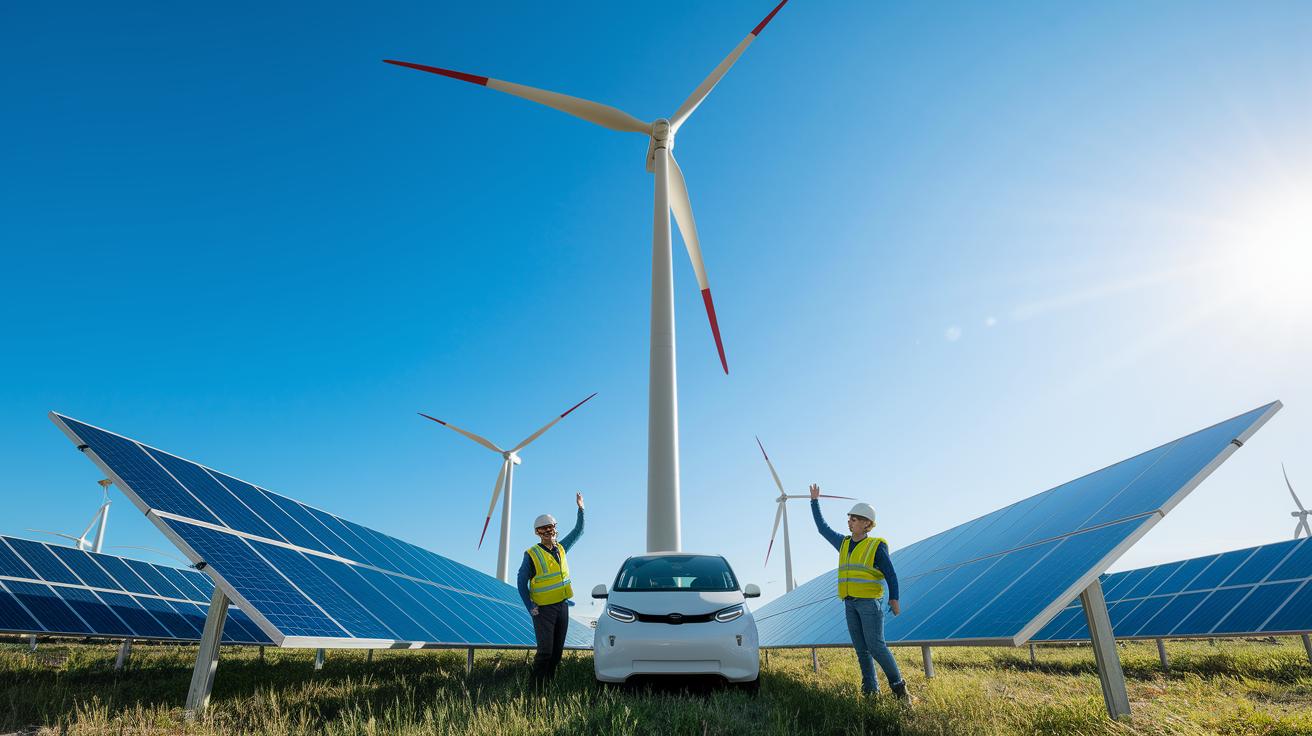
Clean energy sectors saw strong investment in 2023. Nearly $90 billion flowed into electric vehicles, wind, and solar projects. This infusion helped create over 500,000 jobs. Programs such as the Inflation Reduction Act supported these trends. Now, the rollback of EPA standards may weaken these advantages and unsettle the clean energy market.
| Sector | Impact | Projected Cost/Benefit |
|---|---|---|
| Utilities | Savings from reduced compliance measures | $2–$4 billion yearly |
| Consumers | Increased fuel and healthcare expenses | $3–$5 billion annually |
| Clean Energy | Shifts in investment, risking new projects | Potential downturn in new projects |
The rollback also brings long-term uncertainty. While utilities may save on compliance costs, consumers could suffer from volatile fossil fuel prices and higher spending. With less regulatory support, investors might pull back from clean energy. This change could slow job growth and technological progress. Industry leaders and policymakers now face a tough choice between short-term savings and the long-term goals of our energy transition.
Policy Debate and Legal Challenges Surrounding the Rollback
State attorneys general and environmental groups have filed more than 20 lawsuits against the rollback. They say repealing power plant CO₂ standards ignores solid evidence and puts public health at risk. Industry groups, however, support the change. They argue that easing regulations gives power plants more flexibility in operations. Now, congressional hearings are examining the rollback and discussing possible legislative fixes.
Litigation Efforts
Multiple lawsuits challenge the rollback in court. Attorneys general claim the change sidesteps key evidence-based procedures. They say loosening emissions controls endangers public health. The legal actions ask judges to review the EPA decision and, if needed, reverse it.
Congressional Oversight
- Lawmakers have set hearings to look at the wider effects of the rollback.
- Proposed bills aim to restore or legally support power plant CO₂ limits.
- Legislators are questioning whether the new process meets established laws.
If courts or Congress step in, the rollback might be halted or completely undone. A judicial decision could force the EPA to bring back strict standards, while new laws could permanently secure emissions limits, balancing economic concerns with community health.
Future Prospects for EPA Environmental Regulations Rollback and Restoration
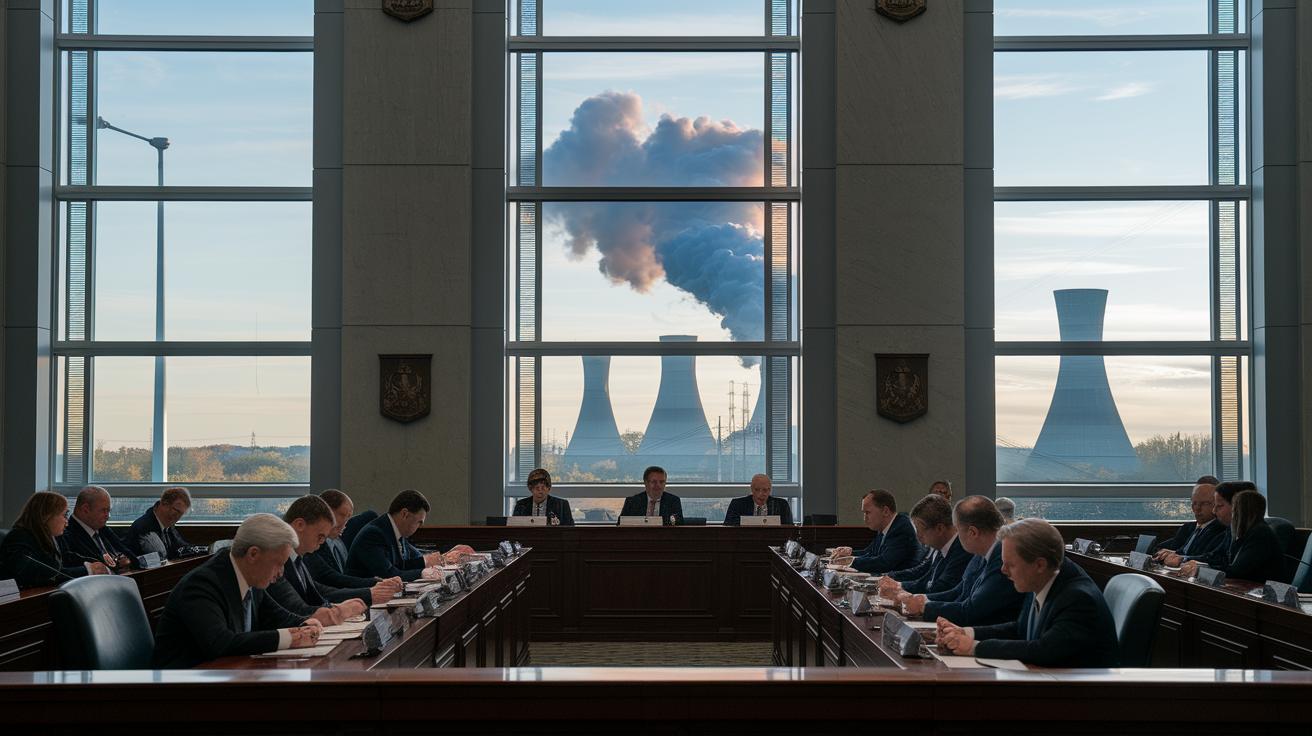
The EPA rollback might not be the final word. Experts expect that stricter standards could be reinstated by court orders or a change in administration between 2026 and 2028. Internal EPA memos suggest that power plant rules may be reviewed gradually in 2025 if leadership changes. In simple terms, if current rules fall short of legal or public needs, tougher guidelines could return.
Lawmakers are also pushing for stronger emissions controls. Senate proposals aim to make the 2023 vehicle emissions standards permanent to prevent further rollbacks. They are considering several options, including:
- Court actions reversing current reductions.
- New rulemaking under a future EPA.
- Congressional laws that lock in the emissions limits.
Final Words
In the action, the article mapped the EPA's sweeping rollback of environmental rules and its scope. It traced how the move impacts power plants, vehicles, and public health while stirring fierce policy and legal debates.
We outlined economic trade-offs and future scenarios as stakeholders weigh the costs and benefits. The narrative pinpoints clear avenues for market and regulatory response in an era of change amid the epa environmental regulations rollback.