


Looking for a way to reduce travel costs while keeping your schedule flexible? Car sharing apps let users access smart, low-cost travel options. They offer on-demand bookings, flexible pickup points, and even let car owners earn money. Whether a ride is picked up at a fixed location or appears wherever you need it, these services simplify and lower the cost of travel. This article explains how platforms use straightforward pricing and a mix of service types to change everyday travel.
Car sharing apps: Smart, Affordable Rides
Car sharing apps use new business models and on-demand booking systems to offer flexible, affordable rides. These platforms vary in vehicle availability, how they make money, and the number of users they serve. They range from systems where cars are picked up and dropped off at fixed stations to free-floating and peer-to-peer networks.
| App | Business Model | Key Stats |
|---|---|---|
| Zipcar | Station-based | 12,000 vehicles, $278.9 M annual revenue |
| Turo | Peer-to-peer network | 200,000+ vehicles, 5M+ users |
| Getaround | Peer-to-peer rental | Owners earn $300–$500/mo |
| SHARE NOW | Free-floating | Operates in 18 cities across 8 European countries |
| Enterprise CarShare | Corporate/enterprise | Strong presence in North America |
| Flinkster | Station-based | 4,000 vehicles across 1,700 stations in 300+ German cities |
| Startups | Specialized and nonprofit | Ithaca Carshare, Gig, Ego, Hui |
These apps also use dynamic pricing, which means the price changes in real time based on demand. Zipcar is well suited for short trips that have fixed pick-up and drop-off points. This approach has helped it pull in strong revenue numbers. By contrast, Turo’s peer-to-peer network lets private car owners rent out their vehicles, which benefits both the renters and the hosts.
Getaround offers extra monthly earnings for car owners, adding value to its service. Meanwhile, SHARE NOW makes it easy for users to take one-way trips in several European cities. Enterprise CarShare and Flinkster meet both corporate and local mobility needs with station-based fleets that provide a steady range of vehicles. New startups, such as Ithaca Carshare, Gig, Ego, and Hui, are pushing the market further by introducing nonprofit or eco-friendly options that widen the appeal of car sharing.
How Car Sharing Apps Work: Booking Process and Vehicle Access
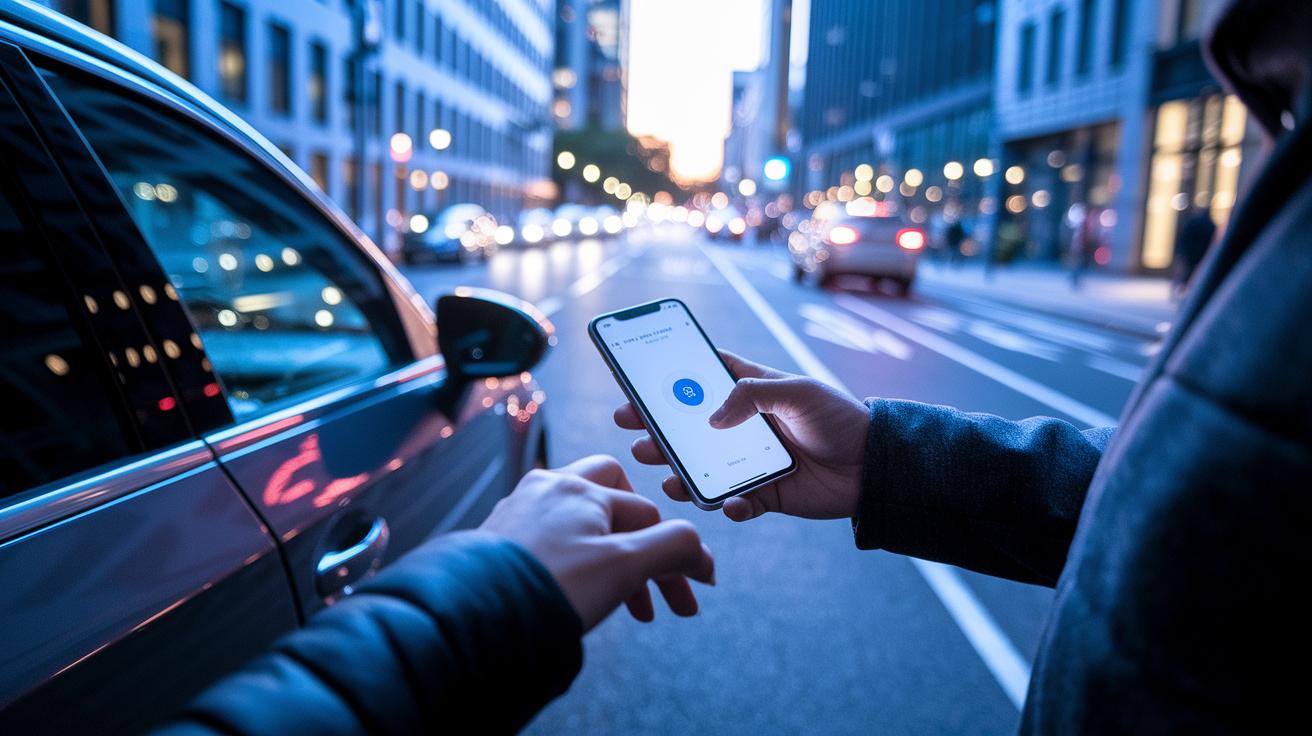
Car sharing apps make renting a car simple. They combine smart interfaces with digital keys so you can access a vehicle quickly and safely. The process guides you from signing up to returning the car, all within the app. Here’s how it works:
-
Download and register
Begin by downloading the app on your smartphone. Registration is quick and easy, just like signing up for your favorite social media account. -
Verify your identity and add a payment method
Upload a valid driver’s license to prove your identity. Then, add a payment option so you can handle all transactions within the app. -
Explore vehicle options
Check out the available cars, with pricing listed by minute, hour, or day. The app displays choices based on your travel needs, whether it's a short trip or a longer ride. -
Reserve your car
Select the car you want and book it immediately. The on-demand system uses a digital key to let you reserve the vehicle instantly without any physical key exchange. -
Unlock and start driving
Use the digital key in the app to unlock the car. This step not only simplifies the process but also enhances vehicle security. -
Enjoy your ride with live updates
Drive with confidence while the app tracks your journey in real time using GPS. This ensures that you are always on a safe route. -
End your rental and complete the return
When your trip is over, follow the in-app instructions to return the car to a designated area. The app confirms your return and automatically processes the final bill.
Car Sharing Models and Mobility Solutions
| Model | Operation | Example Platforms | Key Benefit |
|---|---|---|---|
| Station-Based Car Sharing | Pick up and return at set locations | Zipcar, Flinkster, Enterprise CarShare | Simplified drop-off and upkeep |
| Free-Floating Car Sharing | Pick up and drop off anywhere within a defined area | SHARE NOW, Gig | Spontaneous, one-way trips without fixed return points |
| Peer-to-Peer Car Sharing | Private owners rent out their vehicles | Turo, Getaround | Transforms idle cars into income opportunities |
| Specialized Programs | Focus on niche needs such as airport or one-way rides | Niche services for frequent travelers | Efficient service for specific travel demands |
Station-based models guarantee a set location for pick-up and return and include regular maintenance. Free-floating systems offer flexibility by letting renters leave cars anywhere in the designated zone. Peer-to-peer services enable private car owners to earn money when their vehicles are rented out. Specialized programs meet focused travel needs, such as quick airport transfers and one-way trips.
Global and Local Availability of Car Sharing Apps
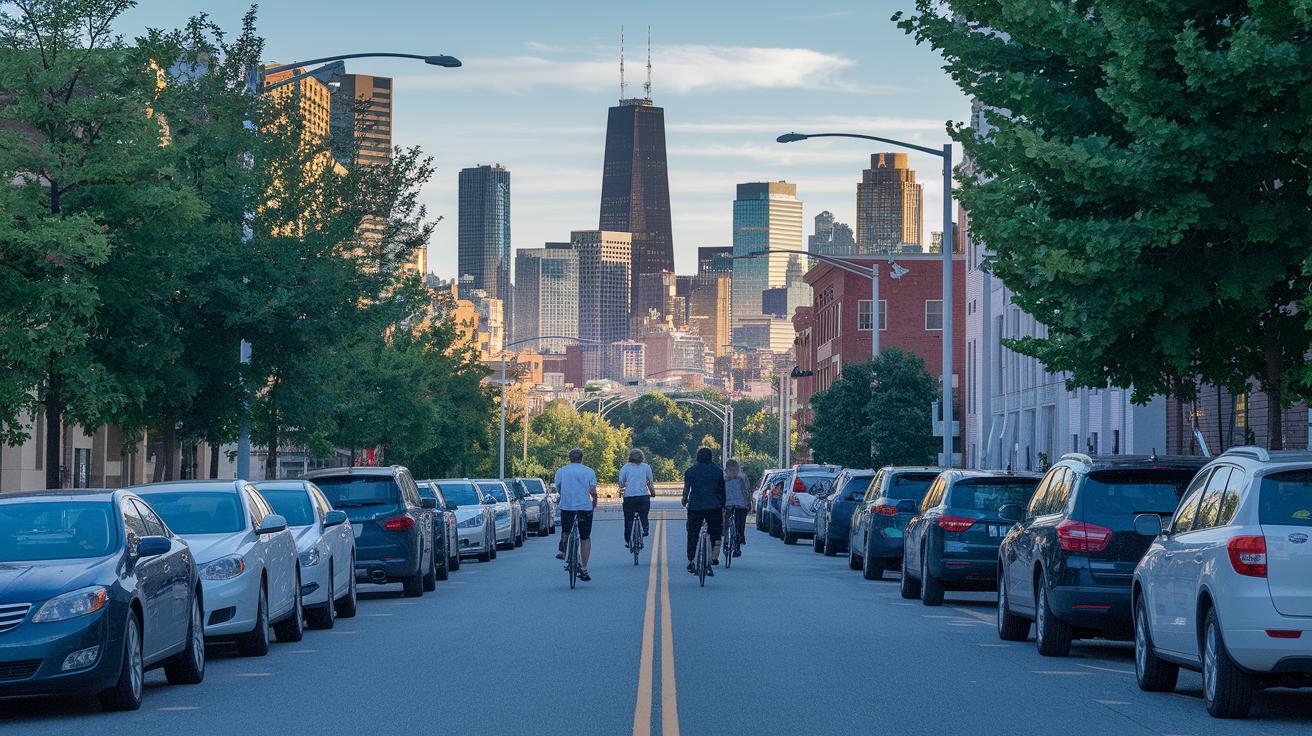
Car sharing services work on a very large scale and show clear regional strengths. Asia accounts for 40% of the global fleet, which points to rapid growth in major and emerging cities. Europe contributes over 30% with established transit technology and systems like the Italian booking setup in Milan reshaping local solutions. North America comes in third, with cities such as New York and San Francisco driving urban transport innovation.
Cities like New York, London, Amsterdam, and Berlin are prime spots for testing flexible ride services. In London, for example, an operator may use real-time data to adjust services based on daily commuter patterns. This is much like a smart transit system that adapts to the pulse of the city. In these urban centers, car sharing apps use modern in-app payments and responsive fleet management to help busy city dwellers get around conveniently.
Emerging markets in Australia, Singapore, and India are slowly embracing these mobility solutions. Investments in GPS tracking and improved user interfaces allow drivers to tap into efficient, locally tailored services. This mix of global reach and local adaptation is sparking more interest in car sharing platforms while expanding transit technology around the world.
Pricing Structures, Insurance Coverage, and Safety in Car Sharing Apps
Car sharing apps use dynamic pricing so that rates change by the minute, hour, or day. The fare adjusts based on demand and availability. For example, booking during busy hours might cost more, while off-peak times are cheaper. This approach means you only pay for the time you drive, offering both cost savings and flexibility.
Insurance is a key part of these services. Many platforms offer strong insurance policies to protect both renters and hosts. Turo, for instance, provides liability coverage up to $1 million. Enterprise CarShare usually offers collision waivers, and Getaround backs private hosts with owner guarantees. These measures clearly define what costs and responsibilities are covered, reducing risk and building trust.
Safety measures are built into every step of the rental process. Car sharing companies use contactless key systems so you can unlock and start vehicles with your phone, cutting down on physical contact. In response to health concerns, many platforms now follow cleaning protocols after each ride. In-app emergency buttons and real-time GPS tracking further boost ride security. Imagine unlocking your ride with a tap and knowing a built-in emergency button is ready if needed, it’s simple, secure, and efficient.
Together, these pricing, insurance, and safety strategies help manage liability and build confidence among renters and hosts, making car sharing a smart choice for urban travel.
Trends Shaping the Future of Car Sharing Apps
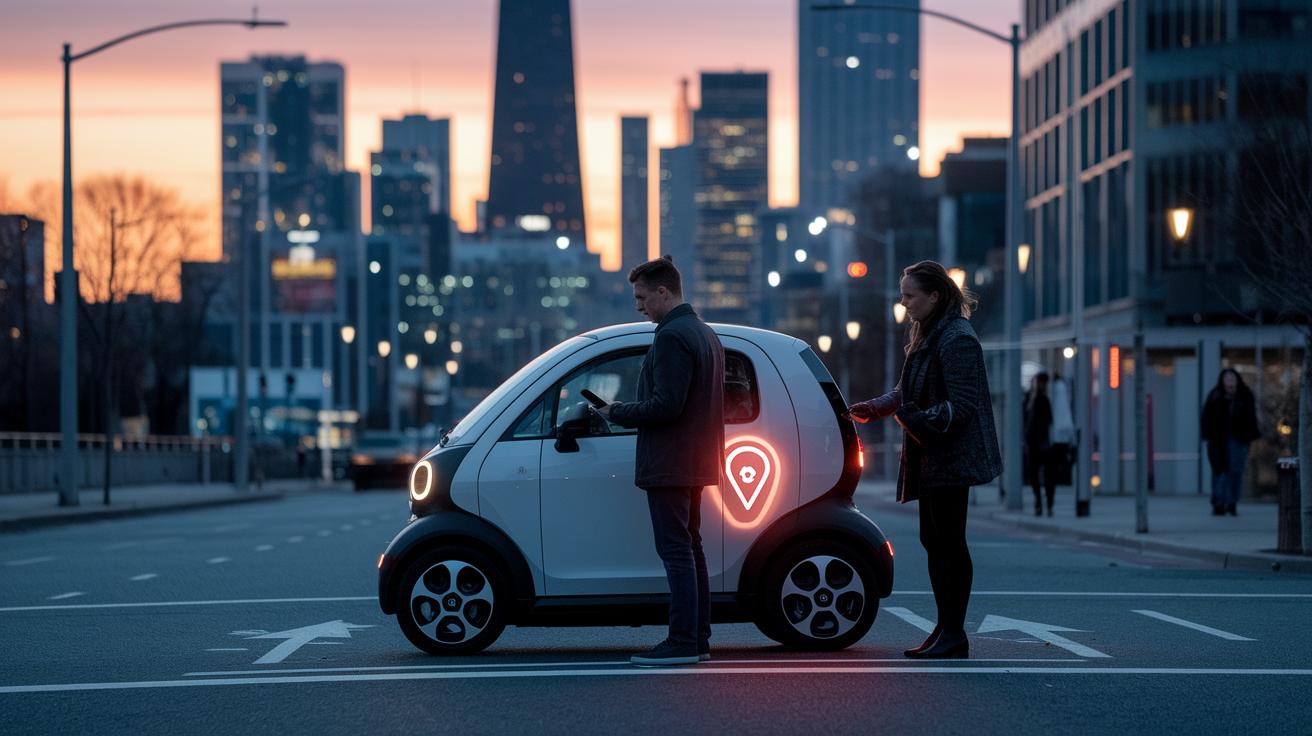
Car sharing is changing quickly as new technology, market shifts, and evolving consumer habits take hold. Experts now expect nearly 36 million users worldwide by 2025 as more cities adopt the model and investors take notice. Traditional car sharing is shifting into an app-based solution that leans heavily on digital keys and electric vehicles.
Recent tests with self-driving vehicles and the gradual move toward electric fleets are pushing the industry forward. Digital key systems have made the renting process both smoother and safer. Early trials of autonomous operation hint at lower costs and improved safety. Meanwhile, on-demand assistance now gives users real-time support during their rental experience.
The pandemic has also reshaped the industry. To meet new customer expectations, platforms upgraded their procedures and introduced strict health guidelines. App development costs now range from $10,000 to over $35,000, depending on the features and complexity. Growth in Asia and Europe, driven by crowded cities and tech-savvy populations, is prompting both traditional rental companies and new startups to rethink their approaches.
Looking ahead, investors expect higher safety measures, improved insurance integration, and more efficient digital payment systems. This blend of digital and physical service is set to make car sharing smarter, safer, and more affordable for urban commuters around the globe.
Final Words
In the action, this article broke down the top car sharing apps and their diverse models, from station-based systems to peer-to-peer networks. We examined the booking process, pricing structures, and safety measures that keep these platforms secure and reliable.
The discussion also mapped global reach and emerging trends like EV integration and digital key technology. Readers come away with clear insights on competitive moves and market signals in the world of car sharing apps. Positive developments in the space signal ample opportunities ahead.
FAQ
What free car sharing apps are available?
The term free car sharing apps often refers to platforms that offer no membership fee or low-cost entry. Some services, like SHARE NOW, feature free-floating fleets across select cities for flexible short-term use.
What is Getaround and how does it work for car sharing?
Getaround offers a peer-to-peer car rental service where private vehicle owners can rent out their cars. This platform allows owners to earn monthly income while providing renters with a flexible transportation option.
Which car sharing apps are available for Android devices?
Car sharing apps for Android function similarly to their iOS counterparts. Leading platforms like Turo, Zipcar, and Getaround offer mobile-friendly interfaces that let you book and unlock vehicles using your smartphone.
What are the best car sharing apps and which service is the best overall?
The best car sharing apps depend on your needs. Turo stands out with a vast peer-to-peer network, while Zipcar excels with a reliable station-based model. Your choice should balance convenience, pricing, and available features.
How does peer-to-peer car rental work in the car sharing sector?
Peer-to-peer car rental allows private car owners to list their vehicles on platforms like Turo and Getaround. Renters can book these vehicles directly, enjoying flexible use while owners earn extra income.
Which platforms offer services similar to Turo?
Platforms such as Getaround provide similar peer-to-peer services to Turo, enabling car owners to monetize their vehicles and offering renters a diverse selection of cars through an on-demand booking process.
How does Zipcar operate as a car sharing service?
Zipcar uses a station-based model where vehicles are parked at designated spots. Users book cars by the minute, hour, or day, and gain access via a digital key, making it a reliable solution for urban mobility.
Does Car2Go still exist and what is its current status?
Car2Go no longer exists as a standalone brand. It merged with DriveNow to form SHARE NOW, offering a free-floating fleet across various cities in Europe and maintaining a strong presence in urban mobility markets.