


Ever wonder how pricing can make or break a two-sided platform? In markets where buyers and sellers meet directly, the fee structure plays a key role. Take ride-sharing as an example. Platforms must balance driver earnings with rider costs to stay competitive.
Setting the right fees drives network growth and keeps the platform financially strong. This brief explores how carefully adjusted fees benefit everyone on both sides of the market.
Achieving Balanced Pricing for Two-Sided Platform Marketplaces
Two-sided platforms connect buyers and sellers in one clear space. Price balance means adjusting fees so both groups see value and the system stays financially sound. More users add value through network effects, creating a cycle that can boost the platform once it reaches a critical mass.
Consider a ride-sharing service. From the start, the platform must attract both drivers and riders at the same time. To find balance, it sets fees that keep driver earnings healthy while offering riders attractive rates. As one group grows, fine-tuning supply and demand becomes crucial to maintain smooth operations.
A common fee strategy subsidizes the price-sensitive side of the market. Some platforms focus on a niche first to build a strong supply before expanding broadly. They set transaction fees low enough to be appealing, yet high enough to cover costs and support future growth.
Careful management of supply and demand is key in markets with thin margins. By adjusting fees based on data and market behavior, platforms keep prices competitive while securing the revenue needed for better technology and service. Every pricing decision aims to ensure that both buyers and sellers get clear value in every transaction.
Economic Theories and Frameworks for Price Equilibrium in Two-Sided Marketplaces
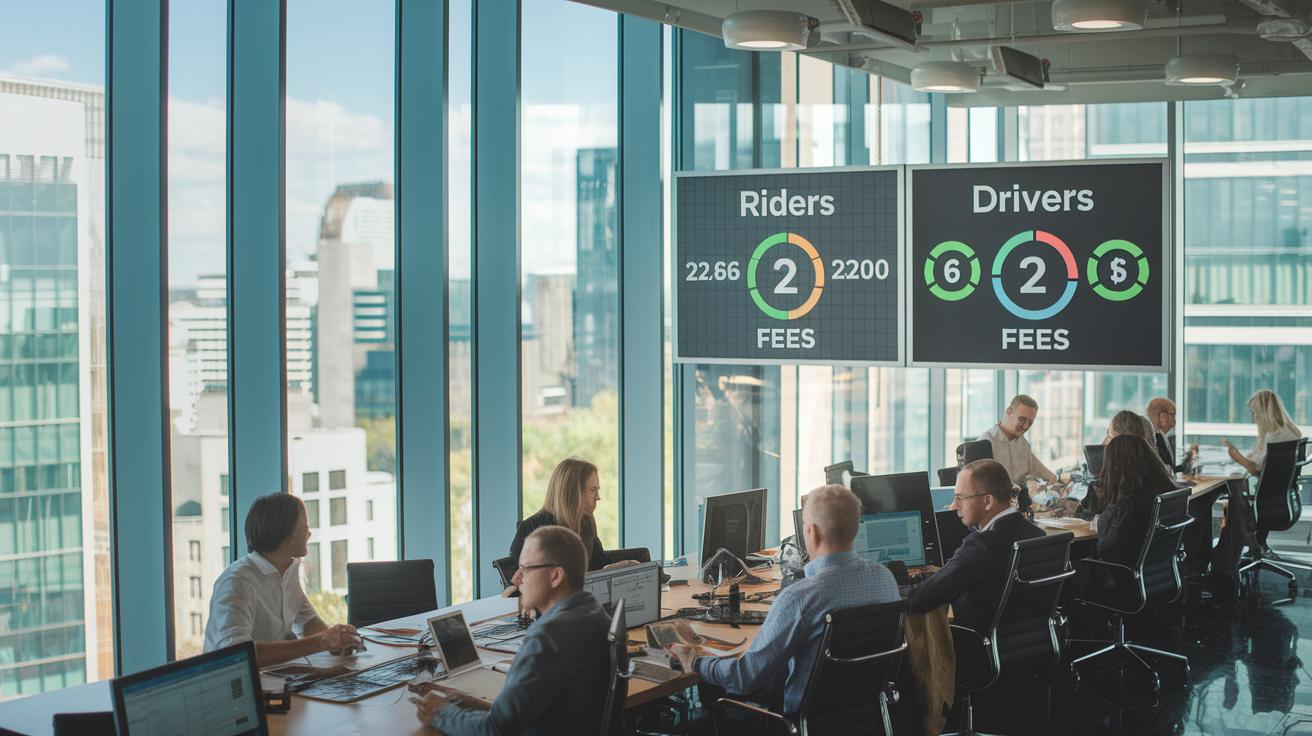
Platforms typically charge one side fees that are close to the cost and add a premium for the other. They use revenue from the higher-paying group to keep costs low for the more price-sensitive group. For example, a ride service offers riders low fares while charging drivers a higher commission.
Balancing supply and demand means no user group carries too much of the fee burden. Managers track key performance data and adjust fees when market conditions change. Sometimes, sudden shifts in the market force quick price adjustments. Ongoing testing and a clear process help keep fees fair on both sides.
Leaders rely on these ideas to build pricing models they trust. They perform regular A/B tests to make real-time fee adjustments that support steady revenue growth. With clear metrics and constant feedback, platforms stay competitive and balanced. This approach drives sustainable growth by ensuring both sides of the market remain engaged and fairly treated.
Crafting Dual Market Fee Strategies to Balance Supply and Demand
Platforms use a mix of fee models to keep the market balanced. They combine fees charged per transaction, tiered subscriptions, and cross-subsidies to meet different needs. For example, a ride-sharing service may lower fares for everyday trips while collecting a higher commission from drivers offering premium services.
To keep prices steady, platforms monitor data like conversion rates and customer reviews. When usage falls, they may lower fees for buyers or provide extra perks to sellers to boost activity. Think of fee changes like shifting gears in a car, quick, smooth, and in tune with current traffic.
Competitor comparisons also help improve pricing. Some tests include offering one group a low entry fee with extra service charges later, while charging another group a flat rate for enhanced features. These experiments help refine the pricing model to stay competitive.
Key tactics include:
- Adjusting transaction fees based on activity levels
- Offering tiered subscriptions to match different price sensitivities
- Using cross-subsidies where lower fees for buyers are offset by higher charges to sellers
- Benchmarking fees against market rivals for competitive positioning
| Fee Model | Example |
|---|---|
| Transaction-Based Fee | A ride-sharing app varies driver commissions based on demand. |
| Tiered Subscription | A freelance marketplace offers plans that increase fees with more usage. |
| Cross-Subsidy | An online platform lowers buyer fees while charging sellers more. |
Leveraging Dynamic Fee Models and Algorithm-Driven Adjustments
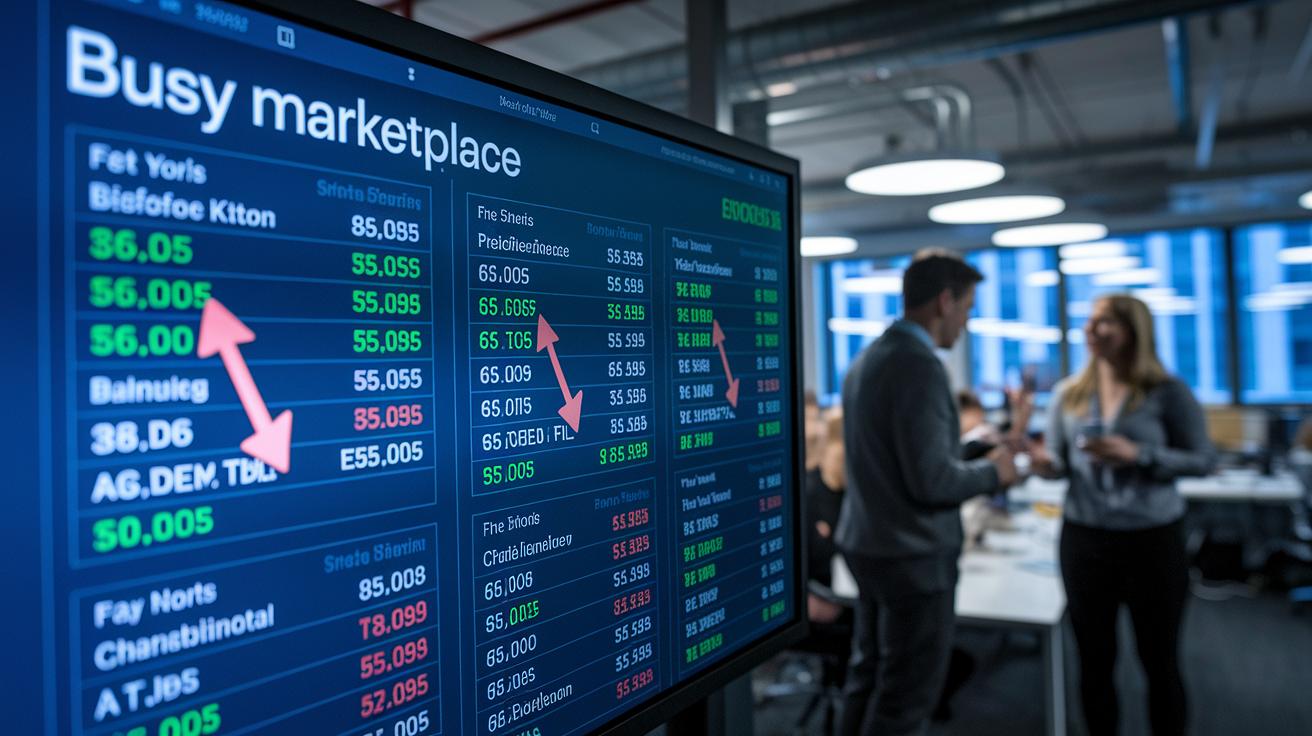
Many platforms now use AI-based models that adjust fees immediately as supply and demand shift. When service demand increases, these systems tweak fees to balance the needs of buyers and sellers. For instance, a ride-sharing service may reduce fares during quiet periods and boost driver earnings when demand is high. A striking fact is that about 95% of buyers pick the most prominent offer, known as the "Buy Box," which drives 96% of sales. This shows how automated systems influence market choices.
The system also watches for issues like drops in transactions or delays at checkout. When it spots a problem, it quickly sends a message asking sellers to update their listings or buyers to explore other offers. New technologies, such as blockchain (a system that records transactions transparently), help keep fee adjustments visible in real time. With clear, data-driven insights, platforms can compare fee models and choose those that keep revenue balanced for everyone. These smart, algorithm-driven changes not only boost user activity but also secure a steady revenue flow without the need for manual tweaks. This balance gives buyers competitive prices while ensuring sellers earn enough to grow over the long term.
Case Studies on Two-Sided Cost Balance in Leading Platforms
Leading platforms boost revenue by adjusting fees based on both buyer and seller data. Zoom, DocuSign, and Twilio, for example, increased their earnings by 12–40% year-over-year by carefully managing fee structures. They balance what buyers are willing to pay with the value sellers receive.
Airbnb uses a different strategy. The platform keeps guest fees low to drive bookings. This method builds a strong host network and, over time, creates a cycle where trust grows and fees can be raised. A host might start with lower fees and later see higher demand as the market strengthens.
Stripe links merchants and consumers with a revenue-sharing approach. Larger merchants that process high volumes pay a smaller fee per transaction, while smaller players pay a bit more. This flexible pricing is based on market benchmarks and keeps competition healthy.
Slack pairs companies with app developers and adjusts its pricing based on how much customers use the service. Through regular testing, it fine-tunes fees to match usage patterns, showing how data can guide revenue growth.
Etsy adapted its fee model as the market changed. By adding value-added services like secure payments and dispute resolution, it maintained stable pricing that kept users transacting on the platform.
Key takeaways include:
- Starting in a focused niche
- Keeping fee changes transparent
- Using real-time data to adjust pricing
These lessons help platforms balance economic pressures on both sides of the market while driving sustainable growth.
Best Practices for Iterative Charge Testing and Revenue Optimization

Platforms keep pricing fair by regularly testing and adjusting their fee structures. They run A/B tests (comparing two fee setups to see which performs better) to determine the best fee strategy. For example, one test showed that a 5% fee reduction increased transactions by 12% in just one quarter.
The system blends built-in value features with automated communication. It links simple booking, insurance, and escrow services with real-time user engagement. When the system detects lower conversion or retention rates, it automatically reaches out, prompting sellers to modify listings or suggesting buyers try different services. Teams also update fee models quickly when regulatory changes occur.
Key tactics include:
- Running regular A/B tests to fine-tune fees
- Monitoring metrics like conversion, retention, and transaction volume
- Automating user outreach when activity drops
- Integrating tools that ensure transactions remain simple and secure
This data-driven approach continuously aligns fees with user behavior and compliance needs, boosting customer retention and overall marketplace revenue.
Final Words
In the action of balancing pricing in two-sided platform marketplaces, platforms face ongoing pressure to set fees that attract both buyers and sellers. The piece highlighted dual market fee strategies, economic neutrality, and dynamic, AI-driven adjustments. These approaches support timely, sustainable growth while addressing the chicken-and-egg challenge. Platforms testing charges iteratively can refine fees and build critical mass. Embracing these tactics can spur innovations that strengthen market positions and drive revenue growth. Positive momentum and smart adjustments can keep platforms competitive and agile.
FAQ
Q: What is pricing equilibrium in two-sided marketplaces?
A: Pricing equilibrium means balancing fees for both buyers and sellers. It involves calibrating costs and subsidies so the platform attracts and retains both groups while maintaining sustainable revenue.
Q: How do economic theories influence fee structuring?
A: Economic theories like marginal cost pricing and cross-subsidy approaches help identify break-even points. This framework guides balancing low fees on one side with premium charges on the other to stimulate growth.
Q: What does a dual market fee strategy involve?
A: A dual market fee strategy sets different charges for buyers and sellers based on their price sensitivity. It may use tiered subscriptions or transaction fees to attract volume-sensitive customers and capture premium revenues.
Q: How do dynamic fee models improve pricing?
A: Dynamic fee models use real-time data and AI to adjust prices as supply and demand shift. This approach ensures fees remain competitive and encourages user participation, boosting overall revenue.
Q: What lessons do case studies offer on cost balance?
A: Case studies from major platforms show that balanced fees, calibrated via iterative testing, can drive significant revenue growth. They underline the importance of adapting fee structures to market dynamics.
Q: What are best practices for iterative charge testing?
A: Iterative charge testing involves continuous A/B testing and metric monitoring. This method refines fee levels by adjusting prices based on performance, user behavior, and regulatory requirements.