


Ever wondered if your business strategy is truly on target? Today, customer actions shape how tech companies set prices, design products, and compete in the market. Digital tools allow firms to gather online feedback and learn from real-time data. One startup quickly adjusted its approach after noticing a change in user habits. This market shift forces tech leaders to rethink how they reach their customers. In the tech world today, knowing what consumers do is essential for smart, quick decision-making.
Consumer Behavior’s Influence on Tech Market Dynamics
Consumer behavior today goes beyond price, quality, and brand loyalty. Digital factors such as AI-driven personalization (using artificial intelligence to tailor experiences) and social media feedback now play a crucial role. Companies use tools like social listening, the AIM Research Dashboard, and customized surveys to gain fast, data-based insights that shape tech trends and help them respond quickly to new needs.
Market dynamics refer to the mix of consumer demand, supply, and competition. Real-time analytics now guide decisions on pricing, product design, and service delivery. For example, one tech startup noted that swift analysis of consumer feedback completely changed its approach to innovation overnight.
The link between consumer behavior and market dynamics has rewritten the rules of competition. Switching from traditional advertising to rapid digital feedback has made agility essential. By leveraging real-time data to meet customer expectations, tech firms can launch products that connect with users, set competitive prices, and build stronger relationships. This fast, data-driven response not only boosts efficiency but also drives ongoing innovation in a fast-moving market.
Consumer Behavior Insights Driving Product Innovation in Tech Businesses
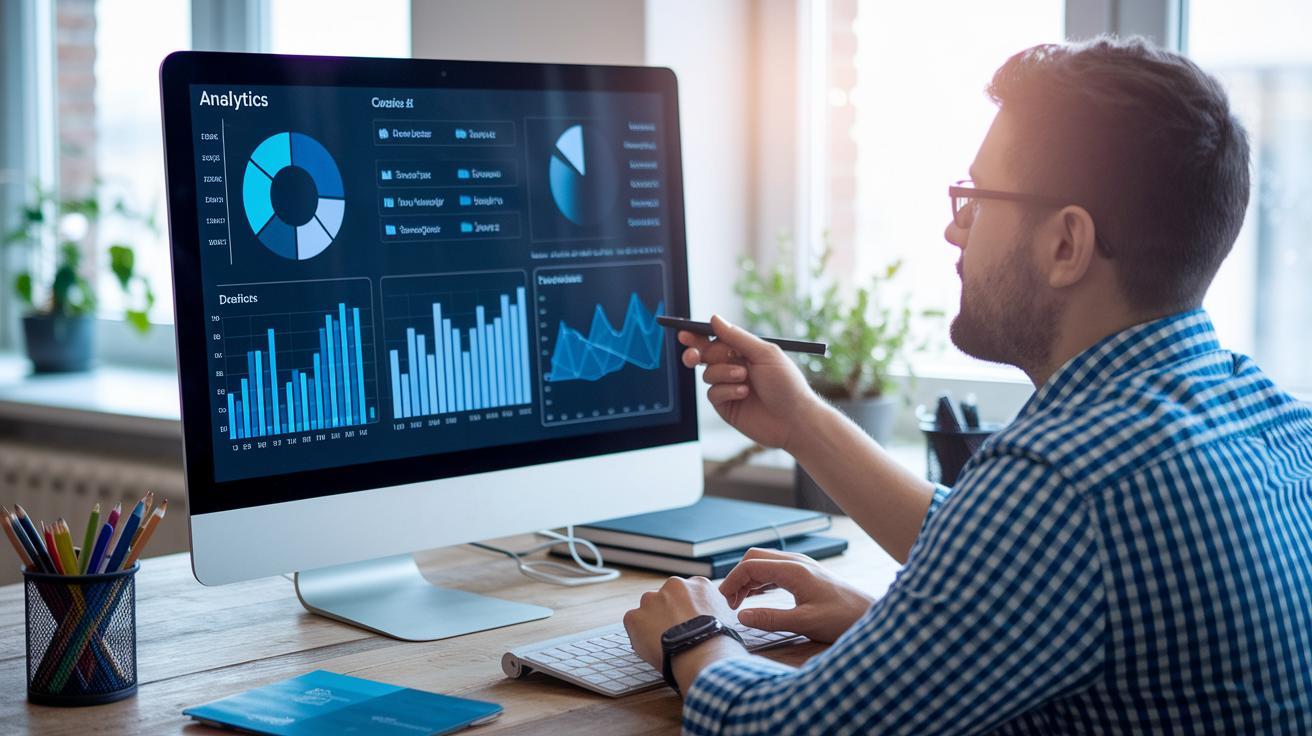
Tech startups are diving into detailed consumer data to identify market gaps and cater to overlooked groups. They study new trends, changing preferences, and common customer challenges. This deep dive shows not only what buyers need but also how they use digital products.
Companies track user actions and price sensitivity to decide which features to develop. For example, a tech firm might add a new navigation tool after noticing that many users struggle with the current setup. A simple change like this can significantly boost customer satisfaction.
Aligning product design with actual consumer behavior speeds up market adoption. Startups use quick feedback loops and real-time data to refine their products continuously. By integrating these insights in every stage of development, tech companies create products that users love, paving the way for steady growth.
Data-Driven Consumer Behavior Analysis Tools Shaping Tech Market Dynamics
Tech companies now use digital analytics to turn consumer data into targeted market actions. They rely on advanced algorithms that mix social listening with in-house metrics. These systems, like the AIM Research Dashboard and Questionnaires Creation, do more than track real-time feelings; they tie raw numbers to technical performance measures. One startup recently combined sentiment analysis with competitor data to automatically fine-tune its product features.
Businesses are now adding these tools to larger market intelligence frameworks. This integration helps them make clear, strategic moves. Case studies show that blending dynamic pricing signals with consumer behavior insights sharpens campaign targeting and improves product positioning. This approach cuts out redundant efforts and offers actionable, timely insights.
- Social Listening for sentiment analysis and trend detection
- AIM Research Dashboard for detailed performance metrics
- Questionnaires Creation for gathering direct consumer feedback
- Advertising Testing for real-time campaign evaluation
- Brand Health for monitoring shifts in public perception
- Concept Testing for evaluating product potential
- Price Testing for understanding pricing sensitivity
- Trending Topics Tracker for spotting new consumer interests
Online Engagement and Social Influence Trends in Tech Consumer Behavior

Digital channels and social networks now shape how consumers connect with tech companies. Online shopping and digital adoption are growing fast among different groups, pushing tech firms to change their marketing strategies. Social media helps people discover products and encourages sharing of recommendations that guide buying decisions. Interactive marketing is on the rise. Many brands now design campaigns that invite real-time participation, show genuine experiences, and build trust through community feedback. Research confirms that social influence affects both quick purchases and long-term loyalty, as emerging market trends show.
Tech companies use these channels to boost user adoption and adjust messaging to meet digital needs. They also invest in omni-channel experiences to create smooth and consistent interactions. Key patterns driving this digital wave include:
- Micro-influencers fostering real connections
- User-generated content building trust and credibility
- Live-stream campaigns engaging viewers in real time
- Personalized recommendations improving product discovery
- Community discussions and reviews offering peer validation
Predictive Analytics and AI Modeling of Consumer Behavior for Tech Market Dynamics
Tech companies are increasingly using advanced statistics and machine learning (computer systems that learn from data) to forecast market trends and customer needs. They use AI models to predict demand, segment customers, and decide when to launch new products, all based on detailed behavior data. These tools help shape pricing, inventory decisions, and overall market strategies with up-to-date information. Automation and chatbots continuously gather customer feedback and deliver personalized support, which boosts satisfaction. A recent market report shows that data-driven decisions speed up product positioning and strengthen competitive strategy in a rapidly evolving tech market.
AI-Powered Predictive Models
Machine learning algorithms now play a crucial role in anticipating customer preferences and timing product releases. By analyzing large amounts of data, they spot subtle trends in consumer actions that might otherwise go unnoticed. This high predictive accuracy allows tech firms to refine product launches and choose the best release windows. The insights gained often lead to adjustments in pricing and product features, ensuring that offerings match emerging customer needs.
Chatbots and Personalized Support
Chatbots have transformed customer engagement by collecting real-time data on user interactions. These digital assistants provide quick, direct responses and support. The insights they gather help companies tailor their services and improve the overall user experience. With ongoing automated feedback, tech firms can quickly adjust their strategies to stay ahead of market shifts and maintain a competitive edge.
Future Consumer Behavior Trends Shaping Tech Market Dynamics

Demographic changes and environmental concerns are already reshaping tech markets. Consumers are set to favor products that use greener practices and lower energy consumption as climate awareness grows. Tech companies will need to adopt eco-friendly solutions as a core part of their strategy. A smooth digital and physical experience will soon be expected by users, making it crucial for businesses to blend online and offline interactions effortlessly.
AI and automation are also speeding up market changes. Companies will use these tools to set prices, manage stock, and improve customer support. Data-driven insights will help firms predict trends and adjust their operations to meet new demands. These shifts in consumer behavior are creating fresh market ecosystems, challenging old business models and driving the tech sector into new territory.
Final Words
In the action, the post explored how digital data steers tech business strategies. It reviewed consumer decision shifts powered by AI-driven insights and social listening to refine product features. Short studies showcased how real-time analytics and targeted digital feedback inform pricing and innovation. The analysis linked changing purchase patterns with evolving tech trends, giving leaders a clearer view of market moves. Consumer behavior in shaping market dynamics for tech businesses remains a central factor in driving smarter, faster strategic decisions.
FAQ
What is the impact of technology on consumer behavior?
The impact of technology on consumer behavior means that digital tools and AI-driven data now guide decision-making by offering real-time insights and personalized recommendations for both online and offline purchases.
How has technology led to the customer revolution?
The customer revolution results from technology changing how businesses interact with consumers by incorporating social media feedback and dynamic analytics, which actively reshape buying patterns and overall brand engagement.
How does consumer behavior differ in face-to-face versus online environments?
The difference in consumer behavior indicates that face-to-face interactions rely on direct communication and personal cues, while online environments depend on reviews, ratings, and digital interfaces to influence decisions.
How do new technologies change your experience as a consumer?
New technologies change your consumer experience by using personalized algorithms and social listening tools to provide tailored recommendations and streamlined purchasing processes, making shopping more efficient and engaging.
What is the impact of digitalization on consumer behavior?
The impact of digitalization on consumer behavior shows that easy access to comparisons, fast feedback, and interactive marketing strategies shift traditional buying patterns toward more responsive and informed decision-making.