
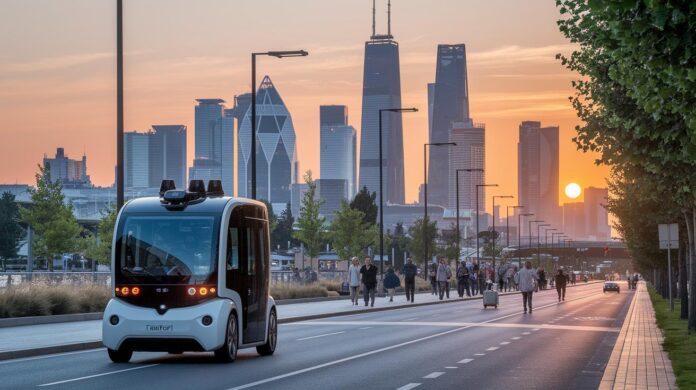

Driverless cars might soon change our daily commute. They use smart signals, rapid hazard detection (quick recognition of dangers), and eco-friendly power to reduce delays and clear busy streets. In crowded cities, quick response times and shared rides could lead to smoother, cleaner travel. Market forecasts show strong growth, hinting that urban transport may soon be safer, faster, and more efficient.
Transformative Impact of Autonomous Vehicles on Urban Mobility: Traffic, Safety, Environment & Infrastructure
Cities are changing with new smart solutions. Autonomous vehicles help clear road congestion using smart traffic signals and dedicated lanes. They use sensors like lidar and radar together with machine learning and fast computing to adjust routes based on live traffic. This lowers commute times and makes travel smoother.
At the core of this change is improved safety. Collision prevention systems now use 5G vehicle-to-infrastructure communication to detect hazards all around. Smart sensors scan the streets constantly, letting the system react in milliseconds. This fast response is vital for busy city centers.
Autonomous vehicles also bring big environmental benefits. Many run on electric power, which cuts fuel use and reduces harmful emissions. They promote shared rides and cut down on extra travel, which helps lower noise and keep the air cleaner.
Market trends support these shifts. Forecasts predict the AV market will grow from USD 114.54 billion in 2029 to over USD 2,353.93 billion by 2032. This rapid growth highlights the need for smart infrastructure to support automated transit and shared mobility.
In short, autonomous vehicles are reshaping urban travel. They are drawing investments and changing the way people commute while making cities safer, cleaner, and more efficient.
Traffic Flow Optimization and Congestion Alleviation with Automated Transit Networks

Smart traffic signals paired with AI algorithms are changing how cities handle road networks. Live route updates can cut commute times by as much as 25%. Special lanes for automated vehicles and organized intersection controls can reduce idling by 40%. Extensive driverless testing has proven that real-time data sharing helps manage traffic remotely and adjust routes on the fly. Think of it like a system that tweaks city routes as conditions change, letting drivers face fewer stops even in rush hour.
Dynamic traffic management mixes with network efficiency improvements to reshape busy urban centers. Key elements include:
- Real-time route updates that adjust paths instantly
- Intersection management technology that smooths vehicle flow
- Remote traffic computing that processes live data
These innovations help cities adapt as their infrastructure evolves. By combining advanced sensors, adaptive algorithms, and solid data networks, cities can see measurable drops in congestion. This approach not only makes traffic flow better but also builds a foundation for safer, more reliable urban journeys.
Safety Revolution: Collision Prevention Systems and Enhanced Road Protection
Autonomous vehicles promise to cut collisions caused by human error by up to 90%. They rely on advanced sensors such as lidar, radar, and cameras to create a full 360° view around the car. This sensor fusion detects hazards quickly, spotting pedestrians and cyclists even when they move at speeds up to 120 km/h. Automated braking reacts in milliseconds, significantly reducing the time needed to avoid a crash.
Robust cyber defenses are also in place to protect these advanced systems from hacking. The security measures work hand in hand with the sensors to keep every journey safe. Key points include:
- Collision prevention systems that blend multiple sensors
- Enhanced radar for quicker hazard detection
- Cyber defenses that guard against online threats
Together, these innovations build a road protection framework that not only reacts to dangers but actively prevents them, making urban mobility safer and more reliable for everyone.
Green Urban Mobility: Eco-Friendly Transit Solutions and Energy Saving Measures
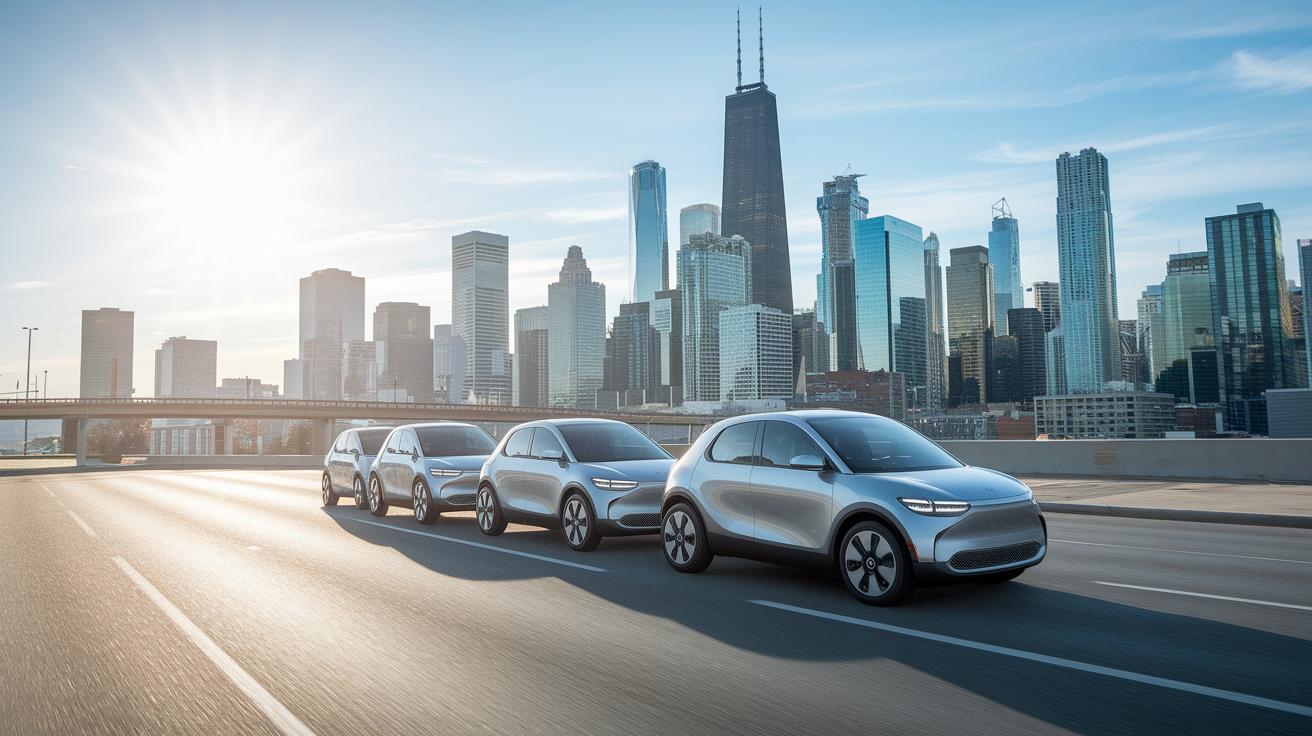
Electric autonomous vehicles are built to save fuel and cut emissions. They use smart driving methods and drive in groups (platooning), which can lower fleet energy use by up to 30%. New routing tools also cut the distance vehicles travel by 15%. This helps reduce greenhouse gases and keeps city air cleaner.
Cities are testing shared EV and autonomous ride-hailing services that offer eco-friendly travel. Fewer cars on the road mean less energy use and less congestion. Key benefits include:
- Lower energy use and less dependence on fossil fuels
- Electric municipal fleets that boost sustainable transit
- Measures that improve overall urban air quality
Together, these solutions help urban planners build transit systems that are smart, sustainable, and better for the environment.
Infrastructure Evolution: Intelligent Infrastructure Development and Urban Core Redesign
Cities are changing to support more self-driving vehicles. Local governments are redesigning curbs so cars can drop off and pick up riders quickly. This lessens the load on parking and bus systems. They are also investing in smart roads that use 5G roadside units and new traffic signals which share information with vehicles as they drive.
Key upgrades include:
- Dedicated lanes that keep self-driving vehicles separate from other traffic for improved safety and flow.
- Sensor grids that watch traffic all the time and adjust quickly when conditions change.
- Curb management systems that switch parking areas to pick-up and drop-off zones based on need.
- Microtransport nodes that serve as local hubs for autonomous shuttles and ride-sharing services.
- Integrated mapping systems that provide real-time route details for city planners.
These upgrades are turning city centers into flexible and connected transit hubs. One pilot project even changed street curbs to work differently during busy hours, which cut down on traffic jams. This network of smart infrastructure helps cities share data constantly and improve local services. In turn, these changes prepare urban areas for the growing demands of automated mobility and promise steady progress for the future.
Policy Reform and Regulatory Frameworks for Driverless Transport Integration
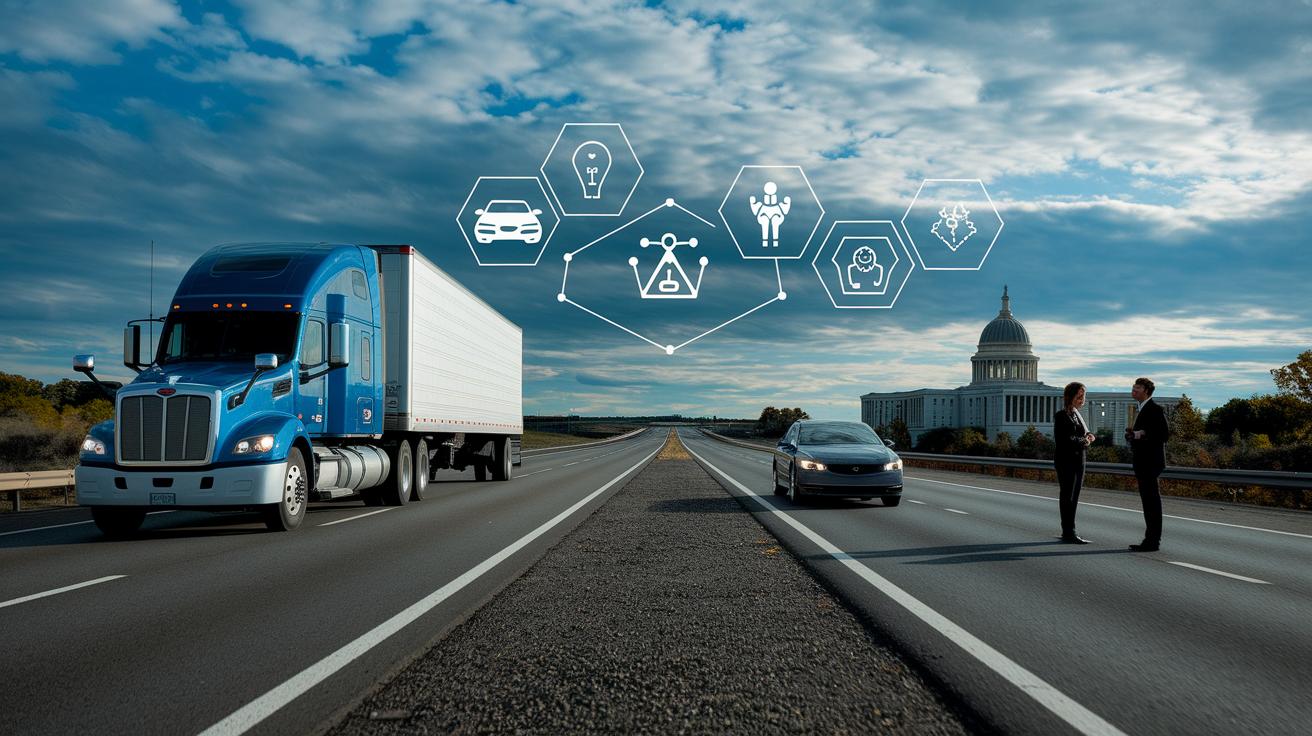
Different rules across regions slow the spread of driverless technology. New reforms tackle key issues such as who is liable when accidents occur and how to keep passenger data safe. Tests in several states show that clear federal rules on safety, cybersecurity, and ethics are needed.
Lawmakers are wrestling with how autonomous vehicles should act during critical moments. The debate focuses on balancing innovation with public safety and setting clear rules for fault in accidents. Current proposals cover points like:
- Clear policies on driverless operations
- Overcoming state-by-state legal obstacles
- Consistent oversight across regions
- Defining liability in crashes
- Safeguarding passenger data privacy
- Handling ethical and social issues with machine decision-making
Bringing state and federal rules into alignment could ease legal uncertainties and speed up adoption. These efforts aim to build trust among consumers and manufacturers while ensuring that driverless transport develops safely and responsibly for all stakeholders.
Emerging Service Models: Shared Mobility Innovation and Mobility-as-a-Service with Autonomous Fleets
Shared robo-taxis, on-demand minibuses, and automated car-sharing systems are changing the way we travel. These innovative services could reduce private car ownership by up to 25%. By merging fleets of self-driving vehicles with public transit and micro-mobility options, Mobility-as-a-Service platforms offer smooth, all-in-one travel experiences that are both efficient and simple to use.
Pilot projects in cities like Beijing and Shanghai have shown strong results. Autonomous shuttles in these cities improved seat use by 20%, suggesting that travelers are quickly warming up to these new ideas. This change is making travel more flexible and tailored to what customers need.
Key developments in this space include:
- Innovations in shared mobility that reduce reliance on personal cars
- Transit models that combine different travel modes for seamless journeys
- Ridesharing solutions that match supply with real-time demand
- Next-generation networks that bring together various automated transport systems
- Robot-operated shuttles offering swift, automatic trips
Think of it as upgrading a traditional taxi service into a high-tech, efficient network that meets urban needs. Imagine a ride that starts and ends exactly when and where you need it, cutting wait times and making better use of resources. This new approach promises to redefine urban travel with smarter, connected mobility solutions.
Final Words
In the action, driverless technology is reshaping urban travel from smarter traffic management to enhanced collision prevention and greener transit solutions. Cities are rethinking streets and updating infrastructure while state regulations evolve to match innovation. Smart mobility models are streamlining urban journeys and reducing congestion. This shift marks a significant impact of autonomous vehicles on the future of urban mobility. With better safety, cleaner energy use, and adaptive planning, the future holds strong promise for more efficient and sustainable city travel.
FAQ
What is the impact of autonomous vehicles on the future of urban mobility?
The impact of autonomous vehicles on urban mobility is transformative as they reduce congestion, improve safety with collision prevention systems, and help lower emissions while reshaping urban planning.
How do autonomous vehicles affect urban planning and the economy?
Autonomous vehicles influence urban planning by integrating dedicated lanes and smart infrastructure. They also boost the economy by reducing congestion costs and promoting intelligent transport solutions.
How might self-driving cars negatively impact society?
Self-driving cars may impact society negatively by potentially displacing driving jobs and raising cybersecurity concerns, although ongoing policies and safeguards work to reduce these risks effectively.
What are the socioeconomic implications of autonomous vehicles on mobility?
Autonomous vehicles affect socioeconomic factors by reducing private-car reliance, promoting shared mobility, and enabling efficient urban transit that supports diverse community needs.
How will electric and autonomous vehicles shape the future of transportation?
Electric and autonomous vehicles are set to blend clean energy with advanced tech, resulting in energy savings, lower emissions, and safer, more efficient urban travel systems.