
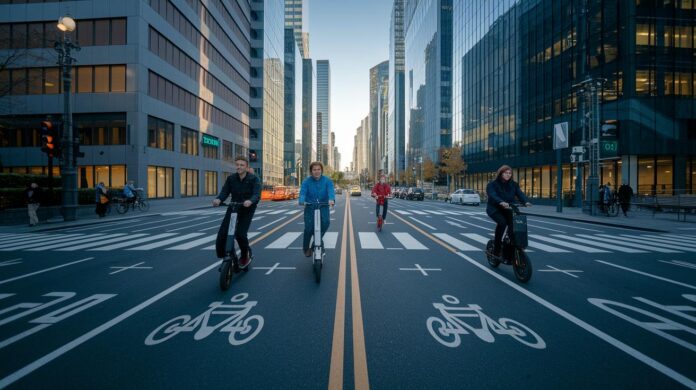

Could your daily commute help reshape our cities? With more people moving into urban areas and roads getting crowded, shared bikes and e-scooters offer a practical solution. City planners are debating how to balance innovation with obstacles as they explore new transit options. This post breaks down the challenges and opportunities in building urban micromobility infrastructure and shows how cleaner, faster travel can improve city life.
Meeting Urban Micromobility Infrastructure Needs

Cities are under growing pressure as forecasts indicate that by 2050, 68% of the global population will live in urban areas. Rising commute costs, crowded roads, and worsening pollution make it clear that we need to rethink urban transport. In one major city, a 30% population surge led to more traffic delays and environmental complaints, fueling the search for new solutions.
Micromobility offers an affordable alternative with shared bikes and e-scooters that require far less infrastructure than traditional roads or rail systems. The global micromobility market reached $44.12 billion in 2020 and is expected to grow to $214.57 billion by 2030 at an annual rate of 17.4%. Urban planners and investors are drawn to this option because it lowers construction costs and supports rapid deployment and scalability.
The environmental benefits and improved connectivity of micromobility add to its appeal. For instance, shared e-scooters with swappable batteries emit only 0.1 to 0.33 kg of CO₂ per passenger-mile, significantly less than traditional vehicles. They also serve as effective first-mile/last-mile solutions by connecting busy transit hubs to residential areas. By reducing reliance on gas-powered cars and integrating with public transit, micromobility helps cities move toward cleaner and more efficient urban mobility without the heavy infrastructure demands of larger transit systems.
Urban Obstacles and Infrastructure Improvements for Micromobility

Cities face real challenges that hold back the growth of micromobility. Many urban areas lack enough bike lanes and docking stations, creating noticeable gaps in service. Parking problems, vandalism, and theft further reduce how smoothly shared bikes and e-scooters can operate. These issues slow down the shift toward faster, more efficient urban transport.
Many cities are dealing with similar problems. Limited bike lanes mean fewer safe routes, and not having enough docking stations causes vehicles to end up in unwanted spots. Roads often wear out quickly from repeated use by these light vehicles, leading to expensive repairs. To tackle this, cities like Paris and Berlin have started using IoT sensors for pavement monitoring and smart, predictive maintenance. They also use demand forecasting to choose the best spots for additional lanes and charging points. Building stronger infrastructure is essential for supporting micromobility in busy urban centers.
| Obstacle | Improvement | Case Study |
|---|---|---|
| Limited Bike Lanes | More dedicated lanes | Paris pilot project |
| Few Docking Stations | Installing extra docking points | Berlin deployment |
| Worn-out Pavement | IoT-based predictive maintenance | Berlin street renewal |
| Parking Issues | Optimized drop-off zones | Paris zoning adjustments |
| Vandalism and Theft | Stronger security measures | Public-private initiative |
Regulatory Frameworks and City Planning for Micromobility Integration
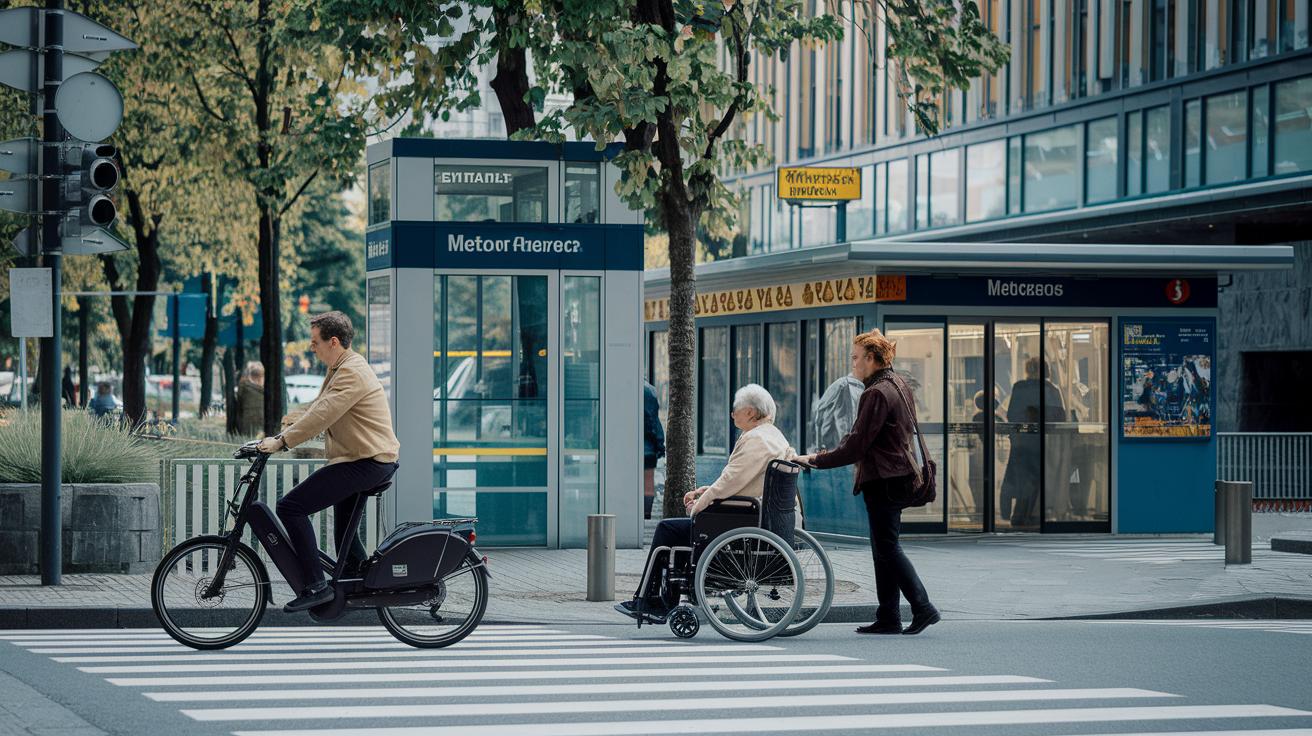
Urban mobility is changing fast as cities update their transit rules to meet new commuting trends, post-pandemic needs, and sustainability goals. Policy makers are rethinking old transport regulations to support options like e-bike sharing. For example, partnerships with companies such as Yulu in Bengaluru, Delhi, and Mumbai show that linking smart transit systems with metro services can boost efficiency. At the same time, these new rules must support older adults, people with disabilities, and low-income groups. Working together, the public and private sectors are smoothing permit processes and setting clear guidelines for speed, parking, and helmet use to improve safety.
City Planning Policies
Cities are redesigning streets and adjusting zoning rules to create environments that support micromobility. Municipal efforts now include dedicated lanes that keep bikes and scooters separate from car traffic. These changes improve safety and help urban areas welcome more shared vehicle use. Urban planners are also reviewing parking and docking standards to accommodate high-demand transit zones without disrupting existing traffic flows.
Legislative Reforms and Enforcement
New permit systems now incorporate clear speed limits along with helmet and parking rules. These measures are designed to match the quick pace of on-demand transit services. Authorities use innovative monitoring methods to catch and fix issues fast, ensuring that both riders and pedestrians are protected in busy urban settings.
Equity and Digital Access
Efforts to make shared mobility fair for everyone are gaining ground. Cities are installing kiosk-based access points, launching subsidy programs, and increasing community outreach. These initiatives aim to reduce digital barriers and extend the benefits of micromobility to underserved groups, ensuring that transit improvements are both sustainable and inclusive.
Safety Enhancement, Technology Integration, and Data Analytics in Micromobility
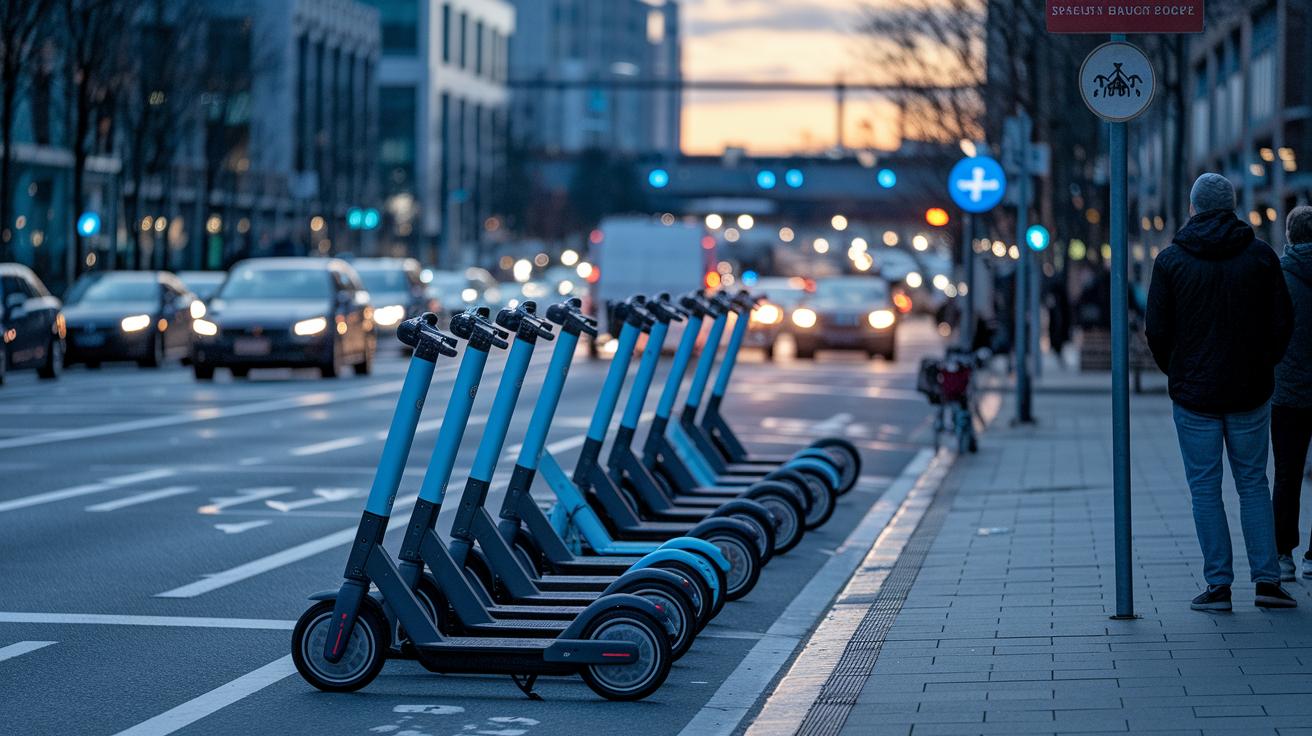
Tech advances are reshaping how cities keep urban micromobility safe. New technology helps cities tackle risks like vandalism, accidents, and poor fleet management. In busy urban areas, connected vehicles and sensor networks offer real-time tracking and can spot incidents from afar. These tools let cities combine fast responses with methods that predict problems, keeping shared bikes and e-scooters safe and reliable.
- IoT sensor networks in vehicles
- GPS-based real-time tracking
- Predictive maintenance algorithms
- Adaptive traffic signal integration
- AI-powered demand forecasting
- Remote incident detection and response
Analytics turn raw data into clear, actionable steps. Predictive analytics help operators distribute fleets effectively and plan maintenance before issues grow. Cities like Paris and Berlin already use traffic signals that adjust to real-time conditions, which improves flow and safety. This data-driven method cuts downtime and costs while boosting rider confidence. By merging real-time data with smart traffic systems, urban mobility providers can spot challenges early and act fast to keep both riders and pedestrians safe.
Sustainable Micromobility Transit and Emission Reduction through Electric Propulsion
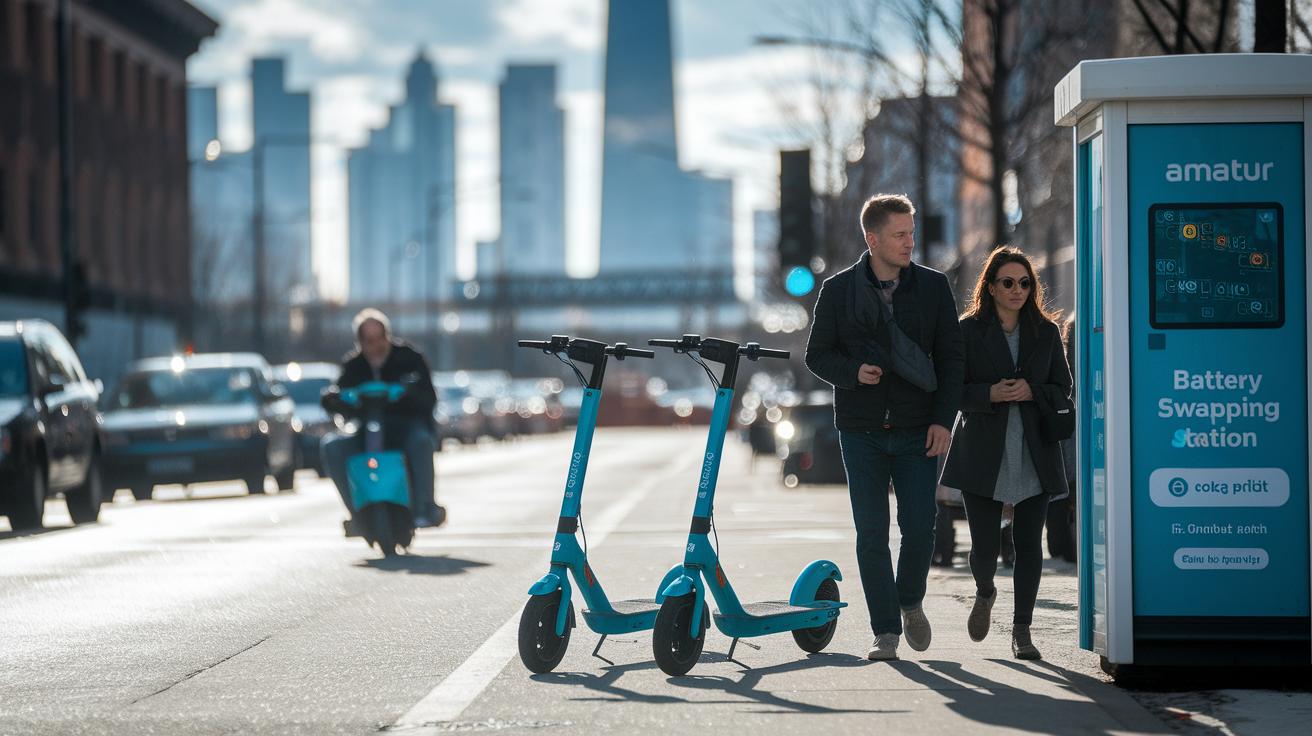
Recent data shows that many cities see a 30% drop in vehicular emissions when they switch from gas to electric micromobility systems. Electric propulsion is reshaping urban transit by cutting harmful emissions and lowering operating costs. E-scooters with swappable batteries emit 10% to 33% less CO₂ per passenger-mile than traditional gas vehicles. Their electric motors need fewer moving parts than combustion engines, which means lower maintenance expenses. This clean energy shift helps cities stick to tougher environmental rules without raising transit costs.
Modern battery performance is also key to these gains. Today's batteries let vehicles travel between 20 and 60 miles on a single charge, giving operators more flexibility in busy urban areas. Fast-charging stations are being set up to reduce downtime and improve turnaround. In addition, linking micromobility services with light rail networks can stretch transit coverage without the need for major construction, keeping urban travel efficient and sustainable.
Financing Models, Economic Incentives, and Ridership Growth in Urban Micromobility

Investors are showing strong confidence in micromobility. Since 2017, startups have raised $14 billion in global equity funding. Analysts now expect US market value to hit between $200 billion and $300 billion by 2030, while the global market could reach around $202.42 billion. These figures underline the promise for increased ridership and better urban transit, attracting many venture capitalists and strategic investors, including those from global emerging markets.
Operators are exploring multiple pricing models to boost revenues. They use pay-per-ride, subscription, and hybrid pricing to meet a range of customer needs. Public grants, tax credits, and brand partnerships also help lower costs and speed up projects. This blend of funding and diverse revenue streams creates a flexible financial setting. It lets micromobility ventures improve cash flow and expand their reach while keeping fares competitive.
Economic incentives and demand forecasting are key to efficient operations. Providers now use real-time data to predict busy periods and adjust fleet placement. This practical approach not only boosts efficiency but also helps urban transit authorities adapt policies faster. By linking pricing to customer trends, micromobility companies can grow ridership and strengthen their position across city centers.
Case Studies: Metropolitan Revitalization and Best Practices in Micromobility Infrastructure

Cities are rethinking transit by including micromobility options in urban plans. Real examples show that when public and private groups work together, congestion drops, car use shrinks, and more people choose to ride. These case studies highlight how technology like sensors, unified mobility platforms, and clear partnerships can reshape urban spaces and support smooth first-mile and last-mile trips.
Paris and Berlin IoT Deployments
Paris and Berlin have set a strong example by installing sensor networks that track pavement conditions and manage traffic patterns. These digital mapping systems quickly spot road wear and help fix issues to keep the micromobility network safe. Their efforts have boosted rider safety and allowed fast adjustments during pilot projects that cut traffic and raise ridership.
Bengaluru and Indian Metro Partnerships
In Bengaluru and other Indian cities, metro authorities have teamed up with e-bike operators to solve the first-mile and last-mile problem. By working closely and using smart transit systems, these partnerships have made it easier for people to travel without needing a car. Similar approaches in Delhi and Mumbai show that better connected networks can shift urban design from car-focused to people-focused.
California Bay Area Transit Integration
The California Bay Area has blended micromobility with public transit using a unified Mobility as a Service platform. This system brings different transit options together in one simple experience, making transfers smoother and boosting overall transit use. The data shows that ridership has increased as traffic congestion falls. This success offers clear lessons for urban planners looking to support sustainable travel options.
Final Words
In the action, the article traced urban growth pressures and spotlighted micromobility’s role in easing first- and last-mile challenges. It reviewed market trends, safety and tech enhancements, and evolving regulatory frameworks that shape city transit.
The piece highlighted real-world examples and evolving funding models that support cleaner, cost-effective travel. These insights emphasize challenges and opportunities in urban micromobility infrastructure. The forward momentum in innovation offers a bright outlook for transforming transit in growing cities.
FAQ
What is micromobility?
The micromobility concept refers to lightweight transportation options like shared bikes and e-scooters. These solutions offer cost-effective short-distance travel and reduced emissions while lowering infrastructure expenditure.
What are the challenges and opportunities in urban micromobility infrastructure?
The micromobility infrastructure faces challenges such as limited bike lanes and docking sites, yet opportunities exist through data-driven planning, improved safety measures, and strategic placement of charging points to enhance network reliability.
How does micromobility improve public transit integration and city sustainability?
The integration of micromobility with public transit strengthens first-mile/last-mile options, easing congestion and lowering emissions. This synergy supports sustainable urban development while providing efficient, low-cost travel alternatives.
How are data-driven approaches assessing micromobility’s sustainability benefits?
Data-driven methods evaluate micromobility’s sustainability by measuring its lower carbon footprint, improved energy efficiency, and positive impact on easing urban congestion against traditional vehicle use in busy cities.
What does current research say about safe micromobility infrastructure?
Current research on micromobility safety emphasizes adaptive city planning, enhanced pavement durability, and the use of IoT sensors. These measures aim to reduce operational risks like vandalism and theft while ensuring rider safety.
What is the current state of the micromobility industry?
The micromobility industry is experiencing rapid growth, driven by rising urban demand. With projections reaching high market valuations by 2030, it is transforming short-distance transit through innovative integration with public transportation.