


Ever wonder if small bets can reveal big events? Prediction markets let everyday people place simple yes-or-no bets. They work by using basic supply and demand (the natural push and pull between buyers and sellers) to turn crowd guesses into clear insights. These markets assess outcomes across a range of events, from sports to economic targets, and offer a new way to forecast. This fresh approach is changing the way we predict the future and giving decision makers a powerful tool for action.
Mechanics and Applications of Prediction Markets
Prediction markets use market-driven probabilities to forecast future events. They work with event contracts that settle in a simple yes or no outcome based on the result. For example, a contract might pay out if a company reaches its quarterly revenue target or not if it misses that goal. Since fall 2024, these markets have gained traction in the U.S., drawing traders who rely on both expert insights and crowd wisdom.
At their heart, prediction markets depend on the basic law of supply and demand to measure the likelihood of different outcomes. When contracts cover events like elections, weather conditions, sports matches, or even key economic indicators like GDP growth, the price of the contract reflects what the market expects. If traders bet on a very close election, the contract price shows the combined view of many participants, giving a real-time sense of market sentiment.
Platforms such as Manifold Markets illustrate how these markets have advanced. They mix traditional trading strategies with new algorithms that update event probabilities continuously. By tapping into crowd wisdom, prediction markets provide decision-makers with agile tools that often outperform methods based only on polls or expert analysis. This evolution has changed how people value real-world events and has become important for both financial trading and regulatory insights.
Key Platforms and Models in Prediction Markets

Prediction markets now offer a range of options that span from sports-based forecast exchanges to formal derivatives platforms. Sportsbooks and fantasy sports operators have even adopted event contracts that work much like outcome trading platforms. A surprising fact: traditional sportsbooks, once focused solely on direct head-to-head bets, have evolved to offer contracts that mirror financial trades, merging game strategies with trading insights.
Many of these contracts still depend on human judgment to decide when payouts occur. Still, more venues are using algorithm-based models to speed up decisions and improve accuracy. Banks, broker-dealers, asset managers, and derivatives exchanges see these new platforms as opportunities for growth, even as they introduce fresh strategic challenges amid shifting market dynamics.
Forecast exchanges are notable for their quick updates based on live betting behavior. Meanwhile, outcome trading platforms add value by linking contracts to measurable events like sports scores and key economic milestones. This combination of manual event contracts and automated systems creates a hybrid environment where traditional methods merge with digital innovations. Traders are now balancing human decision-making with the precision of algorithmic models to capture evolving market insights.
Regulatory and Ethical Considerations in Prediction Markets
Market operators now face the challenge of balancing trading with gambling. They often turn to the CFTC for oversight while also working to meet SEC rules. This creates a complex legal landscape where regulators strive to keep markets fair and protect consumers without stifling innovation.
KPMG helps clients navigate the overlapping requirements from the CFTC and SEC. They conduct cost-benefit analyses to decide if launching new event contracts is sensible under current laws. Their work also involves boosting risk management and refining compliance practices with input from former regulators and industry professionals.
Key areas under review include:
- Compliance framework reviews: Evaluating internal processes to ensure they meet legal standards.
- Legal framework studies: Clarifying how event contracts align with financial trading rules.
- Risk management techniques: Protecting market participants from potential vulnerabilities.
- Regulatory audit reports: Checking adherence to CFTC and SEC guidelines.
For instance, a firm might review its internal policies against current CFTC practices. Just like a pilot does pre-flight checks, companies need to verify that all processes align with regulatory expectations.
Ethical issues focus on transparency and fairness. Regulators work to prevent market manipulation and maintain trust among participants while still fostering innovation.
For detailed compliance approaches, see Financial Regulation and Compliance.
Comparing Prediction Markets with Traditional Forecasting Methods
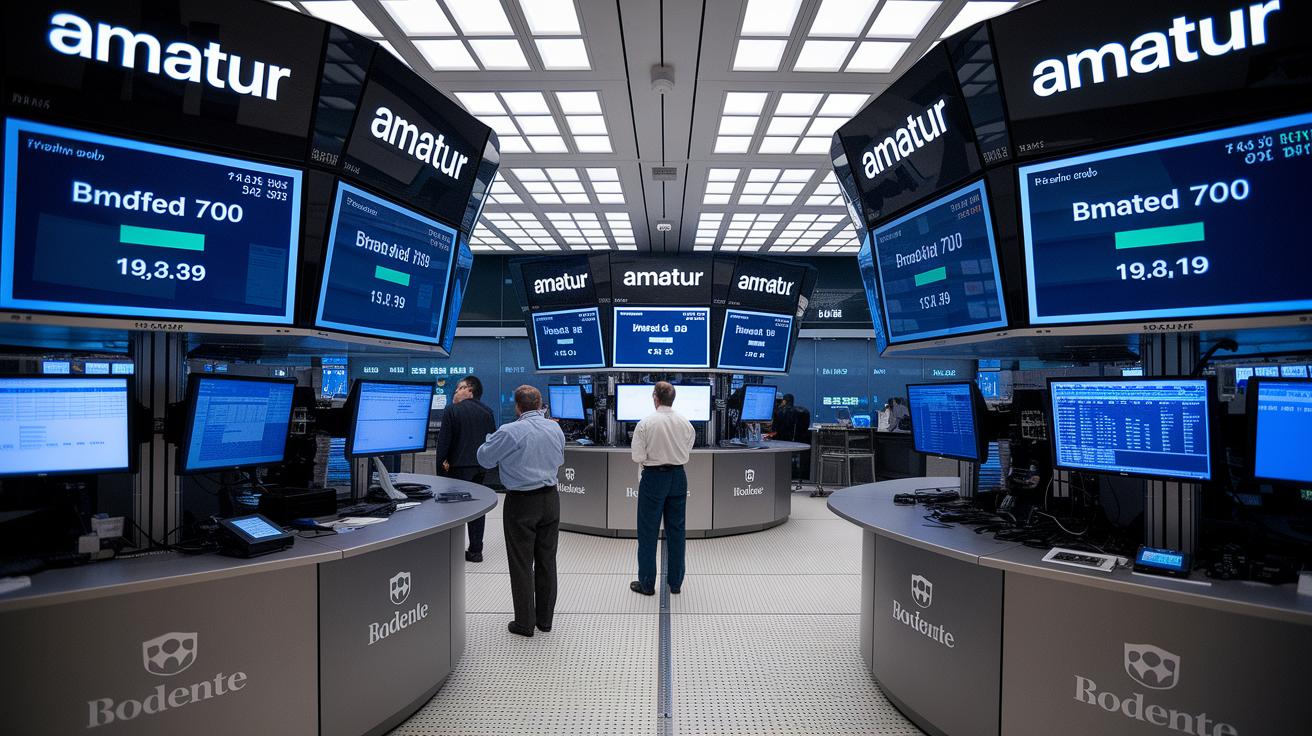
Prediction markets trade contracts that update instantly with new information. Their prices reflect what many people believe will happen. In contrast, polls and expert forecasts are slower. They can take days or even weeks to adjust.
Prediction markets deliver quick updates. When sudden events happen, prices change within minutes. For instance, during an unexpected change in economic policy, market estimates shifted rapidly while polls took days to catch up.
These markets are also cost efficient. Traditional polls need large budgets for data collection and analysis. Prediction markets depend on individual traders risking their own money. This setup makes each bet more careful and aligned with accuracy.
The two approaches differ in their incentives. Expert forecasts may favor caution due to reputational concerns. On the other hand, financial exposure in prediction markets encourages bolder, more accurate bets.
Key benefits include:
- Speed: Rapid, real-time updates versus the delayed cycle of traditional methods.
- Cost: Lower overhead from market transactions compared to expensive polling.
- Incentives: Financial risk drives more precise betting, reducing expert bias.
Overall, while traditional methods rely on deep analysis and expert views, prediction markets use crowd wisdom to offer agile, market-tested forecasts.
Prediction Markets Spark Bold Forecasting Insights
Industry leaders and academic projects like the Blockchain and Digital Asset Project are pushing prediction markets into new territory. Tokenized event contracts are now common. They support decentralized forecasting systems that improve both transparency and security. In these systems, participants trade outcome tokens on an unchangeable ledger, reducing the need for centralized platforms.
Advanced forecast models update in real time. They process large amounts of data, including social media sentiment and key economic figures. For example, if a trader notices a spike in online discussions about a policy change, the models quickly adjust their predictions.
The mix of human judgment and modern technology is driving bold new forecasting insights. Decentralized systems not only build trust among users but also increase liquidity and participation. Meanwhile, improved models combine big data analysis with traditional expertise to expand market capabilities.
Many platforms now offer both manual event contracts and automated models. This hybrid approach gives users a balanced trading environment by merging experienced traders' intuition with the speed of digital tools. This setup helps capture market shifts as they happen.
Case Studies: Prediction Markets in Action
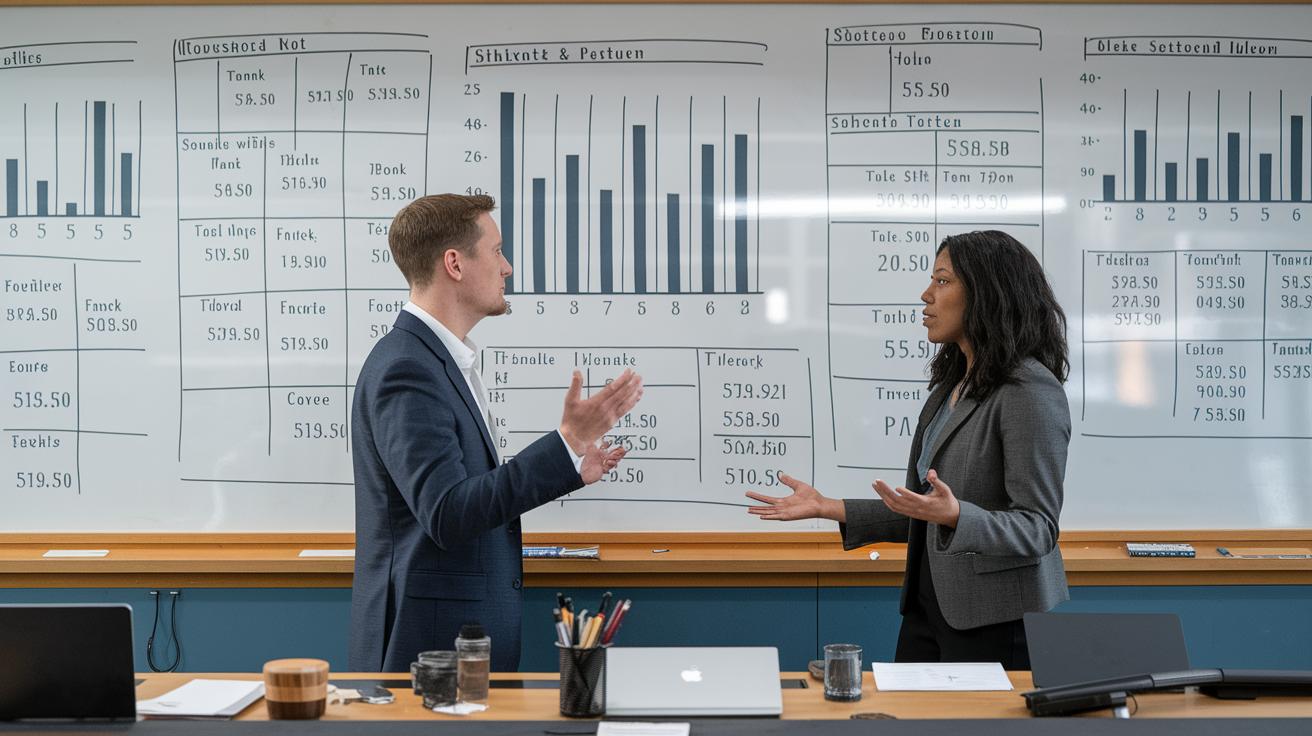
Prediction markets in the U.S. have moved from theory to real steps. In the 2024 election cycle, platforms tracked election odds as participants reacted to live exit polls, debates, and voting trends. One notable example saw a platform update its probability within minutes after a key debate moment.
Weather markets show similar real-money dynamics. These platforms update continuously as forecasts change and storm patterns shift. This gives traders a clear view of risk and early signals of weather changes.
Live sports markets also bring prediction markets to life. As games progress, odds change quickly with score changes and shifts in momentum. This mix of fan sentiment and live outcomes blends betting with market forecasts.
Key examples include:
• Election markets that mirror shifting voter behavior.
• Weather markets that adjust with live data.
• Sports markets that capture game-time dynamics.
Each example shows how prediction markets provide ongoing, practical measures of event outcomes.
Final Words
In the action, the post broke down how prediction markets work, from binary event contracts to real-world applications in elections, sports, and economic forecasts. It examined key models, compared traditional forecasting methods, and outlined evolving regulatory and ethical frameworks. The discussion also spotlighted emerging trends in decentralized and tokenized market setups. Prediction markets offer a clear edge in real-time, market-driven assessments that can inform smart strategic moves. As the sector advances, expect more opportunities to harness crowd wisdom in shaping better business decisions.
FAQ
Frequently Asked Questions
List of prediction markets
The list of prediction markets includes platforms such as Manifold Markets alongside decentralized and traditional outcome trading sites, all facilitating binary event contracts on topics from elections to sports.
Prediction markets crypto
Prediction markets crypto refers to blockchain-based platforms that trade tokenized event contracts, offering transparency, faster transactions, and lower entry barriers for participants.
What are the best prediction markets?
The best prediction markets excel in liquidity, ease of use, and diverse event offerings. They employ real-time pricing and advanced algorithms to provide reliable probability estimates for various outcomes.
Prediction markets Reddit
Prediction markets Reddit points to online communities where users discuss market dynamics, share trading tips, and analyze trends within various prediction market platforms and strategies.
Prediction markets betting
Prediction markets betting blends financial trading with betting, allowing users to wager using event contracts on measurable outcomes such as sports results or political events.
Prediction markets Robinhood
Prediction markets Robinhood highlights discussions about incorporating prediction market features into trading platforms, though Robinhood itself does not offer dedicated prediction market products at this time.
Prediction markets app
Prediction markets app describes mobile applications that let users trade event contracts conveniently. These apps deliver real-time updates and an accessible interface for trading outcome-based contracts.
Prediction markets Kalshi
Prediction markets Kalshi refers to a platform known for trading real-world event contracts with regulatory oversight, offering a structured environment that differs from traditional gambling.
What are prediction markets?
Prediction markets are platforms where participants trade event contracts based on binary outcomes. They generate real-time market probabilities for events like elections, economic indicators, and sports competitions.
Are prediction markets legal in the US?
A review of US regulations shows prediction markets are legal when they adhere to guidelines set by regulatory bodies like the CFTC and SEC, which ensure proper oversight and risk management.
How are prediction markets not gambling?
The mechanics of prediction markets focus on informed trading and market dynamics rather than chance, distinguishing them from gambling because they apply analytical frameworks and regulatory oversight.