


Live events can often leave remote attendees feeling disconnected. Hybrid event platforms blend in-person gatherings with online interaction to ensure everyone can participate. Companies are turning to these tools because they lower costs and widen their reach. The systems offer real-time feedback and actively engage both onsite and online guests. This blend of digital and physical experiences creates smoother, more inclusive events for all.
Hybrid Event Platform Overview and Benefits

Hybrid event platforms blend in-person and online experiences to create engaging, interactive events. Once limited to basic live streams with chat boxes, these platforms now offer rich formats that help people connect and share ideas. They let event organizers serve both onsite and remote participants smoothly, making events more inclusive and cost effective.
Leaders are choosing hybrid event solutions to enjoy a unified delivery approach that covers both physical and digital attendance. For example, in 2022, 71% of companies with over 5,000 employees hosted hybrid events. This shift is driven by a desire to cut travel costs while reducing environmental impact and expanding audience reach.
Key benefits include:
- Broader audience reach at a lower cost
- Real-time engagement for both onsite and remote attendees
- Actionable insights from analytics dashboards
- Sustainable practices that lower travel needs
- Customizable event branding and content delivery
Hybrid event platforms are a smart choice for today’s challenges. They help reduce costs by up to 30% and can double your audience reach. As technology improves and user expectations grow, these platforms will continue to offer more personalized experiences, advanced analytics, and easier integration with digital tools. This trend is set to gain even more momentum as companies find new ways to mix live and virtual event elements seamlessly.
Hybrid event platform: Empowering Seamless Connections
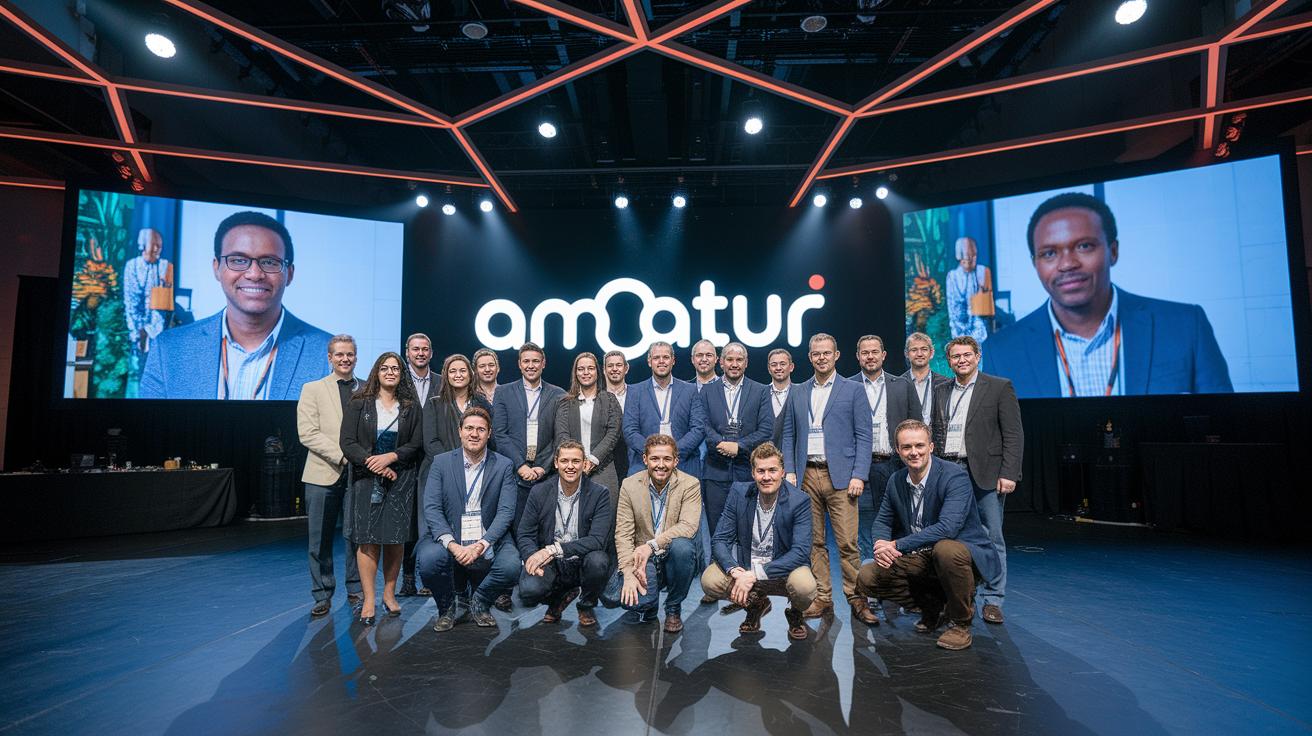
Hybrid event platforms now do more than simply stream live events. They mix live broadcasting with tools for real-time feedback, so everyone from in-person guests to online participants feels part of the conversation. These systems support different streaming models such as true hybrid, hub-and-spoke, and on-demand channels. They bring people together with features that work across all formats.
Here are eight key features that make these platforms succeed:
- Custom live and on-demand streaming
- Integrated chat, Q&A, and polling
- Branded expo halls and virtual booths
- Breakout rooms with moderator controls
- AI-driven attendee matchmaking
- Attendee tracking and lead capture
- Instant analytics and reporting (platform analytics)
- Deep CRM and marketing-automation integration
By combining strong live and on-demand streaming with interactive tools, these platforms help keep everyone engaged. Features like breakout rooms and controlled session moderation ensure that each participant can interact actively. Plus, detailed analytics and CRM integrations give organizers fast insights to fine-tune engagement strategies. The result is an event where both onsite and remote attendees enjoy a smooth and interactive experience.
Integration Capabilities and Technical Requirements for Hybrid Platforms

Modern hybrid platforms bring together various digital tools to create one seamless system for running events. They support cross-channel marketing and work from the cloud while powering features for remote participation. These platforms connect with tools like Salesforce, Marketo, HubSpot, and Eloqua to simplify everyday tasks. They need a minimum 5 Mbps upload per stream and usually run on cloud services such as AWS or Azure.
APIs also help sync calendars and video conferencing tools, which makes event management smoother and boosts efficiency. Security is equally important. Platforms use single sign-on (SSO) protocols and encrypt stored data to keep information safe. They also follow standards like GDPR and CCPA to protect sensitive details.
| Integration Type | Minimum Requirement |
|---|---|
| CRM (Salesforce) | OAuth 2.0, API key |
| Video API (Zoom) | SDK, 5 Mbps upload |
| Marketing Automation (Marketo) | Webhook, TLS encryption |
Pricing Models and Budget Planning for Hybrid Event Platforms

Hybrid event platforms provide a range of pricing options so event planners can find the right fit for their event size and schedule. Organizers might pay per attendee, opt for a flat monthly fee, or go with custom-priced enterprise packages. Some models even charge extra for additional storage and bandwidth. These choices help you control costs and compare options to meet both your budget and your event goals.
| Model | Price Range | Best for |
|---|---|---|
| Per-Attendee Pricing | $15–$50 each | Small to mid-sized events |
| Flat Monthly Subscription | $500–$5,000 | Regular events with steady attendance |
| Enterprise Quote | Custom pricing | Large events with over 5,000 participants |
| Overage Fee Structure | Varies by usage | Events with unpredictable traffic |
When planning your budget, remember that some pricing models may include extra fees for bandwidth and storage. It is a good idea to review tier charts from providers like Bizzabo and EventMobi, and compare them with custom quotes from SpotMe and Hopin. This approach helps ensure you measure return on investment against the overall value and features each platform offers.
User Interface and Attendee Experience in Hybrid Event Platforms

Event planners have noticed that a clear, easy-to-use interface can change the way participants interact with hybrid events. Platforms like Whova and Swapcard earn high marks on G2 because their clean designs boost engagement right away. A simple layout cuts the learning curve and makes it easy for users to join live sessions, hear from speakers, and use interactive features.
Modern interfaces do more than help you navigate. They also offer tools that make taking part in events straightforward and enjoyable. Drag-and-drop session planners, one-click virtual check-ins, and mobile apps with live alerts simplify managing schedules and attendee information. AI-driven matchmaking and social networking feeds further improve connections among participants. Together, these features create a powerful engine that keeps the event interactive.
- Drag-and-drop event builder
- Personalized attendee agendas
- One-click virtual check-in
- Mobile apps with live alerts
- AI-powered meeting suggestions
- Social-style networking feeds
Comparing Leading Hybrid Event Platforms

Hybrid event platforms now offer robust tools to manage sessions and breakout rooms. Decision-makers compare these solutions side-by-side to find the best fit. The table below highlights key features, capacity limits, and G2 user ratings.
| Platform | Key Strength | Maximum Capacity | G2 Score |
|---|---|---|---|
| SpotMe | Trusted event tech in life sciences | Custom, large scale | 4.6 |
| Bizzabo | Simple and intuitive design | Varies, from small to large | 4.5 |
| EventMobi | Highly customizable with flexible features | Handles high attendance | 4.4 |
| Hopin | Scalable with integrated interaction tools | 50–50,000 | 4.2 |
| BigMarker | Strong support for webinars and interactive sessions | Up to 10,000 | 4.3 |
| ON24 | Delivers consistent engagement in hybrid spaces | Varies considerably | 4.2 |
| VFairs | Ideal for large-scale expos and trade shows | Large-scale events | 4.7 |
When choosing a platform, balance its features with the event's capacity needs and user experience. The table above offers a quick glance for planners looking to match a platform's strengths to their event goals. Consider aspects like track record, ease of use, scalability, and integration with existing tools. This snapshot helps you focus on solutions that deliver reliable sessions and boost audience engagement.
FAQs on Choosing a Hybrid Event Platform

-
How can I set up breakout rooms?
Use your platform’s moderator controls to arrange and manage breakout rooms. Before your event, test the room assignments, set time limits, and check that screen sharing and chat work properly. -
What internet speed is required?
You need an upload speed of at least 5 Mbps for clear, stable streaming. Test your network ahead of time to avoid disruptions during live sessions. -
How do I gather live feedback?
Most platforms include built-in polling and Q&A tools that let you collect real-time feedback. Use these features to capture attendee reactions and adjust your event as needed. -
Can I integrate post-event surveys?
Yes, many platforms have feedback tools that let you send customized surveys after the event. This helps you understand attendee satisfaction and find improvement areas. -
What support options are available?
Top platforms offer round-the-clock support through live chat, phone, and email. This 24/7 assistance helps tackle any issues promptly, ensuring your event runs smoothly.
Implementation Best Practices for Hybrid Event Platforms

Start with a clear four-week rollout plan. In week one, focus on setting up the platform and preparing the tech. In week two, train your team so everyone understands how the system works. Week three is all about run-throughs to test every feature, like the two-day pilot run recently done by GSK. In week four, offer live support during the event with a 24/7 technical helpline for quick problem solving.
- Define use cases and event formats
- Assign roles and schedule training sessions
- Conduct rehearsal run-throughs
- Set up clear support escalation paths
- Monitor live performance metrics
- Gather post-event feedback for future improvements
Regular quality checks at each stage help secure the success of the plan. Constantly review performance data and feedback. This steady approach not only improves technical operations but also builds a strong playbook for future events.
Final Words
In the action, the blog broke down how a hybrid event platform brings online and physical experiences together, driving better engagement and cost efficiency. It covered core benefits, essential features, technical integrations, pricing models, and user experience. The analysis also compared top platforms and answered FAQs while offering a clear roadmap for implementation.
The post gives decision-makers actionable insights to guide strategy and investment in hybrid event platform solutions. There's a bright future ahead for platforms that blend these powerful capabilities.
FAQ
How do I log in to a hybrid event platform?
The hybrid event platform login requires user credentials provided during registration. It typically features secure access and may include multi-factor authentication for additional data protection.
What are the pricing models for hybrid event platforms?
The hybrid event platform pricing can include per-attendee fees, flat subscriptions, or custom enterprise quotes. Providers often vary, so comparing options helps in meeting your event’s size and feature needs.
Is there a free option for hybrid event platforms?
The hybrid event platform free offerings often include trial periods or limited functionality versions. These options allow you to test core features before committing to a full-scale solution.
What are the offerings and demo options available for Zoom events?
The Zoom event platform encompasses integrated event management features. Zoom Events, the Zoom Events hub, and available demos provide hands-on exploration of live event management and technical capabilities.
How do virtual event platforms differ from hybrid event platforms?
The virtual event platforms focus solely on online events, while hybrid event platforms combine in-person and online participation. This blended model increases flexibility and engagement for diverse audiences.