


Ever wonder if you really need to own a car? Shared mobility is changing daily commutes by letting you access a car only when you need one. Companies can also reduce costs with flexible fleets.
There are four key business models driving this shift: B2C, B2B, peer-to-peer, and public/private partnerships. In this post, we explain how each model works and what impact they have on city life. This clear look at shared mobility reveals the innovations reshaping our travel choices.
Overview of Shared Mobility Business Models
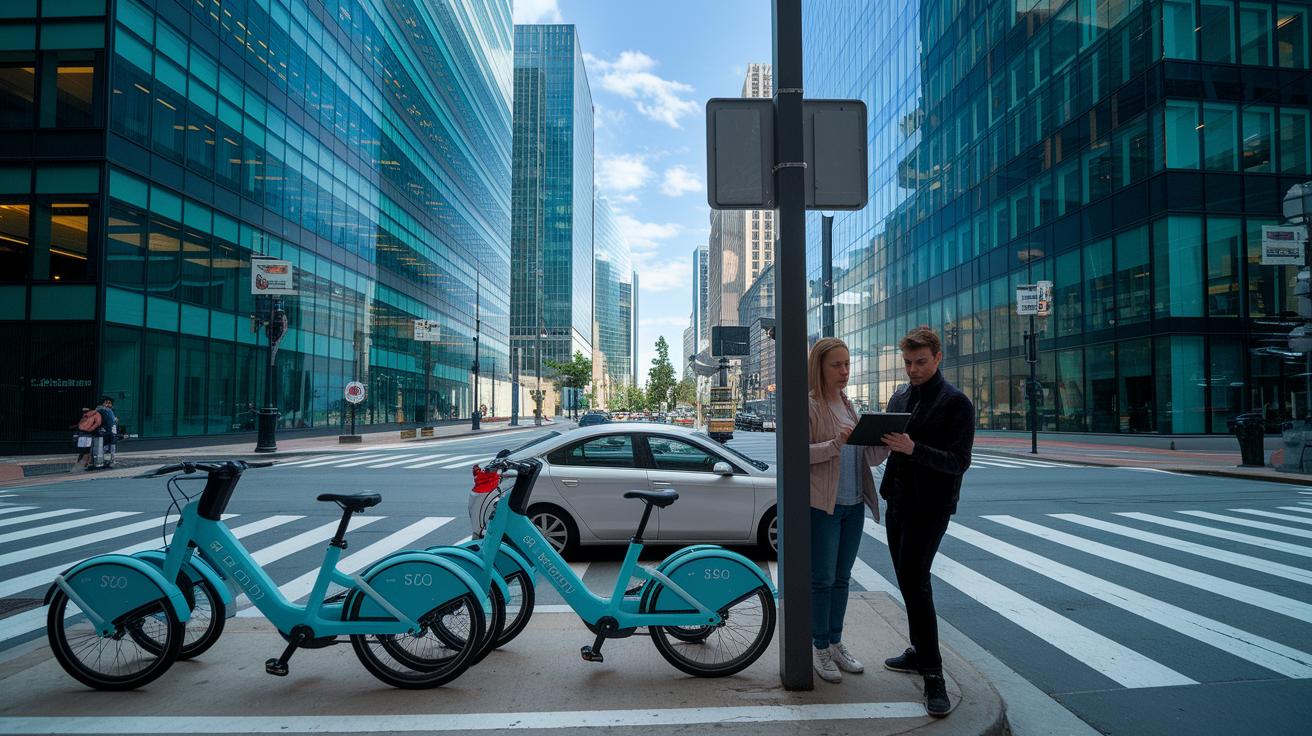
Shared mobility lets people use vehicles, bikes, and more without owning them. It offers short-term, on-demand rides that change how cities move. In 2021, the market was worth USD 96.01 billion and is expected to grow at an 8.1% annual rate until 2030.
There are four key business models in this space. The first is the B2C model. This "A to B" carsharing service lets users find a vehicle quickly. Some companies in this area, like those noted at https://sharingeconom.com?p=401, expect their revenue to grow from USD 12,947 million in 2022 to USD 16,522 million by 2026.
The second model, B2B, focuses on corporate clients. These companies use shared mobility to manage vehicle fleets more efficiently and cut costs. The third model is peer-to-peer (P2P). Private car owners can rent out their idle vehicles to earn extra income.
Finally, Public/Private Partnerships combine government efforts with private operators. In these partnerships, both sides share costs and risks to improve community transportation.
Imagine a commuter who taps a car to get to work without the hassle of long-term ownership. This example shows why shared mobility is becoming a popular and practical choice for many urban travelers.
Key Shared Mobility Model Types and Revenue Streams

Shared mobility services hit their stride when they sync with a city’s pace and layout. In bustling downtown areas, the B2C approach works well. Companies like ekar strategically place vehicles in busy spots to capture demand during lunch and rush hours. They earn money from ride fees and subscriptions by keeping vehicles moving and reducing idle time. In one busy district, a single station might clock over 50 rentals during peak times.
B2B models cater to companies that need flexible fleet solutions. Providers like e-Colibri use tight scheduling and automated maintenance alerts to keep vehicles busy. Corporate clients gain from predictable costs and simplified vehicle management. For example, a company might swap out a fixed fleet for on-demand options, lowering overall expenses while matching varying work shifts.
The P2P model suits cities with a mix of car ownership. Platforms such as Turo allow car owners to rent out their vehicles, turning downtime into extra income. Challenges here include keeping up with maintenance and ensuring proper insurance. One owner mentioned that renting out a car that sits idle 70% of the time has significantly helped cover its costs.
Public and private partnerships blend government efforts with business innovations to integrate flexible travel with traditional urban transit. These partnerships work to align schedules with public transportation, and new data-sharing systems are making planning smoother and operations more efficient.
Revenue from carsharing is expected to rise from USD 12,947 million in 2022 to USD 16,522 million in 2026. Meanwhile, the Mobility-as-a-Service market could grow to USD 40.1 billion by 2030.
| Model | Description | Example | Key Revenue Streams |
|---|---|---|---|
| B2C | Carsharing and subscription services in dense urban areas | ekar, Zygg, cargovelo2go | Ride fees, subscriptions |
| B2B | Fleet solutions for businesses with automated scheduling and maintenance | e-Colibri | Contract charges, leasing fees |
| P2P | Platforms that let car owners rent out their idle vehicles | Turo | Rental income shares |
| Public/Private Partnerships | Collaborations between local governments and private providers | Local pilot programs | Subsidies, fare revenue |
Pricing and Partnership Frameworks in Shared Mobility
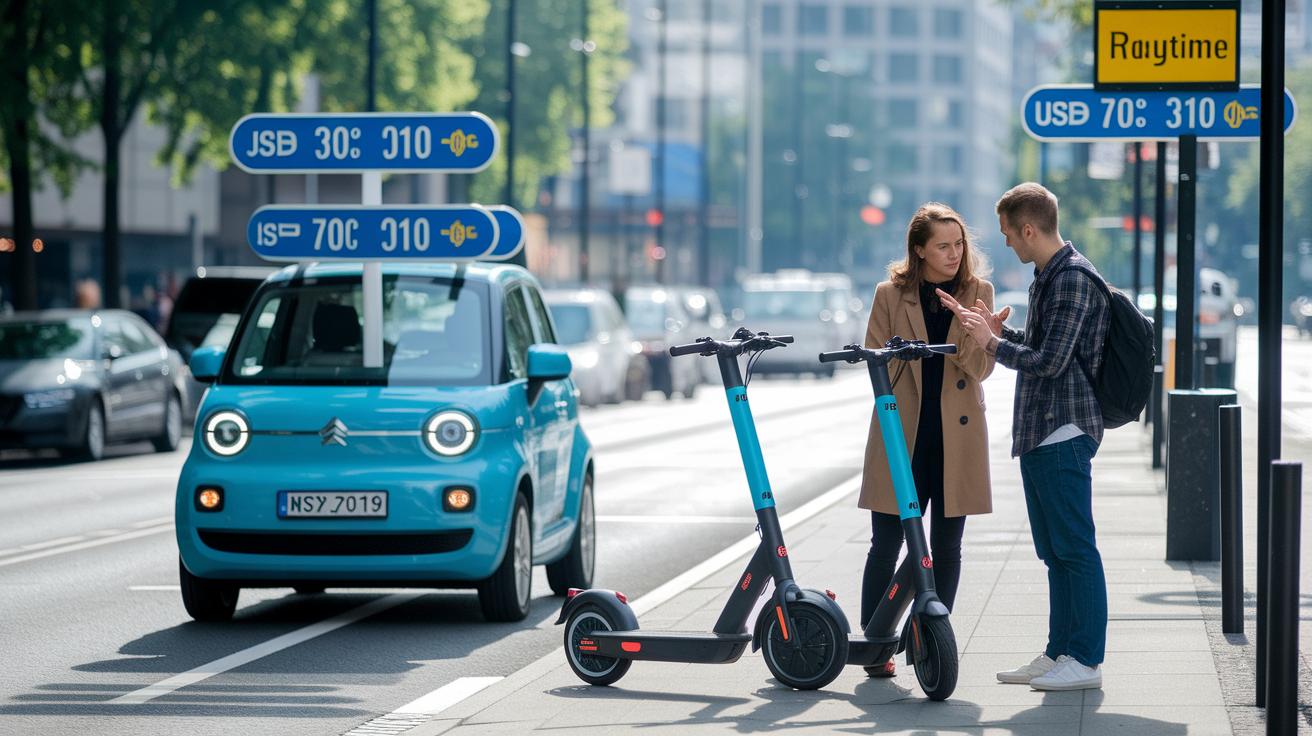
Shared mobility providers use a blend of subscription fees and usage charges to offer both steady costs and flexible options. For example, carsharing services generally charge an annual fee of USD 30 to 70, plus hourly fees from USD 3 to 11 and per-mile fees that may start at zero and go up to 50 cents. Micromobility services often offer unlimited ride passes costing about USD 100 to 160 monthly or annually.
Software partners support these revenue models with different pricing structures. In the RevShare model, a software provider earns a percentage of sales, tying its income directly to the operator’s revenue. This approach may face challenges during periods of lower rider demand. The Franchise model allows operators to purchase a brand’s trademark and operational processes, though it restricts asset ownership. In the Subscription model, operators pay a fixed retainer (sometimes with additional modular features) to access the software, which separates the cost from the number of rides. Wunder’s approach is a good example: they charge a monthly retainer that varies with the number of active vehicles, much like renting software on a flexible usage basis. Each pricing tier is designed to meet specific operational needs and risk profiles, so businesses can choose a framework that aligns with their growth and market strategies.
Technology and Operational Structures in Shared Mobility Business Models

Platform Software Features
Operators today rely on smart digital tools to stay competitive in our tech-driven world. White-label mobile apps help brands deliver a consistent customer experience. Integrated payment gateways make transactions quick and secure. Telematics and data dashboards provide real-time fleet tracking and simple analytics so operators can adjust services on the fly. This software works as part of a broader digital ecosystem that supports growth and scale.
Essential Planning Steps
Starting a shared mobility service needs a clear and detailed plan. Operators must get federal, state, and local regulatory approvals to run their services legally. They also perform market assessments to spot the best locations and understand user demand, reducing the risk of costly errors. Pilot programs, like organized demo days, offer real-world feedback and help fine-tune the service before a full rollout. These steps balance innovation with compliance to ensure a reliable shared fleet.
Common Launch Pitfalls
Launch challenges can disrupt even well-planned business models. Not having enough vehicles, as seen in PSA’s Berlin carsharing project, can leave operators unable to meet rider demand. Flaws in integrating key assets, such as problems with dock or e-bike setups seen with Breeze Bike Share, can also hurt operations. Additionally, overlooking user convenience and proper infrastructure, as happened with Vélib in Paris, often leads to a poor customer experience. Spotting these pitfalls early helps shared mobility providers build more resilient and efficient services.
Impacts and Case Studies of Shared Mobility Business Models

Shared mobility helps cut greenhouse gas emissions. Research shows one carshare vehicle can replace 7 to 11 private cars, and up to 13 in round-trip models, reducing emissions by around 30%. For example, bikesharing emits only 9.6 g CO2e per kilometer, compared to 259 g CO2e/km for petrol cars. In one pilot program, one shared vehicle offset the emissions of 10 private cars during peak travel times.
The economic benefits are clear. In Bremen, the city saved between €60 and €95 million (about CAD 86–136 million) by reducing investments in parking infrastructure. These savings help lower urban congestion and cut costs linked to private car ownership and parking.
Case studies back up these claims. Volvo Car Mobility’s sustainability reviews show that optimizing fleet management can significantly decrease pollution. In Denver, B-Cycle’s system prevented roughly 1 lb of CO2 emissions per mile driven, underlining the impact of smart planning.
Social benefits also emerge. Shared mobility reduces the need for personal cars and expands access to transportation, fostering community connections. Still, setbacks from services like DriveNow, Kelowna e-scooters, and car2go highlight issues with regulations and infrastructure. Each challenge offers valuable lessons for improving these systems.
Overall, shared mobility delivers environmental, economic, and social gains while guiding future urban transit models toward greater resilience.
Final Words
In the action, the article detailed shared mobility business models by outlining market size, key revenue forecasts, and model types. It broke down pricing, software features, and operational planning while highlighting pitfalls to avoid.
Real-world case studies and data show how these models impact the environment and local economies. Shared mobility business models explained here offer a clear guide for making fast, smart decisions in a competitive market.
FAQ
What is a shared mobility concept?
The shared mobility concept signifies temporary access to transport instead of owning a vehicle. It includes ride-sharing, car-sharing, and bikesharing, promoting efficiency and lower emissions.
What are the primary shared mobility business models?
The primary business models are B2C station-based carsharing, B2B corporate fleet sharing, P2P peer rentals, and public/private partnerships. Each model serves unique customer needs and operational approaches.
What are the models of car-sharing?
The car-sharing models include station-based systems and peer-to-peer networks. They optimize vehicle use by allowing customers to rent cars at fixed locations or directly from individual owners.
How do consulting firms like McKinsey analyze shared mobility?
The McKinsey analysis of shared mobility evaluates market growth, technological advancements, and evolving business models, offering insights that guide strategic decisions for companies and regulators.
What does “shared use” mean in transportation?
The shared use concept refers to accessing vehicles or services on a temporary basis rather than owning them. It emphasizes cost efficiency, sustainability, and improved utilization of transport assets.
Where is shared mobility headed?
The shared mobility sector is advancing with improved technology, supportive regulations, and growing consumer interest. Future trends suggest more integrated Mobility-as-a-Service offerings and expanded market reach.
What resources are available for learning about shared mobility?
The mobility learning center provides comprehensive insights, including detailed reports on business models, pricing, technology, and revenue streams, helping industry professionals stay informed.