


Great service never happens by chance. Many leaders believe that a strong product alone will drive success. In reality, winning in the market means mastering the seven key elements of service marketing. This approach goes beyond basic ideas to show that quality service depends on balancing your offering, pricing, promotion, and team support. When you apply each element carefully, every interaction with customers becomes more memorable. Our guide outlines how these factors work together to boost your business and create lasting customer experiences.
Comprehensive Overview of the 7Ps Framework in Service Marketing
The 7Ps framework builds on the old 4Ps (Product, Price, Place, Promotion) by adding three new elements: People, Process, and Physical Evidence. Originating in the 1960s, it was updated in 1981 by Booms and Bitner. They showed that services are different from physical products because they are intangible, vary in quality, are produced and consumed simultaneously, and lose value over time.
Service marketing focuses on the entire customer journey. Every step of the process matters. Here, the "product" is more than just a physical good; it is a complete service package that can include experiences, guarantees, and ongoing support. Price goes beyond simply covering costs. It reflects the value customers see in the offer, which is vital for recovering expenses and making a profit.
Place refers to both physical locations and digital channels that provide easy access for customers. Promotion involves creating clear messages that guide customers from their first interaction to follow-up after the service. People comprise all the staff who affect a customer's experience. Process is the step-by-step method that ensures the service is delivered efficiently and consistently. Physical Evidence covers visible signals like design, digital interfaces, customer testimonials, and even uniforms that build trust and confirm service quality.
For example, in 1981 Booms and Bitner reshaped marketing theory by identifying challenges unique to services. They proved that even intangible offerings can be managed systematically to boost customer satisfaction. Together, these elements form a complete strategy that bolsters competitiveness in service-based businesses.
Service Product Strategy: First P in the 7Ps of Service Marketing
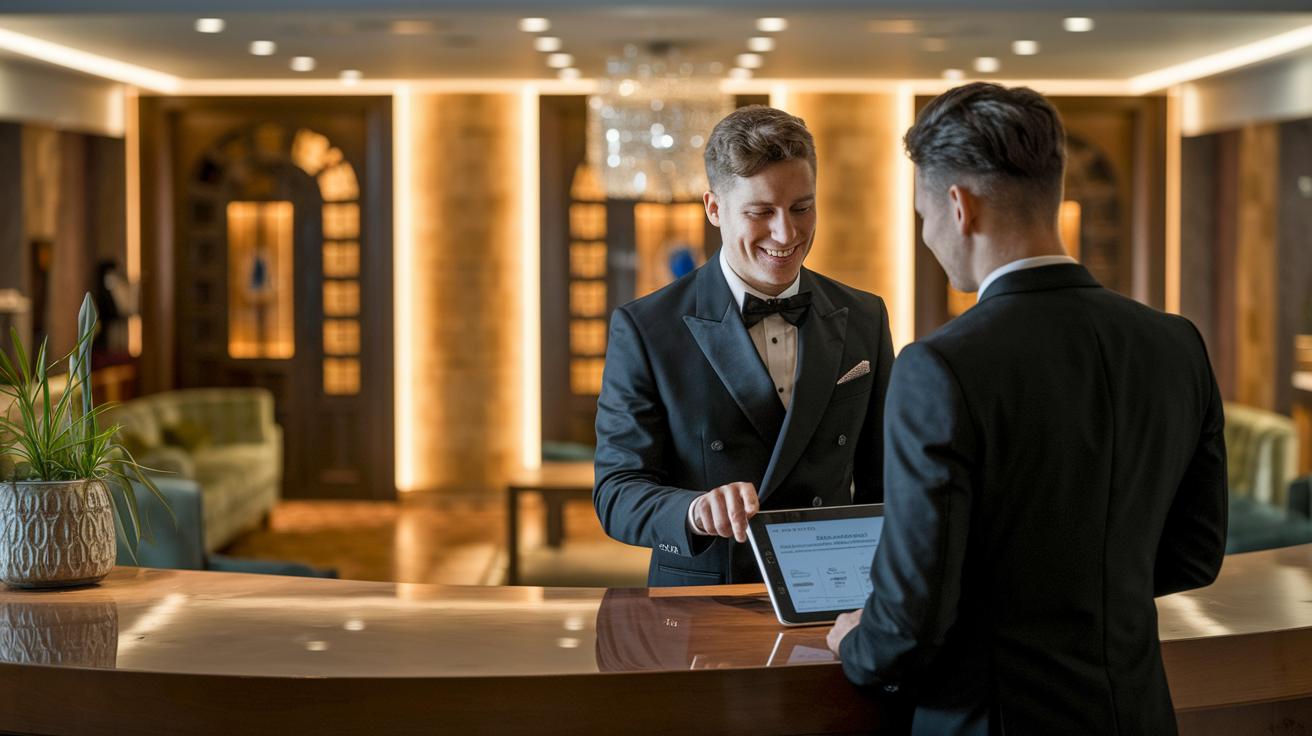
Service marketing treats the product as a core service offering rather than just a physical item. In this view, the product is a blend of benefits and supportive features, such as warranties, after-sales help, and easy-to-use apps. For example, a hotel might offer luxury concierge, digital check-in, and all-inclusive experiences to stand out in a competitive market.
Developing this strategy starts with understanding what customers need. Marketers add value by including extra features that build trust. An effective service product not only delivers its main benefit but also improves the overall experience with smart extras. Imagine booking a room online and immediately receiving special privileges through a simple mobile app. This shows how digital tools and personal touches work together to create a unique offering.
To succeed, companies must clearly communicate the key benefits and the supportive features of their service. This clear message helps build a strong story that resonates with customers and ensures a reliable and memorable experience.
Service Pricing Tactics: Second P in the 7Ps of Service Marketing
In service marketing, pricing has two main goals: covering costs and capturing the value customers see in a service. Digital agencies often use a flat-rate retainer for basic services and add extra fees for additional work. For example, an agency might charge a standard monthly fee and then bill separately when major project milestones are met.
Another popular method is dynamic pricing. This approach adjusts fees in real time based on customer demand. Think of hotels that change room rates by season or occupancy. Like raising fares during busy travel times, dynamic pricing helps match supply with demand and grows revenue.
Bundled packages are also a common tactic. They combine several services into one fixed offer so customers clearly understand the complete value they receive.
For instance, imagine a spa that offers an all-inclusive weekend package covering treatments, meals, and leisure activities for one set price. This clear pricing model shows guests exactly what they are paying for.
Marketers must balance demand, costs, and competition when setting prices to ensure both sustainability and customer satisfaction.
Service Place and Distribution: Third P in the 7Ps of Service Marketing
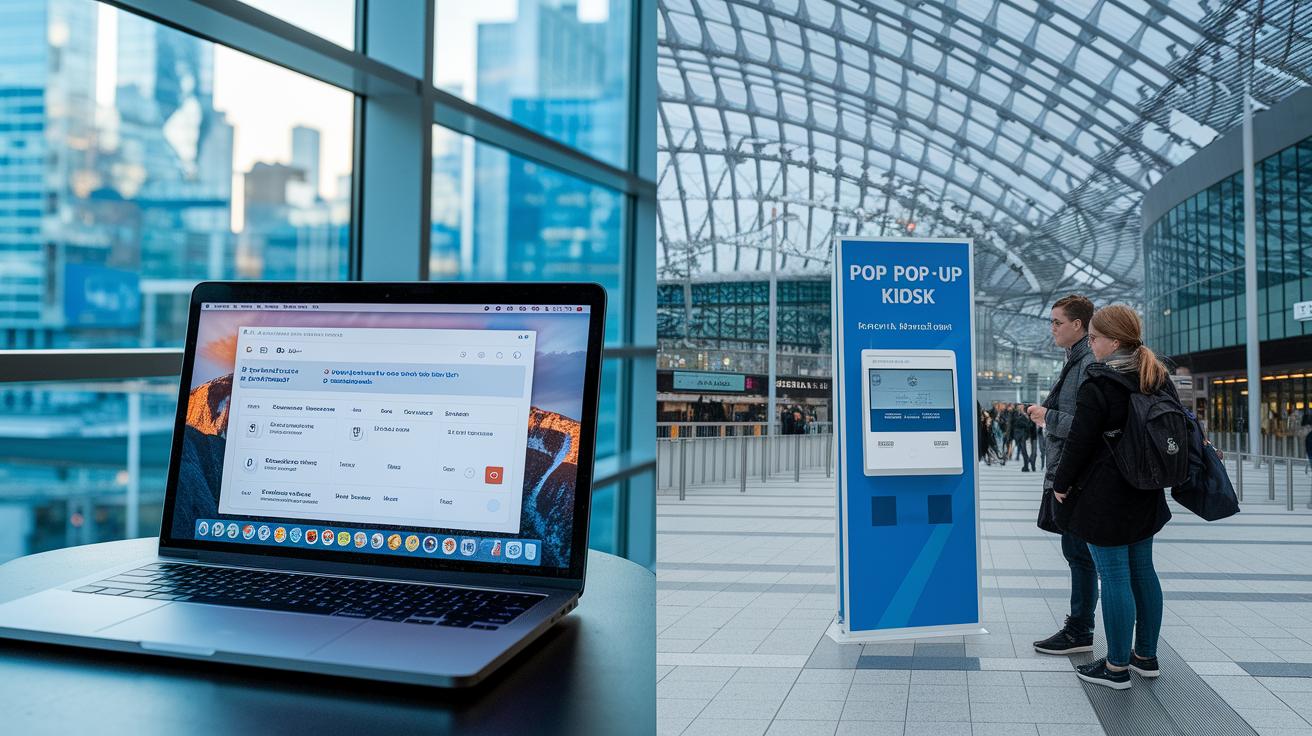
Service distribution now goes beyond just physical stores. It includes both real-world spots and digital channels that make a service easy to reach. Many firms use online platforms that allow customers to get services at any time. For example, websites offering digital courses let busy learners sign in whenever they can. Physical outlets also play a role. Temporary stations like pop-up kiosks in busy transit hubs help bring services to the places where people already gather.
Marketers also team up with third-party partners. These partners expand a brand’s reach when its own channels are not enough. They use local strategies to tailor services to regional habits. This approach meets customer demand and improves service quality. In short, pinpointing the right distribution channels means customers get services when they need them, which helps drive market growth.
Service Promotion Insights: Fourth P in the 7Ps of Service Marketing
Promotion means connecting with customers at every step. Marketers use a blend of methods such as traditional ads, online outreach, and live events to create interest and encourage action. From the first hello to the follow-up after a service, every message should highlight what makes the service special.
Take a spa offer as an example. A limited-time deal creates a sense of urgency. One spa reported, "Before the weekend even begins, a 48-hour flash sale boosts bookings by 25%." Companies also share behind-the-scenes details or customer stories to build trust. Referral programs can further boost word-of-mouth as happy customers share their positive experiences.
Targeted social media campaigns let brands reach the right audience with messages that matter. Custom visuals, straightforward text, and well-timed promotions work together to form an effective mix. This approach not only builds awareness but also encourages ongoing engagement and long-term loyalty, making every interaction count.
People in Service Marketing: Fifth P of the 7Ps Framework

Service quality rests in the hands of the people delivering it. Every team member, from front desk staff to back office support, shapes how customers feel about a brand. Friendly interactions and quick, effective problem-solving turn a good service into a great one. Take airlines as an example: they use branded uniforms and thorough training to help every customer feel both valued and secure.
Managing people well means taking a strategic approach to hiring, training, and empowering employees. Firms that invest in recruitment and skills development build teams that can keep up with shifting customer needs and market trends. Think of a hotel where staff are trained for operational tasks and also coached in customer engagement. This approach raises satisfaction levels and builds loyal customers.
Key strategies include:
- Setting clear recruitment criteria that highlight customer service skills
- Running ongoing training programs to update service protocols
- Empowering frontline staff to make quick decisions that enhance guest experiences
Well-prepared and motivated staff naturally become ambassadors for the brand. Their commitment drives repeat business, upholds the brand promise, and provides a clear competitive edge in the service market.
Process Efficiency in Service Marketing: Sixth P of the 7Ps Framework
Organizations boost service delivery by streamlining every step of the service process. Process covers all actions from booking a service to following up afterward. For example, real-time order tracking in food delivery helps keep services fast and predictable. A user-friendly booking system prevents confusion, and effective wait-time management makes sure customers remain satisfied.
Digital automation cuts manual work and speeds up responses. By mapping the customer journey, companies can pinpoint digital touchpoints that need improvement. Regular feedback from customers guides refinements in operations. These measures let companies quickly address delays and issues, ensuring that each step matches the brand promise.
Key steps to improve process efficiency include clear appointment scheduling, integrated digital tools, proactive customer feedback, and continuous review cycles. This approach aligns every detail with customer expectations, resulting in reliable and speedy service at every interaction.
Physical Evidence in Service Marketing: Seventh P of the 7Ps Framework

Physical Evidence covers all the visible cues that tell customers about service quality. This means elements such as the look of a facility, staff uniforms, printed brochures, website design, and customer reviews. When brands focus on these visual details, they strengthen the promise they make through every element that customers can see and touch.
For example, a stylish airport lounge with branded signs, comfortable seating, and modern digital displays helps travelers feel sure about the service. Similarly, a hotel lobby video showcasing guest experiences clearly builds trust and credibility.
A customer once told a hotel manager that the modern lobby design made them feel like a VIP even before entering their room. Such tangible details connect the invisible aspects of service with clear, physical proof. By using consistent visual and physical markers, companies signal quality and build a strong brand identity in competitive markets.
Industry Applications of the 7Ps of Service Marketing
Hotels and resorts use the 7Ps framework to design memorable guest experiences. Luxury properties mix special product offerings like exclusive concierge services and unique packages with visible elements such as stylish lobby designs and custom decor. For example, a hotel might combine a digital check-in app with a warm, inviting atmosphere created by well-chosen furnishings and gentle lighting. One guest noted, "The design made me feel instantly welcomed," showing how clear visual cues build trust.
In technology and food delivery, companies like Zomato use streamlined processes and smart promotions. Real-time tracking systems improve efficiency and boost customer confidence. Think of getting text updates as your order nears your door. When paired with focused promotional campaigns and loyalty programs, these efforts encourage repeat orders and referrals. One customer shared, "I can follow my delivery every step of the way, making me feel in control."
Healthcare providers also tailor the service marketing mix to improve patient care. In a competitive market where trust is key, clinics and hospitals refine the people and process elements by introducing easy appointment systems, digital health records, and well-trained support staff. For instance, a center might use digital forms at check-in while its team concentrates on personalized care, ensuring an efficient, seamless experience from start to finish.
Real-world examples include:
- Hotels that boost credibility through consistent design and crafted guest experiences.
- Tech firms that increase customer engagement with real-time service tracking and responsive support.
- Healthcare providers that enhance efficiency and patient care by empowering staff and using digital tools.
These examples show that using the 7Ps framework across various industries can improve service delivery and offer a competitive edge.
Measuring and Adapting the 7Ps of Service Marketing for Continuous Improvement

Service marketers use simple numbers to see how well their plans work. They check customer satisfaction scores, repeat purchases, net promoter scores (a measure of loyalty), and online review sentiments. These figures help them keep an eye on key parts of their service mix like Price, Process, and People. Customer feedback shows them where to make small changes to meet new needs.
One smart move is to use real-time dashboards that pull all these numbers together. For example, a drop in net promoter scores can signal a service problem and may prompt a look at employee training or pricing options. Likewise, fewer repeat purchases might show a gap in customer engagement or a hiccup in process efficiency.
Key tools include:
- Customer satisfaction surveys that collect clear service feedback.
- Analytics tools that track digital reviews and ratings.
- Regular evaluations that link staff actions with process results.
By checking these numbers at regular times, service providers can adjust their strategies quickly. This continuous review keeps every part of the 7Ps competitive and ready for market changes. Data-driven insights like these lead to lasting service improvements.
Final Words
In the action, the post broke down the core elements of service marketing by mapping each step of the 7ps of service marketing. It outlined service product strategy, pricing tactics, distribution channels, and promotion approaches before highlighting the roles of people, process efficiency, and physical evidence.
Each section revealed how these components combine to create a strong service offering. The insights shared offer actionable strategies that can improve customer experience and boost competitive standing, leaving room for further positive innovation in service-based businesses.
FAQ
What are the 7 Ps of service marketing?
The 7 Ps of service marketing include Product, Price, Place, Promotion, People, Process, and Physical Evidence. This expanded mix builds on the traditional model to address service-specific challenges.
How does the 7 Ps framework work in real-world service examples?
The 7 Ps framework guides companies in integrating tangible and intangible elements. For instance, hotels bundle digital check-in and luxury experiences while digital agencies adapt pricing to capture perceived value.
What does the term “7 Ps” stand for in marketing strategy?
The term “7 Ps” stands for Product, Price, Place, Promotion, People, Process, and Physical Evidence. Each element contributes to a cohesive strategy that targets both the service offering and customer experience.
How do the 4 Ps and 7 Ps of marketing differ?
The 4 Ps model covers Product, Price, Place, and Promotion for goods. The 7 Ps model adds People, Process, and Physical Evidence to address the intangibility and service-specific aspects of marketing.
Which element is especially crucial in the service industry?
People are especially crucial since employee behavior and customer interaction directly influence service quality. Well-trained staff elevate customer satisfaction and reinforce the service promise.
Where can I find PDFs or PowerPoint presentations on the 7 Ps of marketing mix?
PDFs and PowerPoint slides on the 7 Ps are available on educational websites, marketing resource libraries, and academic repositories. These resources offer detailed explanations and practical examples.
What are the 7 O’s of marketing?
The 7 O’s of marketing refer to an alternative model that focuses on operational aspects of service delivery. While less common, this approach highlights factors such as organization and outcome in service operations.